Can Dogs Eat Corn? A Vet's Guide to Corn Cobs, Kernels & More
You're at a summer barbecue, and your dog is giving you that look. A piece of corn on the cob sits tantalizingly on the edge of your plate. It seems harmless enough, right? It's a vegetable. Before you toss that golden kernel, let's talk about whether dogs can have corn. The short answer is yes, but with some very important caveats that many owners overlook. I've seen enough emergency vet visits to know this isn't as straightforward as it seems.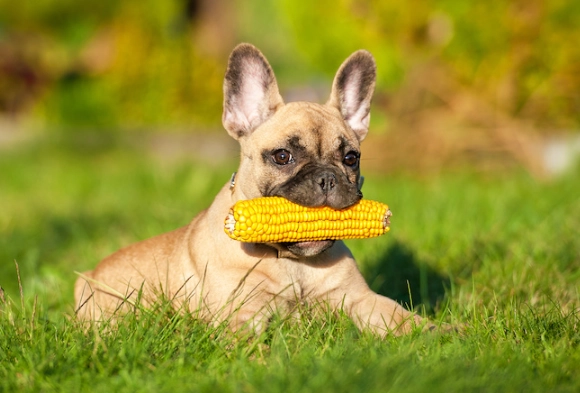
Corn isn't toxic to dogs in its plain, cooked form. The kernel itself offers digestible carbohydrates, a bit of protein, and some linoleic acid. But here's where most guides stop, and where the real problems begin. The way corn is prepared and served turns a simple snack into a potential hazard. That buttery, salted ear? The leftover cob? These are the details that matter.
What's in this guide?
The Nutritional Reality of Corn for Dogs
Let's peel back the husk. Corn is primarily a carbohydrate. It provides energy but isn't a standout source of essential nutrients for dogs compared to animal-based proteins. The fiber can be good for digestion, but too much leads to gas or upset stomach. The real concern isn't the corn itself, but its form and what's added to it.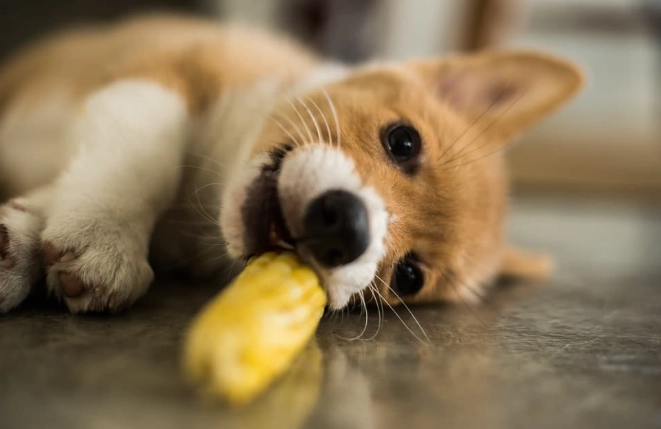
I remember a client, a lovely Golden Retriever named Max, who came in after a family cookout. He'd eaten several cobs from the trash. The cob itself had caused a linear foreign body obstruction – it doesn't digest, it just clogs. Surgery was necessary. It was preventable. That's the thing they don't tell you in most articles: the danger isn't theoretical. It's in your backyard at a summer party.
The Cob: A Silent Emergency Waiting to Happen
This is the non-negotiable section. The cob is indigestible. When a dog chews it, it often breaks into sharp, fibrous chunks. These pieces can lodge anywhere from the mouth to the intestines, causing a blockage that might not show symptoms for days. Surgery is often the only option.
The risk isn't worth the reward. Never. Give. Your dog. The cob. Not even a "chewed" one. It's not a toy. It's a ticking time bomb for a gastrointestinal obstruction.
Butter, Salt, and Seasonings: Why Plain is Best
Plain, cooked corn is the goal. What you add to it is the problem. Butter is pure fat – a shortcut to pancreatitis in dogs. Salt can lead to sodium ion poisoning. Garlic, onions, chives? Toxic. That sprinkle of cheese? Potential lactose issues and a fat overload.
And let's talk about grilled corn. Charred bits contain carcinogens. The cob itself might be coated in residual lighter fluid or cleaning chemicals. You wouldn't eat that. Don't let your dog.
How to Safely Serve Corn to Your Dog
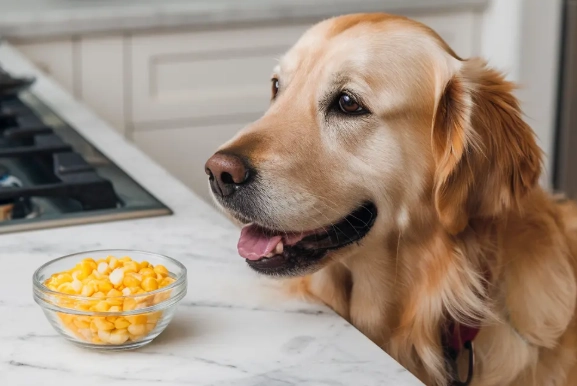
If you're going to share, do it right. Cook the corn thoroughly. Steam or boil it without any additives. Let it cool completely. Then, using a sharp knife, slice the kernels off the cob. This is non-negotiable. No nibbling straight from the cob.
Serve a small amount – a tablespoon for a small dog, up to a quarter cup for a large breed – as an occasional treat. Mix it into their regular food to prevent gulping. Watch for any signs of digestive upset afterward.
Can Dogs Eat Canned Corn?
Skip it. The sodium content is usually sky-high, and some brands add sugar or preservatives. Fresh or frozen plain corn is your safest bet.
Popcorn for Dogs?
Air-popped, plain popcorn in tiny amounts is generally safe. But no butter, no salt, no seasoning. And for heaven's sake, make sure it's fully popped. Those hard, old-maid kernels are a dental disaster waiting to happen.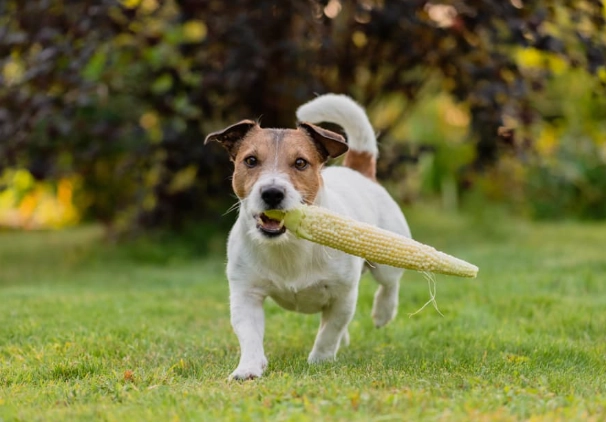
Dogs Who Should Skip the Corn
Some dogs need to steer clear entirely. If your dog has a history of pancreatitis, corn's fat content is a red flag. Diabetic dogs? The carbs can mess with blood sugar. Allergies are another consideration – corn is a moderately common allergen in dogs.
And puppies? Their digestive systems are still developing. Introducing corn could cause more trouble than it's worth. Stick to their puppy formula.
| Corn Form | Safe for Dogs? | Key Risks & Notes |
|---|---|---|
| Plain Cooked Kernels (off cob) | Yes, in moderation | Cut smaller for small dogs. Watch for choking. |
| Corn on the Cob | NO | Extreme choking and obstruction hazard. Indigestible. |
| Buttered/Salted/Seasoned Corn | NO | High fat, sodium, potential toxic additives (garlic, onion). |
| Canned Corn | Not recommended | Extremely high sodium content. Possible added sugars/preservatives. |
| Popcorn (air-popped, plain) | Small amounts, occasionally | Ensure fully popped. No butter, salt, or flavorings. |
| Cornbread / Corn-based Human Foods | NO | Often contains sugar, xylitol, garlic, onion, excessive fat. |
Your Corn & Dog Questions Answered
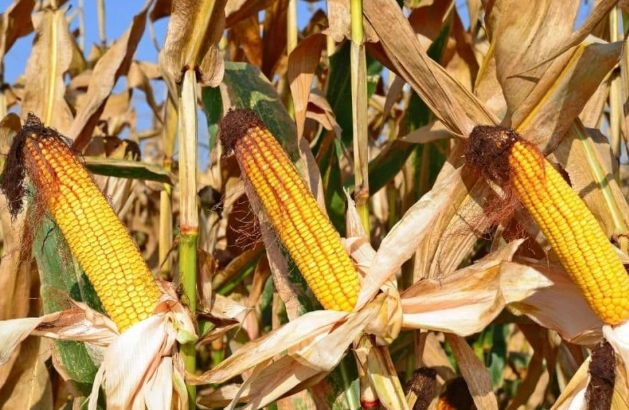
So, can dogs have corn? With extreme caution. The kernels themselves aren't the villain, but the packaging – the cob, the seasonings, the cooking method – creates a minefield. Your dog's safety hinges on the details you might overlook. Serve it plain, cooked, and off the cob. Watch the portion. And when in doubt, skip it. Their digestive system will thank you.
What about other summer BBQ staples? Onion rings, that burger patty, the cob itself now safely in the trash? Some foods are a flat no. Your vigilance is their safeguard. A treat isn't worth an emergency.