Prednisolone for Cats: Uses, Dosage, and Safety Guide
If your vet prescribes prednisolone for your cat, you might feel a mix of relief and worry. This steroid can be a game-changer for conditions like asthma or allergies, but it's not without risks. I've seen it work wonders, but also cause issues when mishandled. Let's cut through the noise and get straight to the facts.
Jump to What Matters
What Exactly Is Prednisolone for Cats?
Prednisolone is a synthetic corticosteroid, similar to cortisol produced by the adrenal glands. It's not a cure-all, but a powerful anti-inflammatory and immunosuppressant. Think of it as a fire extinguisher for your cat's immune system when it overreacts.
Many owners confuse it with prednisone. Here's the kicker: cats metabolize prednisone poorly, so vets often prefer prednisolone for better absorption. I learned this from a vet colleague who switched a cat from prednisone to prednisolone and saw faster relief from itching.
It comes in tablets, liquids, or injections. Tablets are common, but liquids can be easier for fussy cats. I once had to crush a tablet and mix it with tuna juice—messy, but it worked.
When Vets Prescribe Prednisolone: Common Conditions
Vets don't hand this out like treats. It's reserved for specific issues where inflammation is the villain.
Allergies: Environmental or food allergies causing itchy skin or ear infections. A cat named Whiskers I knew had seasonal allergies; prednisolone reduced scratching within days.
Asthma: Feline asthma involves airway inflammation. Prednisolone can ease breathing, but it's often paired with bronchodilators. Don't expect overnight miracles—it takes consistency.
Autoimmune diseases: Like inflammatory bowel disease (IBD) or lupus. These are tricky, and prednisolone helps suppress the immune attack.
Other uses: Sometimes for cancer pain or post-surgery swelling. But it's not a painkiller; it targets inflammation.
Quick tip: Always get a proper diagnosis first. I've seen owners try prednisolone for vague symptoms, only to mask a serious infection. Vets use tests like blood work or X-rays to confirm.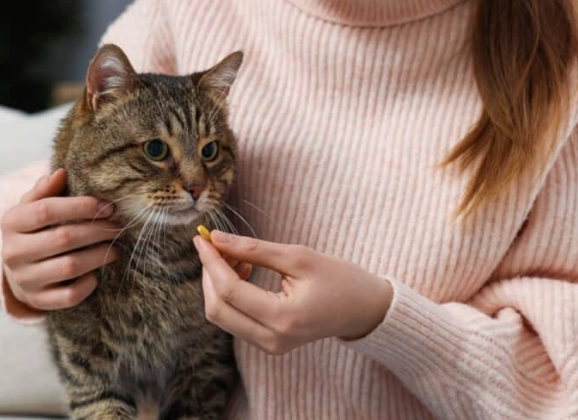
Common Conditions Treated with Prednisolone
| Condition | Typical Symptoms | How Prednisolone Helps |
|---|---|---|
| Allergies | Itching, redness, ear infections | Reduces inflammation and immune response |
| Asthma | Wheezing, coughing, labored breathing | Decreases airway swelling |
| Inflammatory Bowel Disease (IBD) | Vomiting, diarrhea, weight loss | Suppresses gut inflammation |
| Arthritis | Limping, stiffness, reluctance to move | Eases joint inflammation and pain |
This table sums it up, but real-life cases are messier. For instance, arthritis might need long-term low doses, while asthma could require pulse therapy during flare-ups.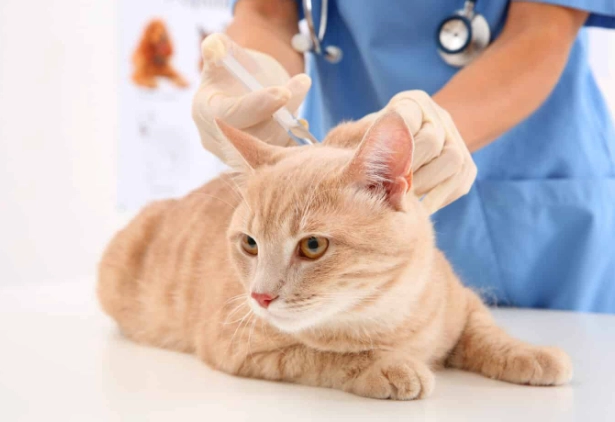
Dosage and Administration: Getting It Right
Dosage varies wildly based on weight, condition, and severity. Never guess—follow your vet's instructions to the letter.
Typical starting dose: 0.5 to 1 mg per pound of body weight daily. For a 10-pound cat, that's 5 to 10 mg. But here's a nuance: vets often start high and taper down. I recall a case where a cat was on 10 mg twice daily for asthma, then reduced to 5 mg every other day over weeks.
Administration tips:
- Give with food to avoid stomach upset. I made the mistake of giving it on an empty stomach once; my cat vomited.
- Use pill pockets or hide in wet food. Some cats are too smart—I had one who'd eat around the pill.
- Liquid forms: measure precisely with a syringe. Shake well, as settling can alter concentration.
Timing matters. For chronic conditions, split doses might be better. But for acute issues, a single daily dose could suffice. Your vet will tailor this.
Missing a dose? Don't panic. Give it if you remember soon, but skip if it's near the next dose. Doubling up can spike side effects.
The Tapering Schedule: Why It's Crucial
Stopping cold turkey is a big no-no. It can cause adrenal crisis or rebound inflammation. Tapering means gradually reducing the dose over weeks or months.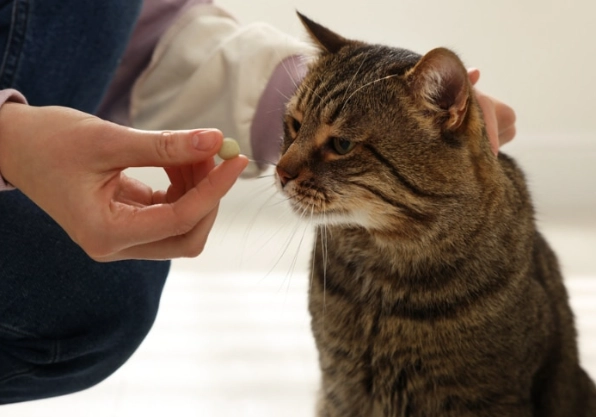
Example schedule for a cat on 10 mg daily:
- Week 1-2: 10 mg daily
- Week 3-4: 5 mg daily
- Week 5-6: 5 mg every other day
- Week 7-8: 2.5 mg every other day, then stop
This mimics natural cortisol production. I've seen owners ignore this, leading to lethargy and loss of appetite. It's not worth the risk.
Side Effects and Risks: The Not-So-Pretty Side
Prednisolone isn't candy. Side effects range from mild to severe, especially with long-term use.
Common ones: Increased thirst and urination, hunger, weight gain, panting. My cat started drinking like a camel—it's normal, but monitor for dehydration.
Serious risks: Diabetes, weakened immune system, gastrointestinal ulcers, muscle weakness. Long-term use can suppress adrenal function, making cats dependent.
I remember a senior cat on prednisolone for arthritis who developed diabetes. The vet adjusted the dose and added insulin, but it was a wake-up call.
Monitoring is key: Regular vet check-ups every 6 months for blood work. Watch for signs like excessive thirst, vomiting, or behavior changes. If your cat seems off, don't wait.
Some vets overlook this, but I insist on baseline tests before starting. It helps track changes.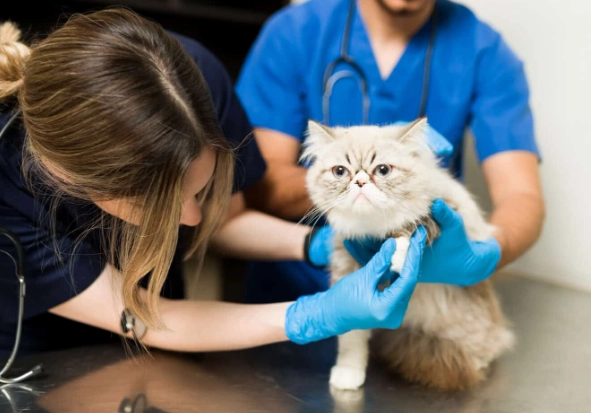
Alternatives and Precautions: Beyond Steroids
Prednisolone isn't the only option. For mild cases or as adjuncts, consider these.
Natural alternatives: Omega-3 fatty acids (fish oil) for inflammation, probiotics for gut health, or acupuncture. But they're slower and less potent. A client tried turmeric for their cat's allergies; it helped slightly, but prednisolone was needed during flare-ups.
Other medications: Cyclosporine for allergies, or budesonide for IBD—these target specific pathways with fewer systemic effects. However, they're pricier and not always covered by insurance.
Precautions:
- Avoid if your cat has infections, as prednisolone can worsen them.
- Use with caution in diabetic cats—it can spike blood sugar.
- Inform your vet of all medications, including supplements. Interactions can occur.
I've seen cases where prednisolone was contraindicated due to kidney disease. Always disclose full health history.
Your Burning Questions Answered
Prednisolone for cats is a tool, not a magic bullet. Use it wisely, follow expert advice, and keep an eye on your furry friend. When in doubt, talk to your vet—they're your best ally in this journey.