Can Dogs Eat Apples? A Vet's Complete Guide to Safe Feeding
You're holding a crisp apple, about to take a bite, and those big, begging eyes lock onto you. The question pops into your head instantly: Can dogs have apples? The short, vet-approved answer is yes, but with a list of "buts" and "howevers" longer than a Great Dane's legs. Giving your dog an apple isn't as simple as tossing them a slice. Get it right, and it's a healthy, hydrating snack. Get it wrong, and you're flirting with a choking hazard or worse.
I've been through this exact scenario with my own dog, Buddy, a Labrador with a stomach of steel and an appetite for anything that crunches. I've also made mistakes—like the time I absentmindedly let him lick a core—and learned the hard way that even "safe" foods need rules. This guide cuts through the generic advice you'll find everywhere. We'll dive into the specifics: exactly how to prepare them, precisely how much is safe, and the subtle risks most pet owners completely overlook.
Why Apples Can Be a Smart Snack for Your Dog
Forget vague claims. Let's talk specifics. A medium apple slice (about 10g) offers a few key things your dog might benefit from, provided it's given correctly.
Fiber is the star player. That soluble fiber, pectin, isn't just filler. It acts like a gentle broom for the digestive tract. For dogs with occasional soft stools, a small amount of apple can help add bulk. Conversely, for a mildly constipated pup, the fiber and high water content can get things moving. It's a delicate balance, though—too much fiber too fast is a recipe for gas and bloating.
Vitamins on a small scale. Apples contain Vitamin C and A. Dogs produce their own Vitamin C, so they don't need it from food, but a little extra from a natural source doesn't hurt. Vitamin A supports skin and coat health. Don't expect a single slice to be a multivitamin; think of it as a nice little bonus.
The Crunch Factor. This is the underrated benefit. A cold, crunchy apple slice can be mildly abrasive against teeth, helping to dislodge some surface plaque. It's not a substitute for brushing, not by a long shot, but as part of a dental care routine that includes proper brushing, it's a positive. Plus, most dogs love the texture and sound—it's engaging.
Key Takeaway
Apples are primarily a low-calorie, hydrating treat with a decent fiber punch. They're a way to give your dog a "something special" without loading them up with processed, fatty treats. Think of them as the healthy snack option in the treat jar, not a nutritional powerhouse.
The Not-So-Obvious Risks You Must Know
Here's where most articles gloss over the details. Saying "remove the seeds" isn't enough. You need to know why, and what else to watch for.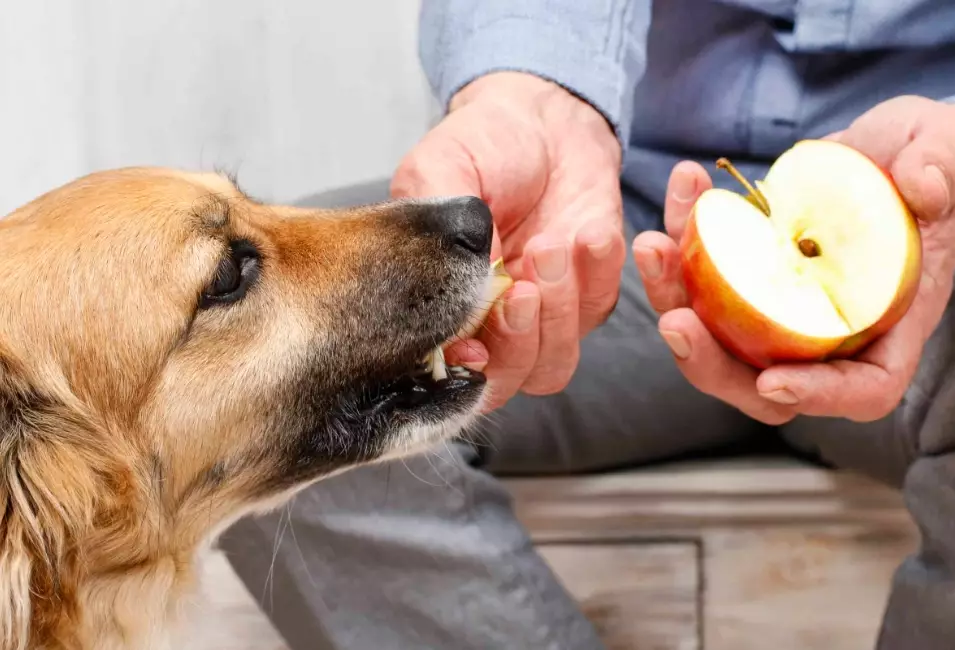
The Cyanide Myth and Reality in Apple Seeds
Apple seeds contain amygdalin, which can release cyanide when digested. The internet loves to scream about this. The reality is more nuanced. The seeds have a hard coating that often passes through undigested. A dog would need to chew and consume a very large quantity of seeds—think a whole bag of apple cores—to be at risk of acute poisoning.
The real danger of the core isn't the cyanide. It's a choking hazard and a potential cause of intestinal blockage, especially for smaller dogs. That tough, fibrous core doesn't break down easily and can get stuck. This is the mistake I made with Buddy—he didn't get sick from cyanide, but he spent an uncomfortable few hours trying to pass a chunk of core that gave him gut cramps.
Sugar Content and Weight Gain
Apples contain natural sugars (fructose). While natural, sugar is still sugar. For a small dog, a few apple slices can represent a significant calorie and sugar bump. If your dog is overweight, diabetic, or prone to pancreatitis, those sugars matter. A common error is thinking "it's just fruit" and overfeeding, which can sabotage weight management plans.
Pesticides and Your Dog's Gut
Conventionally grown apples often top the "Dirty Dozen" list for pesticide residue. Dogs are smaller than us, and their systems can be sensitive. Washing helps, but it doesn't remove all residues. Pesticides can disrupt the gut microbiome—the community of good bacteria in your dog's stomach. An upset stomach after an apple treat might be from the pesticides, not the apple itself.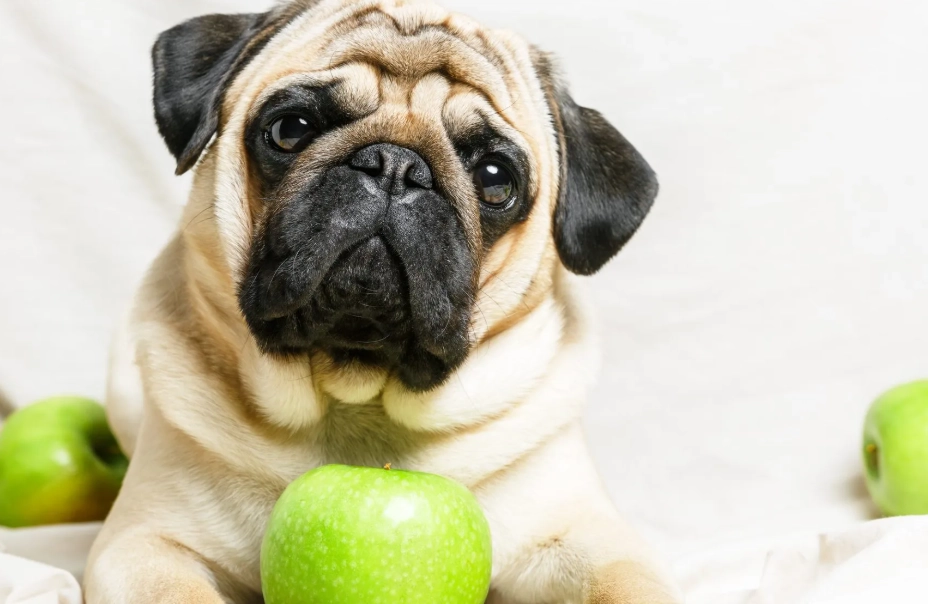
My Personal Rule of Thumb
If I wouldn't eat the apple peel without washing it thoroughly, I don't give it to my dog. When possible, I buy organic apples for Buddy's treats. It's a bit more expensive, but for a treat he only gets occasionally, I think it's worth it for peace of mind.
How to Safely Feed Apples to Your Dog: A Step-by-Step Blueprint
This is the actionable part. Don't just read it—bookmark it.
- Choose the Right Apple. Start with a fresh, firm apple. Avoid any that are overripe, moldy, or bruised. Organic is ideal to minimize pesticide exposure.
- Wash It Thoroughly. Scrub the apple under cool running water. You can use a mild produce wash, but water and friction are effective.
- Core and Seed Removal is Non-Negotiable. Cut the apple into quarters. Use a knife to cut out the entire core and stem area. Don't just flick out the seeds; remove the whole tough, central part.
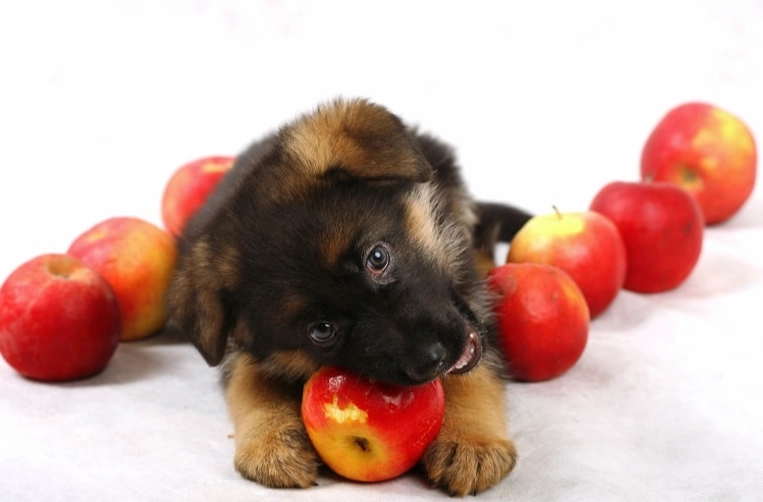
- Slice, Don't Chunk. Cut the apple quarters into thin, bite-sized slices appropriate for your dog. For a Chihuahua, that's a sliver. For a German Shepherd, a half-moon slice is fine. Never give a whole apple slice or a large chunk—it's a major choking risk.
- Start Microscopically. For the first time, give your dog one small piece. Watch for any adverse reaction over the next 12-24 hours: vomiting, diarrhea, gas, or itching. This tests for any individual intolerance.
- Portion Control is Everything. Apples should never exceed 10% of your dog's daily calorie intake. A practical guideline:
- Small dogs (under 20 lbs): 1-2 thin slices, 1-2 times per week.
- Medium dogs (20-50 lbs): 3-4 small slices, 2 times per week.
- Large dogs (50+ lbs): A few slices or small chunks, 2-3 times per week.
Apple vs. Other Common Fruits: A Quick Safety Guide
Apples aren't the only fruit you might consider. Here's a no-nonsense comparison based on information from sources like the American Society for the Prevention of Cruelty to Animals (ASPCA) and veterinary nutritionists.
| Fruit | Safe for Dogs? | Key Notes & Precautions | How It Compares to Apple |
|---|---|---|---|
| Apple | Yes (Prepared) | Core and seeds removed. High in fiber. | Baseline: Good fiber treat. |
| Blueberries | Yes | Excellent low-calorie antioxidant treat. Feed whole or mashed. | Lower sugar, higher antioxidant punch. |
| Watermelon | Yes (Seedless/Rindless) | Super hydrating. Remove all seeds and the tough green rind. | Higher water content, lower fiber. |
| Banana | Yes (Small Amounts) | High in sugar and potassium. Feed only small slices occasionally. | Much higher in sugar and calories. Use sparingly. |
| Grapes/Raisins | NO - TOXIC | Extremely toxic, can cause acute kidney failure. Avoid completely. | Dangerous. Never give under any circumstances. |
| Cherries | NO (Pits/Stems) | Pits contain cyanide and are a choking hazard. Flesh is risky due to pit residue. | Too risky. Not worth the danger. |
Your Top Apple-for-Dogs Questions, Answered
Based on years of fielding questions from fellow dog owners, these are the real-world concerns that pop up after the basics are covered.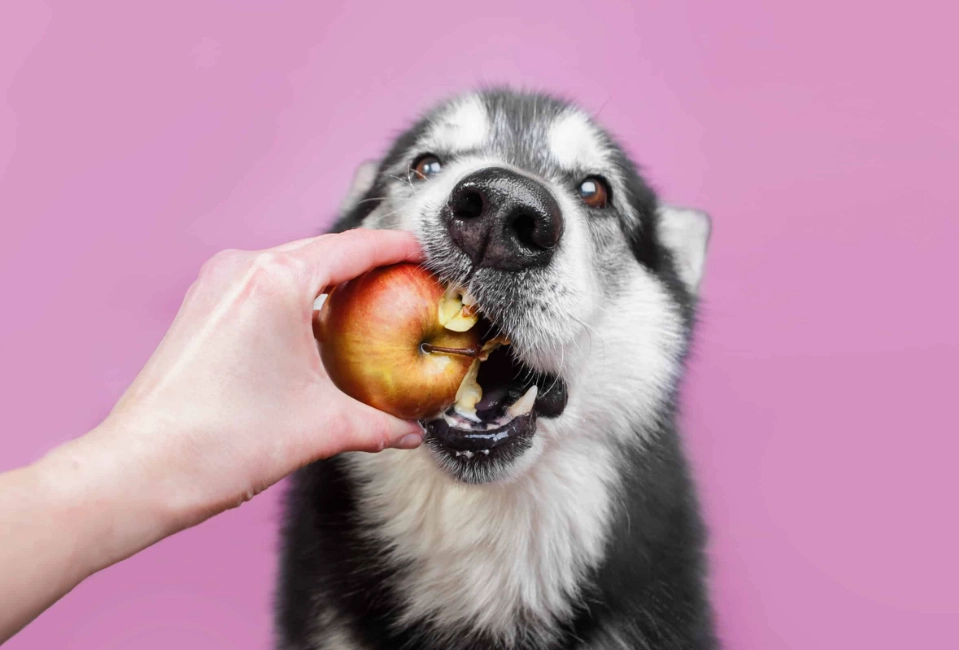
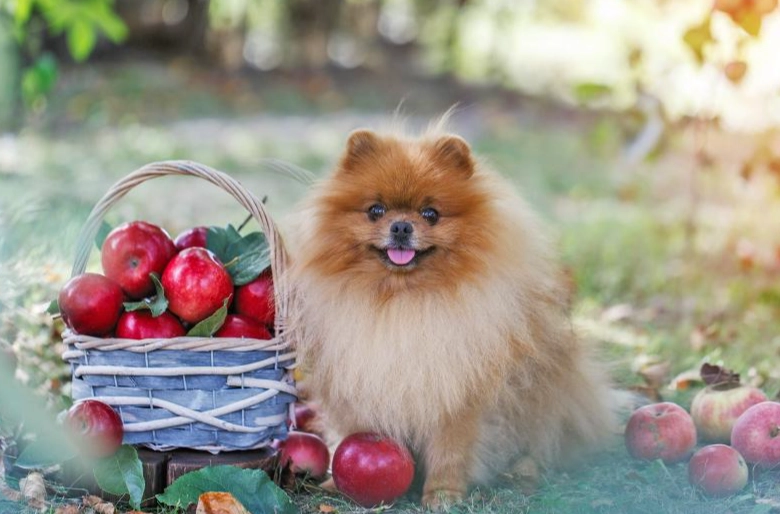
 So, can dogs have apples? Absolutely. But the real question is: Will you feed them responsibly? It boils down to this: core it, seed it, slice it thin, and feed it sparingly. It's a healthy treat when you respect the portion size and preparation. Ignore those steps, and you're turning a simple snack into an unnecessary risk.
Next time Buddy gives me that look, I'll reach for the cutting board, not just break off a piece from my hand. It's a small extra step that makes all the difference between a safe treat and a potential vet visit.