How Long Do Dogs Live? A Breed-by-Breed Guide & How to Extend Their Years
Ask any dog owner how long dogs live, and you'll likely get a shrug followed by "10 to 13 years, maybe?" That's the standard line. But after working with dogs for over a decade, I've learned that answer is almost useless. It's like saying "cars cost money." It's true, but it doesn't help you budget.
The real story of a dog's lifespan is a tapestry woven from genetics, size, and—most importantly—the daily choices you make. I've seen a fit, lean Labrador outlive its breed's average by years, while a neglected small breed passed far too early. The difference wasn't luck; it was care.
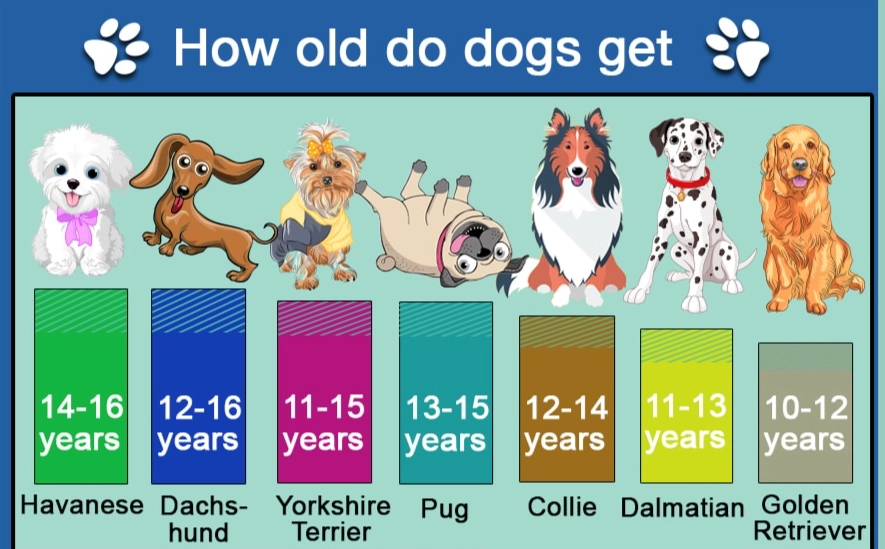 So, let's move past the average. Let's talk about what actually determines how many years you get with your best friend, and exactly what you can do to maximize them.
What's Inside This Guide
How Breed and Size Dictate Lifespan
This is the biggest factor you can't change. A general rule exists: smaller dogs tend to live longer than larger dogs. A study published in the journal American Naturalist confirmed this, suggesting that larger dogs age at an accelerated rate. It's a cruel irony for lovers of giant breeds.
But even within size categories, genetics play a huge role. Some breeds are prone to specific health issues that can cut lives short. A Bulldog's average lifespan is hampered by brachycephalic syndrome, while a German Shepherd might face challenges with hip dysplasia.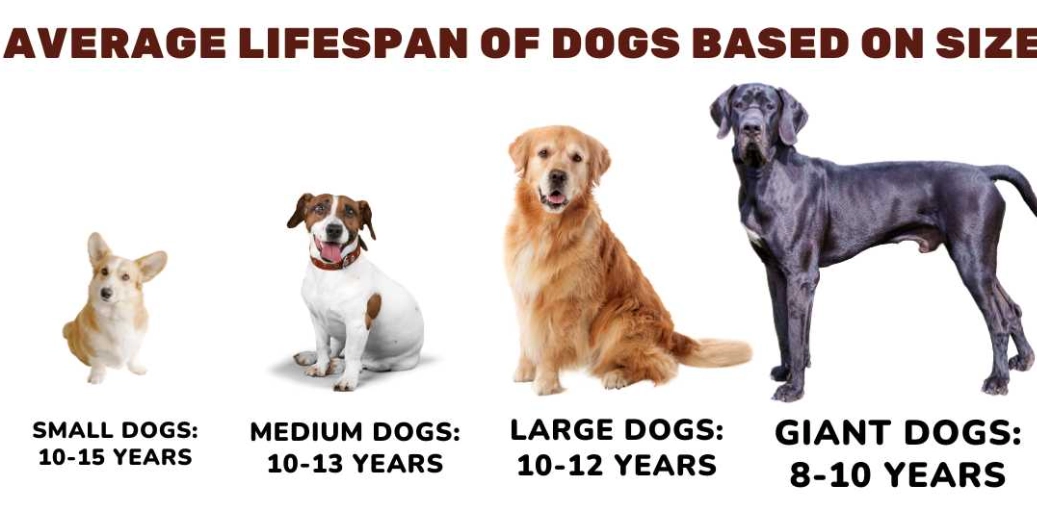
Here’s a more practical look. These ranges are based on data from sources like the American Kennel Club (AKC) and UK Kennel Club health surveys, but remember, your dog is an individual.
| Breed Size & Examples | Typical Lifespan Range | Key Considerations |
|---|---|---|
| Small/Toy (Chihuahua, Toy Poodle, Pomeranian) | 14 - 16+ years | Dental disease is a major threat. Patellar luxation (knee issues) is common. They can be fragile. |
| Medium (Beagle, Cocker Spaniel, Border Collie) | 10 - 15 years | A wide range here. Active breeds need joint care. Spaniels can have heart (mitral valve) issues. |
| Large (Labrador Retriever, German Shepherd, Golden Retriever) | 9 - 13 years | Joint problems (hips/elbows), certain cancers, and bloat (GDV) are significant concerns. |
| Giant (Great Dane, Irish Wolfhound, Saint Bernard) | 7 - 10 years | Heart disease, bone cancer, and the sheer physical strain on their bodies limit longevity. |
One non-consensus point I'll make: people often assume "purebred" means "less healthy." That's an oversimplification. Well-bred purebreds from responsible breeders who test for genetic diseases can be incredibly robust. The real danger zone is poorly-bred dogs, whether purebred or designer mixes, where profit overrides health testing.
What Factors Shorten a Dog's Lifespan?
Genetics loads the gun, but lifestyle often pulls the trigger. Here are the silent killers I see most often:
Obesity. This is public enemy number one. An extra 20% on your dog's frame isn't "cute," it's chronic inflammation. It stresses every organ, exacerbates arthritis, and leads to diabetes. The Association for Pet Obesity Prevention consistently finds over 50% of dogs are overweight. Don't be part of that statistic.
Lack of Preventative Care. Skipping vaccines, skipping heartworm/flea/tick prevention, and avoiding the dentist. Periodontal disease isn't just bad breath; it pumps bacteria into the bloodstream, damaging the heart, liver, and kidneys. I've seen dogs act years younger just after a dental cleaning.
Unaddressed Genetic Predispositions. If you have a breed prone to something, be proactive. Don't wait for your Dachshund to herniate a disc—use ramps. For deep-chested breeds, know the signs of bloat. For predisposed breeds, discuss screening tests with your vet early.
Accidents. It sounds obvious, but dogs hit by cars or eating toxic foods (chocolate, xylitol, grapes) don't get to live out their lifespan. Secure your yard, leash train, and dog-proof your home.
The Biggest Mistake I See: Owners think feeding a "high-quality" or "grain-free" food is a magic bullet for longevity. It's not. The brand matters less than how much you feed. Portion control, based on your dog's ideal weight and activity level, is far more critical than the marketing on the bag.
How Can I Help My Dog Live a Longer, Healthier Life?
This is the action plan. It's not about one miracle supplement; it's about consistent, daily habits.
1. Master Weight Management. You should be able to easily feel your dog's ribs under a thin layer of fat. From above, you should see a waist. If you're unsure, ask your vet for a body condition score. Measure every meal with a cup—don't "eyeball" it. Treats should be
2. Commit to Consistent, Appropriate Exercise. This isn't just about weight. It's about mental stimulation, joint health, and bonding. A bored dog is a stressed dog. Tailor it: young Border Collies need running and puzzles, while an elderly Pug needs short, gentle walks. Mix it up—sniff walks are fantastic mental workouts.
3. Never Skip Veterinary Prevention. Annual exams (biannual for seniors) catch problems early. Keep up with core vaccines and essential parasite control. Discuss breed-specific screening tests (e.g., heart echo, hip X-rays) with your vet.
4. Prioritize Dental Health. Brush their teeth. Really. Start slow, use dog toothpaste, and aim for most days. If brushing fails, use approved dental chews, water additives, or prescription dental diets. A clean mouth is a health multiplier.
5. Feed a Balanced Diet. Choose a food that meets AAFCO guidelines for your dog's life stage. Be wary of extreme fads unless prescribed by a vet for a medical condition. For most dogs, a well-researched commercial diet from a reputable company is fine. When in doubt, a board-certified veterinary nutritionist is your best resource.
6. Provide Mental Enrichment. Stress ages us all. Food puzzles, training sessions (even just refreshers), novel toys, and safe socialization keep your dog's brain engaged and stress hormones low.
Spotting the Shift: Senior Dog Care Adjustments
One day, you'll notice it. The jump into the car is slower. The afternoon nap is longer. They might be stiff in the morning.
This is the senior transition, usually starting around 7-8 years for large breeds and 10-12 for small ones. Your job now is to adapt:
- Vet Visits: Go every 6 months. Senior bloodwork is crucial to monitor kidney, liver, and thyroid function.
- Comfort: Orthopedic beds, ramps, non-slip rugs. Keep them warm.
- Exercise: Shorter, more frequent walks. Swap fetch for sniffing.
- Diet: Consider a senior formula or one for joint/mobility support. Your vet can guide you.
The goal isn't to fight aging, but to make their golden years as comfortable and joyful as possible.
Your Top Questions on Dog Lifespan, Answered
 At the end of the day, asking "how long do dogs live?" is really asking "how can I make the most of our time together?" The answer isn't found in a number, but in the daily walks, the proactive vet visits, the measured meals, and the conscious choice to be an engaged guardian.
Start with one thing today. Weigh your dog. Schedule that dental cleaning. Buy a puzzle toy. That's how you add years—not just to their life, but to the life you share.