Cat Diarrhea: Causes, Home Treatment, and When to Call the Vet
You're cleaning up another mess, and your cat is looking at you with those guilty eyes. Diarrhea in cats isn't just a nuisance—it's a red flag that something's off. I've been through this with my own cat, Whiskers, and let me tell you, it's stressful. But understanding why it happens and what to do can save you a lot of worry. In this guide, we'll dive deep into the causes, home remedies, and when it's time to rush to the vet. No fluff, just practical advice from someone who's been there.
What You'll Find in This Guide
What Causes Diarrhea in Cats?
 Diarrhea isn't a disease itself—it's a symptom. Think of it as your cat's body saying, "Hey, something's wrong here." The causes range from simple to serious, and missing the subtle signs can lead to bigger problems.
Dietary Indiscretions
This is the most common culprit. Cats are curious, and they'll eat things they shouldn't. Maybe your cat snuck some human food off the table—greasy meats, dairy products, or even that plant you just brought home. I remember when Whiskers got into a bag of treats meant for dogs. Let's just say, the next 24 hours were messy. Sudden diet changes can also trigger diarrhea. If you switch cat food brands too quickly, their gut bacteria freak out.
Infections and Parasites
Bacterial infections like Salmonella or viral issues such as feline panleukopenia can cause severe diarrhea. Parasites are another big one—roundworms, giardia, or coccidia. These little critters irritate the intestines, leading to watery stools. According to the American Veterinary Medical Association, parasites are a leading cause of gastrointestinal issues in cats, especially in kittens or outdoor cats.
Underlying Health Issues
Sometimes, diarrhea points to chronic conditions. Inflammatory bowel disease (IBD) is common in older cats—it's like their immune system attacks the gut. Kidney disease, hyperthyroidism, or even cancer can manifest as diarrhea. Here's a nuance many miss: stress can exacerbate these conditions. A cat with IBD might have flare-ups during stressful events, like a move or a new pet in the house.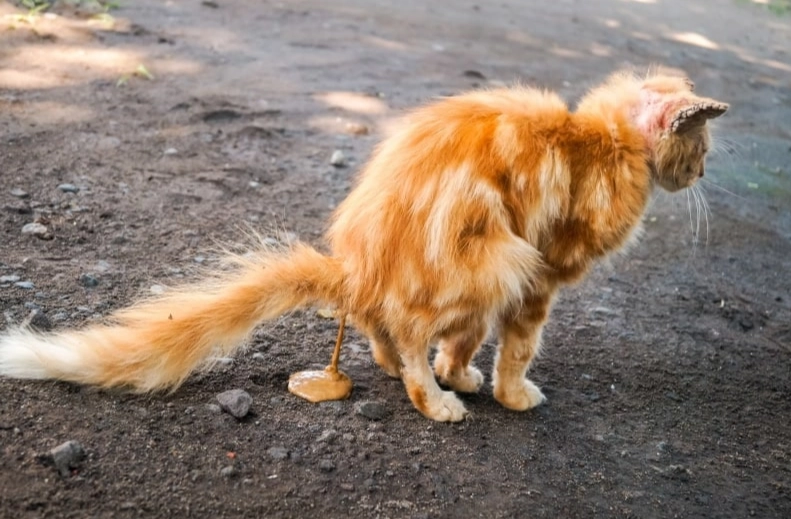
Expert Tip: Don't assume diarrhea is just from bad food. If it recurs, get a fecal test done to rule out parasites. I learned this the hard way when Whiskers had giardia—it took weeks to diagnose because I kept blaming his diet.
How to Treat Cat Diarrhea at Home
If your cat has mild diarrhea and is otherwise acting normal, you can try home care. But go slow—rushing things can backfire.
First, assess the situation. Is your cat lethargic? Vomiting? If not, start with a bland diet. Forget the old advice of chicken and rice for days. Cats are obligate carnivores, and rice isn't ideal. Instead, offer plain, boiled chicken breast shredded into small pieces. Mix in a teaspoon of plain pumpkin puree (not pie filling). Pumpkin has fiber that can help firm up stools. Feed small amounts every 4-6 hours.
Hydration is critical. Diarrhea drains fluids fast. Ensure fresh water is available. You can try offering bone broth (low-sodium, homemade is best) to encourage drinking. I've used a syringe to give Whiskers water when he was reluctant—just a few milliliters at a time to avoid stress.
Probiotics can help restore gut balance. Look for cat-specific probiotics like FortiFlora. Sprinkle it on their food. But here's a non-consensus point: many probiotics on the market are ineffective because they don't survive stomach acid. Ask your vet for recommendations—they often have brands with strains proven to work in cats.
Avoid over-the-counter medications. Never give human anti-diarrheals like Imodium. Cats process drugs differently, and it can be toxic. Stick to natural supports unless your vet advises otherwise.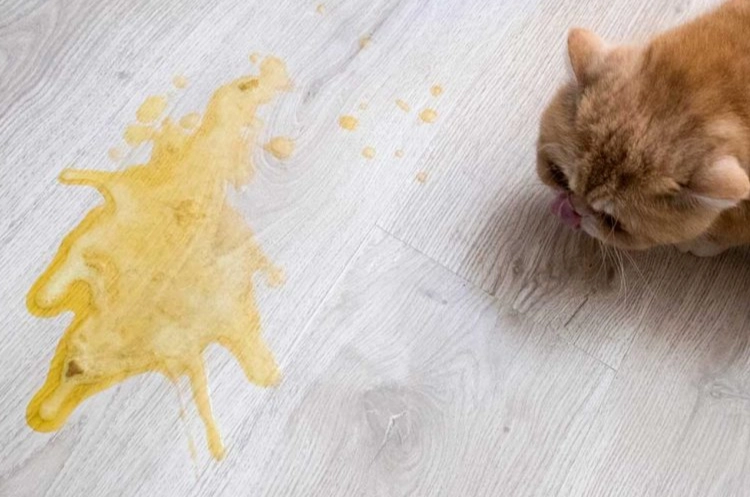
When to Seek Veterinary Help
This is where many cat owners hesitate. You think, "Maybe it'll pass." But waiting too long can be dangerous. Here's a quick table to help you decide:
| Symptom | Action | Why It Matters |
|---|---|---|
| Diarrhea for more than 24 hours | Call your vet | Risk of dehydration and nutrient loss |
| Blood in stool (red or black) | Emergency vet visit | Could indicate internal bleeding or infection |
| Lethargy or weakness | Seek immediate care | Sign of systemic illness or severe dehydration |
| Vomiting along with diarrhea | Vet visit within hours | Increases dehydration risk rapidly |
| Loss of appetite for over 12 hours | Consult vet | Cats can develop liver issues if they don't eat |
From my experience, the biggest mistake is underestimating dehydration. Cats hide illness well. Check their skin elasticity: gently pinch the skin on their back. If it doesn't snap back quickly, they're dehydrated. Also, look at their gums—they should be pink and moist, not dry or pale.
If you're unsure, call your vet. They might recommend bringing in a stool sample for analysis. It's better to be safe than sorry. I once waited two days with Whiskers, and he ended up needing IV fluids. Lesson learned.
Preventing Future Diarrhea Episodes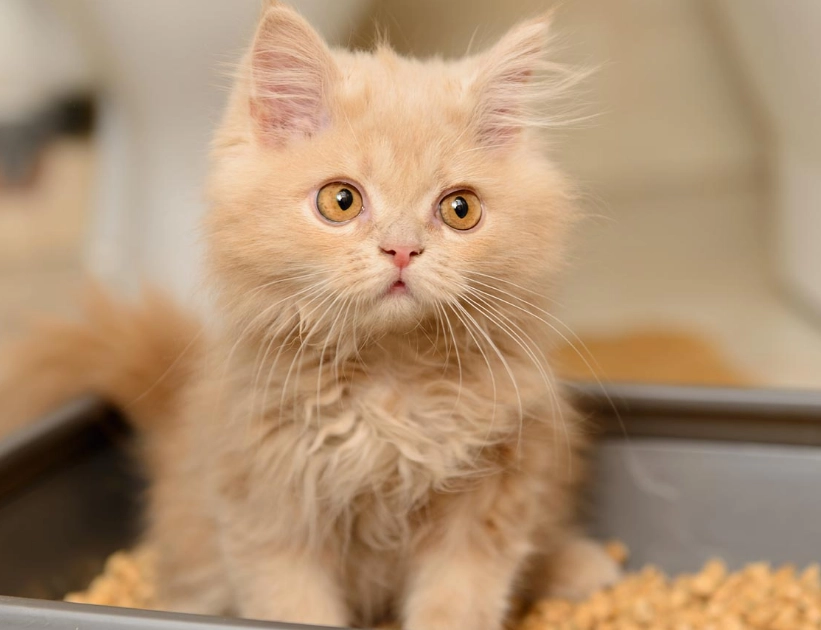
Prevention is about consistency and observation. Start with diet. Feed high-quality cat food with limited ingredients. Avoid sudden changes—transition over 7-10 days by mixing old and new food. I stick to one brand now, and Whiskers' stomach has been much happier.
Keep toxic foods out of reach. Common offenders include onions, garlic, chocolate, and xylitol (found in some peanut butters). Even a small amount can cause diarrhea or worse.
Regular vet check-ups are key. Annual exams can catch issues early. Discuss parasite prevention with your vet—monthly treatments for fleas and worms can reduce diarrhea risks.
Manage stress. Cats are sensitive to change. Use pheromone diffusers like Feliway during stressful times. Provide hiding spots and vertical spaces. When I moved apartments, I set up a quiet room for Whiskers with his favorite blanket, and it helped avoid stress-induced diarrhea.