The Complete Chow Chow Owner's Guide: Care, Personality & Health
So you're thinking about getting a Chow Chow. Maybe you saw one of those impossibly fluffy, lion-like dogs on the street, or a cute video online, and thought, "I need that in my life." Let me stop you right there. Take a deep breath. Owning a Chow Chow is a massive commitment, and it's nothing like having a Golden Retriever or a Labrador. It's a unique, often challenging, but incredibly rewarding journey with one of the most ancient and distinctive dog breeds on the planet.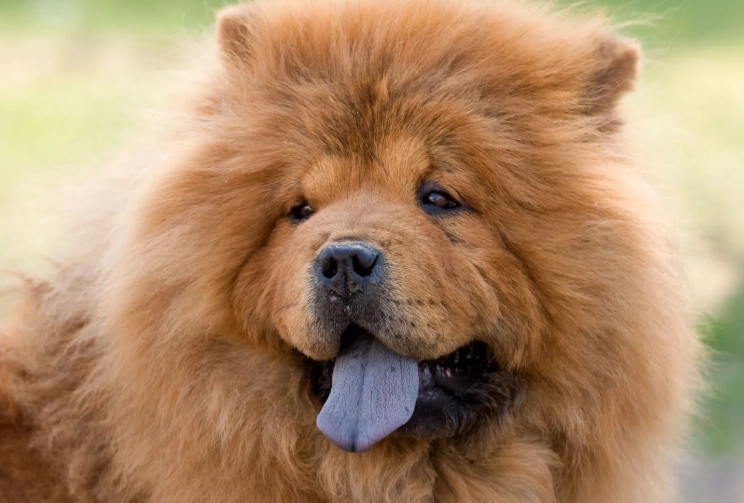
I've lived with a Chow Chow for over eight years. His name is Bear (original, I know), and he's taught me more about patience, respect, and canine communication than any other dog I've owned. This guide isn't just regurgitated facts from a breed book. It's the stuff I wish I'd known before I brought that fluffy ball of stubbornness home. We'll cut through the fluff—literally and figuratively—and talk about what life with a Chow Chow is really like.
Where Did This Fluffy Enigma Come From? A Dash of History
The Chow Chow's history is as deep and mysterious as their dark, scowling expression. We're talking about a breed that's been around for over two thousand years, with DNA studies suggesting they are one of the most ancient dog breeds, with lineages tracing back to ancient China and even earlier.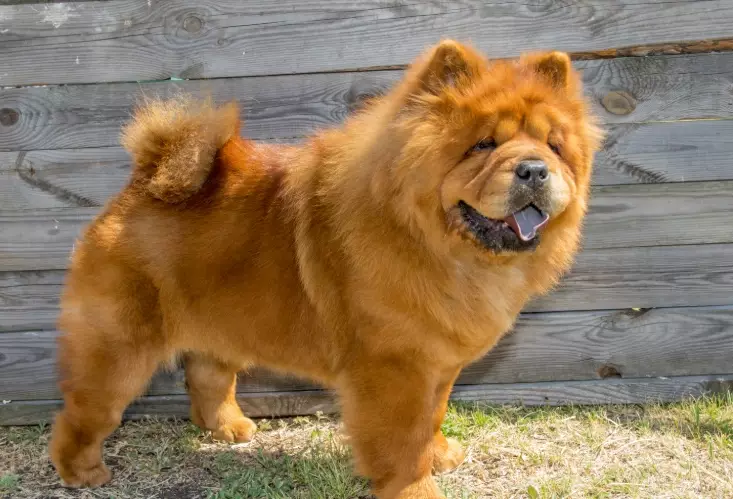
They weren't just companion animals. Historical records and artifacts show Chow Chows served as versatile working dogs. They pulled sleds, guarded temples and palaces (that aloof guard-dog instinct didn't come from nowhere), and were even used for hunting. The name "Chow Chow" itself is a bit of a mystery—some say it's a pidgin English term for various Chinese knick-knacks, which somehow got attached to the dog.
One of the most fascinating and undeniable facts about the Chow Chow is their unique blue-black tongue. It's a trait they share with only one other breed, the Chinese Shar-Pei, and it's a hallmark of the breed. Puppies are born with pink tongues that darken as they age. If you see a purebred Chow without that distinctive dark tongue, well, it's not a purebred Chow.
For a detailed look at the official breed standard, which covers everything from their distinctive stilted gait to their scowling expression, the American Kennel Club (AKC) maintains an authoritative Chow Chow breed standard page. It's the benchmark used in dog shows and a great resource for understanding the ideal form of the breed.
Looks That Kill (With Cuteness): The Chow Chow's Distinctive Appearance
Let's be honest, the look is a huge part of the appeal. There are two coat types: rough and smooth. The rough-coated Chow is the one you picture—the massive lion's mane, the incredibly thick, off-standing fur. The smooth-coated Chow has a shorter, denser coat that lies closer to the body. They're less common but share all the same personality traits (don't think you're getting off easy with grooming!).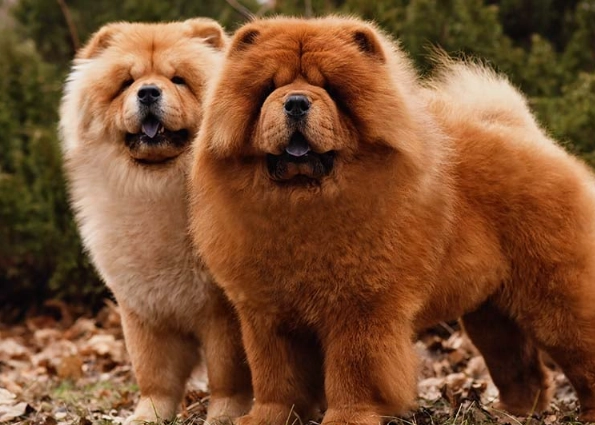
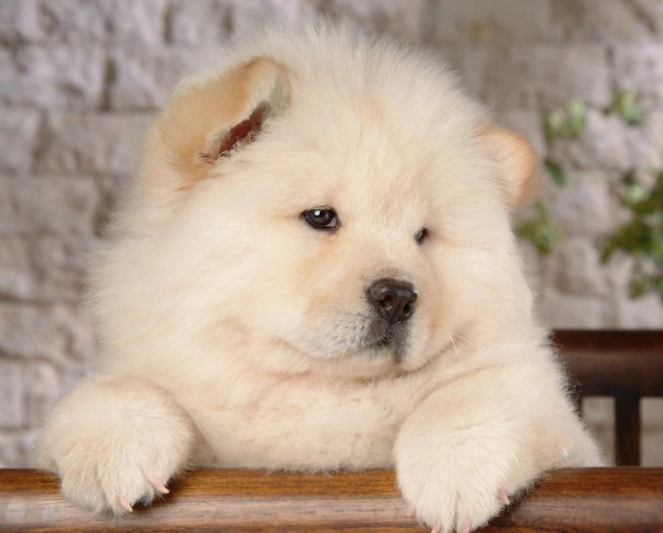
Coat colors are stunning: red, black, blue, cinnamon, and cream. The reds can range from a deep mahogany to a lighter golden-red, and the creams are often mistaken for white. The blue Chow Chow has a silvery-gray, almost lavender-ish hue that is particularly striking.
But beyond the fluff, there's a specific structure. They have a broad, flat skull, small triangular ears that tip forward (giving them that perpetual "I'm listening, but I'm not pleased about it" look), and deep-set almond eyes. Their body is square and powerful, and they move with a very characteristic, short, stilted gait. It's not a flaw; it's by design, a result of their straight rear legs.
Rough Coat vs. Smooth Coat: What's the Real Difference?
Aside from the obvious hair length, is there a difference? In personality, no. A smooth Chow is just as independent and cat-like as a rough one. The main differences are in upkeep and perception.
- Grooming: The rough coat requires significantly more frequent and thorough brushing to prevent mats. The smooth coat sheds just as much, but the hair is shorter and can sometimes be easier to manage with weekly brushing. Don't be fooled, though—shedding season is still a nightmare for both.
- Climate: The smooth coat might tolerate warmer climates a tiny bit better, but neither type is a hot-weather dog. Both need air conditioning and careful exercise scheduling in the summer.
- Rarity: The smooth coat is less common, so you might have a harder time finding a reputable breeder who specializes in them.
The Chow Chow Personality: Cat, Bear, or Dog?
This is the most important section. Getting a Chow Chow without understanding their temperament is the number one reason these dogs end up in rescues or with behavioral issues.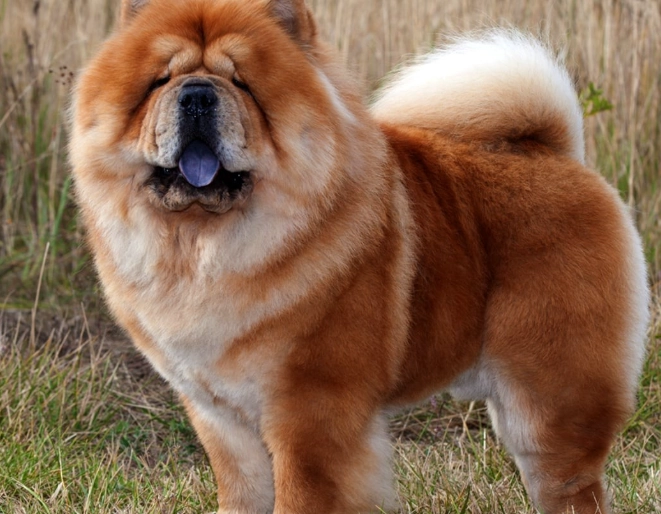
A Chow Chow is often described as cat-like. It's an apt comparison. They are incredibly clean, often fastidious groomers themselves. They are independent and don't have a constant need for your attention or approval. They'll be in the same room as you, but on their own terms, often choosing a cool spot on the floor over your lap. They are loyal, but it's a quiet, deep loyalty. They bond intensely with their immediate family and are often aloof or downright suspicious of strangers.
They are intelligent, but not in a "let me learn this trick to make you happy" way. They are problem-solvers. They'll learn what benefits them. This makes them seem stubborn. Training requires creativity, patience, and a lot of high-value treats. Positive reinforcement is the only method that works with a Chow. Harsh corrections will backfire spectacularly, damaging your bond and potentially creating a defensive dog.
Are they good with kids? This is a huge question. A well-socialized Chow raised with respectful children can be a magnificent and protective companion. However, they have little tolerance for poking, prodding, tail-pulling, or loud, chaotic energy. They are not a "nanny dog." Any interaction between a Chow Chow and a child must be closely supervised, and the child must be taught to respect the dog's space and signals. I would never recommend a Chow Chow for a family with very young, unpredictable toddlers.
How about other pets? Again, early socialization is key. Many Chows have a high prey drive and may see small animals like cats or rabbits as, well, prey. With other dogs, they can be dog-selective or dog-aggressive, particularly with dogs of the same sex. Introducing a second dog into a home with an adult Chow can be a delicate, sometimes impossible, process. My Chow, Bear, tolerates our older female dog but would never accept another male.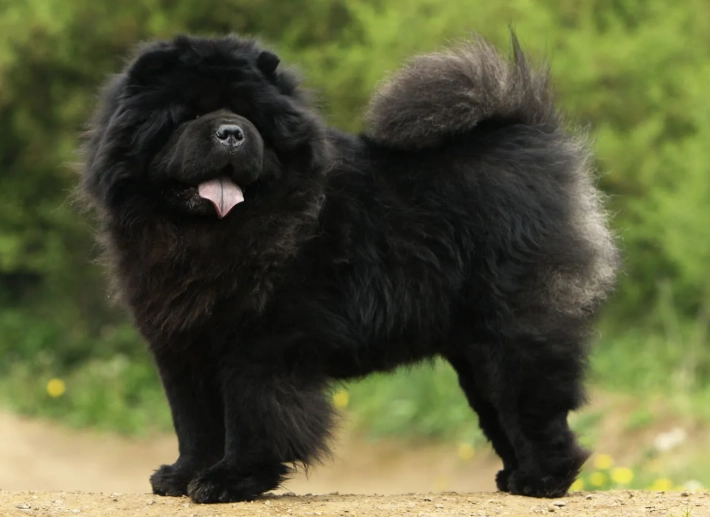
The Core Chow Chow Temperament Traits: A Quick Checklist
- Independent & Self-Assured: Doesn't need constant validation.
- Loyal & Protective: Forms a deep bond with family; natural guardian instinct.
- Aloof with Strangers: Not a social butterfly; needs slow, proper introductions.
- Clean & Fastidious: Easy to housebreak; often grooms like a cat.
- Strong-Willed & "Stubborn": Requires a confident, patient owner who understands canine leadership is earned, not demanded.
- Quiet: Not a big barker, but will alert to unusual events.
The Daily Grind: Caring for Your Chow Chow
Okay, you're still interested. Let's talk about the day-to-day reality.
Grooming Needs: It's a Part-Time Job
This is non-negotiable. That gorgeous coat is a magnet for mats, especially behind the ears, in the "pants" (the fluffy area on the hind legs), and under the armpits. A matted coat isn't just unsightly; it's painful, pulls on the skin, and can hide skin infections.
- Brushing: A thorough brushing 2-3 times per week is the minimum for a rough coat. During shedding seasons (spring and fall), it's more like daily. You'll need a high-quality slicker brush, an undercoat rake, and a metal comb. Sessions can take 30-60 minutes.
- Bathing: Bathe every 4-8 weeks, or when dirty. Use a high-quality dog shampoo and conditioner. The drying process is an event—it can take hours with a high-velocity dryer to ensure the dense undercoat is completely dry. A damp undercoat = hotbed for skin problems.
- Other Maintenance: Regular nail trims, ear cleaning (those small ears can trap moisture), and dental care are crucial. Many Chows are prone to dental issues, so getting them used to tooth brushing early is a lifesaver.
Diet and Nutrition: Fueling the Fluff
Chows can be prone to obesity, which puts immense strain on their joints. Portion control is vital. They also have a reputation for being picky eaters. Find a high-quality, balanced dog food appropriate for their age and activity level. Some are prone to food allergies, so a limited-ingredient diet might be necessary if you notice skin issues or digestive upset.
Always consult your vet for personalized dietary advice. The Cornell University College of Veterinary Medicine's Riney Canine Health Center provides excellent, science-backed resources on canine nutrition that can help inform your discussions.
Exercise: Quality Over Quantity
Don't mistake their calm demeanor for laziness. A Chow Chow is not a couch potato, but they are also not a border collie. They need daily mental and physical stimulation to stay healthy and avoid boredom.
Two moderate walks a day (20-30 minutes each) are usually sufficient. They enjoy exploring new smells on a leash. They are not great jogging partners, especially in warm weather, due to their brachycephalic (short-nosed) traits and thick coat. Mental exercise is just as important: food puzzle toys, scent games, and short, positive training sessions work wonders.
Remember: A bored Chow is a destructive Chow.
Health Concerns: What to Watch For
Every breed has its predispositions. Being aware allows for early detection and management. Reputable breeders will screen their breeding stock for these conditions.
| Health Condition | Description | Prevention/Management |
|---|---|---|
| Hip Dysplasia | A malformation of the hip joint that can lead to arthritis and pain. | Buy from breeders who screen parents via the Orthopedic Foundation for Animals (OFA). Maintain a healthy weight. Provide joint supplements as advised by a vet. |
| Elbow Dysplasia | Similar to hip dysplasia, but in the elbow joint. | Same as above. OFA screening is key. |
| Entropion | The eyelid rolls inward, causing the eyelashes to rub against the cornea. It's painful and can cause ulcers. | This is very common in Chows. A vet can diagnose it. It often requires surgical correction. Look for breeders who screen for eye health through organizations like the Canine Eye Registration Foundation (CERF). |
| Patellar Luxation | The kneecap slips out of place. | Can range from mild to severe. Severe cases may require surgery. |
| Autoimmune Thyroiditis | An underactive thyroid gland. | Can be managed with daily medication. Symptoms include weight gain, lethargy, and skin/coat issues. Simple blood test for diagnosis. |
| Gastric Dilatation-Volvulus (Bloat) | A life-threatening condition where the stomach fills with gas and twists. | Feed multiple small meals a day instead of one large one. Avoid vigorous exercise right before and after eating. Know the symptoms (restlessness, drooling, unproductive retching) and seek emergency vet care immediately. |
Finding a veterinarian familiar with the breed is a huge advantage. Regular check-ups are a must. For information on genetic testing and health screening protocols, the Orthopedic Foundation for Animals (OFA) website is an invaluable resource for prospective owners to verify a breeder's health claims.
Training Your Chow Chow: The Art of Persuasion
I'm going to say this again: positive reinforcement only. Yelling, jerking the leash, or alpha rolls will destroy your relationship. Chows respond to respect, consistency, and food.
- Start Early: Puppy kindergarten is not optional. It's essential for socialization and starting basic obedience in a controlled setting.
- Socialization is a Lifelong Process: It doesn't end at 16 weeks. Continually expose your adult Chow to new, positive experiences—different people, places, sounds, and other calm dogs.
- Focus on the Essentials: A reliable recall (come when called) is challenging with an independent breed. Prioritize a solid "leave it," "watch me," and loose-leash walking. These are safety skills.
- Make it a Game: Use their intelligence. Hide treats and let them find them. Teach them the names of their toys. Short, fun sessions are better than long, tedious ones.
My biggest training challenge with Bear was his reactivity to certain dogs on walks. It took months of counter-conditioning (associating the sight of another dog with amazing treats) to manage it. We're not perfect, but we have a system that works. It's a marathon, not a sprint.
Is a Chow Chow Right for You? The Final Checklist
Let's be brutally honest. A Chow Chow is NOT the right dog for:
- First-time dog owners.
- People who want an easy-going, everyone's-best-friend dog.
- Households with very young children or lots of chaotic activity.
- Anyone unwilling to commit significant time and money to grooming.
- People looking for an off-leash hiking companion.
- Those who believe in dominance-based training methods.
A Chow Chow MIGHT be the right dog for:
- Experienced dog owners who understand canine body language.
- Individuals or families with older, respectful children.
- People who appreciate a quiet, dignified companion.
- Someone looking for a loyal guardian and family member.
- An owner who enjoys the ritual and care of detailed grooming.
- A person with a predictable, relatively calm household.
Chow Chow FAQ: Your Burning Questions Answered
Q: Are Chow Chows aggressive?
A: They are not inherently aggressive. They are aloof, reserved, and protective. Without proper socialization, training, and responsible ownership, their natural wariness can develop into fear-based aggression. A well-bred, well-raised Chow is a stable, discerning dog.
Q: How much do Chow Chow puppies cost?
A> From a reputable breeder who does full health testing, titles their dogs, and raises puppies in-home, expect $1,500 to $3,000+. The significantly lower price from a "backyard breeder" or pet store comes at a much higher cost later in vet bills and behavioral problems.
Q: Do they drool a lot?
A> Generally, no! They are not a drooly breed like a Mastiff or Saint Bernard. They might drool a bit after drinking water or in anticipation of food, but it's not a constant issue.
Q: Can they live in an apartment?
A> Yes, surprisingly well, provided they get their daily walks. They are quiet, calm indoors, and don't have excessive energy to burn. Access to outdoor space for potty breaks is still necessary.
Q: What's their life expectancy?
A> A healthy Chow Chow typically lives between 8 to 12 years. Good genetics, proper care, a quality diet, and maintaining a healthy weight are the keys to a long life.
Wrapping It Up: The Bottom Line on Chow Chows
Living with a Chow Chow is a unique experience. It's not always easy. There are days filled with fur tumbleweeds, stubborn refusals to come inside, and the careful management of introductions to new people. But there are also moments of profound connection—the quiet presence at your feet, the dignified companionship on a walk, the deep, knowing look from those almond eyes that makes you feel like you're the only person in their world.
They are not a dog for everyone. But if you are the right person—patient, consistent, respectful, and willing to put in the work—a Chow Chow offers a loyalty and companionship that is utterly unique. Do your research, find a phenomenal breeder or rescue, and be prepared for one of the most rewarding relationships of your life. Just buy a really good vacuum cleaner first.
Got more questions? Feel free to dig deeper into reputable sources like breed-specific rescue groups or the AKC's resources. Your journey with a Chow Chow starts with knowledge.