German Shepherds: The Ultimate Guide to the Versatile Working Dog & Family Companion
You see them everywhere, don't you? Working with police, guiding the visually impaired, starring in movies. The German Shepherd Dog has this iconic, almost regal presence that's hard to miss. But what's it actually like to live with one of these dogs day in and day out? Is the reality as impressive as the reputation?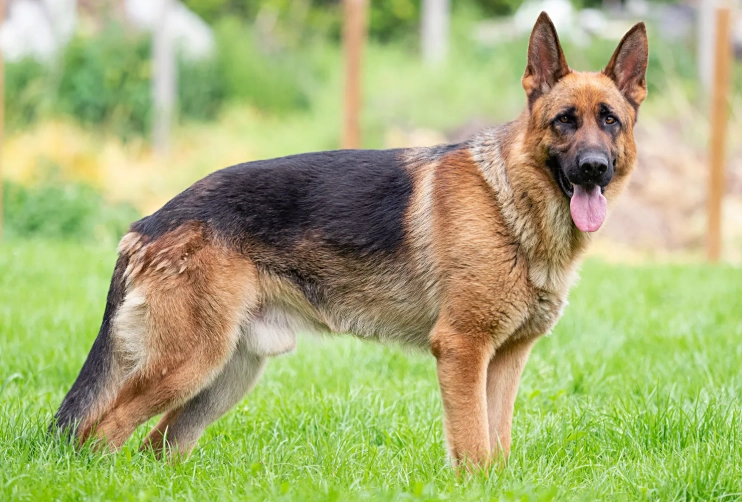
Let me tell you, it's complicated. I've spent years around this breed, talked to breeders, trainers, and owners (the happy ones and the overwhelmed ones), and the picture is never just black and tan. These dogs are a serious commitment. They're not a decorative pet you can just feed and forget. They demand engagement, purpose, and a lot of your time. But if you're the right match, the rewards are incredible. This guide isn't here to sell you on a German Shepherd. It's here to lay out the raw, unfiltered truth so you can decide for yourself if your life has room for one of these magnificent, challenging animals.
Where Did This Dog Even Come From? A Quick History
To understand a German Shepherd, you have to know why they were built. It all started in late 19th century Germany with a cavalry officer named Captain Max von Stephanitz. He wasn't looking to create a cute pet. He wanted the ultimate herding and farm utility dog—smart, tough, obedient, and capable of working all day. He saw a dog named Hektor Linksrhein, was blown away by his ability, bought him on the spot, renamed him Horand von Grafrath, and declared him the first German Shepherd Dog.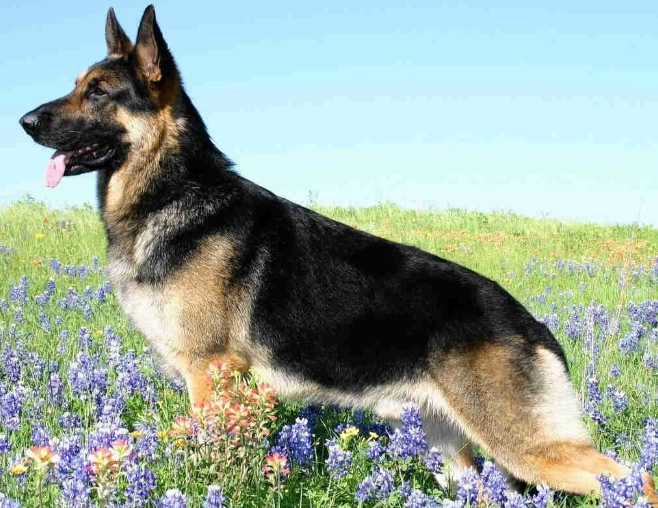
The breed standard was built around utility: a trotting gait that covers ground efficiently, a double coat for all-weather work, a strong jaw, and a temperament that was confident but trainable. The goal was a versatile canine tool. This working-dog DNA is the single most important thing to remember. It explains everything about them—their energy, their need for a job, their potential for anxiety if bored. The American Kennel Club (AKC) first recognized the breed in 1908, and their intelligence and versatility quickly made them stars beyond the farm, in military, police, and service work. You can read the official AKC breed standard to see how form follows function, even today.
The German Shepherd Personality: What Are They Really Like?
Forget the scary guard dog stereotype. That's a trained behavior, not the core temperament. A well-bred, properly socialized German Shepherd should be confident, steady, and alert. They're famously loyal to their family, often forming a particularly strong bond with one person. They can be aloof with strangers—not aggressive, but watchful. They're taking notes.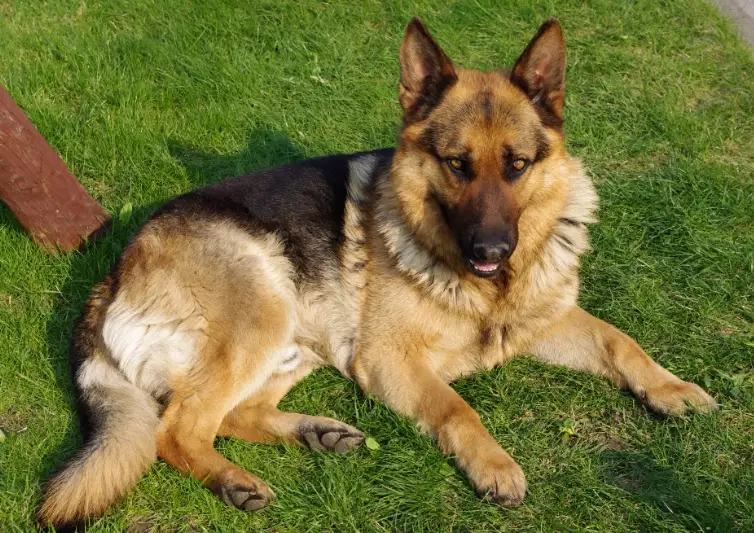
Here's the thing about their intelligence. It's a double-edged sword. Yes, they learn commands frighteningly fast. But they also learn your routines, your weaknesses, and how to get what they want. A bored German Shepherd doesn't just chew a shoe; they might figure out how to open the pantry door and carefully unpack the groceries. Their mind needs a constant stream of engagement.
Are they good with kids? This is a huge question. With their own family children, they can be wonderfully patient and protective. They often see kids as part of their "flock" to watch over. But their herding instinct can kick in—they might try to herd running children by nipping at heels. And their size and exuberance can accidentally knock over a toddler. Supervised, structured interactions are non-negotiable. They're not a plush toy.
The Looks: Show Line vs. Working Line German Shepherds
This is a critical fork in the road for the breed, and it massively affects what kind of dog you get. It's not just about looks.
| Feature | Show Line (AKC Conformation) | Working Line (Schutzhund/IPO) |
|---|---|---|
| Primary Focus | Adherence to visual breed standard for dog shows. | Performance in work/sport (drive, endurance, nerve). |
| Build & Gait | Angulated hindquarters, sloping back, "flying trot." More emphasis on a specific silhouette. | Straighter topline, more athletic build for stamina and joint health. Function over form. |
| Drive & Energy | Generally lower to moderate. Can be more suited to active pet homes. | Typically very high. Needs a job, sport, or intense daily activity. |
| Temperament | Often calmer, more stable as pets. Still requires activity. | Intense focus, higher prey/defense drive. Requires experienced handling. |
| Best For | Active families wanting a classic-looking GSD as a companion. Competitive conformation. | Dog sports (Schutzhund, agility, IGP), serious protection work, very experienced active owners. |
Then there's the coat. You've got the standard double coat (medium length), the long coat (softer, less weather-resistant), and the rare plush coat. All shed. Heavily. Twice a year, it's "blow the coat" season, and you'll have enough fur to build another dog. Regular brushing is a lifestyle, not a suggestion.
Living with a German Shepherd: The Daily Reality Check
Let's get practical. What does a Tuesday look like?
Exercise: Non-Negotiable
Two short walks a day won't cut it. We're talking 1-2 hours of meaningful activity. Not just physical, but mental. A bored German Shepherd is a destructive German Shepherd. Here's what works:
- Running or Hiking: They are born jogging partners. But wait until they're over 18 months to avoid joint damage from pavement pounding.
- Fetch & Tug: Great for burning energy and building engagement with you.
- Mental Games: This is the secret sauce. Nose work (hiding treats), puzzle toys, learning new tricks. A 20-minute training session can tire them out more than an hour of running.
- Dog Sports: Agility, obedience, tracking, bite sports (like Schutzhund/IGP). This is where they truly shine and find fulfillment.
Training: It's a Conversation, Not a Dictation
German Shepherds are famously trainable, but they're not robots. They work with you, not just for you. Positive reinforcement (treats, toys, praise) works wonders because they want to engage. Harsh, punitive methods can break their spirit and create a fearful or resentful dog.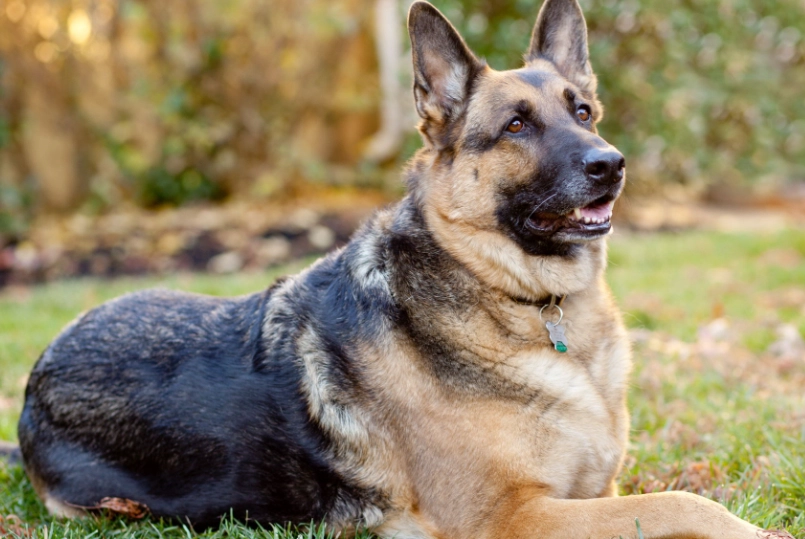
Socialization is part of training. It's not just about meeting other dogs. It's about exposing your puppy (before 16 weeks) to all sorts of sights, sounds, and surfaces in a positive way: umbrellas, vacuums, kids on bikes, loud trucks, different floors. The goal is a confident, neutral dog, not one that's fearful or reactive. The American Veterinary Society of Animal Behavior has great resources on why this early window is so critical.
Obedience basics are the foundation: rock-solid recall, loose-leash walking, sit, down, stay. But with a GSD, you can go so much further. They excel at complex tasks and sequences.
Grooming & Shedding
I'm not going to sugarcoat it. You will have dog hair on everything. A good undercoat rake and a slicker brush are your best friends. Brush 2-3 times a week, daily during shedding season. Baths only every few months unless they get into something nasty—over-bathing strips their natural oils. Don't forget nails, ears, and teeth. Dental chews aren't enough; get them used to tooth brushing early.
Health: What Can Go Wrong and How to Prevent It
This is the somber part. German Shepherds are prone to some serious genetic conditions. Being informed is your first line of defense.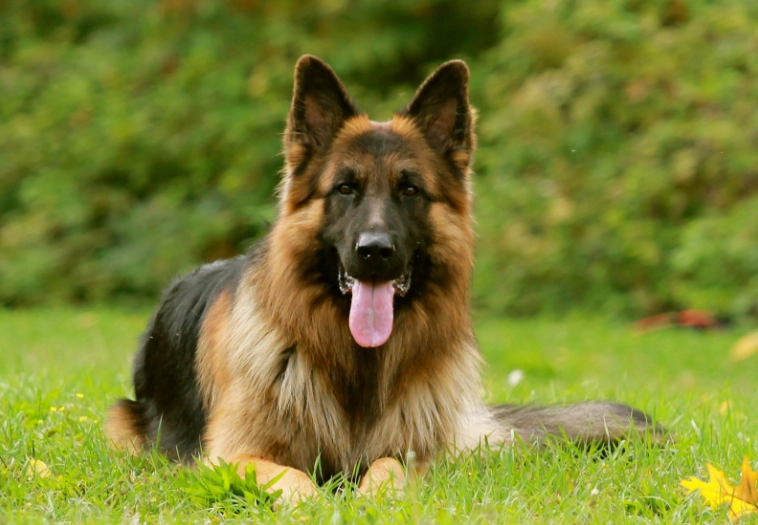
| Health Condition | What It Is | Prevention/Screening |
|---|---|---|
| Hip & Elbow Dysplasia | Malformation of the joints leading to arthritis, pain, and lameness. The #1 concern. | Buy from breeders who OFA or PennHIP certify parents. Maintain lean weight. Provide joint supplements (glucosamine). Avoid high-impact exercise in youth. |
| Degenerative Myelopathy (DM) | A progressive spinal cord disease similar to ALS, leading to paralysis. | Genetic test available. Reputable breeders test parents (DM Clear/Carrier/Affected). |
| Exocrine Pancreatic Insufficiency (EPI) | Pancreas fails to produce digestive enzymes, causing starvation despite eating. | Manageable with powdered enzyme supplements with every meal for life. |
| Bloat (GDV) | Stomach twists, cutting off blood flow. Life-threatening emergency. | Feed multiple small meals, avoid exercise right after eating, know the symptoms (restlessness, unproductive retching). |
| Allergies & Skin Issues | Common, leading to itching, hot spots, and infections. | Work with your vet to identify triggers (food, environmental). High-quality diet helps. |
A responsible breeder will openly share all health clearances for the parents (OFA hips/elbows, DM test, etc.). If they dodge these questions, walk away. You're not buying a couch; you're committing to a living being for 9-13 years. The Orthopedic Foundation for Animals (OFA) website is a public database where you can verify a breeder's claims.
Feeding Your German Shepherd
They need high-quality, large-breed puppy food as youngsters to support controlled growth (rapid growth worsens joint issues). As adults, a protein-rich diet for active dogs is key. The amount varies wildly based on age, activity, and metabolism. Keep them lean—you should easily feel their ribs. An overweight GSD is a disaster waiting to happen for their joints.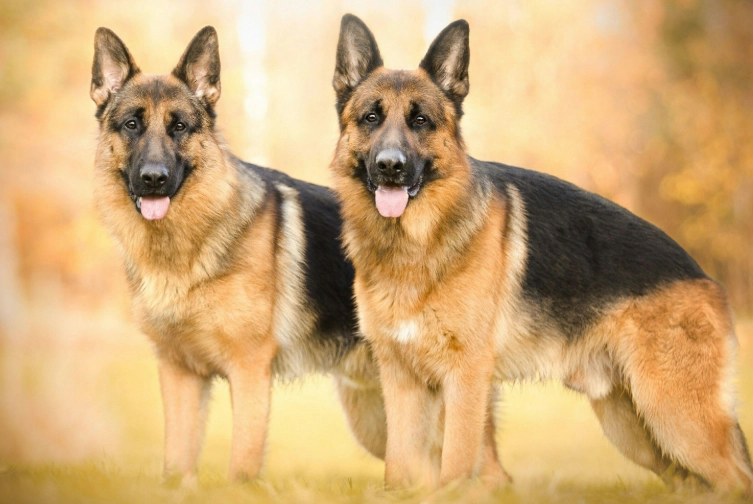
Is a German Shepherd Dog Right for YOU? The Honest Quiz
Ask yourself these questions honestly:
- Time: Can I dedicate 2+ hours most days to exercise and training?
- Lifestyle: Am I active? Do I hike, run, or enjoy outdoor activities?
- Experience: Have I successfully trained and managed strong, smart dogs before?
- Space: Do I have a securely fenced yard? They are not apartment dogs unless you are exceptionally committed.
- Budget: Can I afford premium food, routine vet care, and a potential $5000+ surgery for dysplasia?
- Patience: Can I handle the puppy shark phase (needle teeth!), the adolescent stubbornness, and the constant shedding?
- Plans: Is my life stable for the next decade? Frequent moves or major life upheavals are hard on these sensitive dogs.
If you hesitated on more than one or two, this might not be your breed. And that's perfectly okay. It's better to know now.
Your Next Steps: Finding a Reputable Breeder
If you've passed the quiz and your heart is set, do it right.
- Find the Breed Club: Start with the German Shepherd Dog Club of America breeder referral. These breeders pledge to follow a code of ethics.
- Ask the Hard Questions: What health tests do you do on your breeding stock? Can I see the certificates? Can I meet the mother dog? What is your socialization process for puppies? What support do you offer after I take a puppy home?
- Visit the Facility: See where the dogs live. Are they clean, well-cared-for, and part of the family? Or kept in kennels?
- Expect to Wait and Pay: A well-bred puppy from health-tested lines can cost $1500-$3000+. You'll likely be on a waitlist. Good breeders don't have litters constantly available.
A good breeder will interview YOU just as intensely. They want their puppies in the right homes.
Common Questions People Are Too Afraid to Ask
"Are male or female German Shepherds better?" Less about better, more about different. Males are often larger, more consistently goofy and loyal. Females can be more independent, focused, and sometimes more protective of the home. Spay/neuter timing is a big discussion with your vet—early altering can impact joint development in large breeds.
"How do I stop the barking?" You manage it, not stop it. They are alert barkers. Teach a "quiet" command. Provide enough mental stimulation so they're not bored and barking for entertainment.
"My GSD is scared of everything. What went wrong?" Likely a combination of genetics (from a timid parent) and lack of early, positive socialization. It's a tough road to fix. Work with a certified force-free behaviorist. This is why those early weeks are so crucial.
"Can I leave them alone for 8 hours?" Not as a puppy, and not ideally as an adult. They are social creatures bred to work with people. Long, lonely days lead to separation anxiety and destructive behaviors. Dog walkers or daycare are often necessary costs.
German Shepherds dogs are not a casual choice. They are a project, a partner, and a lifestyle. They will challenge you, frustrate you, cover your house in fur, and cost you money. But for the right person—someone active, engaged, patient, and looking for a deep, working partnership—they can also be the most loyal, intelligent, and rewarding companion you'll ever have. They give back exactly what you put in, multiplied. Don't get one because they look impressive. Get one because you understand what they need and are thrilled to provide it. Your life won't be the same, but if you do it right, it will be infinitely richer.