The Briard Dog: Your Complete Guide to the Heart-Led Guardian
Let's be honest, the first time you see a Briard dog, you might think you've stumbled upon a living, breathing mop. Or maybe a very large, ambulatory teddy bear with a mind of its own. I remember visiting a friend who had one – this massive, shaggy creature named Gus. He didn't bark when I walked in. He just... positioned himself between me and the family, watching. It wasn't aggressive, just... present. A silent, furry sentinel. That's the Briard in a nutshell. They're not just pets; they're a commitment, a lifestyle, and frankly, a ton of hair. But if you're the right person, they might just be the best dog you'll ever have.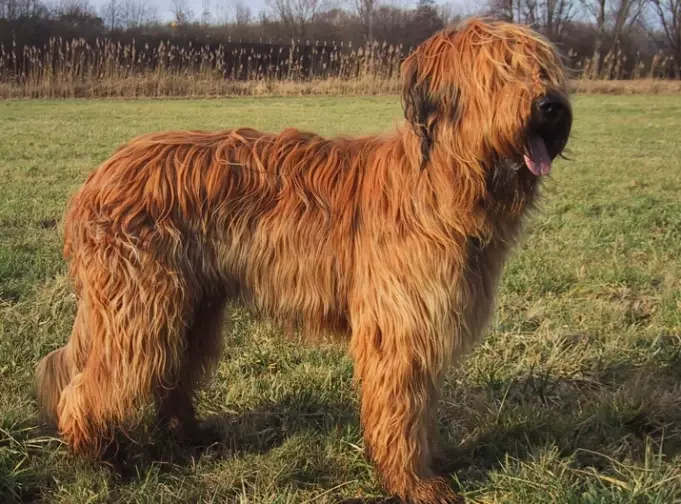
This isn't a quick breed overview. If you're seriously wondering "Is a Briard dog right for me?", you need the full, unvarnished picture. We're going to dig past the adorable photos and get into the real nitty-gritty: the legendary loyalty, the infamous grooming sessions, the need for a job, and that unique, almost human-like intelligence that can either be a blessing or a challenge. I've talked to breeders, owners, and trainers to stitch together what you really need to know before welcoming this heart-led guardian into your home.
Bottom Line Up Front: The Briard is a large, ancient herding breed from France, known for its long, double coat, distinctive "double dewclaws," and a profound, intuitive loyalty. They are intelligent, protective, and form intense bonds with their family. They are not a low-maintenance dog. They require significant grooming, consistent training, and ample mental and physical exercise. They thrive with an active owner who understands canine psychology and has space for a big, thinking dog.
What Exactly Is a Briard? Unpacking the Breed
Okay, so what are we dealing with here? The Briard dog (pronounced bree-ARD) is one of those breeds that feels old. Because it is. Their history stretches back centuries in France, where they were the quintessential farm dog. They weren't just herding sheep; they were guarding the flock, the farm, and the family. This multipurpose role is baked into their DNA. The American Kennel Club classifies them in the Herding Group, which is accurate, but it only tells half the story. They're herders with a strong protective instinct.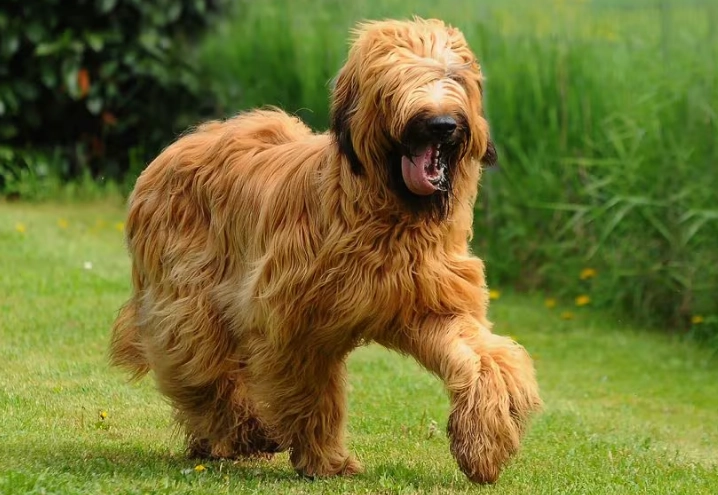
Physically, they're impossible to miss. Males stand 23 to 27 inches at the shoulder, females a bit smaller, but both are solidly built. Their most famous feature is the coat. Oh, the coat. It's a double coat—a fine, tight undercoat and a long, slightly coarse outer coat that can be wavy or straight. It comes in shades of black, various tawns, and grey. But the real kicker is the texture. It's designed to shed water and dirt, which is great for a working dog in a field, but it also means it mats if you look at it wrong. Then there are the feet. Briards have double dewclaws on their hind legs—a required breed standard. They look like little thumbs, and historically, they provided extra traction and stability on rough terrain.
The expression is what gets people. They have hair that falls over their eyes, but they're peeking out, always watching. It gives them a wise, sometimes aloof look. Don't mistake that for disinterest. A Briard dog is processing everything.
So, they're big, hairy, and ancient. Got it. But what's it actually like to live with one?
The Briard Temperament: Loyalty Has a Price
If you want a dog that's independent and aloof with strangers, look elsewhere. If you want a dog that's a velcro-dog, glued to your side, also look elsewhere. The Briard dog exists in a fascinating middle ground. They are profoundly bonded to their "people"—usually one or two individuals in the family. This isn't a casual friendship; it's a deep, emotional connection. They want to be with you, involved in whatever you're doing. Not necessarily on your lap (though some try), but in the same room, aware of your movements.
This loyalty manifests as protectiveness. It's not usually overt aggression. It's more like what I saw with Gus: a quiet, assessing vigilance. They are naturally suspicious of newcomers, which makes early and ongoing socialization non-negotiable. A poorly socialized Briard can become overly fearful or aggressive, which is a disaster with a dog this size and strength. A well-socialized one will be polite but reserved, accepting strangers once you've given the "okay."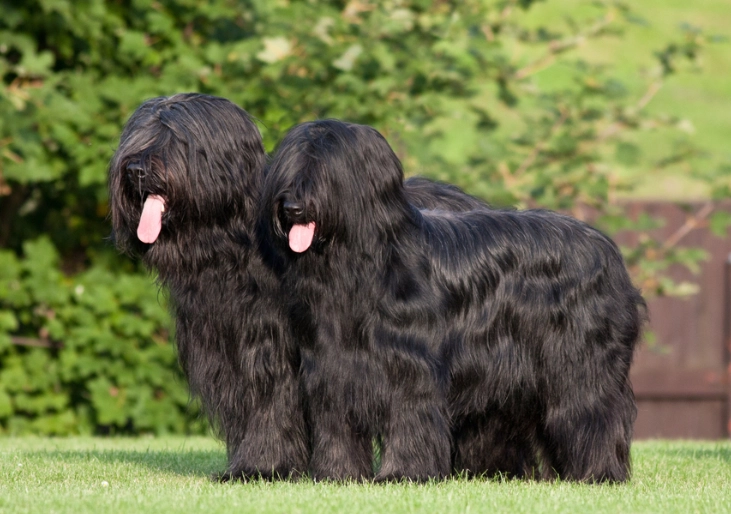
A breeder once told me, "A Briard doesn't give its heart freely. You have to earn it. But once you have it, it's yours forever." That intensity isn't for everyone. It can feel smothering if you're not prepared for it.
They're smart. Really smart. But it's a problem-solving, independent intelligence. They were bred to make decisions on their own while herding miles away from the shepherd. This means they can be stubborn. They'll think about whether your command is worth following. This is why old-fashioned, heavy-handed training methods fail spectacularly with this breed. They resent coercion. You need to be a firm, confident, and consistent leader. Training a Briard is less about obedience and more about building a partnership based on mutual respect. Positive reinforcement, puzzle toys, and varied activities are your best friends.
Briards with Kids and Other Pets
This is a big one. With their own family children, a well-bred, well-raised Briard dog is often incredibly gentle and protective. They have a high tolerance for kid antics. However, their herding instinct is strong. They might try to "herd" running, screaming children by nudging them with their nose or even gently nipping at heels. This needs to be redirected from puppyhood.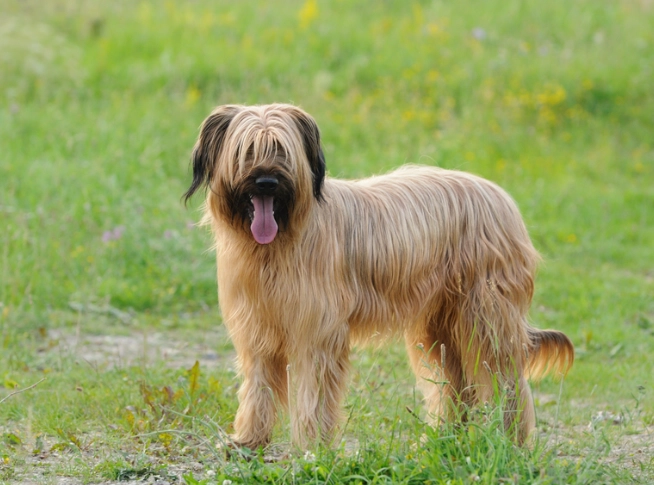
With other pets, it's a mixed bag. They can do fine with other dogs, especially if raised together, but their same-sex dog aggression tendency is something to be aware of. Introducing them to cats or small animals requires careful management, as their prey drive can be triggered. It's not impossible, but it's not automatic either.
The Grooming Elephant in the Room
Let's not sugarcoat this. Grooming a Briard is a part-time job. If you hate brushing, walk away now. That beautiful, flowing coat is a high-maintenance commitment. We're talking a thorough brushing session 2-3 times a week, minimum, and that's for a pet trim. Each session can easily take 30-45 minutes. You need the right tools: a sturdy pin brush, a long-toothed metal comb, and a slicker brush for mats.
The goal is to brush all the way down to the skin. Just skimming the top creates hidden mats underneath (called "pelting") which are painful and can lead to skin infections. Pay special attention to high-friction areas: behind the ears, under the armpits, the belly, and the "pants" on the hind legs.
Pro Tip from a Groomer: Start handling your Briard puppy's feet, face, and ears daily. Make grooming a positive, calm ritual with lots of treats. An adult Briard who isn't used to being handled is a 90-pound wrestling match nobody wins.
Many owners opt for a professional groomer every 6-8 weeks for a bath, blow-out, and trim. This is a significant ongoing expense. You can learn to do it yourself, but it's a skill. Bathing at home is an epic undertaking. You have to fully saturate that dense double coat, which takes forever, and then dry it completely to prevent mildew and mats. A high-velocity dryer is almost a necessity.
Here’s a quick comparison of coat care versus some other popular long-haired breeds:
| Breed | Coat Type | Brushing Frequency | Professional Grooming Needed? | Shedding Level |
|---|---|---|---|---|
| Briard | Long, double, coarse | 2-3 times per week (extensive) | Highly recommended every 6-8 weeks | Moderate (seasonal blowout) |
| Golden Retriever | Medium, double, soft | 2-3 times per week | Occasional | Heavy |
| Old English Sheepdog | Long, double, shaggy | Daily to every other day | Essential every 4-6 weeks | Moderate |
| Collie (Rough) | Long, double | 2-3 times per week | Occasional | Heavy |
See? It's a serious commitment. The coat also means they are not ideal for very hot climates unless you keep them indoors in AC.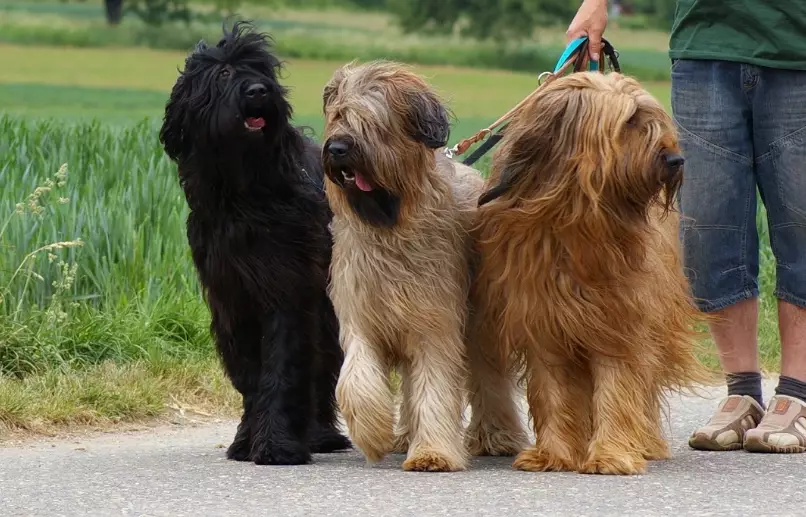
Training Your Briard: It's a Conversation, Not a Dictation
Remember that independent intelligence? It makes training fascinating but never boring. You can't just repeat "sit" 50 times. They get bored. They need to understand the why. Early puppy socialization classes are an absolute must. Expose them to all sorts of people, places, sounds, and surfaces in a positive way. This builds their confidence and curbs that natural wariness.
Obedience training is crucial for control. Focus on the basics: sit, down, stay, come, and loose-leash walking. A Briard dog that pulls on a leash is like trying to stop a woolly locomotive. "Come" is a critical command, but it can be a challenge because if they're following a scent or guarding something, their instinct might override you. High-value rewards and making yourself more interesting than the environment are key.
Beyond basics, they excel at activities that engage their mind and body. They are brilliant at:
- Herding: It's in their blood. Instinct tests and herding trials are a fantastic outlet.
- Agility: They are athletic and nimble, though their size can be a slight disadvantage on some courses.
- Obedience & Rally: They can excel in advanced obedience if the training is engaging.
- Nosework/Scent Work: Tapping into their incredible sense of smell is both tiring and satisfying for them.
- Therapy Work: Once properly socialized, their calm, observant nature can make them excellent therapy dogs.
The worst thing you can do is let a Briard dog get bored. A bored Briard is a destructive Briard. They will find a job, and you probably won't like the one they choose (like "redecorating" your couch).
Health and Lifespan: What to Watch For
Generally, the Briard is a robust breed with a lifespan of 10-12 years. But like all purebreds, they have some predispositions to certain health conditions. Responsible breeders screen their breeding stock for these issues. The VCA Animal Hospitals network provides great overviews of many canine health conditions, which is a good resource to understand the terminology.
Key health screenings for Briards should include:
- Hip Dysplasia: A common orthopedic issue in large breeds. Ask for OFA or PennHIP certification from the breeder.
- Eye Conditions: Progressive Retinal Atrophy (PRA) and Cataracts. Breeders should have dogs tested annually by a veterinary ophthalmologist with certification from the Canine Eye Registration Foundation (CERF).
- Cardiac Issues: Some lines can be prone to certain heart conditions. A cardiac exam is recommended.
- Bloat (Gastric Dilatation-Volvulus): This is a life-threatening emergency common in deep-chested breeds like the Briard. Knowing the symptoms (restlessness, unproductive retching, distended abdomen) and having a plan is critical. Feeding multiple small meals a day and avoiding vigorous exercise around mealtimes can help reduce risk.
It's also worth noting that some Briards can be sensitive to certain medications, particularly Ivermectin (found in some heartworm preventatives). Always inform your vet of your dog's breed.
When talking to breeders, a good one will proudly show you their health clearances. If they brush it off or say "my dogs are healthy," that's a major red flag. The paperwork matters.
Is a Briard Dog Right For You? The Honest Checklist
Let's cut to the chase. Don't get a Briard if:
- You want a low-maintenance dog.
- You're rarely home or travel frequently.
- You have a pristine, white-carpeted home.
- You're a first-time dog owner (generally not advised).
- You want an instantly friendly "everyone's buddy" dog.
- You're not prepared for significant grooming and vet expenses.
A Briard dog could be a fantastic fit if:
- You lead an active lifestyle and want a canine partner for hikes, runs, or sports.
- You have experience with intelligent, strong-willed dogs.
- You understand and appreciate canine protective instincts (and will manage them responsibly).
- You have the time, patience, and budget for extensive grooming.
- You want a uniquely devoted, "once-in-a-lifetime" kind of bond with a dog.
- You have a house with a secure yard (apartment living is possible but very challenging).
It's a big list. This isn't an impulse-buy dog.
Finding a Briard: Breeder vs. Rescue
If you decide to move forward, your next step is finding your dog. The best place to start is the Briard Club of America. Their website has breeder referrals and a code of ethics. A reputable breeder will:
- Ask you as many questions as you ask them.
- Show you health clearances for both parents.
- Raise puppies in their home, with early socialization.
- Have a contract that includes a health guarantee and a clause requiring you to return the dog to them if you can't keep it.
- Let you meet the mother dog (and ideally the father).
Expect to be on a waiting list. Good breeders don't have litters constantly.
Consider rescue. Breed-specific rescues like those affiliated with the Briard Club of America often have wonderful dogs of all ages who need a second chance. An adult dog's personality is already known, which can be a great advantage. The grooming needs and energy level will be the same, but you might skip the puppy shark phase.
Your Briard Questions, Answered
Are Briard dogs good apartment dogs?
It's a tough ask. They are large, energetic, and have a loud, deep bark. They can adapt to apartment life if their exercise and mental stimulation needs are met without fail. This means multiple long walks, trips to a dog park or secure field, and indoor training games. A sedentary life in an apartment is a recipe for frustration and behavioral issues.
How much exercise does a Briard really need?
More than you think. A leisurely walk around the block won't cut it. Aim for at least 60-90 minutes of dedicated activity daily. This should be a mix of physical exercise (running, hiking, fetch) and mental exercise (training sessions, puzzle toys, nosework). A tired Briard is a good Briard.
Do they shed a lot?
They shed moderately, but it's often trapped in their long coat until you brush it out. They have a seasonal "blow" where they shed their undercoat more heavily. During those times, brushing becomes a daily necessity. You will find hair around, but it's not like a Husky or German Shepherd.
Are Briards aggressive?
They are not inherently aggressive. They are inherently protective and reserved. Without proper socialization and training, that protective instinct can tip into fear-based or territorial aggression. In the right hands, they are stable, discerning guardians, not indiscriminate biters.
What's the biggest challenge of owning a Briard?
Owners consistently point to two things: the grooming commitment and managing their intelligence. The grooming is a sheer time and effort sink. The intelligence means you can never be on autopilot; you have to be an engaged, thoughtful leader every single day. You can't just own a Briard; you have to partner with one.
Final Thoughts
The Briard dog isn't a breed you just "get." It's a breed you choose, with eyes wide open. They demand a lot: your time, your energy, your patience, and your understanding. The grooming is relentless. The stubborn streaks can be infuriating. That deep stare can feel unnerving at times.
But in return, they give you something rare. A bond that feels less like pet ownership and more like a profound partnership. A silent, shaggy presence that makes you feel safer just by being there. A clever mind that surprises you daily. They are dogs with soul, with history in their gait and purpose in their heart.
If you look at the grooming schedule and think "I can handle that," and you look at the training advice and think "That sounds like a fun challenge," then you might just be the right person. You'll need a good vacuum, a stash of high-value treats, a sense of humor, and a lot of love. If you can offer that, a Briard might just offer you a loyalty so deep it redefines what you thought was possible with a dog.
Just be ready for the hair. Seriously. So much hair.