Do Dogs Have Night Vision? The Complete Guide to Canine Eyes in the Dark
Have you ever watched your dog trot confidently through a dark backyard, seemingly unbothered by the lack of light, while you're struggling to see your own feet? It's a scene that makes most dog owners wonder: do dogs have night vision? The short answer is no, not in the way night vision goggles work. But the real answer is so much more interesting. Dogs don't see in pitch-black darkness, but their eyes are masterfully adapted for low-light conditions, far surpassing our own abilities. It's one of the coolest evolutionary tricks they have. I've had dogs my whole life, and watching my current Labrador navigate a dimly lit room without bumping into furniture still feels like a minor superpower.
Understanding this isn't just trivia. It affects how we care for them—from choosing the right time for evening walks to setting up a safe home environment for a senior dog whose sight might be fading. If you've ever worried about your pup being outside at dusk or wondered why they sometimes stare intently at nothing in the dark, this guide is for you. We're going to peel back the layers of the canine eye, bust some myths, and give you practical advice you can actually use.
The Anatomy of a Dog's Eye: Built for the Dim Light
To get why dogs see better than us at night, you have to look under the hood. Their eye structure is different from ours in a few key ways. It's not better or worse overall—it's just specialized for different tasks. While we primates evolved to see vibrant colors and sharp details in daylight (handy for spotting ripe fruit), dogs evolved as crepuscular hunters, most active at dawn and dusk. Their eyes reflect that history perfectly.
The Powerhouse: Rods and the Tapetum Lucidum
Two components do the heavy lifting for canine night vision.
First, the retina (the light-sensitive layer at the back of the eye) is packed with photoreceptor cells called rods. Rods are excellent at detecting light, motion, and shape in low-light conditions, but they don't do color. Dogs have a much higher density of rods compared to humans. According to research compiled by the American Veterinary Medical Association (AVMA), the canine retina is dominated by rods, which is the primary anatomical reason for their low-light prowess.
Second, and this is the really flashy part, dogs have a structure behind their retina called the tapetum lucidum. This is a reflective layer that acts like a mirror. It bounces light that passes through the retina back through it a second time, giving the rod cells another chance to absorb the photons. This effectively doubles the available light for the dog to see by. It's also what causes that eerie, glowing "eye-shine" when light hits your dog's eyes in the dark—usually green, yellow, or blue. The American College of Veterinary Ophthalmologists (ACVO) notes the tapetum is a standard feature in the eyes of many nocturnal and crepuscular animals.
Think of it this way: Your dog's eye is like a camera with a super-sensitive sensor (lots of rods) and a built-in light amplifier (the tapetum lucidum). Your camera has a better megapixel count for detail and color, but theirs wins in a dark room every time.
Trade-offs: What Dogs Sacrifice for Low-Light Ability
This specialization comes with compromises. You can't have it all. The high rod count and the presence of the tapetum mean there's less room for cones, the photoreceptors responsible for color vision and visual acuity (sharpness).
So, while dogs do have night vision advantages, they see the world in a blurrier, less colorful way than we do. Their color spectrum is limited mostly to blues and yellows (they're essentially red-green colorblind). Their visual acuity is also lower—what a human with perfect vision can see clearly at 75 feet, a dog would need to be 20 feet away to see with the same clarity. It's a trade-off evolution made: detail and color for the ability to detect the slightest movement in near-darkness.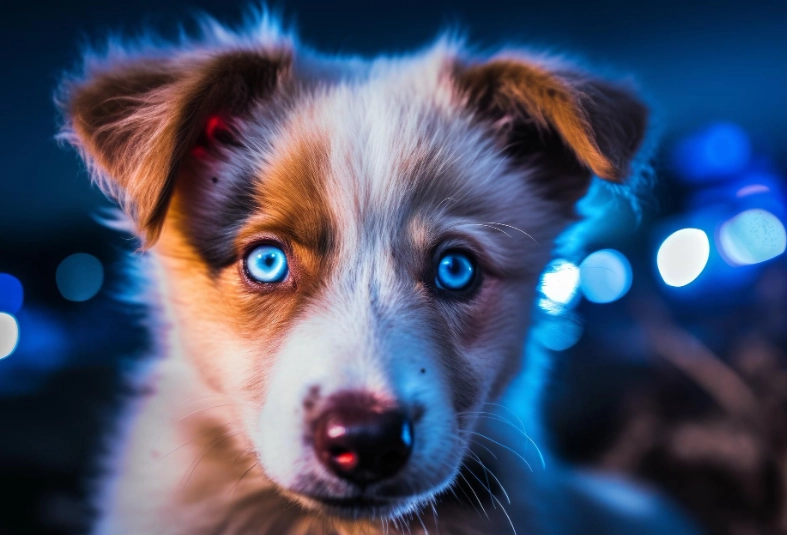
Dog Vision vs. Human Vision in Low Light: A Side-by-Side Look
It's hard to imagine what another creature sees. This table breaks down the key differences between how we see and how our dogs see, especially when the lights go down.
| Feature | Human Vision | Canine Vision |
|---|---|---|
| Primary Photoreceptor | Cones (for detail & color) | Rods (for light & motion) |
| Tapetum Lucidum | No | Yes (causes eye-shine) |
| Low-Light Sensitivity | Poor. We need a fair bit of light to see well. | Excellent. Estimated to be 5-6 times better than humans. |
| Color Vision | Trichromatic (full color spectrum) | Dichromatic (mainly blues, yellows, grays) |
| Visual Acuity (Sharpness) | 20/20 is standard | Approximately 20/75 to 20/80 |
| Field of View | ~180 degrees | ~240-250 degrees (better peripheral vision) |
| Motion Detection | Good | Exceptional, especially in low light |
See that difference in sensitivity? It's huge. When you're fumbling around at night, your dog is perceiving a much brighter, more detailed (in terms of light and shadow) world. That's why they can find their toy in a shadowy corner or spot a squirrel moving in a dimly lit tree. Their world doesn't go black when the sun sets; it just becomes a different, grainier picture where movement is king.
Breed Differences: Not All Dogs See the Dark Equally
Here's something many generic articles miss: breed matters. A lot. The shape of a dog's head and the position of their eyes significantly impact their visual field and possibly their low-light adaptation. Through years of selective breeding for specific jobs, we've accidentally tweaked their vision too.
Sighthounds like Greyhounds and Salukis, bred to chase prey over open terrain, often have eyes set more to the sides for a wider field of view. This might give them an edge in detecting peripheral motion at dusk. Brachycephalic (flat-faced) breeds like Pugs and Bulldogs, with their prominent eyes, can have more exposed ocular surface and different retinal structures, sometimes making them more prone to eye issues that could affect vision in all conditions. It's a trade-off I'm not a huge fan of, to be honest, as those eye problems can be serious.
Then you have working breeds historically used at night or in dark dens. Terriers, bred to go after rodents underground, might have instincts honed for dark spaces, but that's more about courage and smell than a biological upgrade to their eyes. There's no definitive "night vision breed" ranking, but anatomy suggests some are better equipped than others.
A Dog Night Vision "Capability" Spectrum
Based on head shape, historical purpose, and common ocular traits, we can loosely group breeds. Remember, individual health is the biggest factor.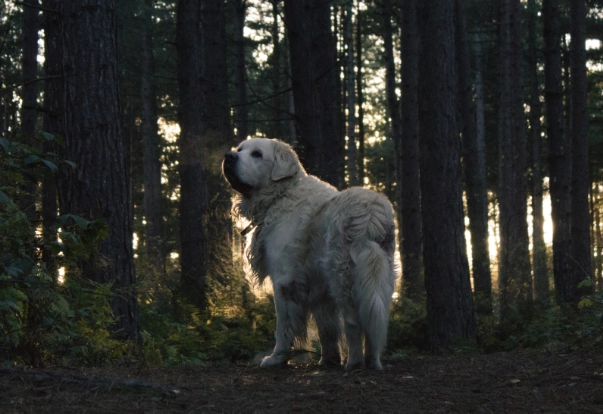
Generally Well-Adapted: Breeds with longer snouts and traditionally used in varied light conditions often have good all-around vision. Think Labrador Retrievers, German Shepherds, Collies. Their eye structure is closer to the "ancestral" wolf blueprint, optimized for versatility.
Specialized for Wide-Area Scanning: Sighthounds (Greyhounds, Whippets, Borzois). Their wider-set eyes maximize peripheral motion detection, which is crucial in low light when prey might be a moving silhouette.
Potentially More Challenged: Brachycephalic breeds (French Bulldogs, Boston Terriers, Pekingese). Their eye conformation can lead to issues like corneal exposure or difficulty draining tears, which doesn't directly hurt low light vision but makes overall eye health a higher priority. Senior dogs of these breeds may struggle more in the dark.
Practical Implications: Keeping Your Dog Safe After Dark
Knowing your dog has an advantage in dim light is one thing. Applying that knowledge is another. Here’s how this affects everyday life with your pup.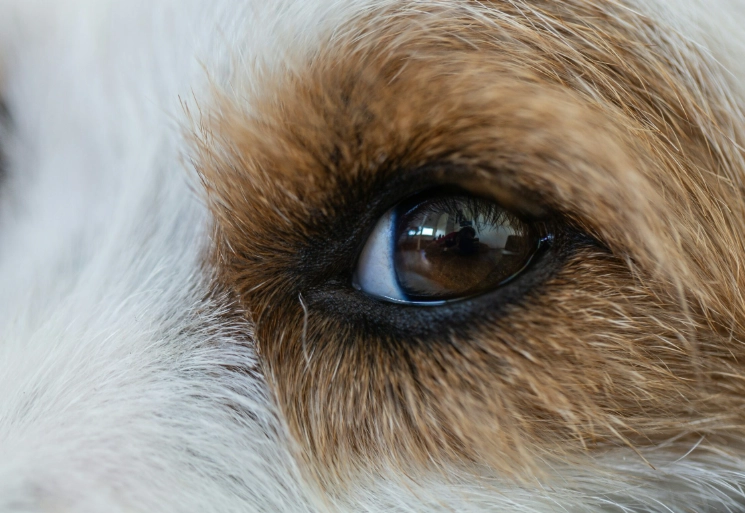
Evening and Night Walks
Your dog can probably see the path better than you can. But that doesn't mean they're invincible. Modern hazards are often visual traps for them too.
- On-Leash Control: Their superior motion detection means they might spot a cat or raccoon you completely miss. A secure leash prevents a dangerous chase into darkness or traffic.
- Reflective Gear is Non-Negotiable: While your dog can see in low light, drivers cannot see your dog. A reflective collar, leash, or harness is crucial. I even use a little LED clip-on light for my black Lab on late walks—it makes me feel much safer. It’s for the humans in cars, not for him.
- Stick to Familiar Routes: In an unfamiliar park, their night vision won't help them avoid a sudden hole or obstacle they've never encountered. Familiarity lets them use their memory alongside their sight.
At Home in the Low Light
As dogs age, they often develop conditions like nuclear sclerosis (a normal hardening of the lens) or cataracts, which can diminish their sight. Their night vision is often the first to go.
- Avoid Rearranging Furniture: Your senior dog navigates by memory and sight. Moving the coffee table creates a hazard they might not see in the dim evening light.
- Use Night Lights: A simple, soft plug-in night light in hallways or near their bed and water bowl can make a world of difference for an older dog. It’s a cheap and effective kindness.
- Mind the Stairs: Stairs can be tricky in low light, especially for older or depth-perception-challenged dogs. A gate or ensuring a light is on is a good precaution.
Can You Improve Your Dog's Night Vision? Fact vs. Fiction
You'll find all sorts of supplements and claims online about boosting canine eyesight. Let's be real about what works.
The Big Myth: "This supplement will give your dog better night vision!" You cannot fundamentally alter the anatomy of your dog's eye. You cannot add more rods or enhance the tapetum lucidum with a pill. Any product claiming to do so is misleading you.
What you can do is support overall eye health, which helps maintain their natural abilities for as long as possible. Think of it as maintenance, not an upgrade.
- Antioxidants are Key: Nutrients like Vitamin A, Vitamin E, Lutein, and Zeaxanthin are vital for retinal health. These are often found in high-quality commercial dog foods. The AKC Canine Health Foundation funds research into how nutrition impacts canine health, including vision. Always talk to your vet before adding any new supplement.
- Regular Vet Check-ups: Annual exams should include a look at your dog's eyes. Early detection of conditions like cataracts, glaucoma, or retinal diseases is the best way to preserve vision.
- Keep Their Eyes Clean: Gently wiping away discharge (with a vet-approved product) prevents irritation and potential infection that could cloud their vision.
The best thing for your dog's vision is good genes, a healthy diet, and preventive care. No magic pills required.
Common Questions About Dogs and Night Vision
Let's tackle some of the specific things people search for. You've probably wondered some of these yourself.
Why do my dog's eyes glow green in the dark?
That's the tapetum lucidum in action! The color of the glow (green, yellow, blue, or even orange) varies by breed, individual, and the angle of the light. It's the light reflecting off that built-in mirror.
Can dogs see in complete, pitch-black darkness?
No. No animal can see in absolute darkness with no light source whatsoever. Dogs need at least some ambient light—starlight, moonlight, a distant streetlight—to utilize their enhanced rods and tapetum. In a sealed, lightless room, they'd be as blind as we are. But they need far, far less light than we do to form a useful image.
My dog seems scared to go out at night. Doesn't he see well?
Vision is just one sense. Fear at night is often less about sight and more about sound, smell, or past experience. Unfamiliar noises are amplified at night. A negative experience (like being startled by something) in the dark can create lasting anxiety. Their night vision gives them a visual picture, but it doesn't turn off their other emotions or instincts.
Do puppies have better night vision than adult dogs?
Their eyes and visual system are still developing after birth. Puppies' eyes open around two weeks old, and their vision continues to mature for several weeks. An adult dog in good health will have fully developed and optimal low light vision. Senior dogs may experience a decline.
Is it cruel to leave a dog in a dark room?
Not inherently, if it's a safe, familiar space like a crate or bedroom at bedtime. Dogs sleep a lot and are naturally crepuscular, so darkness is fine for resting. The cruelty would be confinement in an unsafe or terrifying dark environment. A night light for an anxious or senior dog is a simple act of kindness, though.
Final Thoughts: Embracing Your Dog's Unique View of the World
So, do dogs have night vision? Not like a piece of military tech, but they possess a biological low-light amplification system that puts our human eyes to shame. It's a beautiful adaptation that explains so much of their behavior—from that intense stare into the backyard at dusk to their uncanny ability to find a black toy on a dark carpet.
The key takeaway is respect for their abilities and their limitations. Respect their advantage by understanding they see movement and shapes in the dim light that you can't, which might explain sudden alertness. Respect their limitations by not assuming they see everything clearly, especially as they age or in unfamiliar settings. Use reflective gear, consider night lights, and keep up with vet visits.
At the end of the day, we share our homes with creatures that perceive the world differently. Unpacking the mystery of dog night vision is a step toward understanding our furry companions a little better. And that always makes the bond stronger. Now, next time you see those glowing eyes in your hallway at night, you'll know exactly what's going on behind them.