The Ultimate Guide to Kennel Cough in Dogs: Symptoms, Treatment & Prevention
If you've ever heard your dog make a sound like they're trying to hack up a hairball, but nothing comes out, you know that instant pang of worry. That's often the first sign many owners notice. Kennel cough in dogs is one of those things you hear about, maybe from your vet or another dog owner at the park, but when it's your own pup making that awful noise, it feels completely different.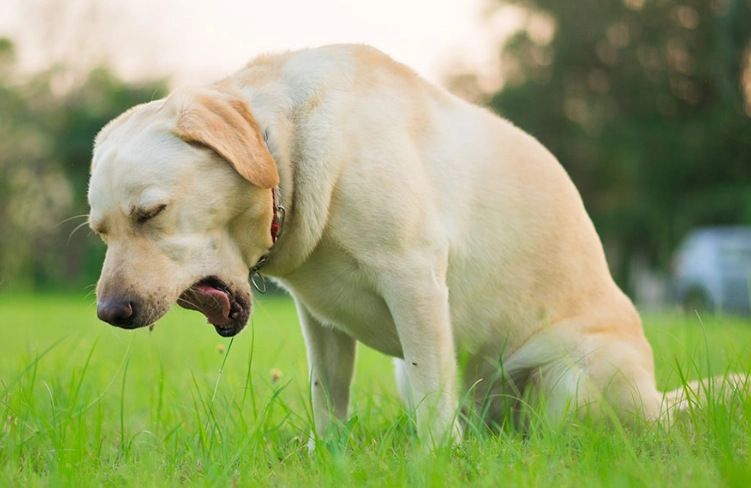
Let's talk about what it really is. The technical name is Canine Infectious Respiratory Disease Complex (CIRDC), which is a mouthful, so everyone just calls it kennel cough. It's not just one bug, you see. It's usually a mix of a virus (like canine parainfluenza) and a bacteria called Bordetella bronchiseptica teaming up to irritate your dog's windpipe and voice box. Think of it like a bad cold for dogs, but centered in their throat and upper airways.
The Core Idea: Kennel cough is highly contagious and causes a persistent, dry cough. It's rarely life-threatening for healthy adult dogs but can be miserable for them and worrying for you. Puppies, seniors, and dogs with other health issues need closer attention.
Spotting the Signs: Is It Really Kennel Cough?
You can't diagnose this yourself for sure—that's the vet's job—but you can be a really good detective. The classic symptom is that forceful, honking cough. It often sounds worse than it is, and it usually comes in fits, especially when the dog gets excited, pulls on their collar, or after they've been resting.
But here's the thing I learned when my own dog, a sturdy Labrador mix, came down with it a few years back. It wasn't just the cough. He was totally fine in himself at first—eating, playing, full of energy. That's what threw me. I expected him to be lethargic. That's a key point: many dogs with a mild case of kennel cough act completely normal apart from the coughing.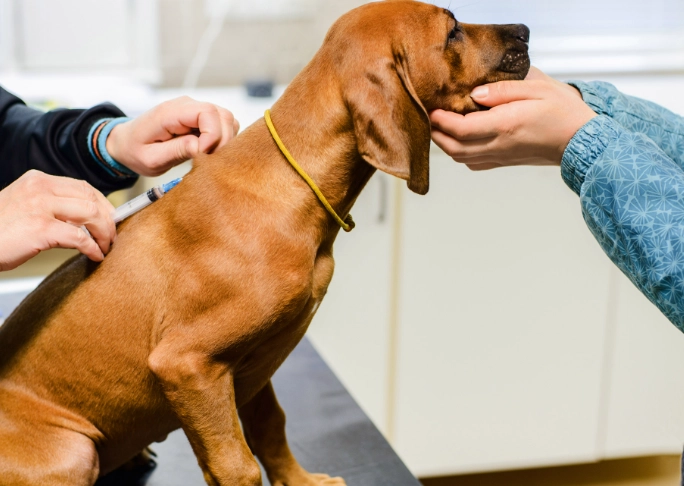
The Symptom Checklist
Look out for this combination:
- The Signature Cough: A dry, hacking, or honking sound. It often ends with a gag or retch, like they're trying to clear something.
- No (or Minimal) Systemic Illness: Appetite and energy levels are often unchanged, especially early on.
- Possible Secondary Signs: In some cases, you might see a runny nose, sneezing, or eye discharge. If it progresses, a dog might develop a mild fever or become less interested in food.
Red Flags – Time to Call the Vet Immediately: If the cough becomes moist or productive (sounding phlegmy), if your dog is lethargic, off their food, has trouble breathing, or has a fever, it's no longer a simple case. These can be signs of pneumonia, which is a serious complication of kennel cough in dogs. Don't wait.
So why does the cough sound so dramatic? The infection causes inflammation of the trachea (the windpipe). It becomes super sensitive, so even a little bit of excitement or pressure from a collar can trigger a coughing fit. It's a raw, tickly feeling for them.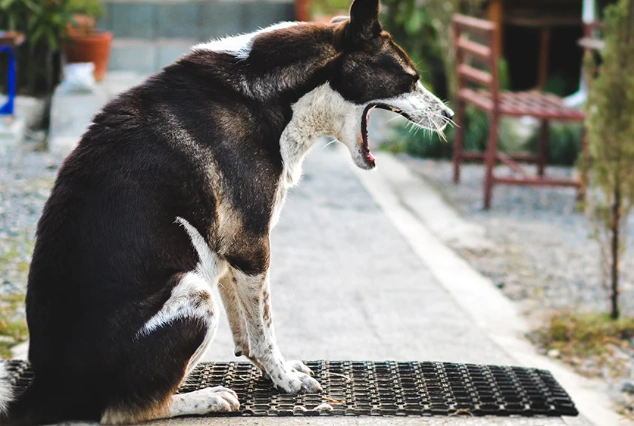
How Do Dogs Catch It? (It's Not Just Kennels)
The name "kennel cough" is actually a bit misleading. It makes it sound like you only have to worry if you board your dog. Not true at all. My dog caught it after a particularly social weekend at the local dog park.
The germs spread through the air in tiny droplets (from coughing or sneezing) and through direct nose-to-nose contact. It's incredibly contagious. Think about all the places dogs sniff each other:
- Dog parks (the biggest culprit in my experience)
- Training classes
- Grooming salons
- Veterinary clinic waiting rooms
- Even just meeting other dogs on walks
Anywhere dogs congregate is a potential spot for transmission. The incubation period is usually 2 to 10 days after exposure, so you might not connect the dots right away.
What Will the Vet Do? Understanding Treatment Options
You've heard the cough, you're worried, and you've decided to see the vet. Good call. What happens next? For a typical, uncomplicated case of kennel cough in dogs, the approach is often supportive. The body can fight it off on its own, but we help it along and make the dog more comfortable.
The vet will listen to your dog's lungs very carefully with a stethoscope. This is crucial to rule out that dreaded complication: pneumonia. If the lungs sound clear, they'll likely diagnose based on the history (recent contact with other dogs) and that characteristic cough.
The Treatment Toolkit
Treatment isn't always a one-size-fits-all antibiotic. Since it's often viral at the start, antibiotics don't touch that part. They might be prescribed if a bacterial infection is suspected or if the dog is very young, old, or at risk.
| Treatment Type | What It Is & When It's Used | My Notes/Considerations |
|---|---|---|
| Cough Suppressants | Medications like hydrocodone or butorphanol to calm the cough reflex. Used to give the inflamed trachea a break and let the dog (and you) sleep. | These can be a game-changer for nighttime. Without them, the constant coughing can really wear a dog down. |
| Anti-inflammatories | NSAIDs or steroids to reduce swelling and irritation in the airways. This can make breathing more comfortable. | Vets are cautious with steroids as they can suppress the immune system. Usually reserved for severe cases. |
| Antibiotics | Target the Bordetella bacteria. Commonly used are doxycycline or azithromycin. Not always needed for mild cases. | If prescribed, finish the entire course even if your dog seems better. Stopping early can lead to relapse. |
| Supportive Care & Rest | The most critical part. No rigorous exercise, lots of quiet time, and a stress-free environment for 1-2 weeks. | This is the hardest part for an energetic dog! But it's non-negotiable for recovery. |
One thing my vet stressed was hydration. Keeping the throat moist helps soothe the cough. I started adding a bit of warm water or low-sodium chicken broth to his kibble, and I made sure his water bowl was always full.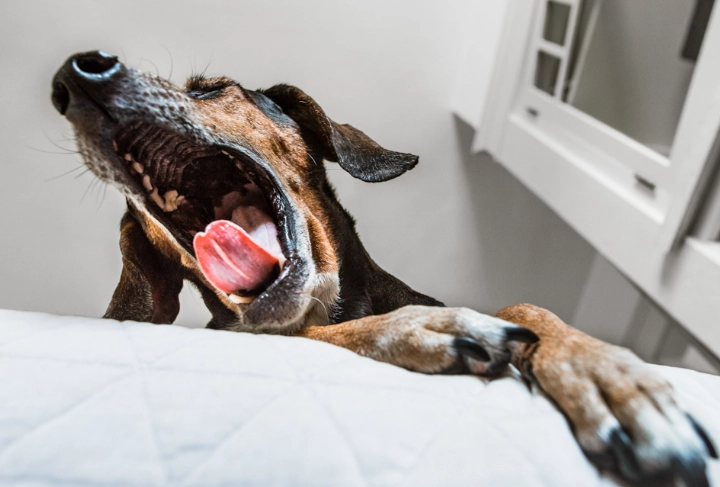
Home Care: What You Can Do to Help Your Dog Feel Better
The vet visit gives you a plan, but the real work happens at home. Managing kennel cough in dogs is about comfort and patience.
Top Home Comfort Tips:
- Ditch the Collar: Switch to a harness immediately. Pressure on the throat from a collar is a major trigger for coughing fits.
- Humidify the Air: Run a humidifier in the room where your dog sleeps. A steamy bathroom (let the shower run hot with the door closed for a few minutes) can also provide relief.
- Soothing Treats: A little bit of honey (a quarter teaspoon for small dogs, half for mediums, a full teaspoon for large breeds) can coat and soothe the throat. Note: Never give honey to puppies under one year old.
- Keep It Calm: Cancel playdates, avoid exciting walks, and skip the dog park. Short, gentle leash walks for bathroom breaks only. Mental stimulation (like a frozen Kong) can help a bored dog.
- Isolate at Home: If you have other dogs, try to keep the sick one separate for at least 10-14 days. It's tough, but it prevents the whole household from getting it.
How long does it last? Most dogs start to improve within a week, but that nagging cough can linger for two or even three weeks. It's frustrating, but it's normal. The inflammation just takes time to heal completely.
Patience is key.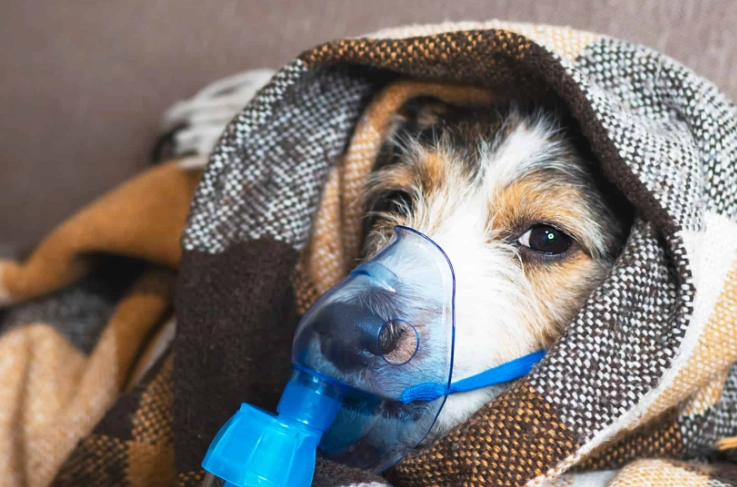
The Vaccine Debate: To Vaccinate or Not?
This is a hot topic. The bordetella vaccine is what people call the "kennel cough vaccine." Let's be clear: it's not a silver bullet. It doesn't guarantee 100% protection because so many pathogens can cause CIRDC. But it's a very useful tool.
Think of it like the human flu shot. It might not stop all strains, but it can make the illness much milder if your dog does catch something. Many boarding facilities, groomers, and daycares require it for a good reason—it helps reduce the severity and spread in high-risk settings.
Types of Kennel Cough Vaccines
- Intranasal: Squirted up the nose. Provides the fastest protection (often within 3-5 days) because it creates immunity right at the site of infection. Can cause some sneezing for a day or two.
- Oral: Given by mouth. A newer, easy option that also creates good local immunity.
- Injectable: The traditional shot. Takes longer to become effective (usually a week or more) and may not create as strong of a local barrier in the airways, but it's a good option for dogs who won't tolerate the nasal spray.
The American Veterinary Medical Association (AVMA) considers the bordetella vaccine a "non-core" vaccine, meaning it's recommended based on lifestyle risk. If your dog is a social butterfly, your vet will likely recommend it.
How often? The traditional schedule is every 6 to 12 months, depending on the product and your dog's exposure risk. Some high-traffic daycares insist on every 6 months. Have an honest chat with your vet about your dog's habits.
When Kennel Cough Gets Serious: Recognizing Complications
Most cases are straightforward. But we can't ignore the potential for things to go south. The main danger is the infection moving down into the lungs, causing pneumonia. This is more common in the very young, the old, or dogs with compromised immune systems (like those with untreated heart disease).
Signs that simple kennel cough is turning into something more serious include:
- Lethargy and depression (a big shift from acting normal)
- Loss of appetite
- A moist, productive cough
- Labored or rapid breathing
- Fever (a dog's normal temp is 101-102.5°F; anything over 103°F is a concern)
- Nasal discharge that is thick, yellow, or green
If you see any of these, it's an immediate vet revisit. Pneumonia requires aggressive treatment, including specific antibiotics, sometimes IV fluids, and in severe cases, hospitalization for oxygen therapy. The American Animal Hospital Association (AAHA) provides guidelines that vets follow for managing these more severe respiratory infections.
Don't panic, but do be vigilant.
Your Kennel Cough Questions, Answered
I've gotten a ton of questions from other owners over the years. Here are the big ones.
Can humans catch kennel cough from dogs?
This is the number one question. The risk is extremely low for healthy people. The primary bacteria, Bordetella bronchiseptica, is very species-specific. However, there have been extremely rare cases in people with severely compromised immune systems (like those undergoing intense chemotherapy). For the vast majority of us, it's not a concern. You don't need to quarantine from your dog, but good hygiene (washing hands) is always smart.
How long is a dog with kennel cough contagious?
They can start shedding the germs even before they show symptoms. Generally, they are considered contagious for 10 to 14 days after the cough starts, or until all symptoms have completely resolved. This is why vets recommend a two-week isolation period from other dogs.
Are some breeds more susceptible?
Not really to the infection itself, but brachycephalic breeds (dogs with short noses like Bulldogs, Pugs, and French Bulldogs) can have a much harder time. Their already-compromised airways mean any inflammation can lead to serious breathing trouble. They need to see a vet at the first sign of a cough.
Can I use over-the-counter human cough medicine?
Absolutely not. Never give your dog any human medication without explicit instruction from your veterinarian. Many common ingredients (like acetaminophen in Tylenol or pseudoephedrine in Sudafed) are highly toxic to dogs. The dose is also completely different. This is a dangerous shortcut.
My dog is vaccinated but still coughing. Did the vaccine fail?
Probably not. Remember, "kennel cough" is caused by a mix of pathogens. The vaccine typically only covers Bordetella and sometimes parainfluenza. Your dog could have caught a different virus or bacterial strain. The hope is that the vaccine made the illness milder than it would have been.
Prevention: Keeping Your Dog Safe (As Much As Possible)
You can't eliminate risk unless you live in a bubble, but you can smartly reduce it.
- Vaccinate Based on Lifestyle: Talk to your vet. If your dog boards, goes to daycare, or attends group classes, the vaccine is a wise choice.
- Be a Snob About Facilities: Choose kennels, daycares, and groomers that require proof of vaccination for all dogs and have good ventilation and cleaning protocols.
- Trust Your Nose & Eyes: Avoid dog parks or daycares if you notice several dogs coughing. It's okay to turn around and leave.
- Boost Overall Health: A well-fed dog with a strong immune system fights off infections better. Regular vet check-ups are part of this.
At the end of the day, dealing with kennel cough in dogs is mostly about not freaking out, getting good vet advice, and providing lots of quiet TLC at home. It's a common bump in the road of dog ownership. Hearing that cough for the first time is scary, but now you know what to listen for, what to do, and when to really worry. You've got this.
And remember, your vet is your best partner. When in doubt, pick up the phone. It's always better to get a professional opinion than to spend days worrying.