Can Dogs Eat Blueberries? The Complete Safety & Benefits Guide
So you're standing in the kitchen, popping a few blueberries into your mouth, and those puppy-dog eyes are locked onto you. You know the look. The one that says, "Hey, what about me?" And you pause, berry in hand, and think... can dogs eat blueberries? Is this even safe?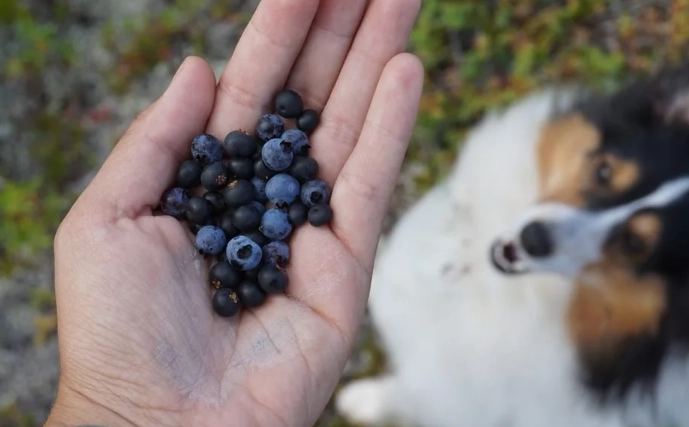
I've been there. With my own dog, a golden retriever who thinks anything that comes from the kitchen is automatically for him. The first time I wondered about blueberries for dogs, I did what most people do – I went online. And honestly, I found a mess of conflicting information. Some sites made it sound like blueberries were a miracle food. Others threw out scary warnings that made me second-guess everything.
Let's cut through the noise. After talking with my vet, digging into actual research (not just internet rumors), and yes, doing some cautious experimenting with my own pup, I've put together what I wish I had found that first day. A straightforward, no-nonsense look at blueberries for dogs.
The Short Answer: Yes, in almost all cases, dogs can eat blueberries. They're generally considered a safe and healthy treat for most dogs when fed properly. But (and this is a big but) there are some important details you need to know to do it right.
The Nutritional Punch: Why Blueberries Are a Superfood for Dogs
We call blueberries a superfood for us humans, and it turns out the benefits extend to our four-legged friends too. It's not just marketing hype. The nutritional profile of these little blue gems is genuinely impressive.
Think about what's inside. You've got a good dose of Vitamin C, which supports the immune system. There's Vitamin K, important for blood and bone health. Fiber, which is great for digestive regularity. And manganese, a mineral that helps with metabolism and bone development.
But the real star of the show? Antioxidants. Specifically, a group called flavonoids, with anthocyanins being the most famous. These are the compounds that give blueberries their deep blue color. Their job in the body is to fight off free radicals – those unstable molecules that can cause cell damage over time.
What does that mean for your dog? Well, the theory is that a diet rich in antioxidants may support overall health as dogs age. It's about giving their body's natural defenses a helping hand. The USDA FoodData Central database shows the detailed nutrient breakdown, and it's clear these berries are nutrient-dense.
My vet put it this way: "Think of treats like blueberries for dogs as a nutritional supplement, not just empty calories. They add value." That stuck with me.
Key Health Benefits of Blueberries for Dogs
Let's break down the potential perks. When you feed blueberries to your dog, you might be supporting their health in a few key areas:
- Cognitive Function: Some studies (mostly in rodents, but the principle is interesting) suggest antioxidants may support brain health and might help slow age-related cognitive decline. The idea of keeping my dog's mind sharp as he gets older is a big motivator for me.
- Urinary Tract Health: Blueberries contain compounds that might prevent bacteria from adhering to the lining of the bladder. This is similar to the reason cranberries are often recommended for urinary health.
- Anti-Inflammatory Effects: Chronic inflammation is linked to many health issues. The antioxidants in blueberries have natural anti-inflammatory properties.
- Dental Health (A Surprising One!): This one is a bit debated. Some sources claim the texture can help clean teeth. Others aren't so sure. My personal, totally unscientific observation? My dog crunches them up, and it seems like a more teeth-cleaning action than eating mushy wet food. But I wouldn't replace brushing with blueberries, that's for sure.
It's important to keep perspective, though. Blueberries are a treat, not a cure-all. They complement a balanced diet.
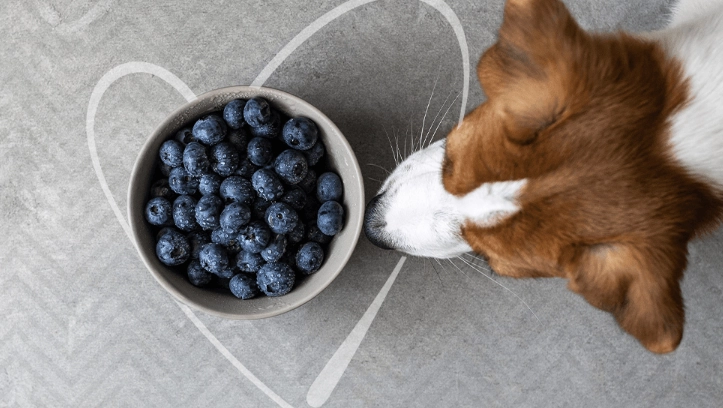
Safety First: How to Feed Blueberries to Your Dog Correctly
Okay, so they're healthy. But doing it wrong can turn a good thing into a problem. This is the part most blog posts gloss over, but it's the most important.
The number one rule? Moderation. This isn't a "more is better" situation. Blueberries are a treat, and treats should never make up more than 10% of your dog's daily caloric intake. For most dogs, that means just a handful of berries a day.
Serving Size Guide for Blueberries for Dogs
This isn't an exact science, as every dog is different. A tiny Chihuahua and a giant Great Dane have very different needs. My vet gave me this rough guideline, and I've found it useful. It's based on the dog's weight.
| Dog Size | Weight Range | Recommended Blueberries Per Day | Notes |
|---|---|---|---|
| Extra Small (Toy Breeds) | Under 10 lbs | 1-3 berries | Cut in half for very small dogs to prevent choking. |
| Small | 10 - 25 lbs | 3-6 berries | A good "small handful." |
| Medium | 25 - 50 lbs | 6-10 berries | My golden retriever (45 lbs) gets about 8. |
| Large | 50 - 90 lbs | 10-15 berries | Spread out, not all at once. |
| Giant | Over 90 lbs | 15-20 berries | Still a treat, not a meal component. |
See? Not a lot. When I first started, I was probably giving my dog too many. I'd just pour some into his bowl. Now I count them out. It feels a bit silly, but it's the responsible way to use blueberries for dogs as a healthy snack.
Important: Always start with one or two berries to see how your dog's stomach reacts. Just like people, some dogs have more sensitive digestion than others. Introducing any new food slowly is the golden rule.
Fresh, Frozen, or Dried? The Best Forms of Blueberries for Dogs
You've got options at the store. Which is best?
- Fresh Blueberries: Usually the top choice. You can see their quality, wash them, and control the serving easily. Just give them a good rinse to remove any pesticide residue. Organic is great if it fits your budget, but a thorough wash of conventional berries is also fine according to most experts.
- Frozen Blueberries: A fantastic and often cheaper alternative. They're frozen at peak freshness. I like to give them frozen on a hot day – my dog thinks they're little ice cream bites. Just make sure they're plain frozen blueberries with no added sugar, syrup, or sweeteners.
- Dried Blueberries: Here's where you need to be very careful. Most dried fruit for human consumption is loaded with added sugar. You must find ones that are unsweetened and have no additives like xylitol (an artificial sweetener that is extremely toxic to dogs). Even unsweetened, dried berries are concentrated, so the serving size should be much smaller.
- Blueberry Products (Jams, Muffins, Pies): Just no. These are full of sugar, fat, and other ingredients that are bad for dogs. Stick to the plain berry.
I mostly use fresh, but I always keep a bag of frozen blueberries in the freezer for a quick, cool treat. It's become our summer ritual.
Potential Risks and When to Avoid Blueberries for Dogs
No food is 100% risk-free for every single dog. Being aware of the potential downsides is what makes a responsible pet owner. Let's talk about the "what-ifs."
Choking Hazard: This is a real one, especially for small dogs or dogs that tend to gulp their food without chewing. A whole blueberry can be just the right size to block an airway. For small breeds, I always squash the berry between my fingers or cut it in half. It takes two seconds and eliminates the worry.
Stomach Upset: Too many blueberries at once can lead to gastrointestinal distress. We're talking diarrhea or an upset stomach. The fiber is good, but in excess, it can cause issues. This is why the "start slow" advice is so critical. If your dog has a sensitive stomach, you might want to introduce blueberries for dogs even more cautiously.
Sugar Content: Blueberries do contain natural sugars. While it's fructose and not added sugar, it's still something to consider, particularly for diabetic dogs. If your dog has diabetes, you must consult your vet before adding any new food, including fruits, to their diet. The American Veterinary Medical Association (AVMA) stresses the importance of dietary management for pets with chronic conditions like diabetes.
Allergies: True food allergies in dogs are less common than people think, but they can happen. Signs include itching, skin rashes, or ear infections. If you notice any unusual symptoms after introducing blueberries, stop feeding them and talk to your vet.
I'll be honest, I was paranoid about the choking thing at first. My dog is a medium-sized goofball who inhales his food. The first time I gave him a frozen one, he tried to swallow it whole and started that weird coughing/gagging thing. Scared me to death. Now I either thaw them slightly or give him fresh ones that I gently press to crack the skin. Problem solved. It's about adapting the advice to your specific dog.
Pesticides: This is a common concern for all produce. Washing thoroughly under running water helps remove a significant amount of surface residue. If you're very concerned, opting for organic blueberries is an option, but it's not a strict necessity for your dog's safety if you wash well.
How to Incorporate Blueberries into Your Dog's Diet (Beyond Just a Snack)
Handing your dog a berry is easy, but there are more creative ways to make blueberries for dogs a fun part of their routine. It keeps things interesting for them.
As a Training Reward: Small, low-calorie treats are perfect for training sessions. A single blueberry can be a high-value reward for some dogs! It's much healthier than many commercial training treats.
Frozen in a Toy: Stuff a Kong or similar rubber toy with a mixture of plain yogurt, mashed banana, and a few blueberries. Freeze it. It's a fantastic, long-lasting summer treat that engages their brain.
Mixed into Food: Mash a few berries and mix them into your dog's regular kibble or wet food. It adds a burst of flavor and moisture. My dog's kibble seems to disappear faster when there's a blueberry mash mixed in.
Homemade Dog Treats: You can bake simple dog treats with blueberry puree. There are tons of recipes online. Just avoid ingredients like chocolate, raisins, or excessive salt and sugar.
Pro Tip: If you're using blueberries in a homemade recipe, lightly coat them in flour (like oat or coconut flour) before folding them into the batter. This helps prevent them from all sinking to the bottom during baking.
Remember, these are still treats. The bulk of your dog's nutrition should come from their complete and balanced commercial or vet-approved homemade diet.
Blueberries vs. Other Fruits: How Do They Stack Up?
Maybe you're wondering if blueberries are the "best" fruit for your dog. It's a good question. Here's a quick, honest comparison based on general safety and nutrient density.
- Blueberries vs. Strawberries: Both are great. Strawberries have more Vitamin C but also slightly more sugar. Both are safe in moderation.
- Blueberries vs. Apples: Apples are fine (seeds removed, as they contain cyanide), but they're higher in sugar and less nutrient-dense in terms of antioxidants. The crunch is good for teeth, though.
- Blueberries vs. Bananas: Bananas are much higher in sugar and calories. They're a good occasional treat but should be given in very small amounts.
- Blueberries vs. Grapes/Raisins: NO CONTEST. Grapes and raisins are highly toxic to dogs and can cause sudden kidney failure. Never, ever give these. This is the most critical distinction to remember.
So, are blueberries the absolute best? They're certainly among the top contenders due to their high antioxidant content and low calorie/sugar profile compared to many other fruits. They're a solid A-grade choice for dogs.
Answering Your Top Questions About Blueberries for Dogs
I get it. You still have questions. Here are the ones I had, and the ones I see pop up all the time in online forums and dog groups.
Can puppies eat blueberries?
Generally, yes, but with extra caution. A puppy's digestive system is more sensitive. Wait until they are fully weaned and eating solid food regularly. Start with a tiny piece of one berry. For very small puppies, the choking risk is higher, so mash it up. Always check with your puppy's vet during a wellness visit if you're unsure.
How many blueberries can I give my dog per day?
Refer to the table above, but remember it's a guideline. For a medium 30-pound dog, 5-8 berries is plenty. It's not a bowlful. Think of them as a garnish for their health, not a side dish.
Are wild blueberries safe for dogs?
If you can positively identify them as true blueberries (genus Vaccinium), then yes. However, never let your dog forage and eat random berries during a walk or hike. Many wild berries are poisonous. When in doubt, don't let them eat it.
My dog ate a whole container of blueberries! What do I do?
Don't panic, but monitor closely. A one-time overindulgence will most likely result in a temporary upset stomach—think loose stools or gas. Ensure they have plenty of fresh water. If they show signs of severe distress like vomiting, lethargy, or bloating, contact your vet immediately. For small dogs who ate a large quantity relative to their size, a call to the vet for advice is a good idea.
Can blueberries change my dog's stool color?
It might sound funny, but yes, it can sometimes cause a darker or slightly blue-tinged stool. This is normal and harmless, just the pigments passing through. If you see blood, mucus, or the diarrhea lasts more than a day, that's a different issue—call the vet.
The Final Verdict: Should You Feed Your Dog Blueberries?
Look, after all this reading and talking and experimenting, here's my take.
Blueberries are a safe, nutritious, and low-calorie treat for the vast majority of dogs. The benefits of antioxidants, vitamins, and fiber are a nice bonus to their regular diet. They're a way to add variety and a little extra health support.
But they are not magic.
They won't fix a poor diet or replace veterinary care. They're one small piece of the overall puzzle of keeping your dog healthy and happy.
If you decide to try blueberries for dogs, start ridiculously slow. Wash them. Mind the choking hazard. Stick to the tiny serving sizes. And watch your dog enjoy them. There's something genuinely satisfying about sharing a healthy snack with your best friend.
My dog now comes running when he hears the container of blueberries open. That little tail wag makes the extra bit of effort worth it. Just remember, your dog's main source of nutrition should always be a high-quality, complete dog food recommended for their life stage. The Association of American Feed Control Officials (AAFCO) sets the nutritional standards for pet food, so looking for an AAFCO statement on your dog's food bag is a good practice.
So go ahead. Next time those puppy eyes are begging, you can confidently reach for a blueberry. Just maybe just one or two.