Ultimate Guide to Dog Teeth Cleaning: How to Keep Your Dog's Teeth Healthy
Let's be honest. When you brought that adorable puppy home, you probably didn't picture yourself wrestling with a toothbrush in a battle against doggy breath. I know I didn't. But here we are. Dog dental care is one of those things that sounds simple until you actually try to do it. Your dog might hate it, you might feel clueless, and the whole process can feel like a chore. But ignoring it? That's a fast track to big problems and even bigger vet bills down the road.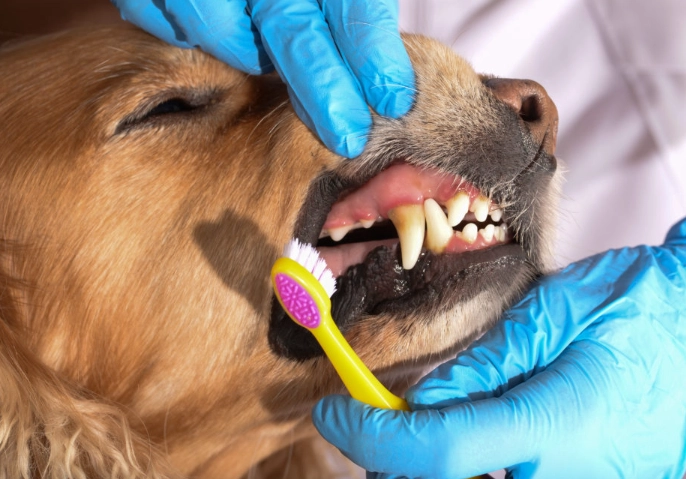
Think about it. When was the last time you really looked at your dog's teeth? Not just a glance, but a proper look at the gum line, the back molars? If you're like most owners, it's probably been a while. And that's okay. Life gets busy. But the bacteria in your dog's mouth don't take days off. They're constantly forming plaque, which hardens into tartar, which then leads to inflammation, infection, and pain. It's a silent process, and by the time you notice bad breath, the problem is often already established.
So, why does this happen? Dogs, especially smaller breeds, have crowded teeth. Food and bacteria get trapped easily. They don't brush their own teeth (if only!). And many commercial diets are soft, doing little to scrape plaque away naturally. The result is that without our help, their oral health is on a timer.
This guide isn't about scaring you. It's about giving you a clear, practical, and totally achievable roadmap. We're going to break down everything about dental care for dogs teeth, from the absolute basics to the nitty-gritty details. We'll talk about what works, what's a waste of money (I've bought my share of dud products), and how to make this a manageable part of your routine. Forget the overwhelming lists and jargon. Let's just talk about keeping your best friend's mouth healthy.
Why Bother? The Real Cost of Ignoring Your Dog's Teeth
Before we dive into the "how," it's crucial to understand the "why." This isn't just about fresh breath—though that's a nice bonus. It's about overall health and comfort.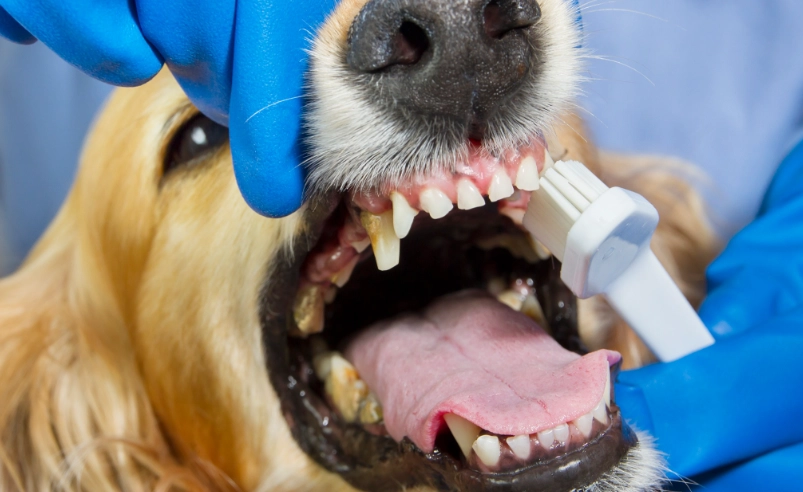
Periodontal disease starts when plaque, a sticky film of bacteria, builds up on the teeth. Within days, if not removed, it mineralizes into tartar (calculus). Tartar is rough, creating more surface area for even more plaque to stick to. This irritates the gums, causing gingivitis—red, swollen gums that bleed easily. This is the only reversible stage.
If it progresses, the inflammation destroys the tissues and bone that hold the teeth in place. This is periodontitis. Teeth become loose, abscesses can form, and the constant bacterial infection doesn't stay in the mouth. The bacteria enter the bloodstream through the inflamed gum tissue and can travel to major organs.
Then there's the pain. Dogs are incredibly stoic. They rarely stop eating, even with a painful mouth. They just adapt. They might chew on one side, swallow food whole, or become grumpier. You might not see obvious signs of pain until it's severe. Is that the quality of life you want for your pet?
And finally, the wallet.
A professional dental cleaning under anesthesia at the vet can cost hundreds, even over a thousand dollars depending on the needed extractions and your location. Consistent, at-home dental care for your dog's teeth is the best insurance policy you can buy to avoid that.
Your At-Home Dental Care Toolkit: What Actually Works
Alright, so we're convinced it's important. Now what? The pet aisle is flooded with products claiming to clean teeth. It's overwhelming. I've tried a ton of them over the years with my dogs, and here's my honest breakdown.
The Gold Standard: Brushing
Let's just get this out of the way. Brushing is the single most effective thing you can do at home. It's the equivalent of you brushing your own teeth. Nothing else comes close for physically removing plaque before it turns to tartar. The goal is to brush the outside surfaces of the teeth, especially along the gum line.
How to start (without losing a finger):
- Forget the brush at first. Start by letting your dog taste a bit of dog-specific toothpaste (never human toothpaste—it contains xylitol and fluoride, which are toxic to dogs). Chicken, beef, malt—find a flavor they love. Make it a treat.
- Next, gently rub your finger along their gums and teeth. Do this for just a few seconds, then praise and treat.
- Gradually introduce a soft-bristled brush. Finger brushes work great for some dogs, but I've found small, angled brushes give me better control for my dog's back teeth.
- Keep sessions short and positive. Even 30 seconds of effective brushing is a win. Aim for daily, but if you can manage 3-4 times a week, you're still doing far better than nothing.
The Helpers: Dental Chews, Diets, and Water Additives
Brushing is best, but let's be realistic. Sometimes it doesn't happen. That's where other tools come in. Think of these as helpful supplements, not replacements.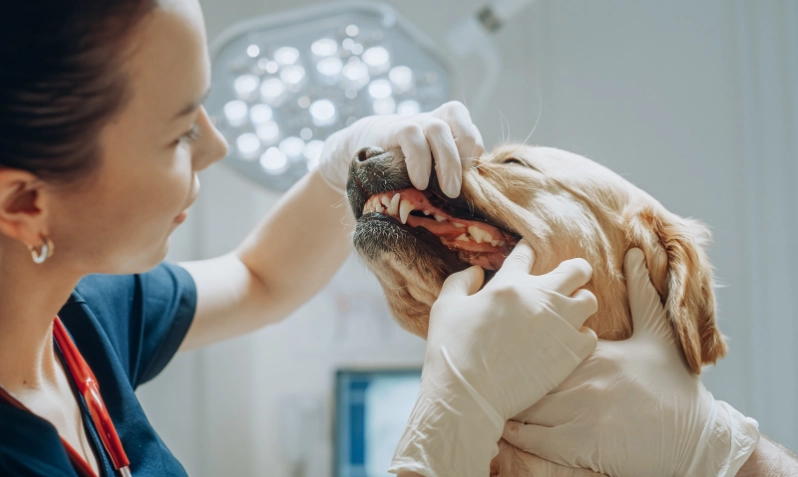
VOHC-Accepted Products: Look for the seal of acceptance from the Veterinary Oral Health Council (VOHC). This is a big deal. It means the product has undergone testing to prove it reduces plaque and/or tartar. It's your best bet for knowing a product isn't just marketing fluff. You can find their list of accepted products for dogs on their website.
Here’s a quick comparison of the main supplemental options:
| Product Type | How It Claims to Work | Pros | Cons & My Take |
|---|---|---|---|
| Dental Chews & Treats | Mechanical abrasion during chewing; some have enzymes or ingredients to fight plaque. | Dogs love them. Easy. Some VOHC-accepted options are very effective. | Calorie-dense. Can be a choking hazard if gulped. Quality varies wildly—some are just glorified cookies. |
| Dental Diets (Kibble) | Larger kibble size and special fiber matrix designed to scrape teeth as the dog bites through it. | Integrates care into daily meals. Proven efficacy (look for VOHC seal). | More expensive. Your dog must eat kibble and chew it, not inhale it. |
| Water Additives | Enzymes or antibacterial agents added to drinking water to reduce bacteria in the mouth. | Incredibly easy—just add to water bowl. No effort from you or the dog. | Efficacy is subtle, best for maintenance. Some dogs detect the taste and drink less. |
| Dental Gels & Sprays | Applied to teeth/gums; often contain enzymes to break down plaque. | Good for dogs who absolutely refuse brushing. Quick application. | You still have to get near their mouth. Not as mechanically effective as brushing. |
My strategy? I use a combination. Brushing is the main event a few times a week. On off days, my dog gets a VOHC-accepted dental chew. It's not perfect, but it's a sustainable system that works for us.
What About Raw Bones, Antlers, and Hooves?
This is a hot topic. Some people swear by raw, meaty bones as nature's toothbrush. And yes, the gnawing action can be great for scraping plaque. But. The risks are significant: broken teeth (which are painful and require expensive extraction), intestinal blockage if a piece is swallowed, and bacterial contamination like Salmonella.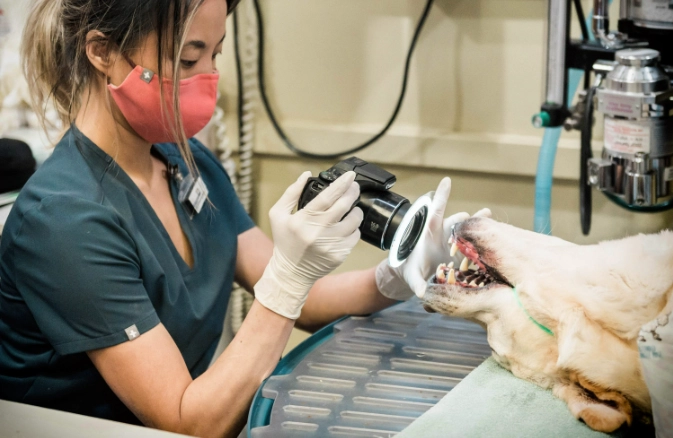
Hard materials like antlers, hooves, and nylon bones are even worse for fracturing teeth. I learned this the hard way when a supposedly "safe" chew resulted in a slab fracture of my dog's premolar. A $1500 lesson. I now avoid anything I can't make a dent in with my fingernail.
The Professional Side: What Happens at a Vet Dental Cleaning?
Even with perfect home care, most dogs will eventually need a professional cleaning. Tartar, especially below the gum line, can't be removed by brushing or chews. This is a veterinary procedure, not a cosmetic "spa day." Understanding what it entails removes the fear.
It always requires general anesthesia. This is non-negotiable for a safe, thorough, and stress-free procedure. It allows the vet to fully probe and clean under the gums, take dental X-rays (crucial, as 60% of the tooth is below the gum line), and perform extractions if needed—all without causing the animal pain or stress.
The process typically involves:
- Pre-anesthetic bloodwork to ensure your dog is healthy enough for anesthesia.
- Induction of anesthesia and placement of a breathing tube.
- A complete oral exam and charting of every tooth.
- Dental X-rays to assess the roots and jawbone health.
- Scaling (ultrasonic and hand scalers) to remove tartar above and below the gum line.
- Polishing to smooth the tooth surface, making it harder for plaque to adhere.
- Possible extractions of severely diseased teeth.
- A fluoride treatment or sealant may be applied.
Yes, anesthesia carries a risk. But modern protocols are very safe, and the risk of untreated dental disease is far greater. A reputable vet will tailor the anesthesia to your dog's age and health status.
How often is it needed?
There's no one-size-fits-all answer. It depends entirely on your dog's breed, genetics, age, and the effectiveness of your home care. Your vet will recommend a schedule after an exam. It could be every year for a prone breed with poor home care, or every few years for a dog with an excellent home routine.
Spotting Trouble: Signs Your Dog Needs Dental Attention
You don't need to be a vet to spot red flags. Regular home checks are part of responsible dental care for dogs teeth. Lift those lips!
- Bad breath (halitosis): This is the number one sign. Dog breath shouldn't be pleasant, but it also shouldn't knock you over. A persistently foul odor means bacteria are thriving.
- Red, swollen, or bleeding gums: Especially along the margin where the tooth meets the gum.
- Visible tartar: A yellow or brown crusty buildup on the teeth, usually starting on the back molars and canine teeth.
- Drooling or dropping food: Excessive drooling or food falling out of the mouth can indicate pain.
- Pawing at the mouth or face rubbing.
- Reluctance to play with chew toys, eat hard food, or chew on one side.
- Loose or missing teeth.
- Swelling under the eyes or on the lower jaw: This can signal a tooth root abscess.
If you see any of these, it's time for a vet visit, not just for more dental chews. Early intervention is key.
Answering Your Top Questions on Canine Dental Care
I get a lot of questions from other dog owners. Here are the most common ones, answered plainly.
Q: My dog hates brushing. Is it too late to start?
A: It's never too late, but you may need to go slower with an adult dog. Go back to basics: positive association with the toothpaste first, then your finger, then the brush. High-value rewards are your friend. If it's truly a battle, focus on the other effective tools (VOHC chews, water additives) and discuss options with your vet.
Q: Are anesthesia-free dental cleanings a good option?
A> In my opinion and that of major veterinary associations like the AVMA and AAHA, no. They are purely cosmetic. They might scrape off the visible tartar on the crown, but they do nothing for the disease under the gum line, which is the real problem. They can also be stressful for the dog and leave a rough tooth surface that attracts plaque faster. They create a false sense of security. I would never choose this for my dog.
Q: What's the best toothpaste for dogs?
A> One your dog likes and that is specifically formulated for dogs. Enzymatic toothpastes (like those containing glucose oxidase or lactoperoxidase) help break down plaque bacteria. The flavor (poultry, seafood, malt) is more important for compliance than the brand. Avoid anything with baking soda or detergents meant for humans.
Q: My dog only eats wet food. Is that bad for his teeth?
A> It doesn't help. Wet food tends to stick to teeth more than kibble. If your dog is on a wet food diet for medical reasons, it makes your home dental care routine even more critical. You can ask your vet about dental care diets that come in wet forms or use other supplemental methods aggressively.
Q: How can I keep my small dog's teeth clean? They seem to get dirty so fast.
A> You've hit on a major issue. Small and toy breeds (Yorkshire Terriers, Chihuahuas, Dachshunds) are notoriously prone to dental disease. Their teeth are often crowded in a small jaw, and they may have genetic predispositions. They need the most vigilant care: daily brushing if possible, regular professional cleanings, and careful monitoring from a young age.
Building Your Dog's Personalized Dental Care Plan
Okay, let's put this all together into a plan you can actually follow. Don't try to do everything at once. Pick one or two things to start.
For the Beginner (Starting from Scratch):
- Schedule a vet checkup to get a baseline on your dog's oral health.
- Buy dog toothpaste and let your dog taste it for a week.
- Introduce a VOHC-accepted dental chew 3-4 times a week.
- Start lifting your dog's lips regularly to get them used to it.
For the Intermediate (Building a Routine):
- Aim to brush your dog's teeth 3-4 times per week.
- Use dental chews or a dental diet on non-brushing days.
- Consider adding a water additive to the daily regimen.
- Perform a monthly mouth check for red flags.
For the Pro (Comprehensive Maintenance):
- Brush daily or near-daily.
- Use a combination of supplemental products (chew + additive).
- Provide safe, textured chew toys regularly.
- Follow your vet's recommended schedule for professional cleanings based on annual exams.
- Keep detailed notes on any changes you see.
The goal isn't perfection. The goal is consistent, thoughtful effort. Some days you'll nail it, other days you'll forget. That's okay. What matters is that you've made your dog's oral health a priority.
Start small. Be patient with yourself and your dog. Celebrate the small wins—the first time they don't pull away from the toothbrush, the first chew they actually work on. You've got this. Your dog's smile (and their whole body) will thank you for it.