Can Dogs Eat Pumpkin? A Safe Feeding Guide for Pet Owners
So you're staring at that leftover pumpkin puree from your baking spree, or maybe you've got a whole pumpkin sitting on your porch, and your dog is giving you that look. You know the one. The "I will love you forever if you share just a tiny bit" look. And the question pops into your head: can dogs eat pumpkin?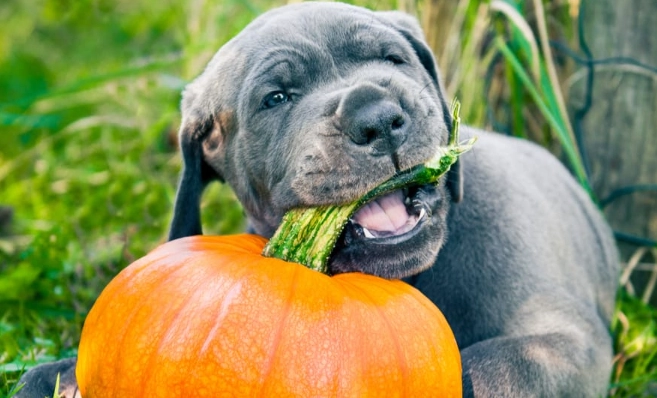
Let's cut right to the chase. The short answer is a resounding yes. In fact, it's more than just a yes—it's a "heck yes, and here's why you might want to make it a regular thing." But, and there's always a but when it comes to feeding our furry friends human food, it's not as simple as just dumping a can of pie filling into their bowl. There's a right way and a very wrong way to do this.
I've been through this myself. My own dog, a Labrador with a stomach of questionable fortitude, has had his share of digestive dramas. After one too many expensive vet visits for... let's call them "intestinal distress episodes," I started digging into natural remedies. Pumpkin kept coming up. But the information was all over the place. Some sources said it was a miracle cure, others listed a dozen warnings. It was frustrating.
This guide is what I wish I had found back then. We're going to move past the basic "yes or no" and dive into the nitty-gritty. We'll talk about why pumpkin is good, how to prepare it, how much to give, and the situations where you should absolutely avoid it. We'll also tackle those weird, specific questions that keep popping up when you're half-asleep at 2 AM, worrying about your pet's diet.
Why Pumpkin is a Superfood for Your Dog's Bowl
Think of pumpkin as nature's multi-tool for canine health. It's not just filler; it's packed with stuff that actively helps your dog's body run smoother. Let's break down what's inside that orange flesh.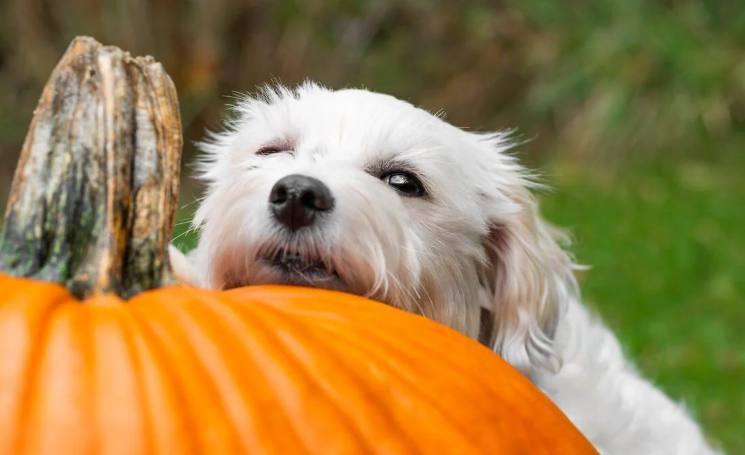
First up, fiber. This is the big one, the reason most people first consider pumpkin for their dogs. Pumpkin is loaded with soluble fiber. What does that do? Well, it acts like a regulator. If your dog's stools are a bit too loose, the fiber absorbs excess water in the digestive tract and adds bulk, helping to firm things up. Conversely, if your dog is a bit backed up, that same fiber helps move things along by stimulating the intestines. It's a bit of a paradox, but it works. It's like a gentle reset button for their gut.
Then you've got the vitamins. Pumpkin is a fantastic source of Vitamin A, which is crucial for good vision, a healthy immune system, and proper cell function. But here's a critical point—too much Vitamin A can be toxic. We'll get to the safe amounts later, but it's a perfect example of the "good thing in moderation" rule. It's also got Vitamin C (an antioxidant) and Vitamin E (great for skin and coat health).
Minerals are in the mix too. Potassium helps with muscle function and fluid balance, and iron supports healthy blood. And let's not forget the water content. Plain, cooked pumpkin is about 90% water, making it a hydrating, low-calorie treat, which is perfect for dogs watching their waistline.
Honestly, the list of benefits is kind of impressive for such a humble gourd. From aiding digestion to supporting the immune system, the answer to "is pumpkin good for dogs" seems to lean heavily toward the positive.
The Bottom Line: Pumpkin offers a unique combo of soluble fiber, vitamins, minerals, and hydration. It's a functional food that can support digestion, vision, immunity, and skin health, all for very few calories.
Raw, Cooked, Canned, or Pureed? The Right Way to Serve Pumpkin
This is where many owners get tripped up. Not all pumpkins are created equal, and the form you choose matters a lot. Giving your dog the wrong type can turn a healthy snack into a stomachache or worse.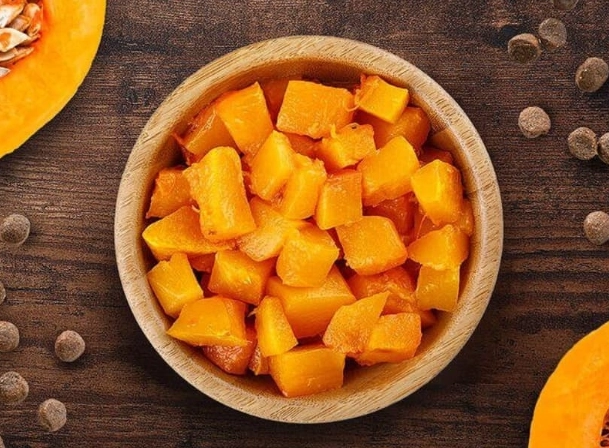
Fresh Pumpkin (The Best, But Requires Work)
Using a fresh sugar pumpkin or pie pumpkin is the gold standard. You have complete control. Here's how to do it:
- Choose the right pumpkin: Go for smaller "pie pumpkins." They are denser, sweeter, and have more flesh than the giant carving pumpkins, which are stringy and less nutritious.
- Preparation is key: Never feed raw pumpkin. It's too tough for them to digest properly and can be a choking hazard. Always cook it.
- Simple cooking: Cut the pumpkin in half, scoop out the seeds and stringy pulp (save the seeds separately—we'll talk about those later!), and place the halves face-down on a baking sheet. Bake at 350°F (175°C) for about 45-60 minutes until the flesh is soft. Let it cool, scoop out the soft flesh, and mash it into a puree. No salt, no butter, no spices. Just plain pumpkin.
It's a bit of a process, I won't lie. I do a big batch on a Sunday and freeze it in ice cube trays for easy portions later.
Canned Pumpkin (The Convenient Champion)
This is the go-to for most people, including me on busy weeks. It's just as good as fresh if you buy the right kind.
CRITICAL WARNING: You must buy 100% pure pumpkin puree. Do not, under any circumstances, accidentally buy pumpkin pie filling. Pie filling is loaded with sugar, spices (like nutmeg, which can be toxic to dogs), and other additives. The label is everything. It should have one ingredient: pumpkin.
Canned puree is ready to go. Just open the can, give it a stir, and spoon out the right amount. Make sure to store any leftovers in the fridge and use them within a few days.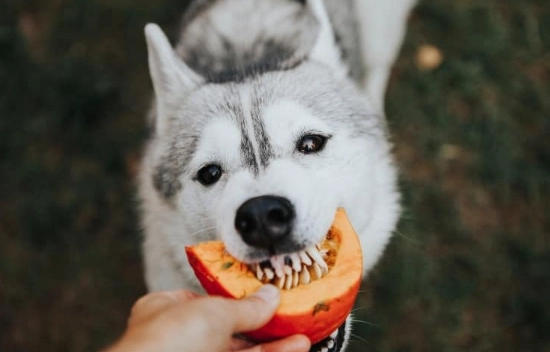
What About Other Pumpkin Products?
Let's clear the air on some common items:
- Pumpkin Spice Lattes/Foods: Absolutely not. These contain coffee, sugar, dairy, and the "pumpkin spice" blend, which often includes nutmeg. A big no-no.
- Pumpkin Pie: Same deal. Sugar, fat, spices, and sometimes xylitol (an artificial sweetener that is highly toxic to dogs). Keep the pie for yourself.
- Pumpkin Seeds: Yes, but with major caveats! They must be plain, washed, dried (roasted without salt or oil is okay), and ground up. Whole seeds can cause intestinal blockages. They're a good source of fatty acids and can help with urinary health, but they're more of an occasional add-in than a staple.
So, when you're figuring out if can dogs eat pumpkin from your pantry, the form is your first checkpoint.
How Much Pumpkin Can I Give My Dog? The Dosage Chart
More is not better. This is the most common mistake. Pumpkin is rich and fibrous, and overdoing it can lead to the very problems you're trying to solve—constipation or diarrhea—or an upset stomach from too much Vitamin A.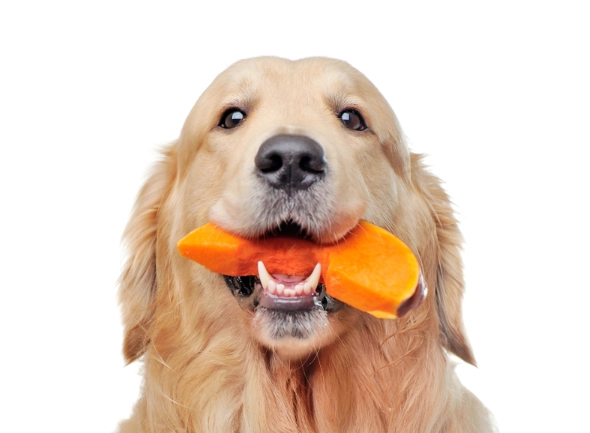
The general rule is to treat pumpkin as a dietary supplement or a treat, not a meal replacement. It should make up no more than 10% of your dog's daily caloric intake. For practical purposes, here's a simple guideline based on body weight:
| Dog Size | Weight Range | Recommended Pumpkin Per Day | Notes |
|---|---|---|---|
| Small/Toy | Under 15 lbs (7 kg) | 1/2 to 1 teaspoon | Start with a tiny amount. |
| Medium | 15-35 lbs (7-16 kg) | 1 to 3 teaspoons | A heaping teaspoon is a good start. |
| Large | 35-70 lbs (16-32 kg) | 1 to 2 tablespoons | My Lab gets a solid tablespoon. |
| Giant | 70+ lbs (32+ kg) | 2 to 3 tablespoons | Don't exceed 3-4 tbsp even for huge breeds. |
Pro Tip: Always start at the lower end of the range, especially if your dog has never had pumpkin before. Mix it thoroughly into their regular food. Monitor their stool and overall demeanor for the next 24-48 hours. You're looking for a positive change, not a drastic one.
If you're using pumpkin for a specific issue like mild diarrhea, you might give this amount with each meal for a day or two. For constipation, it might be a once-daily addition until things improve. For general wellness, a few times a week is plenty.
Remember, every dog is different. What works for my 70-pound dog might be too much for your 20-pound terrier.
When Pumpkin Shines: Top Uses for Your Dog's Health
Okay, so you know it's safe and how to serve it. But when should you actually use it? It's not an everyday requirement for every dog, but it's a fantastic tool to have in your pet-care kit for specific situations.
- The Digestive Tune-Up: This is the classic use. For occasional soft stools or mild constipation, a few doses of pumpkin can work wonders. The fiber normalizes everything. It's my first line of defense before considering anything more drastic.
- The Weight Management Helper: Because it's low in calories and high in fiber and water, adding a spoonful to your dog's meal can help them feel fuller. This is great for dogs on a diet who act like they're starving all the time. It adds volume without adding many calories.
- The Hairball Aid (for dogs that eat cat hair, you know who you are): The fiber can help move ingested fur through the digestive system more smoothly.
- The Nutrient Booster: For older dogs or picky eaters, it's an easy way to sneak in some extra vitamins and hydration.
I'll share a personal case: My friend's senior dog was on a medication that caused chronic, mild constipation. The vet suggested a daily stool softener, which worked but felt like a strong chemical solution for a ongoing issue. We tried adding a teaspoon of plain canned pumpkin to his wet food twice a day. Within three days, things were moving normally again, and they were able to stop the medication. It wasn't a miracle, but it was a simple, natural fix that made a real difference in the dog's comfort.
But here's the thing—pumpkin is a helper, not a cure-all. It's for mild and occasional issues.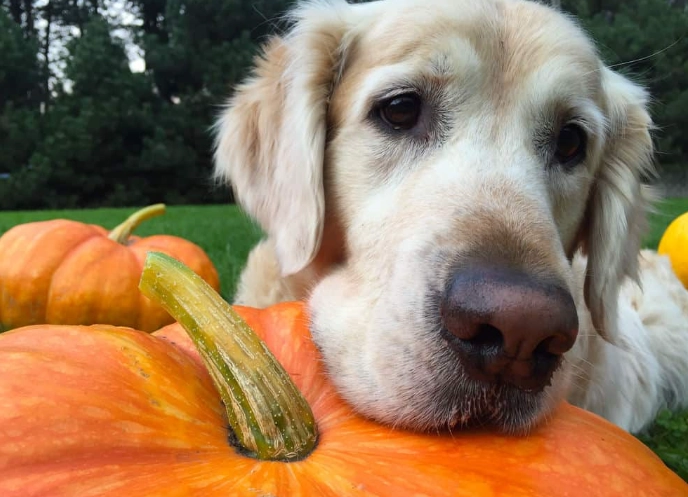
The Risks and "No-Go" Zones: When to Avoid Pumpkin
This part is crucial. Blindly feeding pumpkin because it's "natural" can backfire. Let's talk about when you should pause the pumpkin train.
1. Underlying Health Conditions: If your dog has a chronic medical condition like diabetes, kidney disease, or pancreatitis, you must talk to your vet before adding anything new to their diet. Pumpkin does contain natural sugars and potassium, which might need to be monitored in some conditions.
2. Severe Digestive Distress: Pumpkin is for mild upset. If your dog has acute, severe, or bloody diarrhea, is vomiting, is completely blocked up, or is showing signs of pain (whining, bloating, not eating), this is a vet emergency. Do not try to treat it with pumpkin. You could be wasting precious time.
3. Allergies (Rare but Possible): While uncommon, dogs can be allergic to anything. The first time you introduce pumpkin, watch for signs of an allergic reaction: itching, hives, swelling, or difficulty breathing. Stop immediately if you see any of this.
4. The Overdose Effect: We covered this, but it bears repeating. Too much pumpkin, too fast, will cause digestive upset. Gas, bloating, and worse diarrhea or constipation are all signs you've overdone it.
Think of pumpkin as a gentle, supportive tool. It's not a substitute for veterinary medicine when there's a serious problem. The American Kennel Club's nutrition guides always emphasize consulting with a vet for dietary changes, especially for dogs with health issues. It's a principle worth following.
Your Pumpkin for Dogs FAQ – Answered Honestly
I've scoured forums and talked to other dog owners. These are the real questions people are asking when they search "can dogs eat pumpkin." Let's tackle them head-on.
Can pumpkin help my dog's anal gland issues?
It might, indirectly. Some vets believe firm, bulky stools help naturally express the anal glands as a dog defecates. Since pumpkin can help create bulkier stools, it could provide some mechanical assistance. However, if your dog has recurrent anal gland problems, this is a veterinary issue that needs proper diagnosis and treatment. Pumpkin isn't a guaranteed fix.
My dog ate a whole pumpkin pie! What do I do?
Don't panic, but do act. The primary concerns are the high fat/sugar content (risk of pancreatitis, especially in prone breeds), the spices (nutmeg toxicity), and possibly xylitol. Contact your veterinarian or the ASPCA Animal Poison Control Center immediately. Tell them exactly what was in the pie and how much your dog ate. They will give you the best course of action, which may involve monitoring at home or inducing vomiting.
Is it okay to give my dog pumpkin every day?
For most healthy dogs, a small, maintenance dose (like 1 tsp for a medium dog) daily is likely fine. However, I'm not a fan of making anything an unquestioned daily ritual. I prefer to use it as needed or a few times a week. This prevents their system from becoming reliant on it for normal function and avoids any potential long-term buildup of Vitamin A. Variety is good.
Can puppies eat pumpkin?
Yes, but be extra cautious. Their digestive systems are more sensitive. Use a tiny amount—a quarter teaspoon for a small puppy—and only plain, cooked pumpkin or pure puree. Always introduce any new food very slowly and watch for any adverse reaction.
What about other squashes? Can dogs eat butternut squash or zucchini?
Generally, yes! Many winter and summer squashes (cooked, plain) are safe and offer similar benefits. Butternut squash is a great alternative. Always introduce one new food at a time so you can identify the cause if there's a problem.
See? The question "can dogs eat pumpkin" opens a whole can of worms (or should I say, gourds?).
The Final Scoop: Making a Smart Decision for Your Dog
Look, navigating pet nutrition is confusing. Companies spend millions to convince you their product is best. Sometimes, going back to simple, whole foods makes sense. Pumpkin is one of those times.
To wrap it all up:
- Yes, dogs can eat pumpkin. It's a nutritious, beneficial supplement when used correctly.
- The right kind matters: 100% plain, cooked pumpkin or pure pumpkin puree. No pie filling, no spices, no sugar.
- Dosage is critical: Start small. Use the weight chart as a guide, not a commandment.
- It's a tool, not a cure: Excellent for mild digestive support and adding nutrients. Useless or dangerous for serious medical issues.
- When in doubt, call your vet. This is the golden rule for anything concerning your dog's health. Your vet knows your dog's history.
The next time your dog gives you the longing look as you're prepping pumpkin, you can confidently set aside a plain, cooked portion for them. You'll be giving them a tasty treat that also supports their health. And that's a win-win in my book.
Just maybe don't tell them how good it is for them. Let them think it's just a special snack.