Puppy Series of Shots Explained: A Complete Vaccination Schedule & Guide
I remember picking up my first puppy, a wiggly golden retriever named Murphy, from the breeder. He was perfect. Then the breeder handed me a folder with his records, pointing to a list titled "puppy series of shots" and saying, "You'll need to get these done." I nodded like I knew what she was talking about, but inside I was panicking. What shots? When? Why so many? The whole thing felt overwhelming.
If you're feeling that same confusion, you're in the right place. Let's talk it through, step by step, without the jargon.
Getting your puppy's vaccinations sorted is one of the most important things you'll do in their first year. It's not just a formality—it's a shield against some really nasty diseases. But I get it, the schedule can look like alphabet soup (DHPP? DAPP? Bordetella?), and the costs can add up fast. My goal here is to translate that vet-speak into plain English, give you a clear roadmap, and answer all the questions I had (and the ones I didn't even know to ask).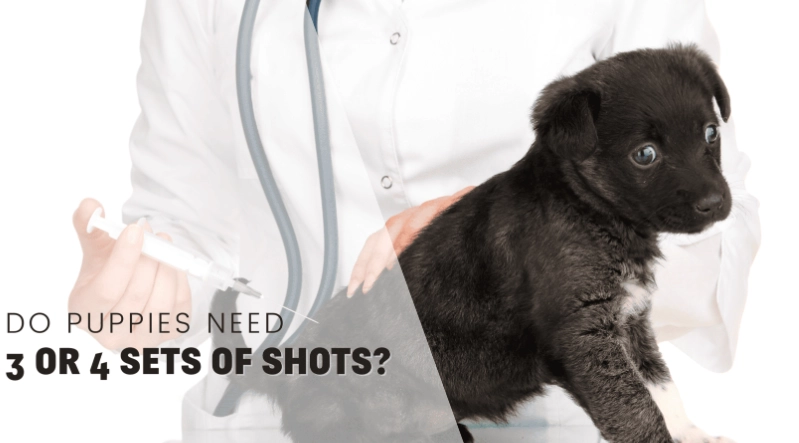
Why This Puppy Vaccination Thing is Non-Negotiable
Let's be real for a second. In the age of Google, it's easy to find people questioning everything, including vaccines. I've seen the forums. But here's the thing with dogs: the diseases we vaccinate against are not rare. Parvovirus, for example, is a nightmare. It's highly contagious, lives in the environment for years, and kills puppies through severe vomiting and diarrhea. Treatment is intensive, expensive, and often unsuccessful. Distemper is another brutal one, attacking the nervous system.
Your puppy is vulnerable. The immunity they got from their mother's milk (maternal antibodies) starts to fade between 6 to 16 weeks. This creates a crucial gap—they're losing their borrowed protection but haven't built their own yet. This window is exactly why the puppy shot series is timed the way it is. We're trying to hit that sweet spot as soon as mom's protection dips low enough for the vaccine to work, but before the puppy is exposed to the real virus.
I'm not a vet, but I've talked to enough of them and seen enough sad stories to have a very strong opinion on this: skipping core vaccines is a massive, preventable risk. The non-core ones? That's where your lifestyle and location come in, and we'll talk about that too.
Breaking Down the Vaccine Alphabet: Core vs. Non-Core
Not all shots are created equal. Vets, following guidelines from major bodies like the American Animal Hospital Association (AAHA), split them into two groups.
The Must-Have Core Vaccines
These protect against widespread, severe, or transmissible to humans diseases. Every puppy should get these, no matter if they live in a New York apartment or on a Montana ranch. They're usually combined into a single injection often called the "DHPP" or "DAPP" shot.
- Distemper: A viral disease affecting the respiratory, gastrointestinal, and nervous systems. Often fatal.
- Hepatitis (Adenovirus-2): Targets the liver, kidneys, and blood vessels.
- Parvovirus: The big one. Causes severe, bloody gastroenteritis. Extremely contagious and deadly for puppies.
- Parainfluenza: One of the causes of kennel cough (a respiratory infection).
Some vets also consider the Rabies vaccine as core, and it's required by law in almost every U.S. state. It's usually given once between 12-16 weeks of age.
The Lifestyle-Based Non-Core Vaccines
This is where you and your vet have a chat. These protect against diseases your puppy might encounter based on where you go and what you do.
- Bordetella (Kennel Cough): If your pup will ever be boarded, go to daycare, grooming, or group training classes, this is pretty much a must. It's often given as a squirt up the nose.
- Leptospirosis: A bacterial disease spread through water contaminated by wildlife urine (like rats or raccoons). It's zoonotic, meaning humans can get it too. If you have rodents around, live near water, or hike with your dog, your vet will likely recommend it. This one has gotten more common in recommendations lately.
- Lyme Disease: Important if you live in or travel to tick-prone areas (like the Northeast, Upper Midwest).
- Canine Influenza (Dog Flu): Recommended in areas with outbreaks or for social dogs in high-traffic areas.
The Puppy Vaccination Schedule: A Month-by-Month Roadmap
Okay, here's the meat of it. This table outlines the typical puppy shot series schedule. Use it as a guide, but always follow your specific veterinarian's protocol. They might adjust based on your puppy's health, breed, and local disease risks.
| Puppy's Age | Core Vaccines (DHPP/DAPP) | Other Common Vaccines | Notes & What to Expect |
|---|---|---|---|
| 6 - 8 Weeks | First Dose | Bordetella (optional, often started now) | First vet visit! Deworming is also common. Keep puppy away from unknown dogs/public spaces. |
| 10 - 12 Weeks | Second Dose | Leptospirosis (1st dose), Bordetella (if not given earlier), Canine Influenza (1st dose, if recommended) | Maternal antibodies are fading. This booster is critical. Discuss lifestyle with your vet. |
| 14 - 16 Weeks | Third (and often final) Dose | Leptospirosis (2nd dose), Rabies (single dose, as per law), Lyme (1st dose, if recommended), Canine Influenza (2nd dose) | The big visit. This often completes the initial puppy vaccination series for core vaccines. Get your rabies certificate! |
| 12 - 16 Months | First Adult Booster (DHPP/DAPP) | Rabies Booster (1-year or 3-year), Leptospirosis, Lyme, etc. as needed | Transition to the adult schedule. Your vet will set the next interval (often every 3 years for core). |
See? It's not so mysterious when it's laid out.
The timing of that final puppy shot (around 16 weeks) is key. We wait this long to ensure all maternal antibodies are gone so the vaccine can take full effect. Giving a shot too early is like talking to someone wearing earplugs—the message just doesn't get through.
What Happens After the Shots? Reactions and Puppy Care
Most puppies sail through their vaccinations with zero issues. Maybe a little extra nap time. But it's good to know what's normal and what's a red flag.
Common, Mild Reactions (Don't Panic)
- Lethargy or sleepiness for a day. My dog Murphy would just conk out in the car on the way home.
- A slight fever.
- Soreness or a small lump at the injection site. This usually goes down in a few days.
- Mild loss of appetite.
These are signs the immune system is doing its job, like muscle soreness after a good workout.
When to Call Your Vet Immediately
- Vomiting or diarrhea.
- Hives, swelling of the face, or severe itching.
- Difficulty breathing.
- Collapse or severe lethargy that doesn't improve.
Severe allergic reactions are very rare, but they can happen quickly. It's why many vets ask you to stick around the clinic for 10-15 minutes after the shot. I always do.
The Cost of Protecting Your Pup: Breaking Down the Budget
Let's talk money, because it matters. The cost of a puppy series of shots isn't fixed. It varies wildly by location, clinic type, and the vaccines included.
At a public low-cost clinic or a shelter, you might pay $75-$150 for the entire core series. At a full-service private veterinary hospital in a major city, you could be looking at $200-$400 or more. The first visit is often the most expensive because it includes the full physical exam, fecal test, and deworming on top of the first shots.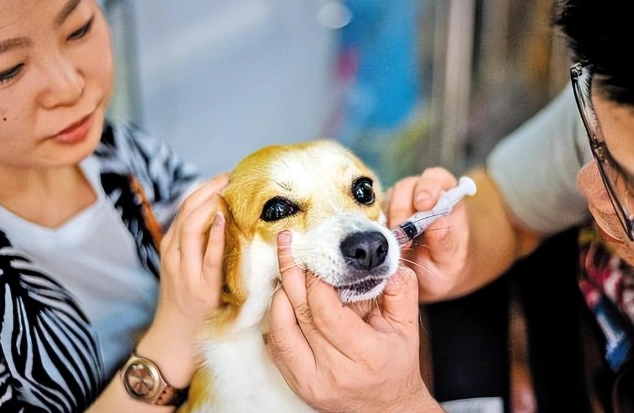
Here’s a rough, unofficial breakdown of what you might see per visit:
- Office Visit/Exam Fee: $50 - $80
- DHPP/DAPP Vaccine: $25 - $45
- Bordetella Vaccine: $20 - $40
- Leptospirosis Vaccine: $25 - $40
- Rabies Vaccine: $20 - $35
It adds up.
My advice? Don't shop for vaccines on price alone. The relationship with your vet and the quality of the overall care (like a thorough physical exam where they catch a heart murmur you didn't hear) is worth its weight in gold. However, if money is extremely tight, ask about payment plans or look into reputable low-cost options. Protecting your puppy is the priority.
Your Big Questions, Answered
I've gotten a lot of questions from friends over the years. Here are the big ones.
Wrapping It Up: Your Action Plan
So, you've made it through the info dump. Here's your simple to-do list:
- Find a vet you trust. Schedule that first appointment for around 8 weeks of age.
- Bring all records from the breeder or shelter.
- At the visit, have a honest chat about your lifestyle (Do you hike? Travel? Use daycare?) to decide on non-core vaccines like Lepto or Lyme.
- Book the next appointment before you leave the clinic to stay on schedule.
- Socialize smartly—prioritize safe experiences to build a confident dog.
- Keep the vaccine records in a safe place. You'll need them for boarding, grooming, and training classes.
Completing your puppy's vaccination series is one of the first and best investments you make in their long, healthy life. It feels like a chore when you're in the middle of it, but it's over before you know it. Then you've got a protected pup ready for all the adventures ahead.
And honestly, once it's done, you'll barely think about it again until the annual check-up rolls around. The peace of mind is worth every penny and every trip to the clinic.