Pekingese Dog Breed Guide: Care, Health & Personality Traits
Let's be honest, the first thing that grabs you about a Pekingese is that face. That magnificent, squished, utterly imperious little face staring out from a cloud of fur. It's a look that says, "I was once carried in the sleeves of Chinese emperors, and you should feel privileged to be in my presence." And you know what? They're not wrong. Living with a Pekingese is less like owning a pet and more like hosting a tiny, hairy, and incredibly stubborn houseguest of royal descent. I've had friends with Pekingese dogs, and the stories are equal parts hilarious and exasperating. This isn't your average eager-to-please Labrador.
If you're here, you're probably past the initial "aww" phase and are seriously considering whether your life has room for one of these ancient, dignified creatures. Or maybe you just brought one home and are realizing there's more to it than fancy brushes. This guide is for you. We're going to dig past the fluffy exterior and talk about the real, day-to-day life with a Pekingese—the glorious, the challenging, and the downright messy parts. Forget the generic breed summaries. Let's get into the nitty-gritty.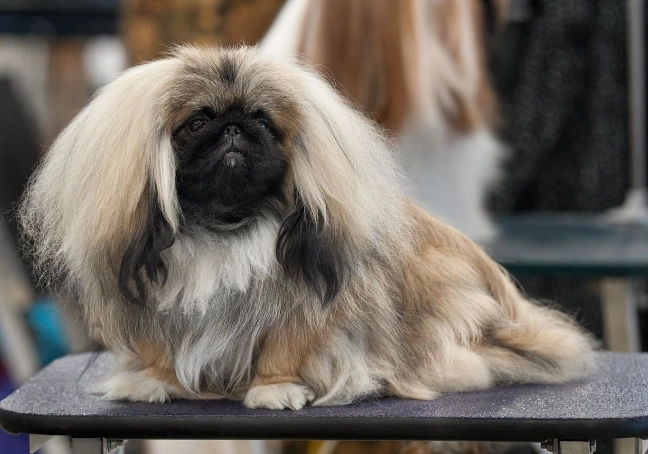
From Imperial Palaces to Your Living Room: A Breed Steeped in Legend
You can't understand the Pekingese temperament without knowing where they came from. This context explains so much. For centuries, they weren't just dogs in China; they were symbols of the lion, guardians of the imperial family, and living works of art. Ordinary people were forbidden to own them. They were bred for companionship, yes, but also for a specific look and demeanor that reflected nobility and self-importance. This history is baked into their DNA.
When British forces looted the Imperial Palace in Beijing in 1860, they found five of these dogs guarding the body of a deceased aunt of the emperor. These five became the foundation of the breed in the West. Think about that for a second. This dog's modern history outside of China began with them literally standing their ground in a palace. It's no wonder they carry themselves with such profound confidence. The American Kennel Club first recognized the breed in 1906, and they've been charming and confounding owners ever since. Every time your Pekie gives you that stubborn, sideways look, remember—they have centuries of being revered to fall back on.
Decoding the Pekingese Personality: Regal, Loyal, and Stubborn as a Mule
This is where many first-time owners get a surprise. That cute, fluffy package contains a personality of immense strength.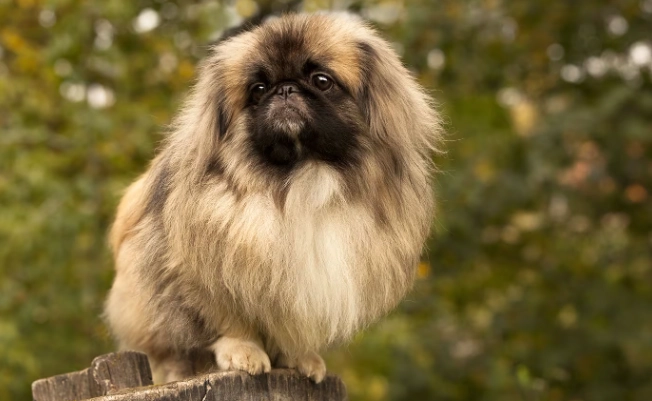
The Good, The Great, and The Glorious
Their loyalty is legendary. A Pekingese often forms an intensely close bond with one or two people. They're your shadow, your steadfast companion through every Netflix marathon. They have a calm, dignified aura about them indoors. They're not typically hyperactive or yappy without reason. There's a wonderful steadiness to them. They're also surprisingly alert and brave. Don't let the size fool you; they make excellent watchdogs because they are deeply suspicious of strangers and won't hesitate to sound the alarm with a surprisingly loud, resonant bark for their size. My friend's Pekie, Winston, once spent ten minutes barking sternly at a new potted plant he deemed suspicious.
The Challenging Bits (Let's Be Real)
Now, the stubbornness. Oh, the stubbornness. Training a Pekingese requires the patience of a saint and the negotiation skills of a diplomat. They are intelligent but often see no particular reason to obey a command simply because you gave it. Positive reinforcement with high-value treats is the only path forward. Harsh methods will backfire spectacularly; they will shut down and ignore you. Housebreaking can also be a prolonged adventure, especially in bad weather. Many owners report their Pekingese simply refusing to go outside in the rain—their luxurious coat is not meant for downpours.
They can be aloof with strangers and sometimes intolerant of clumsy handling, which makes them a less-than-ideal choice for families with very young, grabby children. They prefer calm, predictable environments and respectful interaction. This isn't a dog that will happily tolerate being dressed up or manhandled. They have a very clear sense of personal dignity.
So, is a Pekingese affectionate? Absolutely. But it's on their terms. They'll curl up in your lap when *they* want to, not necessarily when you call them. It's a subtle difference, but it defines the relationship.
The Pekingese Grooming Bible: It's a Commitment, Not a Chore
That stunning double coat is the breed's crowning glory and its biggest maintenance project. Anyone who tells you it's easy is selling something. But with a proper routine, it becomes a peaceful, bonding ritual.
You'll need an arsenal of tools: a high-quality pin brush, a sturdy metal comb (for teasing out tangles at the skin), thinning shears for scissoring, and a slicker brush for the undercoat. Forget those flimsy plastic combs; they're useless against a Pekie's dense fur.
Here’s a breakdown of the non-negotiable grooming tasks:
| Task | Frequency | Why It's Critical |
|---|---|---|
| Full Brushing & Combing | Every Other Day (Minimum) | Prevents mats and tangles that start at the skin. A matted coat is painful, traps moisture, and can lead to severe skin infections. |
| Bath & Blow-Dry | Every 3-4 Weeks | Keeps the coat clean and manageable. Must be completely dried to the skin to prevent hot spots and fungus. |
| Face Fold Cleaning | Daily | Prevents yeast and bacterial infections in the deep facial wrinkles. Use a soft, damp cloth and dry thoroughly. |
| Eye Wiping | Daily | Their prominent eyes collect debris and are prone to tear staining. Gently wipe with a vet-recommended solution. |
| Paw Pad & Sanitary Trimming | Weekly | Keeps hair between pads short for traction and trims around the rear for hygiene. |
The short paragraph.
Many owners opt for a "puppy cut" or a shorter trim, especially in summer. This is a personal choice and can make life much easier, though it changes the classic profile. A good groomer familiar with double-coated breeds is worth their weight in gold. I've seen too many Pekies shaved down by inexperienced groomers, which can permanently damage the coat's texture. Do your research.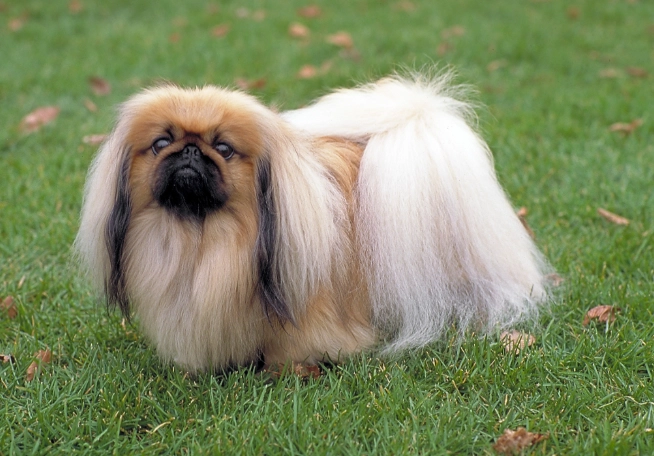
Pekingese Health: A Proactive Owner's Guide
This is the most important section. Being a brachycephalic (short-faced) breed comes with inherent challenges. A responsible Pekingese owner isn't just reactive; they're proactive. Knowing what to look for can add years to your dog's life.
Top Health Concerns for the Breed:
- Brachycephalic Obstructive Airway Syndrome (BOAS): This is the big one. Their shortened airways make breathing inefficient. Symptoms include loud snoring, snorting, gagging, difficulty cooling down, and exercise intolerance. On a hot day, a Pekingese can overheat frighteningly fast. Never exercise them in heat, and always provide air conditioning. The University of Cambridge's Veterinary School has extensive resources on BOAS and responsible breeding practices. Severely affected dogs may require surgery to improve their quality of life.
- Eye Problems: Those beautiful, large eyes are vulnerable. They are prone to corneal ulcers (scratches), dry eye (keratoconjunctivitis sicca), and progressive retinal atrophy (PRA). Daily checks are a must. Any squinting, redness, or cloudiness warrants an immediate vet visit.
- Intervertebral Disc Disease (IVDD): Their long back and short legs put them at risk for slipped discs. This is critical: Never let your Pekingese jump on or off furniture. Use ramps or stairs. Signs include neck/back pain, crying out, wobbliness, or paralysis. This is a veterinary emergency.
- Luxating Patellas: A fancy term for loose kneecaps that pop out of place. It can cause a skipping gait or sudden lameness. Mild cases are managed with weight control; severe cases need surgery.
- Dental Disease: Crowded teeth in a small jaw lead to rapid tartar buildup. Daily tooth brushing and professional cleanings are essential to prevent pain and systemic infections.
Finding a breeder who prioritizes health is your first line of defense. Ask for health clearances for the parents: eye exams from the Canine Eye Registration Foundation (CERF), patella evaluations, and cardiac exams. The Pekingese Club of America is a great starting point for finding ethical breeders who follow a code of ethics. A good breeder will welcome these questions.
A: With excellent care, a Pekingese lifespan typically ranges from 12 to 15 years. Some live even longer. The keys are maintaining a healthy weight, managing their respiratory and eye health, and preventing back injuries.
Q: Are Pekingese good with other pets?
A: It depends heavily on early socialization. They can coexist peacefully with other dogs and cats, especially if raised together. However, their strong personality means they often try to be the "boss," even with much larger dogs. Supervised introductions are a must.
Q: Do they need a lot of exercise?
A: Not in the traditional sense. They are perfect apartment dogs. A couple of short, leisurely walks each day and some indoor play are sufficient. Their main limitation is their breathing, not their energy. Overexertion is dangerous.
Is a Pekingese the Right Dog for You? The Honest Checklist
Let's cut to the chase. Don't get a Pekingese because they look like a teddy bear. Get one if your lifestyle and personality align with their needs.
You might be a perfect match if:
- You're home a lot and desire a quiet, devoted companion.
- You have the time, patience, and budget for serious grooming.
- You live in a calm household without young children.
- You appreciate a dog with a big, independent personality.
- You're a proactive person willing to stay on top of potential health issues.
- You live in a climate-controlled environment (apartments are ideal).
You should probably reconsider if:
- You want an obedient, easy-to-train dog for activities.
- You have a very active, outdoorsy lifestyle.
- Your home is chaotic, loud, or has toddlers.
- You're not prepared for significant grooming or potential vet bills.
- You live in a very hot or humid climate without reliable AC.
- You're away from home for long, regular hours.
Before you buy, please consider adoption. Breed-specific rescues are full of wonderful Pekingese dogs of all ages who need a second chance. Organizations like Petfinder can connect you with rescues nationwide. An adult dog's personality is already evident, and you might just skip the most challenging parts of puppyhood.
Bringing Your Pekingese Home: First Steps
Okay, you've decided to take the plunge. Preparation is everything.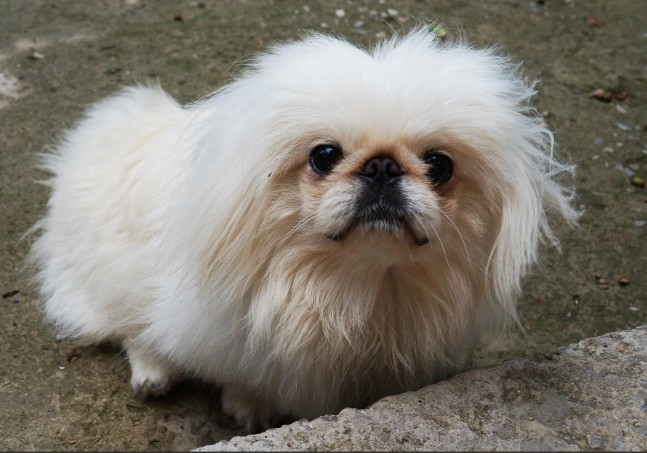
Puppy-proof your home like you would for a toddler, but lower. Get down on their level. Look for electrical cords, small objects they could swallow, and block off access to stairs. Invest in high-quality, shallow food and water bowls (ceramic or stainless steel) to minimize mess with their flat faces. A good harness is mandatory—never use a neck collar, as it puts pressure on their delicate trachea.
Start grooming and handling exercises from day one, even if it's just for 30 seconds. Get them used to having their paws, face, and mouth touched. This builds trust and makes future vet and grooming visits less traumatic for everyone. Enroll in a positive reinforcement puppy kindergarten class. The socialization with other puppies and people in a controlled setting is invaluable, even for a breed known for its aloofness.
Remember, the goal isn't to break their spirit. It's to build a partnership based on mutual respect. You're not the boss of a Pekingese; you're their trusted guardian and most favored servant. And honestly, when they finally curl up on your lap with a contented sigh, looking up at you with those ancient, knowing eyes, all the brushing, the stubborn walks, and the face-wiping feels completely worth it. They offer a unique, deeply rewarding kind of love—one that's been centuries in the making.
Just make sure you have a good vacuum.