Can Dogs Eat Pickles? The Full Guide to Safety, Risks & Healthy Alternatives
So your dog is giving you the look. You're holding a pickle, crunching away, and those big, hopeful eyes are locked onto your snack. The question pops into your head, as it has for countless dog owners: can dogs have pickles? I've been there. My own Labrador, Bear, once managed to snatch a whole dill pickle off a plate when I turned my back for two seconds. The panic was real. That incident sent me down a rabbit hole of research, talking to vets, and sifting through conflicting advice online. What I found wasn't just a simple yes or no. It's a story about salt, spices, and a dog's biology that's more complicated than you might think. Let's cut to the chase first: While a tiny, plain piece of cucumber pickle might not immediately land your dog in the emergency room, the overwhelming consensus from experts is that you should not make a habit of feeding pickles to your dog. The risks far, far outweigh any negligible benefit. Asking "can dogs eat pickles?" is really asking about a cocktail of potential problems. This guide isn't about fear-mongering. It's about giving you the full picture so you can make the best choice for your furry friend. We'll dissect exactly what's in that pickle jar, break down the real dangers (some are sneaky!), and most importantly, give you a whole list of safer, healthier snacks that will make your dog's tail wag without the worry. To understand why pickles and dogs are a bad mix, you have to look past the crunchy cucumber. The pickling process transforms it. We're talking about a brine that's a minefield for canine health. Here’s the breakdown of the usual suspects in a standard pickle jar: Okay, so the ingredients list looks scary. But what actually happens if a dog eats a pickle? It's not always dramatic, but the potential consequences are serious enough to warrant caution. This is the big one. Dogs process salt very differently than we do. Their bodies aren't built to handle high concentrations. According to the ASPCA Animal Poison Control Center, excessive salt intake can lead to sodium ion poisoning. What does that look like? It starts with excessive thirst and urination—your dog will be at the water bowl constantly. Then it can escalate to vomiting, diarrhea, lethargy, and in severe cases, tremors, seizures, and even death. It doesn't take a huge amount relative to their body weight to cause issues, especially for small dogs. Think about it: a single large dill pickle can contain over 1,000 mg of sodium. For a 20-pound dog, that's a massive, dangerous dose. If you're checking a label and see garlic or onion in any form (powder, flakes, salt), that jar is an immediate danger. The American Kennel Club (AKC) explicitly lists garlic and onions as toxic, causing oxidative damage to red blood cells and leading to hemolytic anemia. Symptoms might not appear for a few days and include weakness, pale gums, and rapid breathing. Even if a pickle is miraculously free of garlic and low in salt (rare!), the acidity from vinegar and the unfamiliar spices are a recipe for an upset stomach. We're talking about gas, bloating, abdominal pain, diarrhea, or vomiting. Not fun for you to clean up, and certainly not fun for your dog to experience. Feeding high-sodium, sugary snacks like pickles regularly contributes to bigger problems down the line: hypertension (high blood pressure), heart strain, obesity, and pancreatitis (especially from fatty, sweet relishes or pickles in creamy sauces). It's just empty, harmful calories. My rule of thumb: If a food requires a lengthy ingredient check and a risk assessment before sharing, it's probably not a good dog snack. Their treats should be simple and safe by design. Let's be perfectly honest and practical. If your dog snags a single, small piece of a plain, unseasoned dill pickle cucumber (think the kind that's just cucumber, water, vinegar, salt, and maybe dill), the world likely won't end. The key words are tiny, plain, and accidental. But this is where I have to be a bit of a downer. Actively choosing to give your dog a pickle, even under these "ideal" conditions, is a risk with zero reward. There is no nutritional benefit for your dog in a pickle. They get no essential vitamins or minerals they can't get from better sources. You're giving them a high-sodium, acidic food for no reason other than they begged. So, while the answer to "can dogs have pickles" in a strict, technical sense for a specific type might be "a microscopic piece probably won't hurt," the better, more responsible answer is "you really shouldn't." Why play with fire when there's a whole pantry of safer options? Not all pickles are created equal, but sadly, they're all problematic. Here’s a breakdown from worst to... still bad. See a pattern? The risk is almost always high. Searching for a "safe" pickle for your dog is like looking for a needle in a haystack—a pointless exercise when the haystack itself is made of healthier dog treats. Accidents happen. Dogs are opportunists. Here's your step-by-step, don't-panic guide. Now for the fun part! You want to give your dog a crunchy, satisfying treat. I get it. The good news is, nature (and the pet store) is full of amazing options that are actually good for them. Here’s my go-to list of treats that make the question "can dogs have pickles?" totally irrelevant: Pro Tip: When introducing any new food, even healthy fruits and veggies, start with a small amount to see how your dog's stomach handles it. Every dog is an individual. Absolutely not. This is concentrated brine—liquid salt and vinegar. Even a small lick can contain a dangerous amount of sodium for a small dog. It offers zero benefit and high risk. Some misguided "home remedy" sites suggest it for cramping, but this is dangerous advice. Always consult your vet for safe hydration and electrolyte solutions. Excessive thirst (polydipsia) is the first and most common sign of sodium overload. Yes, you should be concerned. Monitor them very closely for the next 12-24 hours for any other symptoms (vomiting, diarrhea, lethargy). If the drinking is extreme or other symptoms appear, call your vet. Provide plenty of fresh water in the meantime. They are both bad, but through different mechanisms. Grapes/raisins cause sudden kidney failure through an unknown toxin, and even a small amount can be fatal. Pickles are dangerous primarily due to their high sodium content and potential toxic additives (garlic/onion). The toxicity is more dose-dependent and predictable, but still very serious. Even worse! Relish is often sweeter (more sugar) and can contain other unsafe ingredients like onions. The hot dog itself is high in salt and fat. This combination is a gastrointestinal disaster waiting to happen—pancreatitis risk is real here. Never give your dog a hot dog with toppings. It means you got lucky that one time. It doesn't mean it's safe or a good idea to repeat. Think of it like junk food for humans: eating one chip won't kill you, but making it a habit leads to health problems. For dogs, the margin for error is much smaller. Consistency is key to their health. So, after all this, can dogs have pickles? The responsible, evidence-based answer is a firm no. The risks—from sodium poisoning and toxic garlic to simple digestive misery—are significant and well-documented by experts like the ASPCA and the AKC. The benefits are non-existent. Owning a dog is about making choices for a creature that depends on you completely. Choosing their snacks is part of that stewardship. When those pleading eyes look at your pickle, see it as an opportunity. An opportunity to reach for the cucumber instead, or a carrot, or a blueberry. You'll be giving them a moment of joy that also protects their long-term health. It's a small choice that makes a big difference. And honestly, watching a dog crunch happily on a fresh cucumber stick is just as satisfying as seeing them sneak a risky pickle—maybe more so, because you can relax and enjoy the moment, worry-free.In This Guide
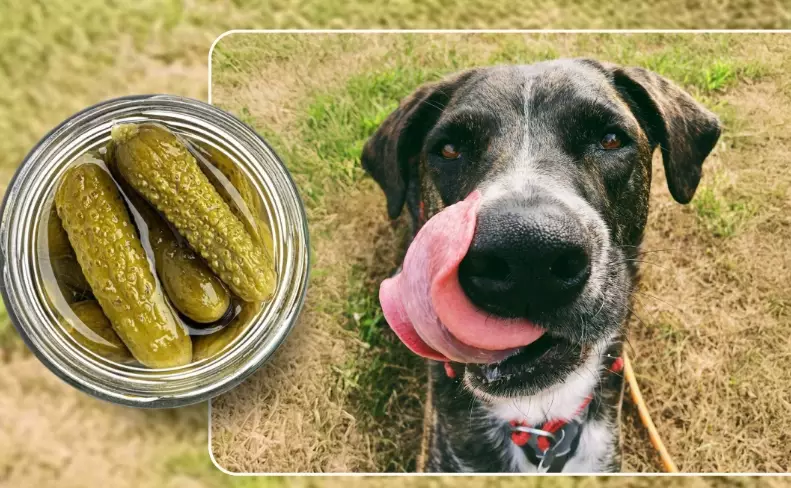
What's Actually in a Pickle? Breaking Down the Jar of Trouble
The Real Risks: Why "Can Dogs Have Pickles?" is a Risk Assessment
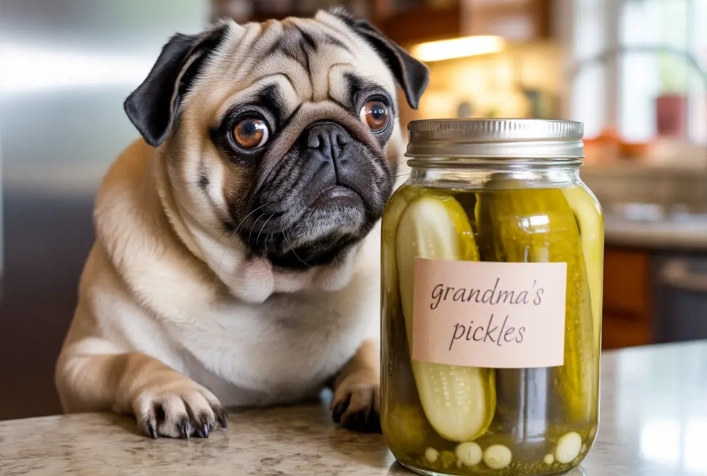
Sodium Poisoning: The Silent, Serious Threat
Toxic Additives: Garlic, Onion, and Hidden Spices
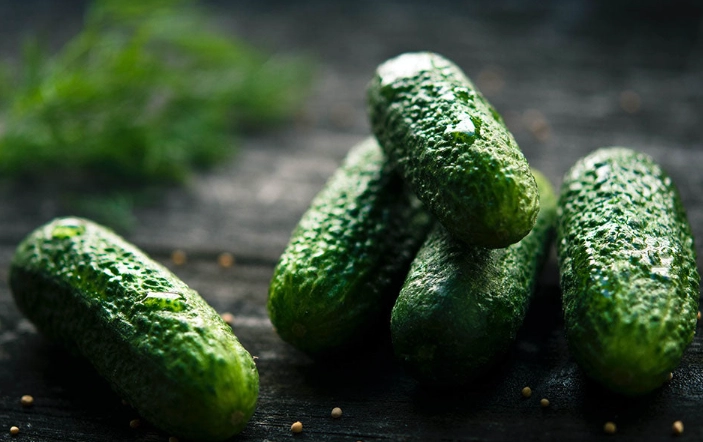
Digestive Upset: A Guaranteed Bad Time
Long-Term Health Issues
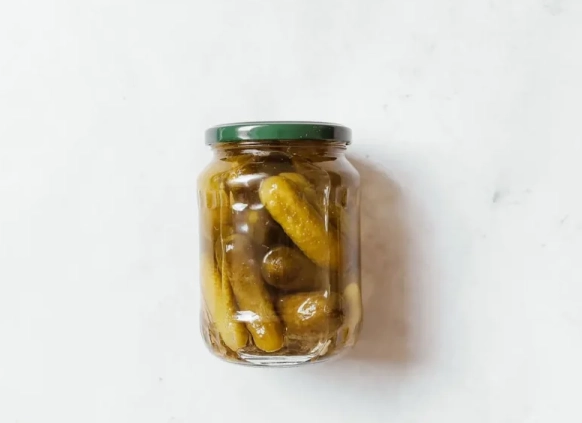
The (Very Narrow) Exception: When *Might* a Tiny Piece Be Okay?
What About Different Types of Pickles? A Quick Risk Ranking
Type of Pickle Key Dangers Risk Level Our Verdict Spicy Pickles / Peppers (Jalapeño, Pepperoncini) Capsaicin causes severe mouth/stomach pain, vomiting, diarrhea. High sodium. EXTREME Absolutely not. Can cause significant distress. Pickled Onions / Garlic Direct, concentrated source of toxic allium compounds (onion, garlic). EXTREME Highly toxic. Contact vet immediately if ingested. Sweet Pickles / Bread & Butter Chips Extremely high in sugar, often high in sodium, artificial colors/flavors. HIGH Avoid. Sugar rush and crash, obesity risk. Kosher Dill Pickles Very high sodium, often contains garlic. HIGH Assume it has garlic. Do not feed. "Fresh" or Refrigerator Dill Pickles High sodium, may have garlic/dill/other spices. Less preservatives. MODERATE-HIGH Still a major sodium bomb. Not recommended. Low-Sodium / No Garlic Pickles (Rare) Acidity, potential for other spice irritation. Minimal nutritional value. LOW-MODERATE If you MUST, a tiny piece. But why bother? 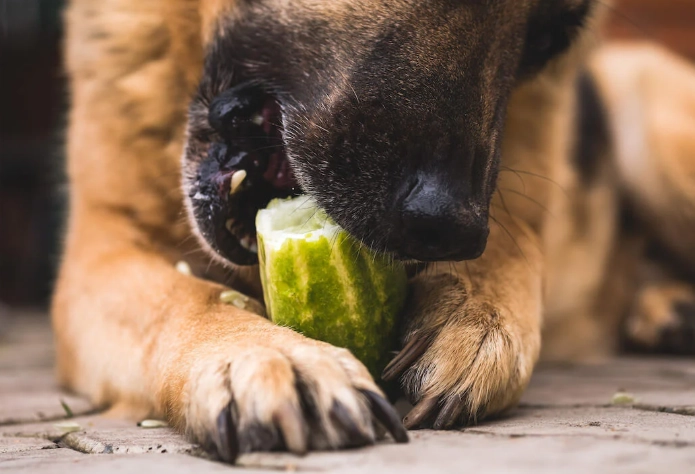
What To Do If Your Dog Ate a Pickle (Or a Whole Jar!)
The Good Stuff: Healthy & Safe Alternatives to Pickles
Your Questions, Answered: The Pickle FAQ
The Final Verdict: A Clear Path Forward