Beta Fish Care Guide: Complete Setup, Feeding, and Health Tips
In This Guide
- Beyond the Cup: Choosing Your Perfect Betta
- The Tank: Your Betta's Real Home (Forget Everything About Bowls)
- The Magic of a Cycled Tank (The "Secret" to Easy Care)
- Feeding Your Betta Fish: Quality Over Everything
- Keeping the Peace: Tank Mates and Decor
- Spotting Trouble: Common Betta Health Issues
- Your Betta Questions, Answered
- The Journey Ahead
Let's be real. You've probably seen them. Those stunning, flowing beauties in tiny cups at the pet store, looking more like living art than pets. The betta fish, or Siamese fighting fish, has a reputation for being the "easy" starter fish. And that's where a lot of the problems begin. I've been keeping bettas for over a decade, and I've made every mistake in the book so you don't have to. This isn't just a care sheet—it's the straight talk you need before you bring one of these charismatic little guys home.
The Big Truth: A healthy, happy betta fish is a vibrant, interactive pet that can live for 3-5 years, sometimes longer. The sad, listless ones in bowls? That's a symptom of misunderstanding their needs. We're going to fix that.
Beyond the Cup: Choosing Your Perfect Betta
Walking into the store is overwhelming. So many colors, so many fin types! But your first decision shouldn't be about color; it should be about health. A healthy betta is alert. When you approach, it should react—maybe flaring its gills, maybe swimming to the front of the cup. Its fins should be relatively intact, not clamped tightly to its body or full of holes (which can signal fin rot). The water in the cup should be reasonably clear. Avoid any fish with visible white spots (like salt grains) or fuzzy patches.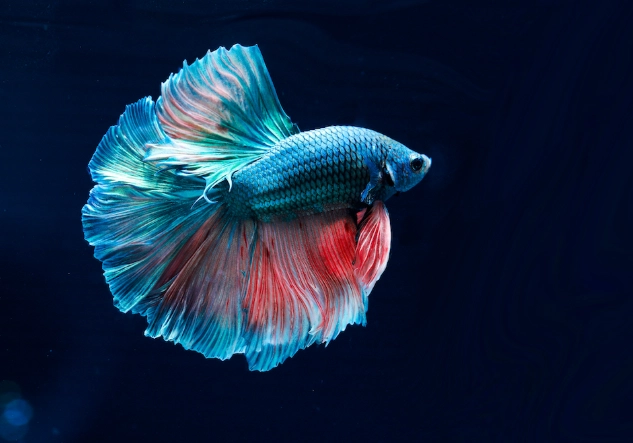
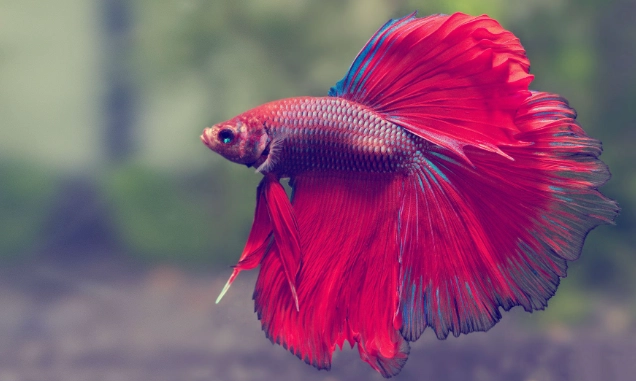
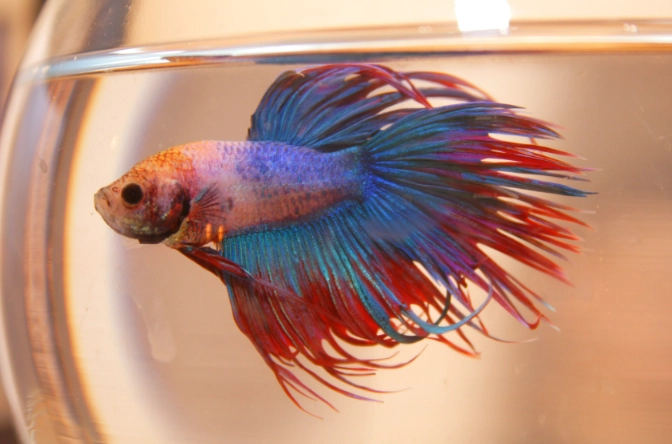
Now for the fun part: picking your type. The classic Veiltail is what most people picture. But have you seen a Halfmoon? When they flare, their tail forms a perfect 180-degree semicircle—it's breathtaking. Crowntails have spiky, reduced webbing between their fin rays, giving them a regal, thorny crown look. Plakats have short, rounded tails and are incredibly energetic swimmers because they aren't weighed down by heavy fins. Personally, I'm a sucker for Plakats. Their feisty personalities and zooming around the tank are a constant delight.
| Betta Tail Type | Key Characteristics | Care Consideration | My Personal Take |
|---|---|---|---|
| Veiltail | Long, flowing, downward-sweeping tail. Most common. | Prone to fin-nipping and tearing. Needs calm water flow. | The classic beauty, but a bit fragile. Great for a first-time showy fish. |
| Halfmoon | Tail forms a perfect 'D' or semicircle (180°) when flared. | Heavy fins can make swimming laborious. Requires pristine water. | Stunning, but often less active. Like having a living flower in your tank. |
| Crowntail | Fin rays extend beyond webbing, creating a spiky look. | Less webbing can be slightly more prone to damage. | Aggressive look, surprisingly personable. One of my favorites for character. |
| Plakat (Short-Fin) | Short, rounded fins similar to wild bettas. | Most active, best jumper. Needs a very secure lid. | My top pick for beginners. Hardy, energetic, and less fin-related health issues. |
The Tank: Your Betta's Real Home (Forget Everything About Bowls)
This is the most critical step, and the one where most well-meaning owners fail. That one-gallon bowl with a plastic plant is a death sentence, just a slower one than you'd think. Why? Bettas may breathe air from the surface, but they still produce waste that pollutes the water. In a tiny volume, toxins like ammonia and nitrite build up fast, burning their gills and fins.
The absolute minimum tank size is 5 gallons (19 liters). I know, I know. The cups are smaller. But we're aiming for a life, not just survival. A 5-gallon tank gives you room for a gentle filter, a small heater, some plants, and swimming space. It's also vastly more stable—water parameters won't swing wildly with a single missed water change. My first betta lived in a 2.5-gallon "kit" tank. He survived, but he never thrived like my current ones in their planted 10-gallons. The difference in vibrancy and behavior is night and day.
The Non-Negotiable Equipment Checklist
- Heater: Bettas are tropical fish. Their water needs to be a steady 78-80°F (25-27°C). Room temperature is almost always too cold, leading to lethargy and a suppressed immune system. A small, adjustable 25-50 watt heater is perfect for a 5-10 gallon tank.
- Filter: Crucial for housing beneficial bacteria that process waste. But bettas hate strong currents. Look for a filter with an adjustable flow (like a hang-on-back) or use a gentle sponge filter. Sponge filters are cheap, effective, and provide a gentle flow perfect for a betta's long fins. You can find great setup guides for these on the Aquarium Co-Op website.
- Lid: Bettas are notorious jumpers. A tight-fitting lid is mandatory, no exceptions. I learned this the hard way with my first Plakat.
- Water Conditioner: Tap water contains chlorine/chloramines that kill fish. A conditioner like Seachem Prime instantly neutralizes these and also detoxifies ammonia for 24-48 hours—a lifesaver during emergencies.
The Magic of a Cycled Tank (The "Secret" to Easy Care)
This sounds technical, but it's simple: you need to grow good bacteria before you add your fish. This is called the nitrogen cycle. Fish waste produces toxic ammonia. Bacteria grow that turn ammonia into nitrite (also toxic). Then different bacteria grow that turn nitrite into nitrate (less toxic, removed by water changes).
Setting up a tank, adding water and conditioner, and immediately adding your betta fish is called a "fish-in cycle." It's stressful for you and the fish, as it fights through toxin spikes. Do a "fishless cycle" instead. Set up your tank with the filter running. Add a pinch of fish food every day to decay and produce ammonia. Use a liquid test kit (strips are notoriously inaccurate) to monitor. After 1-4 weeks, you'll see ammonia rise, then fall to zero as nitrite rises, then nitrite fall to zero as nitrate rises. When you can add an ammonia source and it converts to nitrate within 24 hours, your tank is cycled and safe. Resources like the Fishlore Nitrogen Cycle Guide break this down perfectly.
My Biggest Mistake: I didn't cycle my first tank. My poor betta, Blue, spent weeks clamped and hiding. I was doing daily water changes, stressed out of my mind. Once I understood cycling, everything became calmer—for me and the fish.
Feeding Your Betta Fish: Quality Over Everything
Those tiny pellets in a cartoonish jar? Often low-quality fillers. A betta's diet in the wild consists of insects and larvae. We need to mimic that. Look for high-protein pellets or flakes where the first ingredient is a whole meat like fish, shrimp, or krill. Brands like Fluval Bug Bites are excellent.
How much? This is critical. A betta's stomach is about the size of its eyeball. Overfeeding is the #1 cause of bloating, constipation, and water quality issues. Feed 2-3 pellets, twice a day. Watch him eat. If he spits it out, the pellet might be too hard—try soaking it for a few seconds. Once or twice a week, offer a treat like a thawed frozen bloodworm or daphnia. These are like candy to them! But just a treat.
Fast your betta one day a week. No food. This gives their digestive system a break and helps prevent issues. If you see his belly bulge right after eating, that's normal. If it stays bloated for days, he's likely constipated and may need a fast for 2-3 days or a treat of a cooked, deshelled pea.
Keeping the Peace: Tank Mates and Decor
Male betta fish are called Siamese fighting fish for a reason. They will fight other males to the death. Never house two males together. The idea of a "betta sorority" of females is advanced and requires a very large, heavily planted tank—not for beginners.
So, can a betta have friends? In a tank 10 gallons or larger, maybe. The key is choosing peaceful, non-fin-nipping, non-flashy tank mates. Even then, it's a risk. Some bettas are simply murderous and won't tolerate anything. Good potential candidates include:
- Snails: Nerite snails are fantastic algae eaters and their hard shells protect them.
- Shrimp: Amano or Cherry shrimp. Warning: a betta might see them as expensive snacks. Introduce shrimp as juveniles with plenty of hiding places (moss!).
- Bottom Dwellers: A small group of pygmy Corydoras catfish in a 15+ gallon tank can sometimes work, as they ignore the betta and clean up leftovers.
For decor, smooth is the rule. Silk plants or real plants are infinitely better than plastic, which can shred delicate betta fins. If you use driftwood, make sure it's aquarium-safe and doesn't have sharp points. Caves and hides are appreciated, but ensure the openings are smooth and large enough for their fins to pass through without snagging.
Live Plants Tip: Don't be intimidated! Anubias and Java Fern are bulletproof. Don't even plant them in the substrate—just tie or glue them to a rock or driftwood. They suck up nitrates, provide cover, and make the tank look a million times better.
Spotting Trouble: Common Betta Health Issues
Even with perfect care, things can happen. Catching problems early is everything.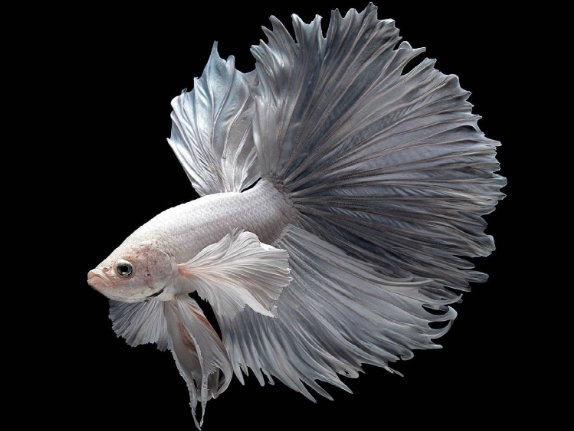
- Fin Rot: Fins look ragged, melted, or have black/red edges. Cause: Poor water quality or stress. Fix: IMMEDIATELY improve water conditions. Test parameters, do a series of small water changes. Severe cases may need antibacterial medication.
- Ich: Looks like your fish was sprinkled with salt. Fish may scratch on decor. Cause: A parasitic protozoan. Fix: Raise the tank temperature gradually to 86°F (30°C) for 10-14 days, or use an ich medication. The higher temperature speeds up the parasite's lifecycle.
- Swim Bladder Disorder: Fish struggles to swim upright, may float or sink. Cause: Often constipation from overfeeding. Fix: Fast for 2-3 days, then offer a cooked, deshelled pea. If not improved, it could be bacterial or a permanent deformity.
- Lethargy/Clamped Fins: Fish sits at bottom or top, fins held tight. Cause: Usually water quality or temperature. First step: Always test your water. The Fish Vet Diagnostic Tool can be a helpful starting point for symptoms, but is no substitute for a real vet for serious cases.
I keep a simple "hospital kit" on hand: a quarantine tank, Seachem Prime, an ich medication, and an antibacterial like Erythromycin. It has saved me frantic late-night store runs more than once.
Your Betta Questions, Answered
The Journey Ahead
Getting a betta fish shouldn't be an impulse buy. It's a commitment to a living creature that, when given the right home, shows incredible personality. You'll have the one who's always at the front begging for food, the shy one who hides in the plants, the grumpy one who flares at the snail. They're individuals.
Setting up right from the start—with a proper tank, cycle, and equipment—transforms it from a chore into a joy. You'll spend less time fighting problems and more time just enjoying your little underwater jewel. It's a small slice of nature in your home, and there's something deeply satisfying about that.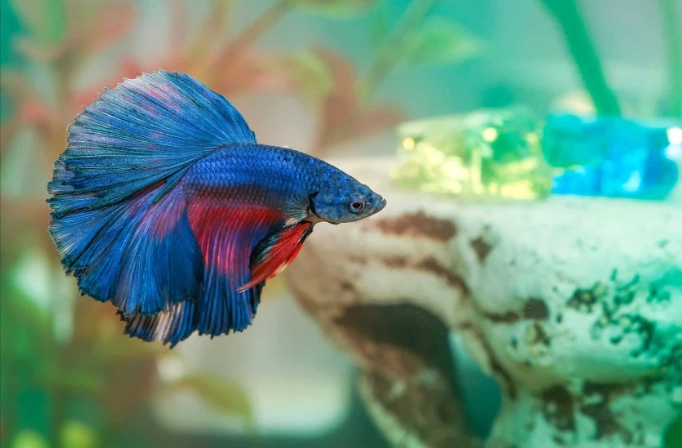
Do your research, be patient with the setup, and choose your fish wisely. That vibrant, interactive betta you've imagined is absolutely within reach. You just have to give it the home it truly deserves.
Related Articles