Can Dogs Eat Kiwi? Vet-Approved Guide to Benefits, Risks & Safe Feeding
So, you're slicing up a kiwi for your snack, and those big, hopeful eyes are locked onto you. That furry little food critic is wondering if they can have a piece. I've been there. My own dog, a Labrador with a passion for anything that hits the floor, once swiped a whole slice off the counter. Panic? A little. A deep dive into research? Absolutely. So let's cut through the noise and talk honestly about whether dogs can eat kiwi.
Key Points
- Why Even Consider Kiwi? The Good Stuff Inside
- The Not-So-Sweet Side: Risks and Reasons to Pause
- How to Feed Kiwi to Your Dog: A Step-by-Step Safety Plan
- Kiwi vs. Other Common Fruits: A Quick Comparison
- Your Kiwi Questions, Answered (The Real Ones Dog Owners Ask)
- When to Absolutely Say No to Kiwi
- The Bottom Line: My Final Take
The short answer is yes, but it's not as simple as just handing over a chunk. Think of it like this: you wouldn't give a kid a whole apple without cutting it up first, right? Same idea. Kiwi can be a fun, healthy occasional treat for most dogs, packed with some great stuff. But it also comes with a few "watch out" flags that you really need to know about. Ignoring them is how good intentions turn into a stressful vet visit.
The Quick Verdict: Yes, ripe kiwi flesh is generally safe for dogs in small, controlled amounts. The skin and seeds, while not toxic, are tough to digest and pose a choking risk. Always peel it, cut it into small pieces, and treat it as a rare snack, not a meal.
Why Even Consider Kiwi? The Good Stuff Inside
Let's be real, dogs don't need kiwi. Their main food should always be a complete and balanced dog food. But as a little extra? Kiwi brings some interesting things to the table. It's not just empty calories.
The main attraction is vitamin C. Now, dogs actually produce their own vitamin C, unlike humans, so they don't require it from food. But some vets and pet nutritionists suggest that extra vitamin C, especially for older dogs or those under stress, can act as a supportive antioxidant. It's like giving their immune system a little extra armor. Not essential, but potentially helpful.
Then there's fiber. Kiwi is famous for its fiber content, which can be a double-edged sword. A small amount can help keep things moving smoothly for a dog with occasional constipation. But give too much, and you'll be cleaning up a messy situation. Trust me on that one.
You also get a dose of vitamin K (good for blood and bones), potassium (helps with muscle and nerve function), and various antioxidants. These are all beneficial compounds, the same reason humans are told to eat colorful fruits.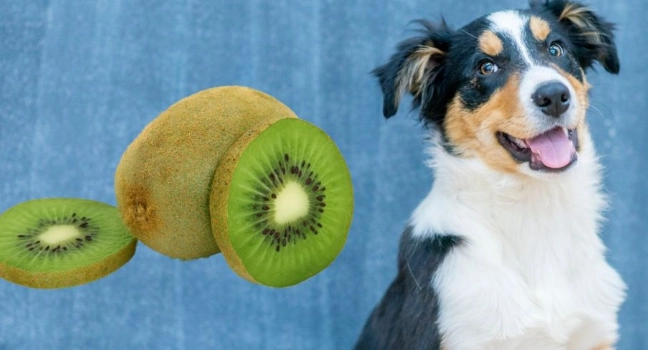
But here's my personal take: the benefits are a nice bonus, not the main reason to feed it. The main reason is that it's a safe way to give your dog a variety of textures and tastes. Enrichment, I guess you'd call it. Watching my dog carefully nibble a new, juicy treat is kind of fun for both of us.
The Not-So-Sweet Side: Risks and Reasons to Pause
This is the part most blog posts breeze over, and it drives me nuts. They shout "SUPERFOOD!" and forget the practical realities of owning a real, often-goofy dog. Let's get into the risks, because knowing them is what makes you a responsible owner.
Choking Hazard & Intestinal Blockage: This is my number one concern. Kiwi seeds are tiny, but the skin? That's the real problem. It's fuzzy, tough, and doesn't break down easily. A dog that gulps food (looking at you, Labs) might swallow a large piece of skin whole. That can lodge in the throat or, worse, cause an obstruction in the intestines. Surgery-level worse. Always, always remove the skin.
Next up: sugar. Kiwi has natural sugars, which means calories. An extra 50 calories might not seem like much, but for a small dog, that's a big chunk of their daily intake. Regular sugary treats are a fast track to weight gain and related issues like diabetes. So, can dogs eat kiwi fruit without weight issues? Only if it's a tiny, infrequent part of their diet.
Digestive upset is almost a guarantee if you overdo it. The high fiber and acidity can lead to gas, diarrhea, or an upset stomach, especially if it's your dog's first time. Their guts are used to their regular kibble, not tropical fruit.
And then there are allergies. It's rare, but any new food carries a risk. Signs include itching, hives, swelling around the face, or vomiting. I always do a "paw test" with any new human food: give a piece the size of a pea, wait 24 hours, and see if anything weird happens.
Oh, and the oxalates. Kiwi contains calcium oxalate crystals. For most dogs, this is irrelevant. But for dogs prone to calcium oxalate bladder stones, it's a food best avoided entirely. If your dog has a history of stones, skip the kiwi and talk to your vet.
How to Feed Kiwi to Your Dog: A Step-by-Step Safety Plan
Okay, you've weighed the pros and cons and want to give it a try. Here's exactly how I do it, broken down so you don't miss a step.
- Pick a Ripe Kiwi: Go for one that's slightly soft to the touch. A hard kiwi is more acidic and harder to digest.
- Wash It Thoroughly: Scrub the outside under running water. You're removing dirt and potential pesticide residue, even though you'll peel it.
- Peel the Skin Completely: Use a vegetable peeler or knife. Get all of that fuzzy skin off. This is non-negotiable.
- Cut into Safe, Small Pieces: Dice the green flesh into small, bite-sized cubes appropriate for your dog's size. For a Chihuahua, that's a cube the size of your pinky nail. For a Great Dane, maybe a cube the size of a dice. The goal is to prevent gulping.
- Start with a Tiny Amount: For the first time, offer one small piece. Monitor your dog for the rest of the day for any signs of stomach trouble or allergy.
- Feed by Hand or in a Bowl: Place it in their bowl or offer it from your hand. Don't toss it in the air—that encourages reckless gulping.
Pro Tip I Learned the Hard Way: Feed kiwi after a meal, not on an empty stomach. Having some regular food in their belly seems to buffer the acidity and fiber, making an upset tummy less likely.
How Much Kiwi Can My Dog Eat?
This is the million-dollar question. The golden rule for any treat (human food or dog treats) is that it should not make up more than 10% of your dog's daily calories. Kiwi should be a fraction of that treat allowance.
Here's a rough guide that's served me well. Remember, less is always more.
| Dog Size | Example Breed | Max Kiwi per Serving | Frequency |
|---|---|---|---|
| Small (under 20 lbs) | Chihuahua, Pomeranian, Yorkie | 1-2 small cubes (½ tsp) | Once a week at most |
| Medium (20-50 lbs) | Beagle, Cocker Spaniel, Bulldog | 3-4 small cubes (1-2 tsp) | Once or twice a week |
| Large (50-90 lbs) | Labrador, Golden Retriever, German Shepherd | 5-6 small cubes (1 tbsp) | Once or twice a week |
| Giant (90+ lbs) | Great Dane, Mastiff, St. Bernard | 7-8 small cubes (1.5 tbsp) | Once or twice a week |
See how small those amounts are? A serving for a big Lab is about one-sixth of a whole kiwi. That's it. This isn't a meal. It's a taste.
More than this, and you're inviting trouble.
Kiwi vs. Other Common Fruits: A Quick Comparison
Where does kiwi stand in the grand scheme of "people food" for pups? It's safer than some, but you have better options for daily treats.
Better/More Common Choices: Blueberries, sliced apples (no core/seeds), sliced bananas, seedless watermelon (no rind), and canned plain pumpkin are often easier on the stomach and less messy to prepare. They're my usual go-tos.
More Dangerous Choices: Grapes/raisins (highly toxic), cherries (pits contain cyanide), avocados (pit and skin are risky, flesh is debated), and any fruit with large pits (peaches, plums) are definite no-gos. Kiwi is far safer than these.
So, can dogs eat kiwi as readily as blueberries? Not quite. Blueberries are simpler—wash and serve. Kiwi requires prep. But in terms of safety when prepared correctly, it's in the same "okay in moderation" category.
Honestly, my dog prefers blueberries. He'll do tricks for them. Kiwi? He sniffs it curiously, eats it politely, but doesn't go crazy. Don't feel like you must add kiwi to their diet. If your dog turns up their nose, no loss. There are plenty of other healthy snacks.
Your Kiwi Questions, Answered (The Real Ones Dog Owners Ask)
I scoured forums, talked to other dog people, and remembered my own initial worries. Here are the questions that actually pop up.
My dog ate kiwi skin! What do I do?
Don't panic immediately. A small amount of skin might pass through with no issue, though it could cause some mild stomach ache or diarrhea. The concern is the quantity and the size of the piece. Monitor your dog closely for the next 24-48 hours. Watch for signs of distress: vomiting, loss of appetite, lethargy, straining to poop, or not pooping at all. If you see any of these, or if they ate a large piece of skin, call your vet right away. Better safe than sorry.
Can puppies eat kiwi?
I'd be extra cautious here. Puppies have super-sensitive digestive systems that are still developing. Introducing unusual foods can easily cause diarrhea, which is dangerous for a small puppy due to dehydration. It's best to stick to their puppy food and treats specifically formulated for them until they're at least a year old. There's just no need to risk it.
Is kiwi good for a dog's skin or coat?
You might read about vitamin C and antioxidants promoting skin health. In theory, yes, these nutrients play a role. In practice, the tiny amount of kiwi you'd safely feed is unlikely to make any visible difference to your dog's coat. For a shiny coat, focus on high-quality dog food with adequate omega fatty acids, regular grooming, and proper hydration. Don't rely on a weekly kiwi cube.
What are the symptoms of a kiwi allergy in dogs?
They're similar to any food allergy: itching (especially paws, ears, and rear), red skin, hives, swelling of the face/ears/lips, vomiting, or diarrhea. If you notice these symptoms after feeding kiwi, stop immediately and consult your vet. An antihistamine might be needed. For severe swelling or breathing trouble, it's an emergency—get to the vet ASAP.
Can dogs have golden kiwi?
Golden kiwi (with yellow flesh) is nutritionally similar to the green variety, though it's often slightly sweeter and less acidic. The same rules apply: peel it, cut it small, and feed sparingly. Some dogs might find the milder taste more appealing.
When to Absolutely Say No to Kiwi
Some situations make this an easy call. Don't even think about it if:
- Your dog has a known history of calcium oxalate bladder stones.
- Your dog has a sensitive stomach or a condition like pancreatitis (the sugar and acidity are bad news).
- Your dog is diabetic. The sugar spike isn't worth it.
- Your dog is overweight. Those are empty calories they don't need.
- You haven't had a chance to properly prepare it (no skin, cut up).
It's also worth checking with your vet during your next routine visit. Mention you're thinking about the occasional fruit treat and see if they have any breed-specific or health-specific advice. For a great resource on what foods are toxic to pets, the ASPCA's Animal Poison Control Center website is an authoritative, always-updated reference I trust.
The Bottom Line: My Final Take
So, can dogs eat kiwi? Yes, they technically can. The flesh of a ripe, peeled kiwi, fed in tiny amounts once in a blue moon, is safe for most dogs. It offers a bit of vitamins and fiber, and it's a novel experience for them.
But here's the real talk.
Is it necessary? Not at all. Is it worth the prep and the small but real risks of choking or upset stomach? That's your call. For me, it's a "sometimes" treat, way down on the list behind simpler options like carrots or blueberries.
The most important thing isn't the kiwi itself; it's the mindset. It's about asking the question, doing the research (like you are now), preparing the food safely, and respecting the tiny serving sizes. That's what keeps our dogs safe and healthy while we share little bits of our world with them.
If you're looking for a comprehensive, vet-backed list of other safe and unsafe human foods, the VCA Animal Hospitals website has excellent, detailed guides that I often refer to for a second opinion.
At the end of the day, your dog's wagging tail doesn't depend on kiwi. It depends on you being a thoughtful, informed owner. And you're already doing that by looking this up.
Related Articles