Ultimate Guide to Dry Skin in Dogs: Causes, Home Remedies & Vet Solutions
Let's be honest. There's nothing more heart-wrenching than watching your dog scratch himself raw. You hear that thump-thump-thump against the floor at night, see the little white flakes on his favorite bed, and maybe even notice patches where the fur looks a bit thin. You're not alone. A huge number of dog owners deal with this, and the first thing that usually comes to mind is dry skin.
But here's the thing I learned the hard way with my own Labrador, Barney. What looks like a simple case of dry skin canine issues can be a signpost for a dozen different problems underneath. Treating it just as "dry skin" is like putting a band-aid on a leaky pipe. It might cover the spot for a second, but the real issue is still there, waiting to cause more trouble.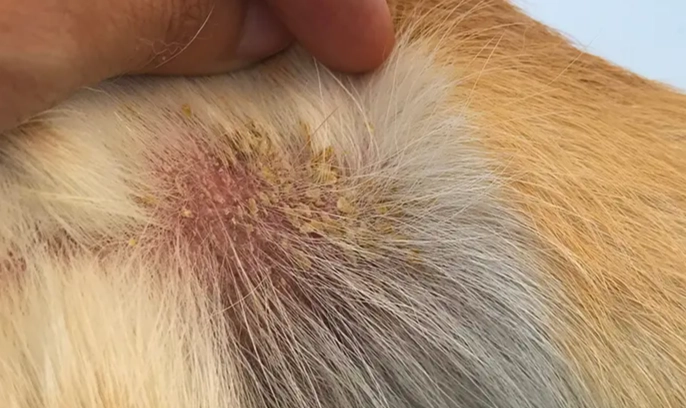
So, I spent way too much time digging into research, talking to vets, and yes, trying a bunch of remedies (some great, some total duds). This guide is everything I wish I'd known from the start. We're going to move past the guesswork and get into what's actually causing your dog's discomfort, what you can safely try at home, and most importantly, when you absolutely need to call in the professionals.
Quick Reality Check: If your dog is losing hair in clumps, has open sores, seems lethargic, or is scratching so intensely he's bleeding, stop reading and call your vet. This guide is for common, persistent dry skin issues, not acute medical emergencies.
Is It Really Just Dry Skin? Spotting the Signs
First, let's make sure we're talking about the same thing. Canine dry skin isn't one single symptom. It's a whole collection of clues your dog's body is giving you.
You'll probably see more than one of these:
- The Flakes: The classic dandruff. White or grayish flakes on his fur, especially along the back near the tail or on the lower back. You see them most when you brush him or when he gets up from a nap.
- The Scratch Symphony: Excessive scratching, licking (especially at paws or base of the tail), biting, or rubbing against furniture. It's not just a casual itch; it's persistent and focused.
- Dull, Rough Coat: That shine is gone. The fur feels coarse, dry, and brittle to the touch, almost like straw.
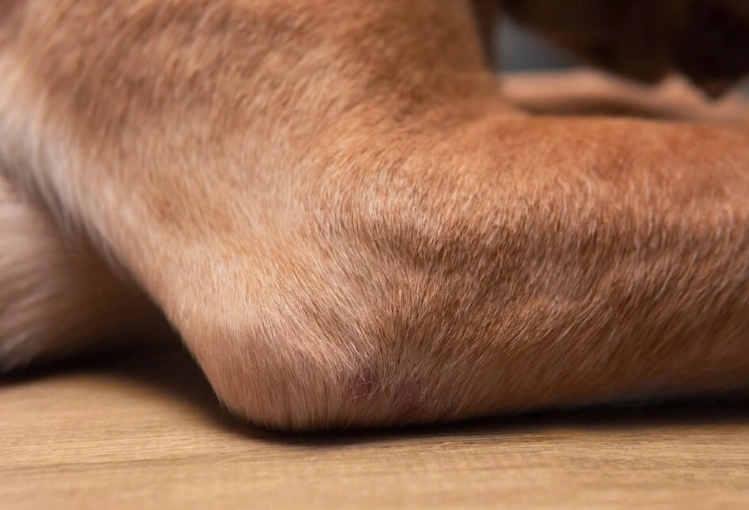
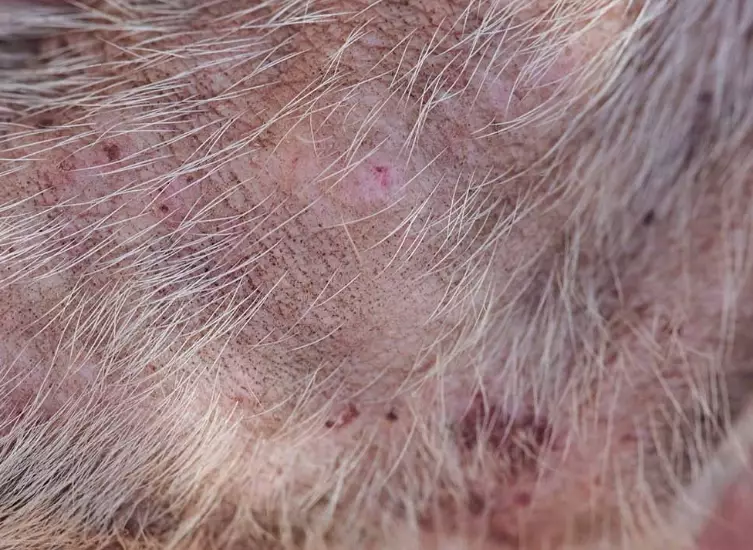
- Visible Irritation: Pink or reddish skin, especially in less hairy areas like the belly, armpits, or inner thighs. The skin itself might look tight or scaly.
- A Weird Smell: Sometimes, dry, flaky skin can get a secondary bacterial or yeast infection. If there's a musty, almost like corn chips or old bread smell, that's a red flag that it's more than just dryness.
I remember looking at Barney's flaky back and thinking, "Okay, he just needs some lotion." Boy, was I wrong. The scratching got worse. That's when I realized the dry skin was the symptom, not the disease.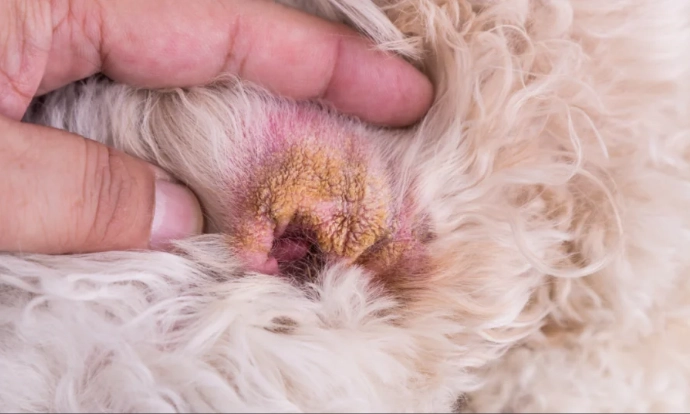
Think of your dog's dry, itchy skin as a 'check engine' light. Your job isn't just to turn off the light, but to find out why it came on in the first place.
The Usual Suspects: What's Actually Causing the Dryness?
This is where most articles just list things. But let's group them in a way that makes sense for how you'll actually deal with them. I like to split the causes into three buckets: Environmental Stuff, Food & Internal Stuff, and Medical Stuff.
Bucket 1: The Environmental Assault
Stuff in your dog's world that's directly irritating their skin.
- Low Humidity & Indoor Heating/A.C.: This is a massive one, especially in winter or in dry climates. Our forced-air heating sucks the moisture right out of the air—and out of your dog's skin. It's like living in a desert for their pores.
- Harsh Shampoos & Over-Bathing: Guilty as charged. I used to bathe Barney every two weeks with a generic "pet shampoo." Big mistake. Most shampoos strip the natural, protective oils (sebum) from a dog's skin and coat. If you're bathing more than once a month with a non-moisturizing shampoo, you might be the problem.
- Allergens in the Environment: Pollen, mold, dust mites, even grass. These are called atopic allergens, and they cause atopic dermatitis—a fancy term for allergic skin inflammation that often presents as dry, itchy skin in canines. It's often seasonal.
- Parasites: Fleas are the obvious villain (and even one flea bite can cause an allergic reaction in sensitive dogs), but don't forget about mites like Cheyletiella ("walking dandruff") which directly cause flaking and scaling.
Bucket 2: The Internal Equation (Food & Health)
What's going on inside your dog that shows up on the outside.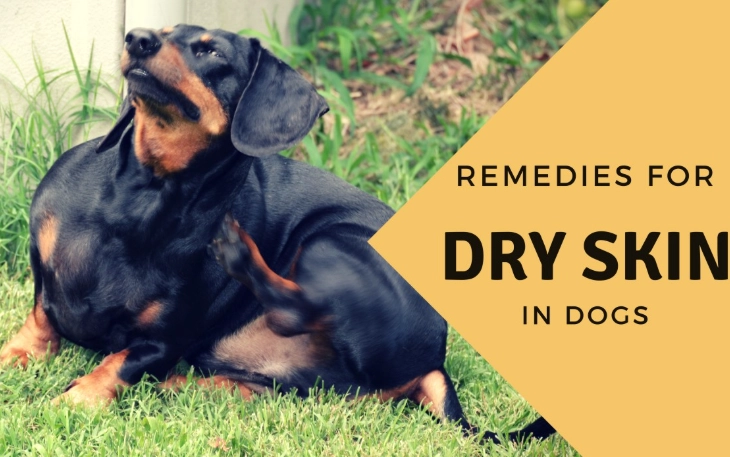
- Food Allergies or Sensitivities: This is a huge one. Proteins like beef, chicken, dairy, or eggs, and sometimes grains like wheat or corn, can trigger an inflammatory response that shows up as itchy, dry skin. It's not always a full-blown allergy; sometimes it's just an intolerance.
- Poor Diet / Nutritional Deficiencies: Skin health is directly linked to nutrition. If your dog's food is low in high-quality fats—specifically Omega-3 and Omega-6 fatty acids—the skin can't maintain its proper moisture barrier. It's like trying to build a brick wall without mortar. A lack of certain vitamins (like A, E, and B-complex) and minerals (like zinc) can also contribute.
- Dehydration: Sounds simple, but is your dog drinking enough? If he's not taking in enough water, his body will prioritize vital organs, and the skin is one of the first places to show the deficit.
- Underlying Health Conditions: Sometimes, canine dry skin is a side effect of something bigger. Hypothyroidism (an underactive thyroid gland) commonly leads to dry skin and hair loss. Cushing's disease, liver issues, or even some autoimmune diseases can manifest through skin problems.
Watch Out For This: If the dry skin is accompanied by other changes—like sudden weight gain/loss, increased thirst and urination, or lethargy—the internal cause bucket gets much heavier. A vet visit is crucial to rule out systemic diseases. The American College of Veterinary Dermatology has great resources on how skin conditions link to overall health, which you can find on their official website.
Bucket 3: The Genetic & Breed Factor
Let's not forget biology. Some dogs are just more prone to it. Breeds like Bulldogs, German Shepherds, Dalmatians, Dobermans, and yes, Labrador Retrievers often have more sensitive skin or are predisposed to conditions like seborrhea (which causes greasy or dry scaling).
So, you see? Throwing a generic moisturizing spray on the problem might help a dog suffering from dry winter air, but it'll do precisely nothing for a dog with a chicken allergy or hypothyroidism. You have to play detective.
The At-Home Action Plan: Safe & Sensible Remedies
Okay, enough diagnosis. What can you actually do right now? Let's start with the low-risk, high-reward changes you can make in your home. Think of this as the foundation.
Step 1: Fix the Bathing Blunders
This is often the fastest fix. Ditch the harsh, drying shampoos.
- Switch to a Moisturizing, Oatmeal-Based, or Hypoallergenic Shampoo: Look for keywords like "soothing," "moisturizing," or "for sensitive skin." Brands with colloidal oatmeal, aloe vera, or ceramides are great. My personal rule? If I wouldn't use something that harsh on my own scalp, I won't use it on my dog.
- Bathe Less, Rinse More: For most dogs with dry skin, a bath every 4-6 weeks is plenty. In between, try a plain water rinse after muddy walks to remove allergens without stripping oils.
- Water Temperature Matters: Use lukewarm water, not hot. Hot water is incredibly drying.
- The Leave-In Conditioner Secret: After bathing, consider a leave-in conditioner or moisturizing spray designed for dogs. It's like putting a protective layer back on their skin and coat.
Step 2: Boost the Home Environment
Fight dryness from the outside in.
- Invest in a Humidifier: Seriously, this was a game-changer for Barney. Running a cool-mist humidifier in the main living area (or near his bed) during dry months adds moisture to the air he's breathing and living in. It helps everyone's skin, humans included.
- Regular, Gentle Brushing: Brushing isn't just for removing loose fur. It stimulates the skin's natural oil production and distributes those oils from the base of the hair shaft all the way to the tip. Use a soft-bristle brush or a grooming glove.
- Wash Bedding in Fragrance-Free Detergent: Laundry detergents and fabric softeners with heavy perfumes can be irritants. Switch to a hypoallergenic, fragrance-free formula for all your dog's bedding, blankets, and even your own if he sleeps with you.
Step 3: The Nutritional Power-Up
This is where you build healthier skin from the inside out. You can have the best shampoos in the world, but if the building blocks aren't in the diet, the skin will struggle to repair itself.
The absolute rockstars for skin health are Omega-3 Fatty Acids, specifically EPA and DHA found in marine sources. They are potent anti-inflammatories. Think of them as putting out the fire of irritation under the skin.
Here’s a quick comparison of common ways to add them to your dog’s diet:
| Supplement Source |
Key Benefits |
Potential Drawbacks / Notes |
| Fish Oil (Salmon, Sardine, etc.) |
High in EPA/DHA. Highly bioavailable. Great anti-inflammatory effect. |
Can go rancid. Quality varies wildly. Some dogs dislike the smell. Must be refrigerated after opening. |
| Phytoplankton |
Plant-based source of Omega-3s. Good for dogs with fish allergies. Sustainable. |
Often more expensive. EPA/DHA content can be lower per serving. |
| Fresh/Canned Sardines or Mackerel |
Whole food source. Contains other nutrients. Most dogs love it. |
Messy. Must be packed in water, no salt added. High in calories, so adjust main meals. |
| Flaxseed or Flaxseed Oil |
Plant-based, contains ALA (a type of Omega-3). |
Dogs convert ALA to EPA/DHA very inefficiently. Not the best choice for therapeutic skin support. |
My take? After trying a few, a high-quality liquid fish oil added to Barney's dinner made a visible difference in about 6-8 weeks. The coat got shinier, and the scratching lessened. But start slow to avoid digestive upset!
Pro Tip: Always talk to your vet before starting any new supplement, especially if your dog is on medication. They can recommend a dose based on your dog's weight and needs. For general guidance on pet nutrition, the American Animal Hospital Association (AAHA) provides nutritional guidelines that vets follow.
Other nutritional boosts include adding a spoonful of plain, unflavored coconut oil (externally it can be soothing too, but go light—it can stain!) or an egg yolk (cooked or raw if you're comfortable with it) a few times a week for biotin and other nutrients.
When Home Care Isn't Enough: Time for the Vet
You've tried the gentle shampoo. You're running the humidifier. You've added fish oil for a couple of months. And your dog is still scratching like he's in an itch competition he's determined to win.
It's time. This is the most important section. A veterinarian, and specifically a veterinary dermatologist for tough cases, has tools and knowledge we simply don't. Ignoring persistent dry skin canine problems can lead to chronic suffering and expensive secondary infections.
What will the vet do?
First, they'll do a deep dive. Expect a lot of questions about diet, environment, and the history of the itching. Then, they might suggest diagnostics. This isn't them being pushy; it's them being thorough.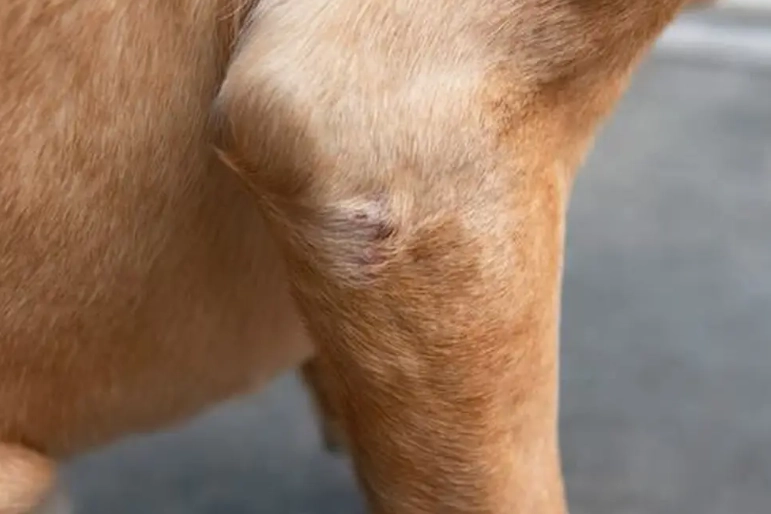
- Skin Scrapings & Cytology: They'll gently scrape a bit of skin to look under a microscope for mites, yeast, or abnormal bacteria. This is quick and tells them a ton.
- Blood Work: To check thyroid levels, liver function, and overall health to rule out those internal diseases we talked about.
- Allergy Testing: This can be blood-based or intradermal (skin testing). It helps pinpoint environmental allergens. It's not perfect, but it gives a roadmap for things to avoid or for allergen-specific immunotherapy (allergy shots or oral drops).
- Food Elimination Trial: The gold standard for diagnosing food allergies. This isn't just switching to a "sensitive skin" bag of food. It's a strict, 8-12 week diet using a novel protein (like duck, venison, or kangaroo) or hydrolyzed protein (protein broken down so small the immune system doesn't recognize it) that your dog has never eaten before. No treats, no table scraps, nothing else. It's a commitment, but it gives a definitive answer.
Based on what they find, the treatment plan could be:
- Prescription Medications: Apoquel or Cytopoint are modern, targeted drugs that specifically block the itch pathway. They're not steroids, so they don't have the same long-term side effects. For severe cases, they can be life-changing.
- Prescription Shampoos & Sprays: Medicated formulas with antimicrobials, stronger anti-fungals, or potent anti-inflammatories that you can't get over the counter.
- Allergy Immunotherapy: Custom-made shots or oral drops that gradually desensitize your dog's immune system to the specific things he's allergic to. It's a long-term solution, often taking 6-12 months to see full effect, but it treats the cause, not just the symptom.
I held off on seeing a dermatologist for Barney for too long, worried about the cost. In the end, the cost of all the random products I bought that didn't work probably added up to more than the specialist consult. Getting a real diagnosis was the turning point.
Your Dry Skin Canine Questions, Answered
Can I use human lotion or coconut oil on my dog's dry skin?
Be very careful with human lotions. Many contain fragrances, alcohols, or other ingredients (like xylitol, which is toxic to dogs) that can irritate or poison your dog if they lick it off. Plain, virgin coconut oil is generally safe in small amounts applied topically to a small patch. It has some antimicrobial properties and can be soothing. But it's greasy, can stain fabrics, and if your dog licks too much, it can cause diarrhea. For a safer bet, use a vet-recommended canine moisturizing spray or balm.
Is dry skin in dogs contagious to other pets or humans?
Generally, no. The dry skin itself is not contagious. However, if the underlying cause is parasitic (like certain mites or ringworm, which is a fungus, not a worm) or bacterial/yeast, then that specific infection can be contagious. If you have multiple pets and one shows symptoms, it's wise to get them all checked.
My dog's dry skin is worse in winter. What gives?
This is the classic pattern for environmentally-driven dry skin. Low humidity outdoors combined with dry, heated air indoors is a double whammy. It strongly points to the need for environmental fixes: humidifier, less frequent bathing with moisturizing shampoo, and maybe increasing Omega-3s in the diet as a preventative in the fall.
Are some dog foods specifically better for dry skin?
Yes, but it's less about a specific brand and more about the ingredients. Look for foods that list a high-quality, identifiable animal protein as the first ingredient and that specifically mention added Omega-3 fatty acids (from fish oil, salmon meal, etc.). Foods marketed for "skin and coat" health often have these boosted levels. For suspected food allergies, the discussion shifts to novel or hydrolyzed protein diets, which should be done under veterinary guidance.
How long does it take to see improvement?
This is crucial to manage expectations. Topical fixes (like a good bath) might offer relief in a day or two. Dietary supplements like fish oil need 6-12 weeks to fully integrate into the skin cells and show their full effect. A food elimination trial takes 8-12 weeks. Allergy shots take months. Healing skin takes time and consistency. Don't give up on a good plan after just a week.
Putting It All Together: A Simple Checklist
Feeling overwhelmed? Don't be. Start here, one step at a time.
- Observe & Note: Where is the itching/flaking? When did it start? Any other changes?
- Basic Home Reset: Switch to a gentle, moisturizing shampoo. Bathe less. Get a humidifier. Brush regularly.
- Nutritional Review: Look at your dog's food. Consider adding a high-quality Omega-3 supplement after a chat with your vet.
- Vet Visit Threshold: If there's no improvement after 2-3 weeks of consistent home care, or if symptoms are severe from the start (sores, hair loss, odor), book a vet appointment.
- Follow the Vet's Plan: If diagnostics are recommended, do them. If a strict diet trial is prescribed, stick to it. They're trying to find the root cause.
- Be Patient & Consistent: Skin health is a marathon, not a sprint. Celebrate small improvements.
Dealing with your dog's dry, itchy skin can be frustrating. I've been there, staring at the shelf full of products that promised the world and delivered nothing. But by moving from random treatments to a logical process—starting with gentle home care, supporting from the inside with nutrition, and not being afraid to seek expert veterinary help—you can finally give your dog the relief he's scratching for.
The goal isn't just to stop the scratch. It's to get your happy, comfortable dog back. That shiny coat and peaceful nap without the constant thump-thump-thump are absolutely worth the effort.