A Guide to Ear Infections in Dogs: Symptoms, Treatment, and Prevention
That frantic head shaking at 3 AM. The distinct, sweet-yet-sour smell coming from your dog's ears. The constant scratching that leaves red, raw patches behind. If you're a dog owner, you've likely faced an ear infection, or otitis externa as vets call it. It's one of the top reasons dogs visit the vet. After years working in pet care and fostering dogs with chronic issues, I've seen the full spectrum—from simple, one-time fixes to complex, recurring nightmares. This guide cuts through the generic advice. We'll cover what you actually need to know: recognizing subtle signs, understanding the three main types, executing effective treatment (both at home and with your vet), and implementing a prevention plan that works for real life.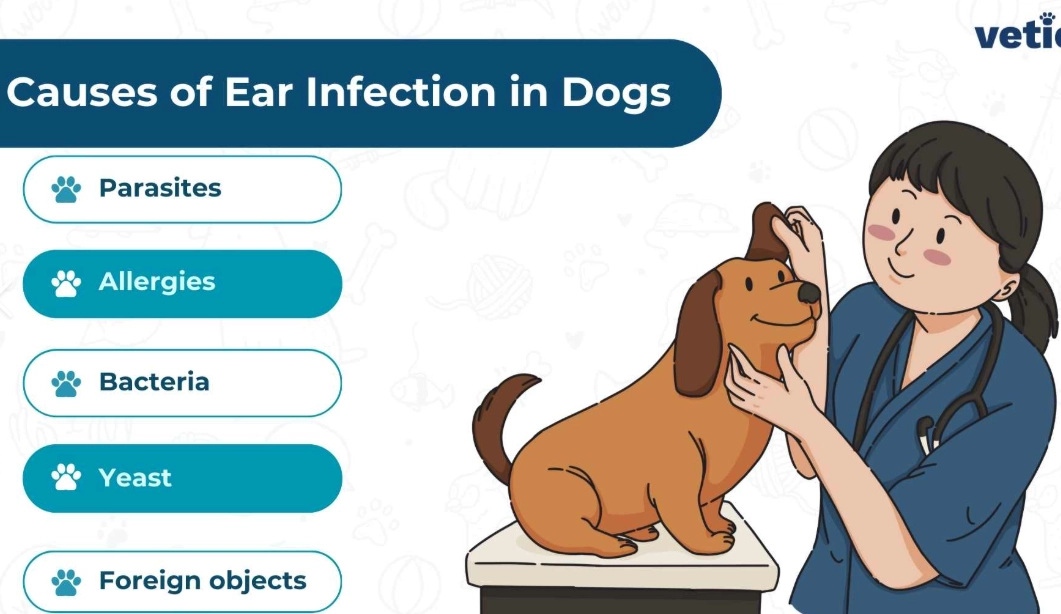
What You'll Find in This Guide
The Real Signs of a Dog Ear Infection (Beyond the Head Shake)
Everyone knows about head shaking and scratching. But early detection can stop a minor issue from becoming a major, painful ordeal. Look for this combination of clues.
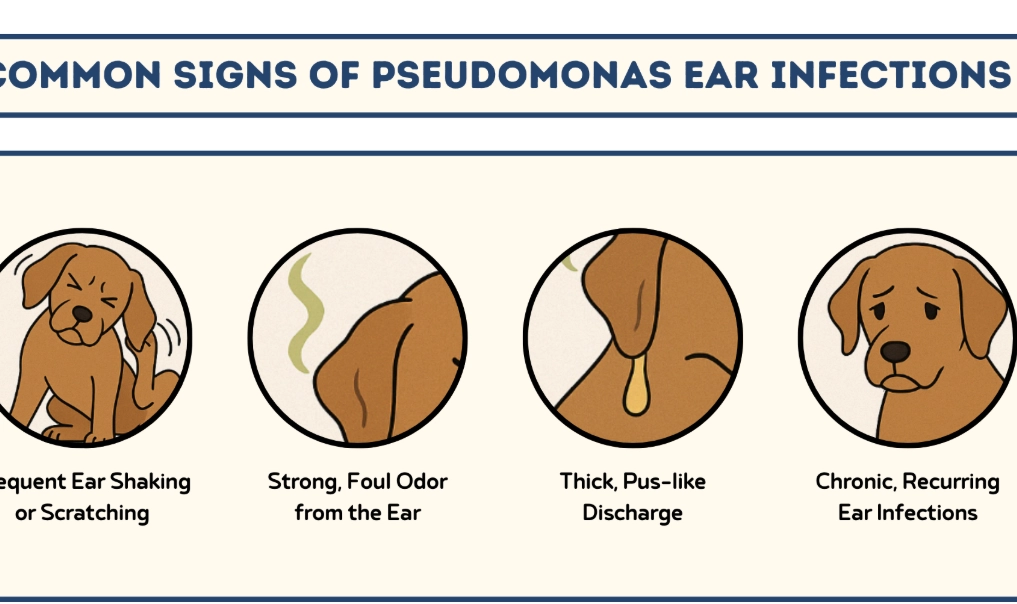
Odor is a huge one. A healthy dog's ear has a mild, neutral smell. An infected ear often smells yeasty (like baking bread) or pungent and foul. If you get a whiff and think "something's off," trust your nose.
Visual changes are key. Gently fold back the ear flap. Look for:
- Redness or swelling in the ear canal.
- Discharge: This can be waxy, yellow, brown, or black. Yeast often produces a dark brown, waxy discharge. Bacteria can create a yellow-green pus.
- "Cobblestone" skin: The skin inside the ear may look thickened, rough, and bumpy from chronic inflammation.
Behavioral signs are often missed. Your dog might tilt its head to one side consistently, hold one ear slightly lower, or become head-shy, pulling away when you try to pet near its ears. They may rub their head along the carpet or furniture. A drop in energy or appetite can signal the infection is causing significant pain.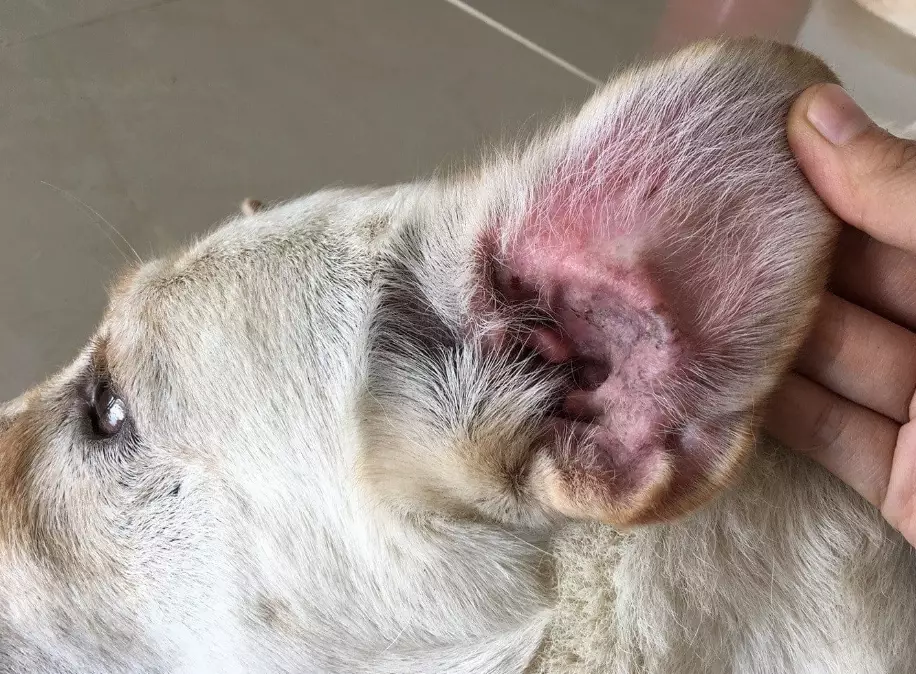
The Three Types of Canine Otitis: Yeast, Bacterial, or Mites?
Not all ear infections are the same. Treating a yeast infection with an antibiotic meant for bacteria does nothing. Your vet will use an otoscope to look deep into the ear and often take a swab to examine under a microscope (cytology). This is crucial. Here’s how they differ.
| Type | Common Causes & Triggers | Typical Signs & Discharge | Treatment Focus |
|---|---|---|---|
| Yeast (Malassezia) | Allergies (biggest culprit), moisture, underlying hormone issues. Yeast loves warm, wet, sugary environments. | Intense itching, dark brown waxy discharge, distinct yeasty odor, red-brown skin. | Antifungal ear drops/ointments. Managing the underlying allergy is critical to prevent recurrence. |
| Bacterial | Often secondary to yeast, allergies, or foreign bodies. Can be simple or severe (rodent ulcer). | Yellow/green pus, foul odor, more painful than itchy. The ear may feel hot. | Antibiotic drops specific to the bacteria type (culture may be needed). Oral antibiotics for severe cases. |
| Ear Mites (Otodectes) | Highly contagious between pets, especially puppies and kittens. | Extreme itching, dry black discharge that looks like coffee grounds. Often affects both ears. | Prescription parasiticide applied to the ears or skin. All pets in the household must be treated. |
Many infections are mixed—both yeast and bacteria. That's why many prescription drops contain both an antifungal and an antibiotic. The American Veterinary Medical Association (AVMA) emphasizes accurate diagnosis as the first step in effective treatment.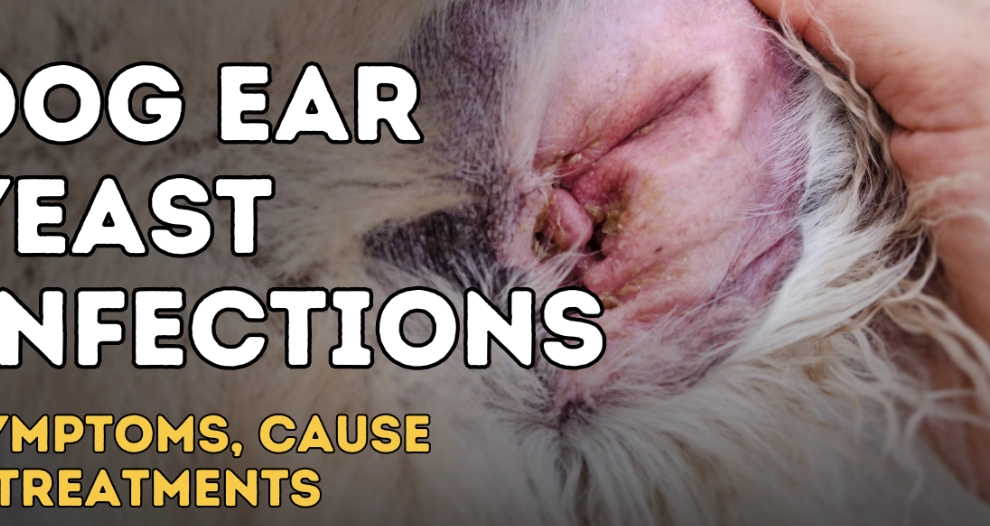
How to Treat a Dog's Ear Infection: A Step-by-Step Plan
Treatment is a partnership between you and your vet. Skipping steps or stopping early is the fast track to a resistant, chronic problem.
Step 1: The Veterinary Diagnosis & Professional Clean
This isn't optional. Your vet needs to confirm the eardrum is intact before any medication goes in. If the drum is ruptured, certain cleaners and meds can cause deafness or severe balance issues. They'll often do a deep clean in the clinic to remove debris so the medication can actually reach the infected skin. Ask to see the cytology slide—it's fascinating to see the yeast or bacteria up close.
Step 2: At-Home Medication & Cleaning Protocol
You'll get prescription drops. The success mantra is: Clean first, medicate second.
- Clean: Squeeze a generous amount of vet-recommended cleaner into the ear canal. Massage the base of the ear for 20 seconds—you should hear a squishing sound. Let your dog shake (stand back!). Then use cotton balls or gauze to wipe out the loosened gunk from the folds you can see. Never use cotton swabs (Q-tips); you'll just pack debris deeper.
- Medicate: Wait 10-15 minutes for the canal to dry. Then apply the exact number of drops prescribed. Massage the base again.
Complete the entire course of medication, even if your dog seems better in 3 days. Stopping early leaves the toughest microbes alive to come back stronger.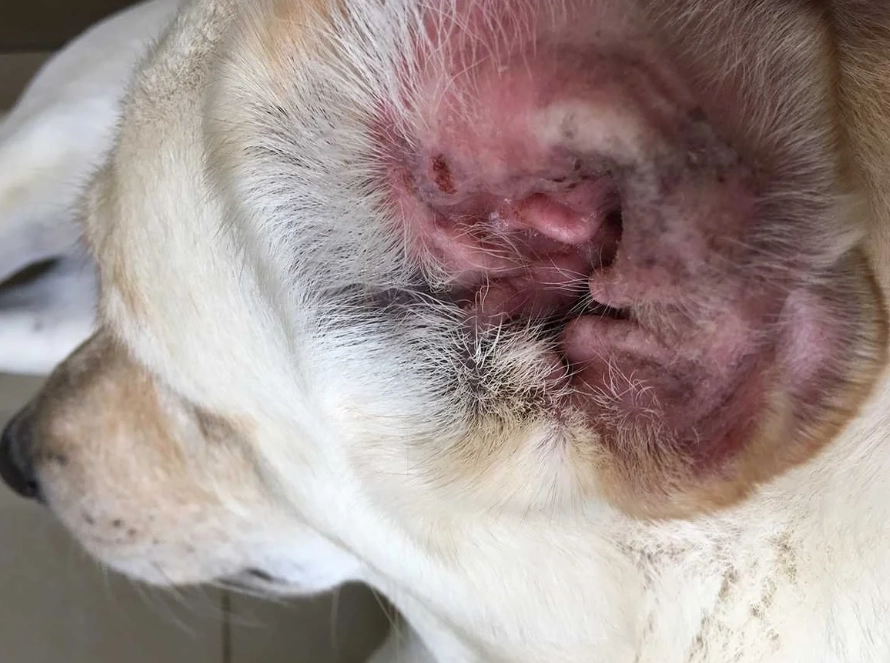
Step 3: Addressing the Root Cause (The Part Most People Miss)
If your dog gets recurrent ear infections, you're just treating symptoms. The real work is detective work. In probably 80% of chronic cases, the root cause is allergies—either to something in their food (beef, dairy, chicken are common) or in the environment (pollen, dust mites).
This means treatment might expand to include allergy testing, a strict hypoallergenic diet trial for 8-12 weeks, or medications like Apoquel or Cytopoint. It's a longer road, but it's the only way to break the cycle.
Preventing Future Ear Infections: It's More Than Just Cleaning
Prevention is about managing your dog's unique risk factors. A one-size-fits-all approach fails.
For all dogs: Check ears weekly for odor or redness. Keep ears dry after baths and swimming. I use a dedicated absorbent ear cloth and a low-heat pet dryer on the ear flap.
For floppy-eared or hairy-eared breeds (Cocker Spaniels, Poodles): Regular ear hair plucking is essential. This improves airflow. Ask your groomer or vet to show you how to do it painlessly. Use a maintenance cleaner weekly as your vet advises.
For dogs with known allergies: This is your primary battlefield. Work with your vet on a consistent allergy management plan. You might notice their ears flare up seasonally, giving you a clue.
Let me share a case. Buddy, a Labrador I fostered, had constant ear infections. We treated them, they came back. We did a food trial, switching to a novel protein (duck), and within 6 weeks, the ear redness vanished. His issue wasn't water or anatomy—it was chicken. Finding the trigger changed his life.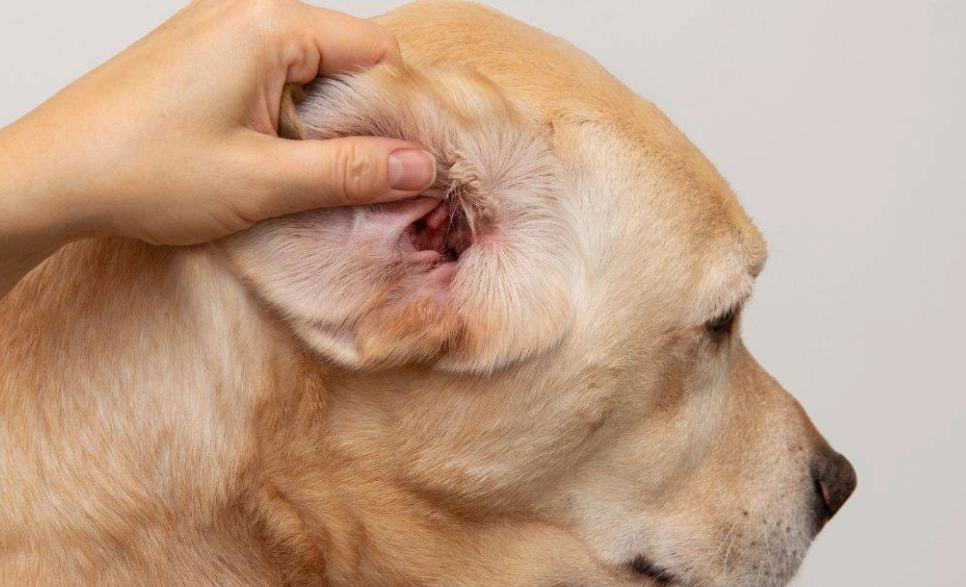
Your Ear Infection Questions Answered
 How can I tell if my dog's ear infection is an emergency?
Ear infections are a pain, literally and figuratively. But with a sharp eye for early symptoms, a commitment to proper treatment, and a focus on the root cause, you can get your dog relief and keep those ears healthy. Start with that vet visit—it's the most important step you can take.
Related Articles