Can Dogs Eat Raw Meat? The Vet-Approved Raw Diet Guide
Jump to What Matters
Yes, dogs can eat raw meat. But here's the catch: it's not as simple as dumping a pound of ground beef in their bowl. I've been around dogs for over ten years, and I've seen raw diets work wonders for some pets and cause trips to the emergency vet for others. The key is knowing what you're doing. Let's cut through the noise and get real about raw meat for dogs.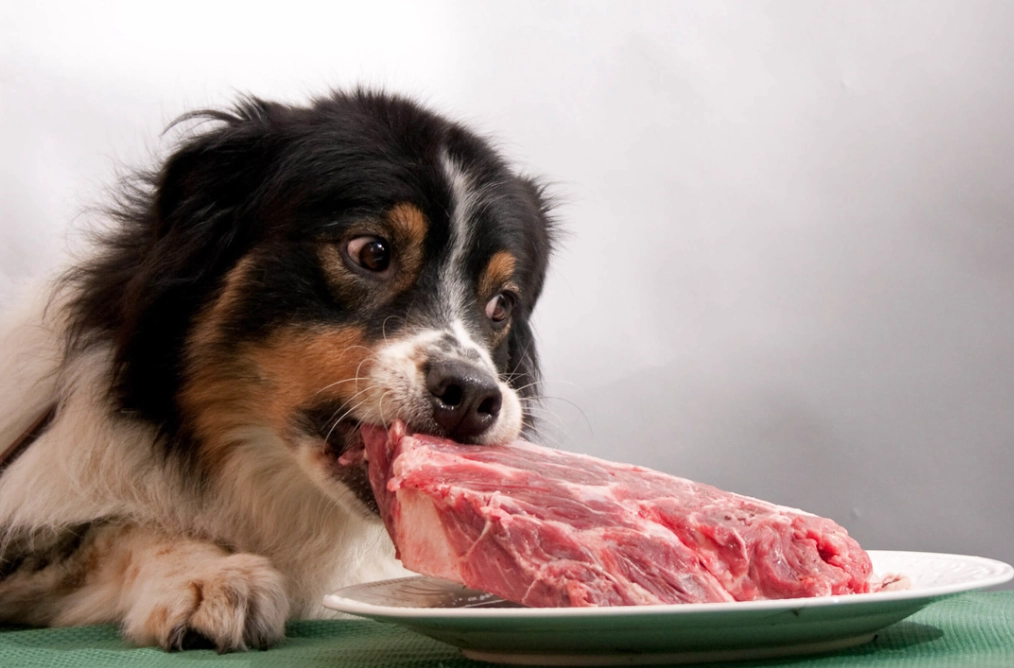
The Raw Truth: Can Dogs Handle Raw Meat?
Dogs descended from wolves, right? So they should be fine with raw meat. Well, sort of. Modern dogs have adapted to processed foods, but their digestive systems can still handle raw ingredients. The American Veterinary Medical Association points out that while dogs have a shorter digestive tract that may handle bacteria better than humans, risks remain. Think about it: wild canines eat raw prey, but they also face parasites and diseases. Your backyard isn't the wild.
What Exactly is a Raw Diet?
It's not just meat. A balanced raw diet includes muscle meat, bones, organs, and sometimes veggies or supplements. People call it BARF—Biologically Appropriate Raw Food. But here's a nuance many miss: "biologically appropriate" doesn't mean "anything goes." You need ratios, like 80% muscle meat, 10% bone, 10% organs. I met an owner who fed only chicken breasts, and her dog ended up with calcium deficiency. Balance is everything.
Why Some Owners Swear by Raw Diets
Proponents rave about benefits. From my observations, dogs on well-planned raw diets often have shinier coats and better energy. Digestion can improve because raw food is more natural for their gut. But is it the raw meat or the lack of fillers? Hard to say. A study referenced by the FDA suggests that some commercial kibbles contain additives that cause allergies, so switching to raw might eliminate those.
Let me share a story. My friend's Labrador, Max, had chronic skin issues. After switching to a raw diet with salmon and greens, his itching reduced in weeks. But Max's owner worked closely with a vet to get the mix right. It wasn't a quick fix.
Improved Dental Health: Fact or Fiction?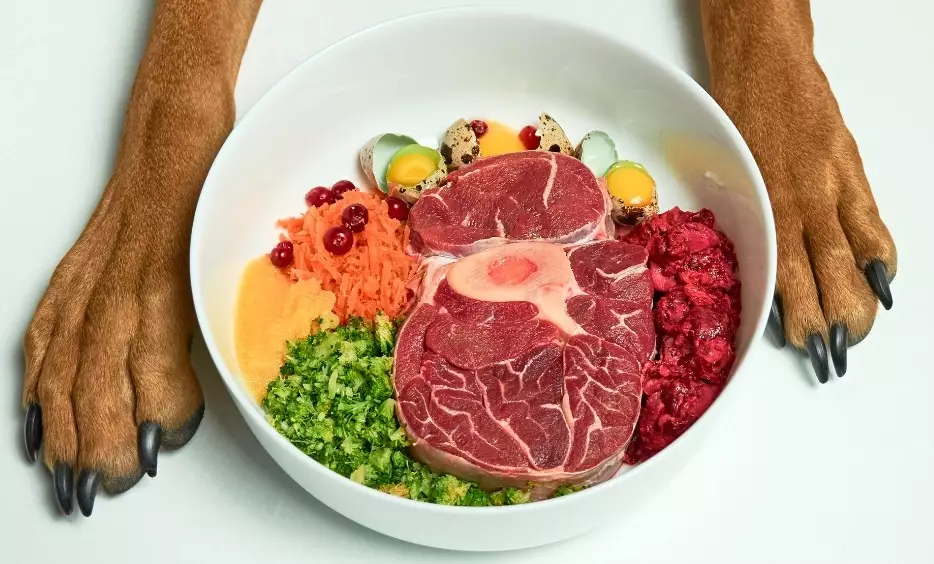
Raw bones can scrape tartar off teeth. I've seen dogs with cleaner teeth after gnawing on raw chicken necks. But—and this is a big but—bones must be raw and size-appropriate. Cooked bones splinter. Too hard bones, like beef marrow bones, can fracture teeth. A vet once told me about a dog that cracked a molar on a bone meant for "dental health." So, proceed with caution.
The Dark Side: Risks You Can't Ignore
This is where most articles gloss over details. Raw meat carries bacteria like Salmonella and E. coli. Dogs might handle it, but humans in the household can get sick. The Centers for Disease Control and Prevention has reported outbreaks linked to raw pet food. I recall a case where a child touched a dog's bowl and ended up with salmonellosis. Scary stuff.
Personal take: I tried raw feeding for my own dog, but the constant worry about contamination made me switch back. It's a hassle if you're not meticulous.
Nutritional Imbalances: The Silent Killer
Feeding just meat leads to deficiencies. Dogs need calcium, vitamins, and fatty acids. A common mistake: owners forget organs. Liver provides vitamin A, but too much causes toxicity. I've seen dogs on all-meat diets develop weak bones or dull coats. It's like eating only steak every day—not healthy.
| Risk Factor | What Happens | How to Prevent |
|---|---|---|
| Bacterial Contamination | Diarrhea, vomiting, zoonotic infections | Use separate utensils, wash hands, source from reputable suppliers |
| Nutritional Deficiency | Weakness, poor coat, organ damage | Follow 80-10-10 ratio, add supplements if needed |
| Choking or Injury | Bone fragments, tooth damage | Choose soft bones like chicken wings, supervise feeding |
How to Feed Raw Meat Safely (Step-by-Step)
If you're determined, here's a practical guide. Don't wing it.
Step 1: Choose the Right Meat
Not all meat is equal. Go for human-grade cuts from trusted sources. Avoid grocery store meat with additives. Chicken, beef, lamb are fine, but vary the types. Fish? Yes, but freeze it first to kill parasites. I once bought cheap meat from a discount store, and my dog got sick. Lesson learned: quality matters.
Step 2: Handle with Care
Thaw meat in the fridge, not on the counter. Use a dedicated bowl and knife. Clean everything with hot, soapy water. A pro tip: keep a spray bottle with vinegar solution for quick wipes. And never leave raw food out for more than 30 minutes—bacteria multiply fast.
Step 3: Transition Slowly
Start by mixing 10% raw with 90% old food. Increase over two weeks. Watch the stool. If it gets loose, slow down. My neighbor rushed it, and her dog had diarrhea for days. Patience pays off.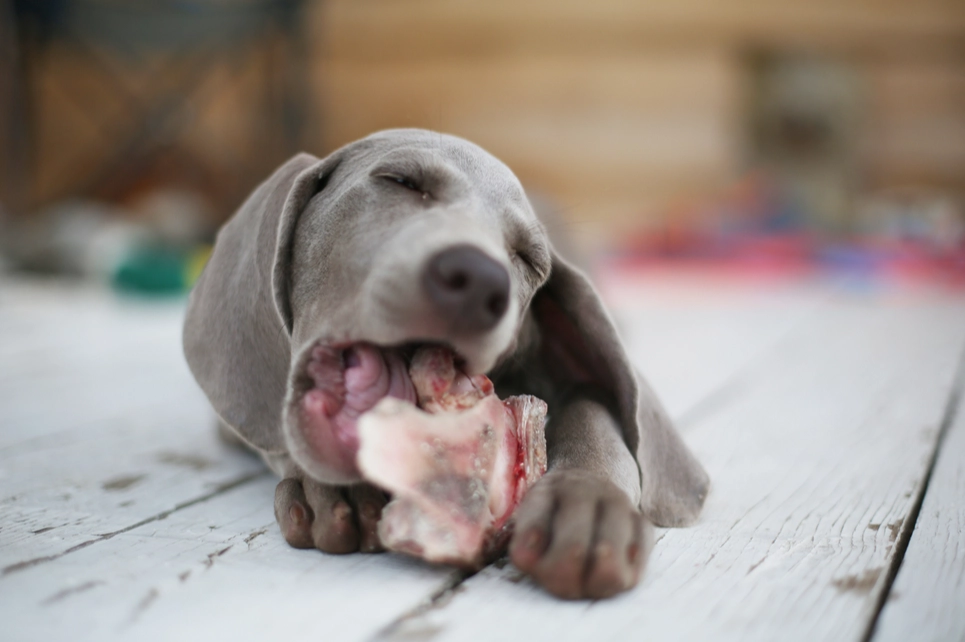
Common Myths That Lead to Mistakes
Let's debunk some nonsense floating online.
Myth: Raw Meat Makes Dogs Aggressive
Nope. Aggression comes from training, not diet. I've met plenty of gentle raw-fed dogs. This myth probably stems from the idea that raw meat triggers "wild" instincts, but there's no science backing it. If your dog gets possessive, it's a behavior issue, not the steak.
Myth: All Raw Diets are Natural and Safe
"Natural" doesn't mean safe. In the wild, dogs eat whole prey, including fur and stomach contents that provide fiber. Your kitchen scraps miss that. Some owners think feeding raw automatically balances itself—it doesn't. You need to plan.
What the Experts Really Say
Vets are split. Many, like those at the AVMA, caution against raw diets due to health risks. Others support it if done correctly. I spoke to a veterinarian who recommends commercial raw diets that are pasteurized or tested. They're pricier but safer. Her point: DIY raw feeding requires expertise most owners lack.
Case in point: a client of hers fed only raw pork, leading to a thiamine deficiency. The dog recovered with supplements, but it was a close call. Expert advice? Consult a vet or a pet nutritionist before starting. It might cost $100 for a consultation, but it beats a $500 emergency bill.
Your Raw Diet Questions Answered
 Raw meat for dogs isn't a black-and-white issue. It's a tool that can help or harm. If you go for it, educate yourself, start slow, and prioritize safety. Your dog's health is worth the extra effort. And remember, every dog is different—what works for one might not for another. Keep observing, stay flexible, and when in doubt, ask a pro.
Related Articles