Dog Coughing Explained: Causes, Home Care, and When to Worry
You're sitting on the couch and you hear it—a dry, hacking sound from your dog. A cough. Your mind races. Is it just a tickle? Did he swallow something? Is this the start of something serious? I've been there countless times in over a decade of working with dogs, from fostering rescues with kennel cough to managing my own dog's chronic tracheal issue. Let's cut through the panic and talk about what dog coughing really means. This isn't just a list of causes; it's a practical guide on what to listen for, what you can safely do at home, and the exact signs that mean you need to drop everything and call the vet. This is the first clue. The sound tells you a lot about where the problem might be. The Honking Goose: A loud, dry, honking cough, often in quick succession. It sounds like your dog is trying to clear something stuck deep in their throat. This is the classic signature of kennel cough (infectious tracheobronchitis) or a collapsing trachea. With tracheal collapse, you might notice it more when they're excited or pulling on a collar. The Wet Hack: A moist, bubbly, or phlegmy cough. You might hear gurgling. This suggests fluid, mucus, or pus in the lungs or lower airways. Think pneumonia, bronchitis, or sometimes congestive heart failure where fluid backs up into the lungs. The Deep, Hacking Cough: A deep, forceful cough from the chest. It can sound painful. This often points to issues deeper in the bronchial tubes or lungs. The Weak Cough or Gag: More of a weak hack followed by swallowing, gagging, or retching. This is common with post-nasal drip from allergies, a mild throat irritation, or sometimes the end of a kennel cough episode. Listen closely. Is it worse at night? After exercise? When they're lying down? Jotting down these details will be gold for your vet. Let's break down the usual suspects. I see owners get fixated on kennel cough, but it's just one piece of the puzzle. A Quick Story: My friend's Dachshund, Charlie, had a cough everyone wrote off as "just kennel cough" for weeks. It was only when she filmed a video of him coughing in his sleep that the vet got concerned. That nighttime pattern was the clue—it led to an early diagnosis of mitral valve disease. The cough wasn't the primary disease, but the alarm bell. Before you reach for any medicine, stop. Human cough syrups can be toxic to dogs (especially those containing acetaminophen, ibuprofen, or xylitol). Your first job is supportive care. Honey: For dogs over one year old, a teaspoon of raw, unpasteurized honey can coat and soothe an irritated throat. Give it directly or mix with a little warm water. This is where I see most owners miss a big opportunity. You can medicate a dog, but if their environment is irritating their airways, the cough will linger. The Big Mistake I See: Owners giving a leftover antibiotic from a previous illness. Kennel cough is often viral initially; antibiotics are useless against viruses and only work on secondary bacterial infections. Misusing antibiotics creates resistance and delays proper diagnosis. Don't do it. If the cough persists beyond a day or two for a mild cough, or immediately for a severe one, you're going to the vet. Here's what a good work-up looks like. The vet will start with a thorough history (your notes on the sound and timing are crucial!) and a physical exam, listening carefully to the heart and lungs with a stethoscope. From there, they may recommend diagnostics. This isn't upselling; it's necessary because a cough is a symptom, not a diagnosis. Treatment depends entirely on the cause. Kennel cough might just need rest and cough suppressants. Bacterial pneumonia needs targeted antibiotics. Heart disease requires specific heart medications (diuretics to remove lung fluid, etc.). There's no one-size-fits-all. Don't second-guess this. Go to the emergency vet immediately if you see: Coughing accompanied by difficulty breathing. This means exaggerated belly movements, flared nostrils, gums turning blue or purple, or stretching the neck out to breathe. A mild, occasional cough you can monitor. Any of the above scenarios mean pick up the phone and go. My dog coughs after exercise. Should I be concerned? What home remedies are safe for a dog with a cough? How can I tell the difference between kennel cough and something more serious? My vet mentioned "collapsing trachea." Is this a death sentence for my small dog?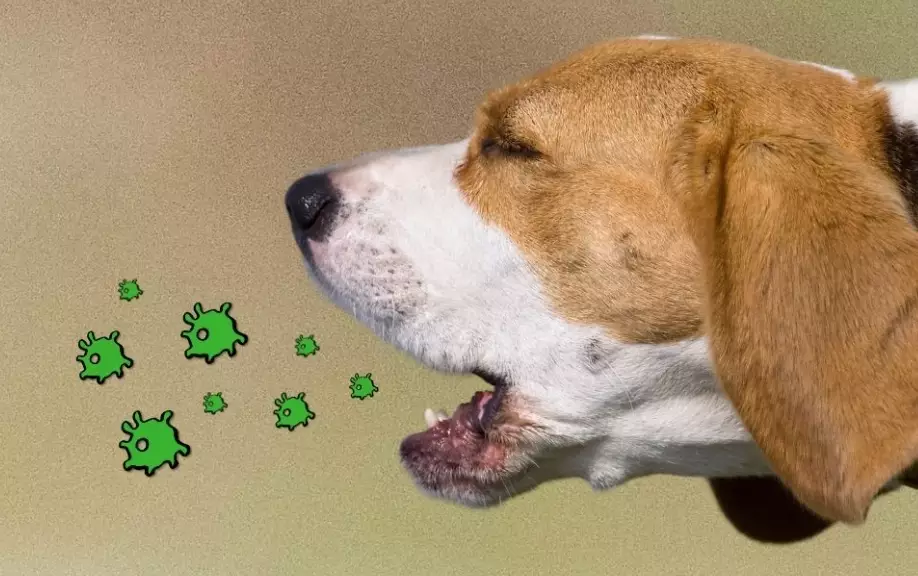
What's Inside This Guide
What Does a Dog's Cough Sound Like?

Common Causes of Dog Coughing
Cause
Typical Sound & Signs
Common Breeds/Ages
Key Notes
Kennel Cough
Dry, honking, frequent cough; often ends with a gag. Dog usually acts normal otherwise.
Any dog, especially after boarding, daycare, or dog parks.
Highly contagious. Can be caused by multiple viruses & bacteria (like Bordetella).
Collapsing Trachea
Honking, goose-like cough triggered by excitement, pressure on neck (collar), heat, or exercise.
Small/toy breeds (Yorkies, Poms, Chihuahuas), often middle-aged to senior.
A chronic condition where the windpipe flattens. Management is key.
Heart Disease
Soft, wet cough, often at night or when resting. May see tiredness, reduced stamina, bloated abdomen.
Senior dogs, larger breeds (Dobermans, Great Danes) or small breeds with valve disease (Cavaliers).
Cough is due to an enlarged heart pressing on airways or fluid in lungs. A serious sign.
Pneumonia
Wet, productive cough, fever, lethargy, loss of appetite, labored breathing.
Any dog, often secondary to another illness or aspiration.
Bacterial, viral, or fungal infection in the lungs. Requires urgent veterinary treatment.
Heartworm Disease
Persistent, dry cough, lethargy, weight loss. Cough may worsen after exercise.
Dogs in areas without year-round prevention.
Mosquito-borne parasites that damage the heart and lungs. Prevention is 100% easier than cure.
Foreign Object
Sudden, intense coughing, gagging, pawing at mouth, distress.
Young, curious dogs, chewers.
A true emergency if choking. Even if they seem to stop, a lodged piece can cause pneumonia later.
Chronic Bronchitis
Daily, dry, hacking cough for over 2 months. No other major illness found.
Middle-aged, small to medium breeds.
Think of it like asthma. Inflammation of the airways, often managed long-term with medication.
How Can I Help My Coughing Dog at Home?

Safe, Soothing Remedies
Steam Therapy: Run a hot shower, close the bathroom door, and sit with your dog in the steamy room for 10-15 minutes. The moisture can help loosen mucus. Keep it calm—no hot sauna temperatures.
Humidifier: Run a cool-mist humidifier near your dog's bed, especially in dry climates or winter.
Hydration: Ensure fresh water is always available. A hydrated body keeps mucus thinner.The Environmental Fix (Often Overlooked)
Ditch the Collar: If you walk your dog on a collar, switch to a harness immediately. Pressure on the trachea is a major irritant.
Air Quality: No smoking around your pet. Seriously. Stop using plug-in air fresheners, strong scented candles, or aerosol sprays. These are potent respiratory irritants.
Dust & Allergens: Wash bedding frequently in hypoallergenic detergent. Consider a HEPA air purifier.
Weight Management: Extra weight puts more pressure on the respiratory system and worsens conditions like tracheal collapse. It's the hardest but most effective thing you can do.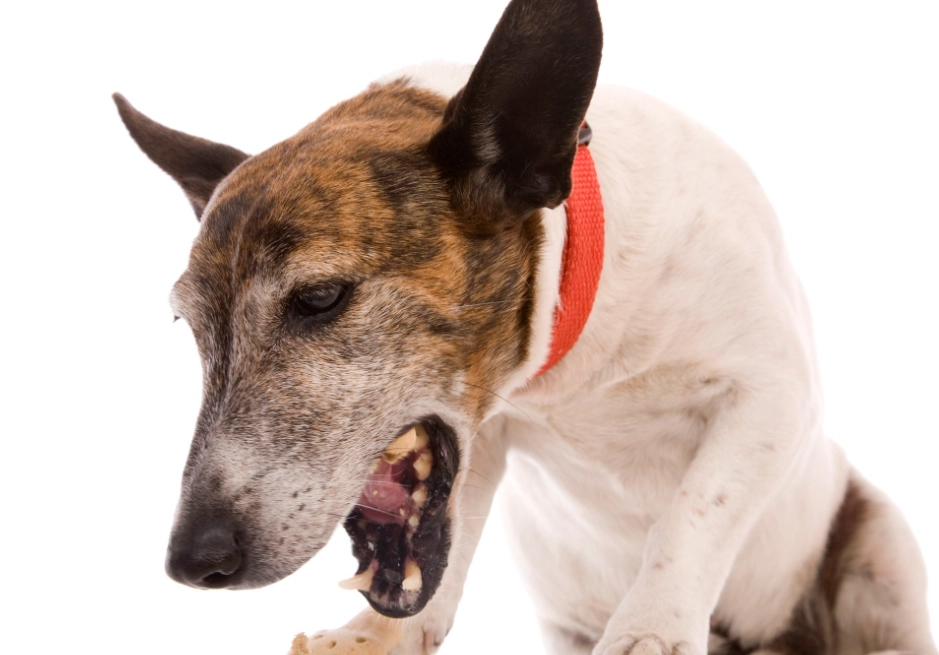
What to Expect at the Vet
X-rays (Radiographs): The gold standard. They show heart size, lung patterns (fluid, pneumonia, masses), and the shape of the trachea.
Heartworm Test: A simple blood test. Even if your dog is on prevention, no product is 100%, and testing rules it out.
Bloodwork: Checks for underlying infection, inflammation, or organ function.
Tracheal/Bronchial Wash: For persistent coughs, they may collect fluid from the airways to identify specific bacteria or cells. This is more common with suspected pneumonia or chronic bronchitis.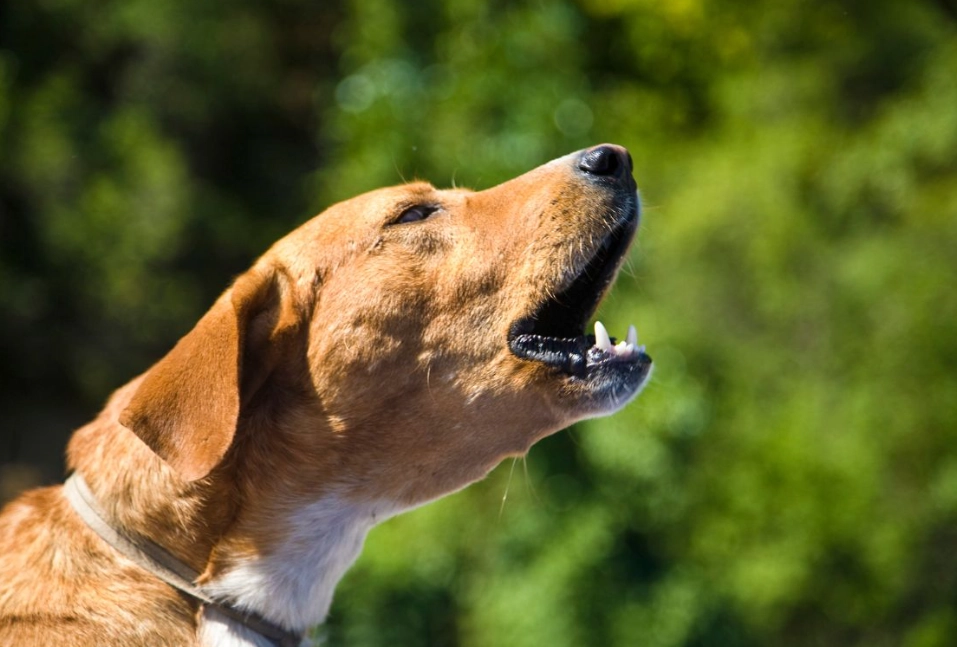
When Is Dog Coughing an Emergency?
Non-stop coughing fits where your dog cannot catch their breath or seems panicked.
Coughing up blood or pink, frothy fluid (a sign of pulmonary edema from heart failure).
Sudden cough after a dog might have ingested something (a toy piece, bone, etc.)—choking risk.
Extreme lethargy, collapse, or refusal to eat/drink along with the cough.
Your Dog Coughing Questions Answered
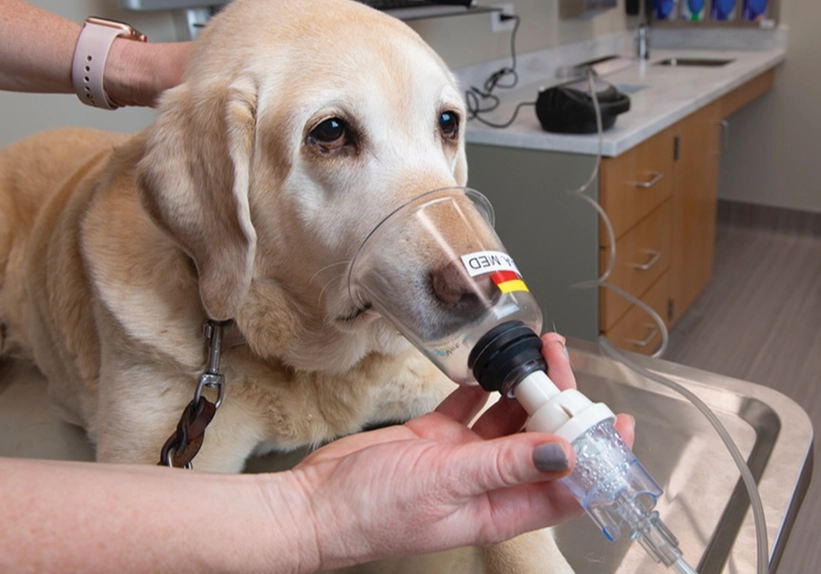 The bottom line? A dog's cough is a message. Your job isn't to diagnose it perfectly but to understand the language enough to know when it's a whisper and when it's a scream for help. Listen closely, act on the environmental factors you control, and never hesitate to partner with your vet. That's how you turn worry into effective care for your best friend.