Can Dogs Eat Pineapple? Safety, Benefits & Serving Guide
You're slicing a fresh pineapple, that sweet, tangy smell filling the kitchen. Your dog appears, nose twitching, eyes fixed on the juicy yellow chunks. The question pops into your head instantly: Can dogs eat pineapple? Let's cut to the chase. The answer is yes, dogs can eat pineapple, but only the fresh, ripe flesh in strict moderation. It's not a free-for-all fruit snack. Get the preparation wrong, or overdo it, and you're looking at a messy cleanup or a vet visit. I've been through this with my own lab, who once managed to snag a whole ring from the counter. After that scare and years of talking with vets, I've learned the precise rules for sharing this tropical treat safely. Why even consider pineapple? It's not just about sharing your snack. In tiny, controlled amounts, the fleshy part offers some perks. Digestive enzymes: Pineapple contains bromelain, an enzyme that helps break down protein. In theory, this could aid your dog's digestion. In practice, the amount in a treat-sized portion is minimal, but it's a nice bonus. Vitamins and hydration: It's a source of vitamin C, B6, and manganese. It's also about 86% water, which can be a hydrating treat on a hot day. My vet friend calls fruits like these "vitamin supplements in a fun package." Fiber: The fiber can support regular bowel movements. Just remember, too much fiber has the opposite effect. Only fresh, raw pineapple flesh gets the okay. It must be ripe (bright yellow, sweet smell), peeled, cored, and cut into small, bite-sized pieces appropriate for your dog's size. Think of it as a rare, special treat, not a dietary staple. This is where most online guides are too vague. The risks aren't just about "maybe an upset stomach." High Sugar Content: Pineapple is sugary. Even natural sugars can contribute to weight gain, pancreatitis (a serious inflammation of the pancreas), and dental problems over time. A dog with diabetes or weight issues should skip it entirely. Bromelain Backfire: That helpful enzyme? In excess, it can irritate the lining of your dog's mouth and digestive tract. I've seen a dog get a slightly swollen, tender mouth from eating too much fresh pineapple. Acidity: The citric and malic acids can upset sensitive stomachs, leading to vomiting or diarrhea. Dogs with a history of gastrointestinal issues are better off avoiding it. The Physical Dangers: This is critical. The spiky skin and tough, woody core are not just inedible; they are hazardous. They pose a severe choking risk and can cause intestinal blockage, which is a surgical emergency. The leaves are also sharp and toxic. If your dog consumes pineapple core, skin, leaves, or canned pineapple in syrup, monitor closely for choking, vomiting, or lethargy. The syrup often contains added sugars and potentially xylitol, an artificial sweetener that is extremely toxic to dogs. Contact your vet if you're concerned. The ASPCA Animal Poison Control Center is an invaluable resource for any toxicity concerns. Think of this as a recipe with zero room for error. Step 1: Choose a ripe, fresh pineapple. Avoid any with soft spots, bruises, or a fermented smell. Step 2: Wash the exterior. Rinse under water to remove any surface pesticides or dirt. Step 3: The crucial prep. Cut off the crown and base. Slice off all the spiky skin, ensuring no brown "eyes" remain. Remove the entire hard, cylindrical core. What you're left with is the soft yellow flesh. Step 4: Cut to size. Chop the flesh into small, manageable cubes. For a Chihuahua, this means pieces the size of a pea. For a Great Dane, a cube about half an inch is fine. Step 5: Start tiny. For the first time, offer one single piece. Watch for any adverse reaction over the next 12-24 hours. No vomiting, diarrhea, or unusual behavior? You can consider it a safe occasional treat. This is the most common mistake—giving too much. Use this as a strict guideline. Remember, treats of any kind should make up no more than 10% of your dog's daily calories. If your dog has a sensitive stomach, is overweight, or has diabetes, skip pineapple altogether. There are better, lower-sugar treats. Let's be brutally clear. These parts are off-limits, always: The Core: Too hard, fibrous. Blockage risk. The Skin (Rind): Spiky, indigestible. Choking and blockage risk. The Leaves: Sharp, contain toxic compounds. Canned Pineapple: Almost always in sugary syrup. High risk of added sweeteners, including potentially xylitol. Dried Pineapple: Sugar concentration is through the roof. Often has added sugars and preservatives. A major no. Pineapple Juice: Pure sugar and acid, no fiber. Don't do it. If pineapple seems too risky or high-maintenance, plenty of other fruits are easier and often safer. Always remove seeds, pits, and cores. Top Tier (Generally Safest): Sliced apples (no seeds), bananas (in very small amounts due to high sugar), blueberries, seedless watermelon (no rind), cantaloupe. Proceed with Caution: Strawberries (high in sugar), peaches (pit removed), pears (seeds removed). Never Feed: Grapes, raisins, cherries, avocados (pit and skin).
What's Inside This Guide?
The Safety Breakdown: Benefits vs. Real Risks
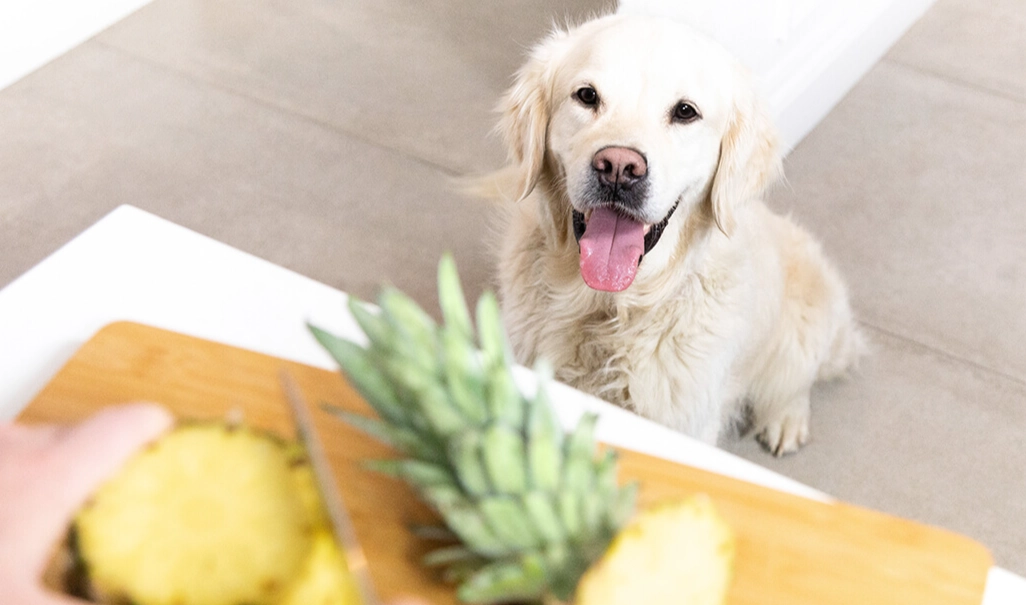
Potential Benefits (The Good Stuff)
✔️ The Green Light
The Real Risks You Can't Ignore (The Bad & The Ugly)
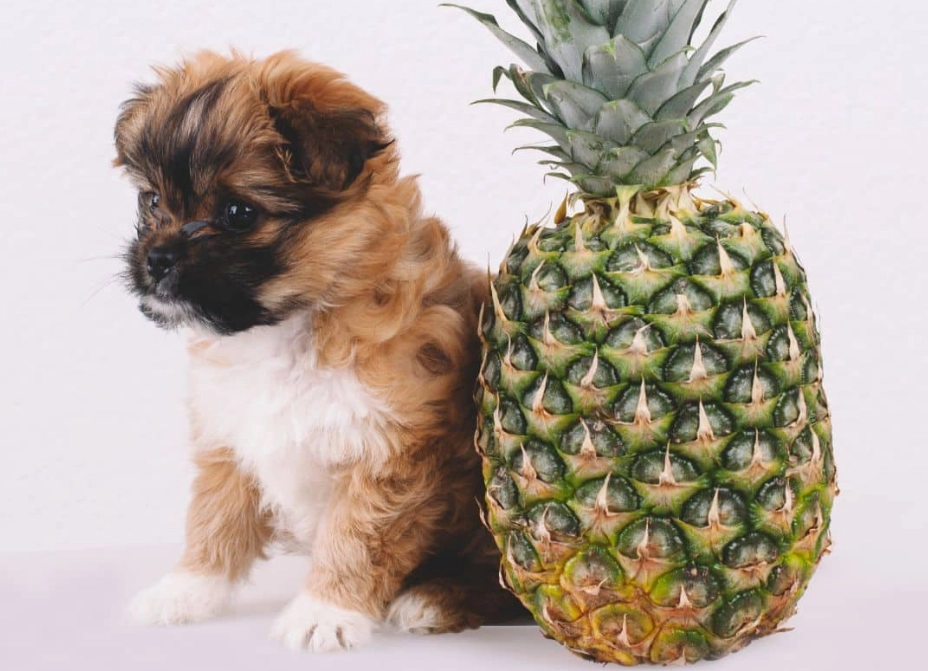
❌ Immediate Red Flags
How to Serve Pineapple to Your Dog Safely
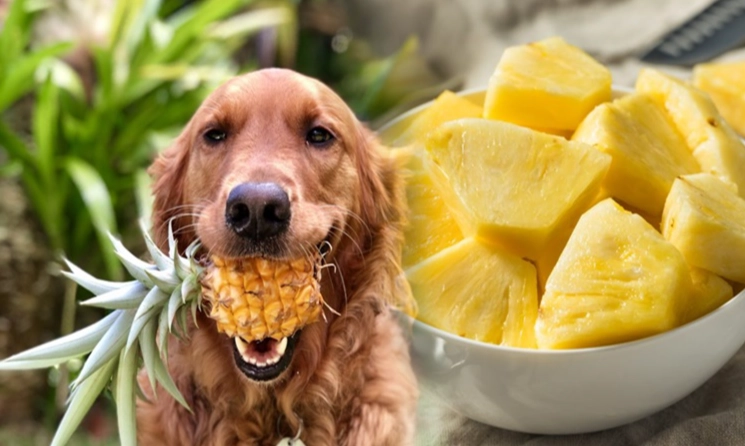
Portion Control: How Much is Too Much?
Dog Size
Weight Estimate
Max Pineapple per Serving
Frequency
Extra Small (Toy Breeds)
Under 10 lbs
1-2 tiny pieces (½ tsp)
Once a week at most
Small
10-25 lbs
1-2 small cubes (1 tsp)
Once or twice a week
Medium
25-50 lbs
2-3 small cubes (1 tbsp)
Once or twice a week
Large
50-90 lbs
3-4 small cubes (1.5 tbsp)
Once or twice a week
Giant
90+ lbs
4-5 small cubes (2 tbsp)
Once or twice a week

The Absolute No-Gos: Pineapple Parts to Avoid
Other Fruit Alternatives for Dogs
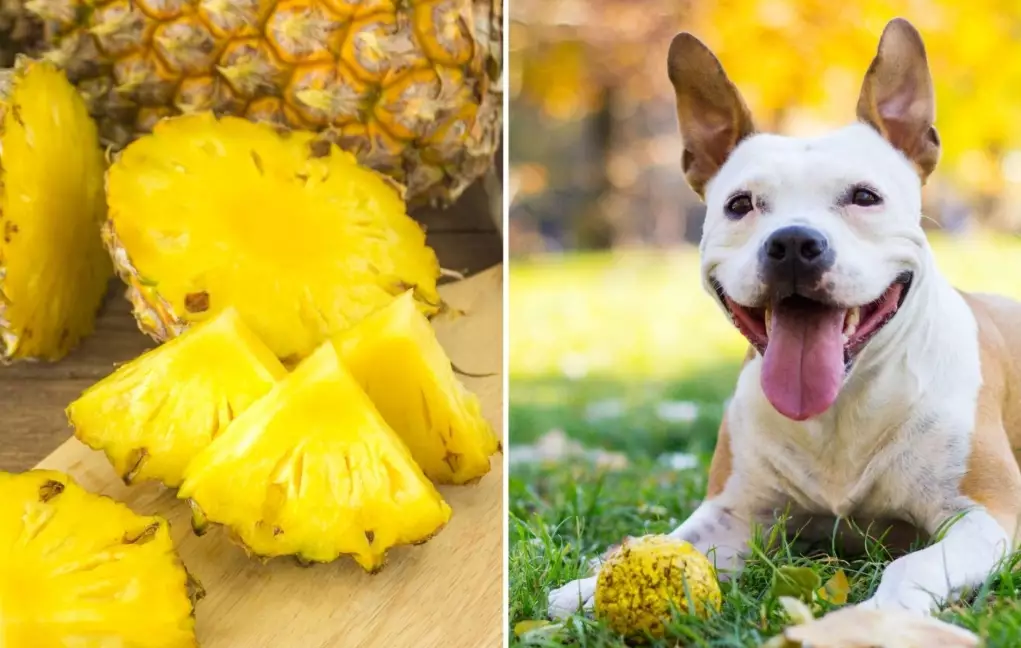

Your Top Pineapple & Dog Questions Answered
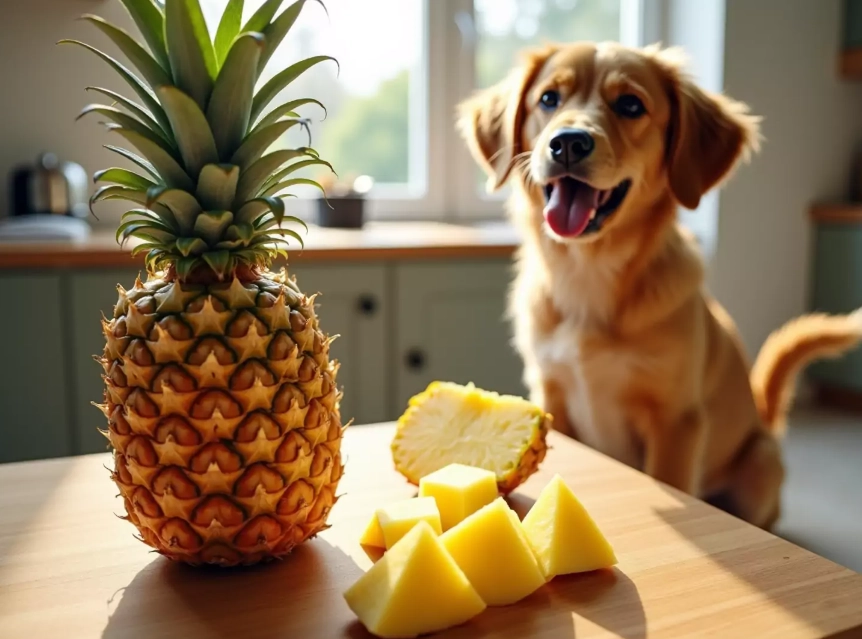 So, can dogs eat pineapple? The final verdict is a cautious, conditional yes. It's a treat that demands respect for its rules: fresh flesh only, meticulously prepared, in minuscule amounts, and only for dogs without underlying health issues. When those stars align, watching your dog enjoy a rare sweet cube can be a fun moment. But if the prep seems like a hassle, or your dog has any sensitivities, you're not missing out. A plain piece of carrot or a blueberry is often a safer, simpler choice. Your dog will love you just the same.