How Long Are Dogs Pregnant? A Complete Week-by-Week Guide
So your dog is expecting. First off, congratulations! It's an exciting time, but let's cut straight to the big question everyone searches for: how long are dogs pregnant? The textbook answer is about 63 days, or roughly nine weeks. But here's the thing most generic articles don't tell you – that's an average. In reality, a healthy gestation period can range from 58 to 68 days, and understanding why it varies is the first step in being a prepared, not panicked, caretaker. The clock doesn't start on the day you witnessed the mating. It starts at fertilization. Since sperm can live inside the female for days and ovulation timing isn't always precise, pinpointing the exact conception day can be tricky. This is why working with your vet from the start is non-negotiable. I've been around dog breeding for over a decade, and I've seen the full spectrum – from perfectly timed litters arriving right on day 63 to healthy pups showing up quietly on day 59 or holding out until day 66. The length can even vary slightly by breed size. The goal of this guide isn't just to give you a number, but to walk you through what's happening each week, how to spot the signs (both obvious and subtle), and how to care for your dog through the entire journey. Thinking in weeks is easier than counting days. This timeline gives you a mental map of the incredible transformation happening inside your dog. Nothing noticeable happens externally. Internally, after fertilization, the tiny embryos travel to the uterine horns and implant around days 16-18. You won't see any physical changes. Your dog's behavior and appetite should be completely normal. This is the time to confirm the pregnancy with your vet – an ultrasound can detect the tiny sacs as early as day 25. This is when you might notice the first hints. She may seem a little lethargic, have a decreased appetite, or experience mild "morning sickness" (usually just some queasiness). Her nipples may become slightly more prominent and pinker – breeders often call this "pinking up." By the end of week 5, a vet can often feel the growing puppies through gentle abdominal palpation. Do not try this yourself – you could harm the developing fetuses. Now it becomes obvious. Her abdomen will begin to swell noticeably. Appetite usually returns with a vengeance – she's eating for a whole litter now! You might see clear vaginal discharge. Her energy levels will likely drop, and she'll start seeking out quiet, cozy spots. This is when you should transition her to a high-quality puppy or performance food, as recommended by the American Kennel Club, to support the rapid fetal growth. The puppies are fully formed and just putting on weight. Your dog's belly will be large and low. She may pant more, nest obsessively, and be generally restless. About 24 hours before labor begins, her rectal temperature will drop from the normal 101-102.5°F to around 98-99°F. Start taking her temperature twice daily from day 58 onwards. Milk production may begin, and she might lose her appetite as whelping approaches. You can't trust behavior alone. A dog's "pregnancy symptoms" can sometimes be mimicked by a false pregnancy (pseudocyesis). Here’s how to distinguish guesswork from reality. I once had a dog who exhibited every classic sign of pregnancy – weight gain, nesting, even milk production. A vet ultrasound revealed nothing. It was a textbook false pregnancy. Her body was convinced it was pregnant, but there were no puppies. That experience drilled into me: always get a vet confirmation. It saves you from weeks of unnecessary preparation and potential heartache. Caring for a pregnant dog isn't about doubling her food from day one. That's a fast track to obesity and birthing complications. The nutritional needs change in distinct phases. For the first two-thirds of the pregnancy (weeks 1-6), feed her normal, high-quality adult maintenance diet. The developing embryos are tiny and don't need a massive calorie boost yet. The goal is to keep her in ideal body condition. Around week 6, switch her gradually to a premium puppy food or a specially formulated pregnancy/diet. These foods are denser in calories, protein, and calcium. Increase her total daily amount by about 10-15% per week, splitting it into 3-4 smaller meals as her expanding belly leaves less room for large meals. Exercise is crucial but must be modified. Maintain her regular, gentle walks to keep muscles toned and prevent excessive weight gain. Avoid strenuous activity, jumping, or rough play, especially in the final three weeks. Let her set the pace – if she wants to turn back early, listen to her. Vet check-ups are your roadmap. Schedule one at around 4 weeks for confirmation and another at 7-8 weeks. The later check-up is vital. Your vet can estimate litter size via X-ray, which is critical for knowing if she's done whelping, and check the puppies' positioning. By week 8, you should be ready. Procrastination here leads to midnight panic. First, set up the whelping box. It should be in a warm, quiet, private room. The sides need to be high enough to contain puppies but have a low entrance for the mom. Line it with washable bedding (like vet bed or newspaper) and have plenty of clean towels on hand. Your whelping kit should be assembled and within arm's reach. I keep mine in a clear plastic tub so I can see everything. Know the stages of labor: the restless nesting phase (can last 6-24 hours), active labor with strong contractions and delivery of puppies (puppies are usually born 30-60 minutes apart, but this varies), and the final stage for passing placentas. If she strains intensely for over 45 minutes with no puppy, or if more than 2-3 hours pass between puppies with clear signs of distress, call your vet immediately. How can I be sure my dog is pregnant? You can't rely on early behavior changes alone. The most reliable method is a veterinary exam. Around day 25-28, your vet can perform an ultrasound to confirm pregnancy and check for viable heartbeats. After day 30, a physical palpation by an experienced vet can often detect the 'bumpy' feel of the amniotic sacs. For a definitive count and health check, an X-ray is best done after day 45, once the puppies' skeletons have mineralized. What is the biggest mistake owners make during dog pregnancy? Overfeeding in the first half of pregnancy is incredibly common and harmful. Puppies don't need extra calories for growth until the final 3-4 weeks. Overfeeding the mother early on leads to her gaining excessive fat, which can complicate delivery, increase the risk of dystocia (difficult birth), and make it harder for her to recover. Stick to her normal, high-quality maintenance diet until around week 6, then gradually increase portions as advised by your vet. My dog was bred twice, three days apart. When is her due date? This is a classic confusion point. The due date is calculated from the first mating, not the last. Sperm can live inside the female reproductive tract for several days, waiting to fertilize the eggs when she ovulates. Ovulation typically occurs about 48 hours after the LH surge. So, even if the second mating seems more 'successful,' the biological clock starts ticking from the first successful fertilization event. Always mark the date of the first mating and count 63 days from there. What should I have ready for the whelping day? Don't wait until the last minute. By week 8, you should have a prepared whelping box in a quiet, warm, and draft-free area. Your emergency kit must include: clean towels, unwaxed dental floss or sterile thread for tying umbilical cords, blunt-tipped surgical scissors, iodine for disinfecting cord stumps, a heating pad or hot water bottle (to be placed UNDER towels, not directly with puppies), a digital thermometer to monitor the mother's temperature drop, a notebook for recording times and weights, and your vet's emergency number on speed dial.
What's in This Guide?
What to Expect: A Week-by-Week Breakdown of Dog Pregnancy

Weeks 1-3: The Silent Beginning
Weeks 4-5: Subtle Shifts
Weeks 6-7: The Big Changes
Weeks 8-9: The Final Countdown
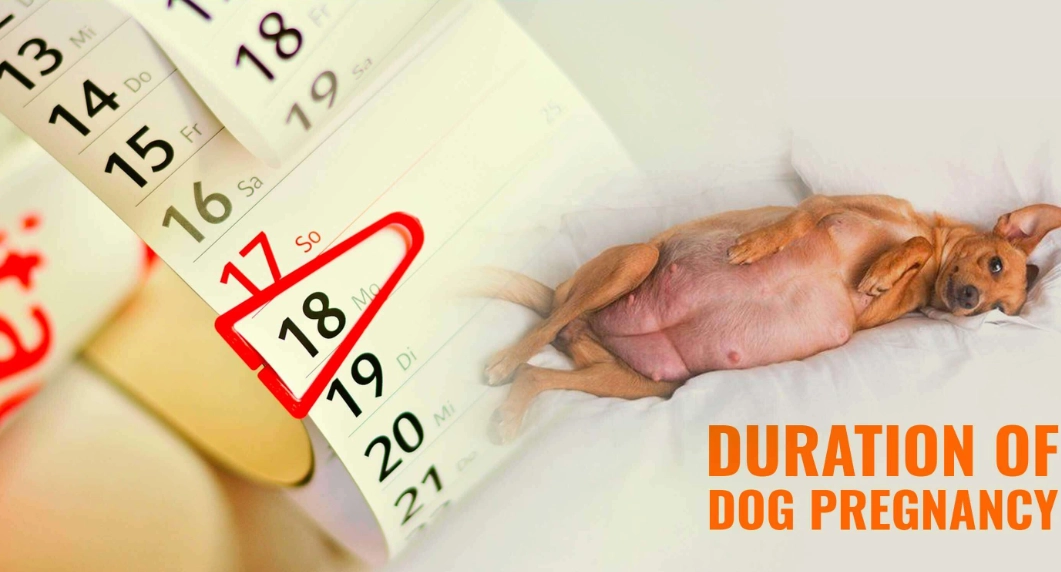
How to Tell if Your Dog is Pregnant: Signs vs. Science
Early Signs (Weeks 3-5)
Mid-to-Late Signs (Weeks 6-9)
Veterinary Confirmation Methods
Decreased activity/lethargy
Visible abdominal enlargement
Ultrasound (Day 25+): Confirms pregnancy, checks heartbeats.
"Pinking up" of nipples
Weight gain concentrated in abdomen
Palpation (Day 28-35): Experienced vet can feel amniotic sacs.
Clear vaginal discharge
Nesting behavior (shredding bedding)
Relaxin Hormone Test (Day 21+): Blood test for pregnancy hormone.
Appetite changes (loss or increase)
Mammary gland development & milk
X-ray (Day 45+): Best for counting puppy skeletons, assessing size.

Essential Prenatal Care and Nutrition: More Than Just Extra Food
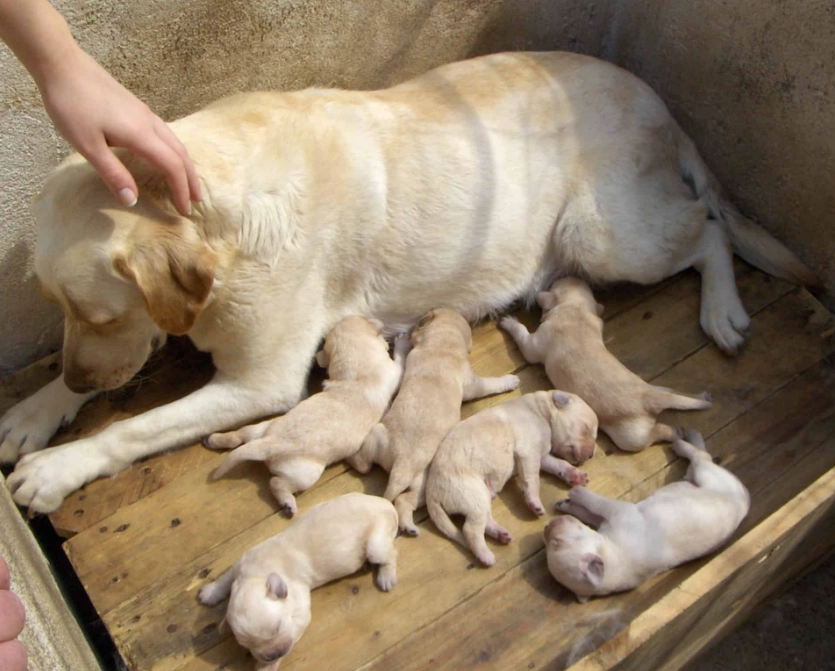
Preparing for Whelping Day: Your Must-Have Checklist

Your Top Dog Pregnancy Questions Answered
 Remember, the 63-day average is your guidepost, not your gospel. Watch your dog, not just the calendar. Her behavior and physical signs, combined with regular vet guidance, will tell you more than any single date ever could. Focus on providing steady, calm support, proper nutrition, and a safe space. The journey from that first question of "how long are dogs pregnant" to holding those newborn puppies is one of the most rewarding experiences in pet ownership. You've got this.