English Mastiff Guide: Care, Cost & Is This Gentle Giant Right for You?
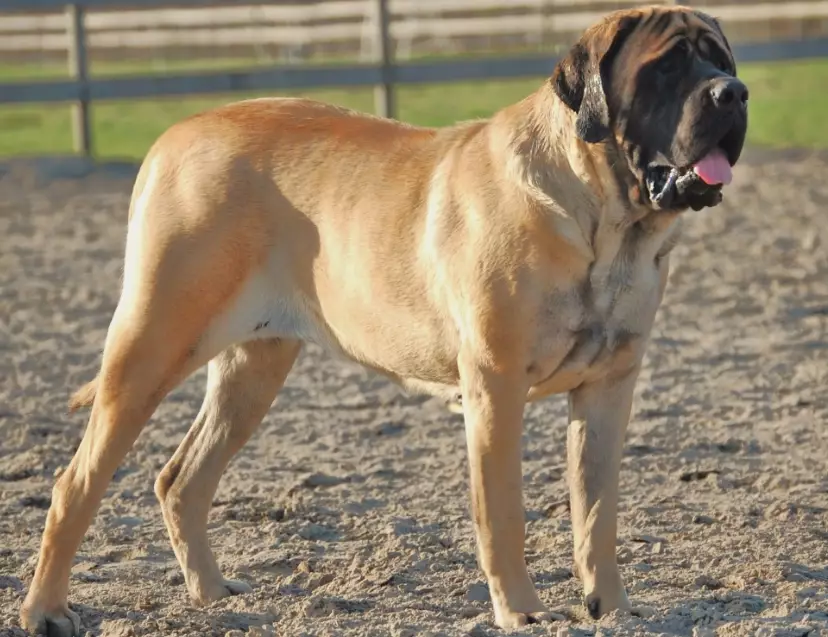
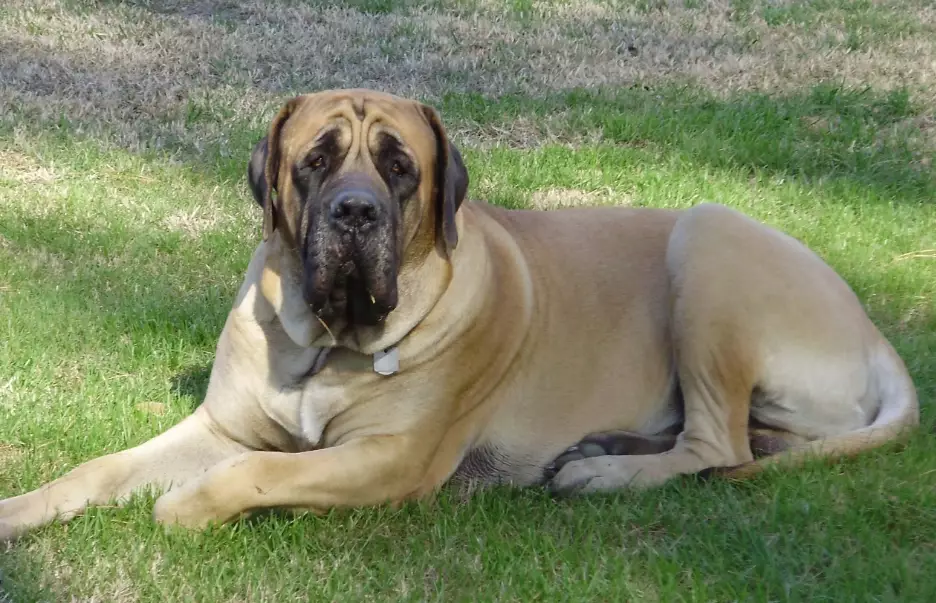
Let's cut to the chase. You're not just thinking about getting a dog. You're considering inviting a 200-pound roommate with the heart of a guardian angel and the logistical needs of a small horse into your home. The English Mastiff is more than a pet; it's a lifestyle commitment. I've lived with large breeds for over a decade, and the Mastiff experience is unique. This guide won't just list facts. It'll walk you through the reality—the sublime patience, the staggering costs, the health anxieties, and the pure, couch-slumping joy of life with a gentle giant. Forget the intimidating photos for a second. The core of the English Mastiff is a profound, almost solemn calmness. They weren't bred to be hyper-active hunters or herders. Their job was presence. Intimidation through sheer mass, and protection through loyal vigilance. That historical purpose translates directly into their modern personality. They are thinkers, not sprinters. A common mistake new owners make is trying to hype them up for high-energy play. You'll just confuse them. Their idea of a perfect day is a leisurely walk followed by a long nap where they can keep one eye on the family. This low-energy nature is a double-edged sword. It makes them adaptable to calm homes, but it also means you are entirely responsible for managing their weight and joint health through controlled exercise. Here’s the snapshot you need: The biggest non-consensus point I'll give you? Their intelligence is massively underestimated. They aren't eager-to-please border collies, but they learn house rules and routines with startling speed. The trick is motivation. Find a high-value treat (often something soft and smelly) and keep training sessions short. They respect consistency, not chaos. If the temperament sold you, the budget might give you pause. Everything is bigger, and that includes the receipts. Let's talk numbers, because surprises here can lead to heartbreak. Now, the annual and unexpected costs. I'll use my own experience and data from sources like the American Kennel Club's cost of ownership estimates for large breeds. The silent budget killer? The emergency fund. You must have one. A torn CCL (knee ligament) surgery: $3,000 - $5,000. Treatment for Gastric Dilatation-Volvulus (bloat): $5,000 - $10,000. This isn't scare-mongering; it's responsible planning. Pet insurance can be a lifesaver, but get quotes early—policies for giant breeds are expensive. So what does daily life actually look like? Let's walk through a hypothetical Tuesday. 7:00 AM - Wake up & First Potty. No frantic energy. A slow amble to the door. You'll need a securely fenced yard. A leash for every potty break is impractical, and their recall, while good, isn't worth testing near a road. 7:30 AM - Breakfast. This is a ritual, not a feeding. Use a raised bowl to reduce neck strain and air swallowing. Do not exercise them for at least one hour before and two hours after eating. This is a cardinal rule to reduce bloat risk. After eating, enforce calm. I make mine go to his bed and settle. 9:00 AM - Morning Walk. 20-30 minutes of steady walking. No jogging, especially on pavement while they're growing (under 2 years). The goal is mental stimulation and joint mobility, not cardio. They'll sniff everything. Let them. This is their news feed. 10:00 AM - 4:00 PM - The Great Nap. They will sleep. Deeply. Often in the most inconvenient doorway or hallway. You'll learn to step over them. 4:30 PM - Evening Walk/Routine. Repeat the morning routine. Maybe some light training—a "stay" or "place" command to keep their mind engaged. Training is more about reinforcing your bond and their manners than teaching complex tricks. 6:00 PM - Dinner. Repeat the breakfast calm protocol. 8:00 PM - Evening Lounge. This is prime bonding time. They will lean against you. They might rest their head in your lap with a sigh that seems to carry the weight of the world. The drool is part of the package. Keep a towel handy. Grooming is straightforward: weekly brushing with a slicker brush or undercoat rake, nail trims every 2-3 weeks (their nails get thick fast), and regular attention to those facial wrinkles—clean and dry them to prevent infection. Their size dictates their health vulnerabilities. Being proactive isn't optional; it's how you ensure those 6-10 years are quality years. The number one killer. The stomach fills with gas and twists, cutting off blood supply. It's agonizing and fatal within hours without emergency surgery. Know the signs: unproductive retching (trying to vomit but nothing comes up), a distended, hard abdomen, restlessness, rapid shallow breathing. If you see this, you drive to the emergency vet now. Prevention involves raised bowls, multiple small meals, and enforced rest around meals. The sheer weight stresses their joints. Dysplasia is a malformation that leads to arthritis and pain. This is why buying from a breeder who provides OFA or PennHIP certification for the parents' hips and elbows is non-negotiable. Keep puppies lean during growth, provide joint supplements (glucosamine/chondroitin) early, and invest in orthopedic bedding. Dilated cardiomyopathy (DCM) and various cancers are prevalent. Regular vet check-ups that include a listen to the heart are crucial. Be alert for coughing, lethargy, or difficulty breathing. Your relationship with your vet changes. You become a team monitoring a beloved, giant patient. Find a vet experienced with giant breeds. You have two main paths. The Reputable Breeder Route: This is for those who want a puppy with a known health history and early socialization. Your due diligence is everything. A good breeder will: The Rescue Route: This can be incredibly rewarding. Breed-specific rescues like Mastiff Rescue of Florida or Great Plains Mastiff Rescue often have young adults or seniors needing homes. The advantage? Their personality and size are already known. The potential challenge? Unknown health or behavioral history. Rescues will fully vet the dog and be honest about any issues. Be prepared for a home check. Think twice if: Living with a Mastiff is an exercise in managed grandeur. It's wiping drool off the ceiling (yes, it happens), budgeting for food by the pallet, and feeling safer than you ever have. It's also heartbreakingly brief. But for the right person, those years are so full of gentle, lumbering love that they redefine what a dog can be.Your Quick Guide to This Article

What You're Really Getting With a Mastiff
Trait
Reality Check
Temperament
Calm, courageous, gentle. Aloof with strangers, deeply affectionate with family. Not prone to unnecessary barking.
Energy Level
Low. Requires moderate, regular walks. Prone to laziness, so owner-driven routine is key.
Size (Male)
30 inches+ at the shoulder, 160-230+ pounds. They don't just occupy space; they redefine it.
Lifespan
6-10 years. This is the hard part. You are investing immense love and care into a companion with a tragically short window.
Shedding & Drool
Moderate shedders. The drool is legendary. Keep "slobber rags" on every couch arm and door frame.
Breaking Down the Real Cost of a Giant
A Day in the Life: Practical Care & Routine

Health Issues You Can't Afford to Ignore
Gastric Dilatation-Volvulus (GDV/Bloat)
Orthopedic Issues: Hip & Elbow Dysplasia
Cardiac Issues and Cancer
Finding Your Mastiff: Breeder vs. Rescue

- Welcome you to their home.
- Show you the dam (mother) and discuss the sire.
- Provide health clearances for both parents (OFA hips/elbows, cardiac exam, eye exam).
- Ask you as many questions as you ask them.
- Have a contract that includes a health guarantee and requires you to return the dog to them if you can't keep it.
Check the Mastiff Club of America breeder referral list as a starting point.Final Verdict: Is This Breed For You?
 Get an English Mastiff if:
- You have a spacious, ground-floor living situation.
- Your lifestyle is calm and home-centered.
- You have a stable, robust budget that includes an emergency fund or insurance.
- You value quiet, steadfast companionship over athletic partnership.
- You are physically capable of handling a massive animal (vet visits, helping them up if they slip).
- You travel frequently or work long hours.
- You're on a tight budget.
- You want a running partner or highly trainable trick dog.
- You crave a pristine, drool-free home.
- The thought of a potentially short lifespan is too emotionally difficult.
Your English Mastiff Questions Answered