Can Dogs Have Bananas? Safety, Benefits & Feeding Tips
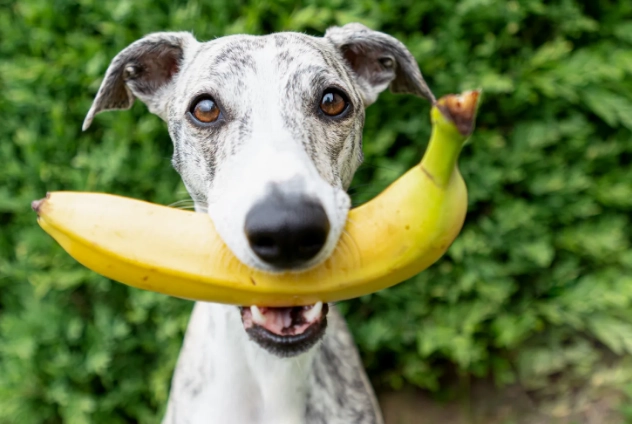
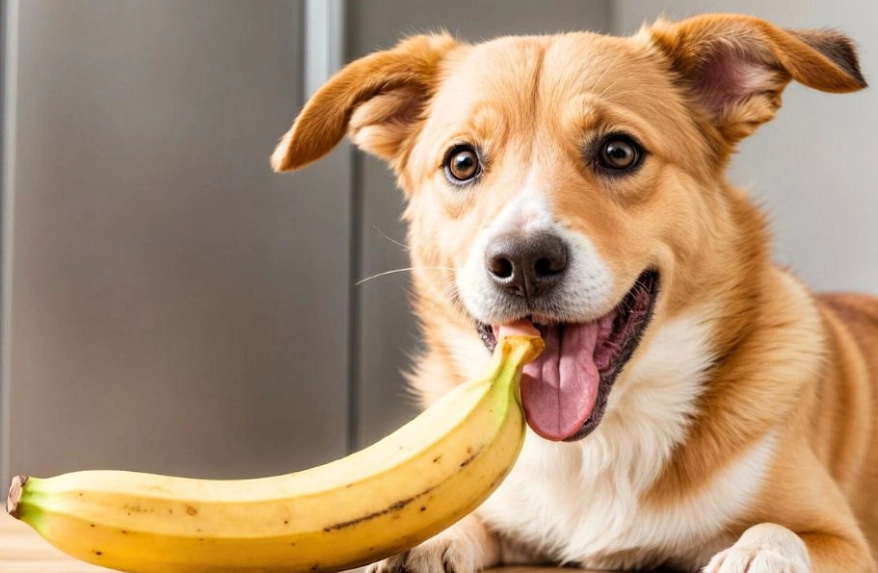
Let's cut to the chase: yes, dogs can have bananas. I've been sharing bananas with my dogs for over a decade, and it's one of their favorite treats. But here's the catch—it's not as simple as tossing a slice. You need to know the how, when, and how much to keep your pup safe and healthy. I remember when my Labrador, Max, first tried a banana. He devoured it in seconds, and I panicked, wondering if I'd made a mistake. After talking to my vet, I realized that bananas are fine, but there are nuances most guides miss. Like how the sugar content can sneak up on you, or why banana peels are a bigger risk than people think. Bananas aren't just a sweet snack; they pack a nutritional punch that can benefit your dog in moderation. But let's be real—most dogs don't care about vitamins. They care about taste. And bananas deliver on that front. Bananas are loaded with potassium, vitamin B6, vitamin C, and fiber. Potassium supports heart and muscle function, which is crucial for active dogs. Vitamin B6 aids in brain development and energy metabolism. The fiber can help with digestion, but too much can lead to constipation—a point many owners overlook. Here's a quick breakdown of what's in a medium banana: Beyond the basics, bananas can be a handy tool for specific situations. For instance, if your dog has a mild upset stomach, small amounts of banana can help firm up stools due to the pectin content. My vet once recommended this for Max after he ate something iffy, and it worked within hours. Another benefit is hydration. Bananas have high water content, which can be useful on hot days or after exercise. But don't rely on them as a water substitute—always provide fresh water. Feeding bananas isn't complicated, but skipping steps can lead to problems. Here's how I do it with my dogs. Go for ripe bananas—they're softer and easier to digest. Avoid green or overripe bananas with brown spots, as they might be harder on your dog's stomach. I usually pick yellow bananas with a few speckles. Always peel the banana and discard the peel. Cut it into small, bite-sized pieces. For small breeds like Chihuahuas, dice it into pea-sized bits. This prevents choking, which is a real risk I've seen with larger pieces. This is where most owners mess up. Portion control is key. As a rule of thumb, treats should make up no more than 10% of your dog's daily calories. For an average 30-pound dog, that's about 30-50 calories from treats per day. A slice of banana (about 1 inch) has around 10 calories. Here's a table to help you gauge portions based on dog size: Adjust based on your dog's activity level. If your dog is a couch potato, cut back. If they're highly active, like my Border Collie, you can be a bit more generous. Start with a tiny piece and monitor for any adverse reactions over 24 hours. Signs to watch for include vomiting, diarrhea, or itching. Allergies to bananas are rare, but not impossible. My friend's dog had a mild reaction once, so it's worth being cautious. Bananas are safe, but they're not risk-free. The main issues stem from overfeeding or improper preparation. Bananas have about 12 grams of sugar per 100 grams. That's high for a fruit. If your dog eats too much, it can contribute to obesity or diabetes over time. I've seen dogs gain weight from too many banana treats, and it's a slow creep that's easy to miss. To avoid this, treat bananas as an occasional snack, not a daily staple. If your dog is overweight, skip bananas altogether or consult your vet. Whole bananas or large chunks can cause choking, especially in small dogs. Also, the fiber in bananas can lead to constipation if overfed. Max once got into a whole banana when I wasn't looking, and he was constipated for a day. It was uncomfortable for him and stressful for me. According to the American Veterinary Medical Association, it's crucial to supervise your dog when introducing new foods. Always cut bananas into manageable pieces. This is a big one. Banana peels aren't toxic, but they're tough to digest and can cause intestinal blockages. I've heard stories from vets about dogs needing surgery after eating peels. So, always toss the peel in the trash, not the floor. Even experienced owners slip up. Here are errors I've made or seen others make. Some owners think the peel is harmless because it's natural. Wrong. It's a choking hazard and can cause blockages. Always remove it. Similarly, giving a whole banana to a large dog might seem fine, but it can lead to overeating and digestive issues. Bananas should complement a balanced diet, not replace it. I once met an owner who fed bananas as a main treat, and her dog developed nutritional deficiencies. Stick to commercial dog food as the primary diet, and use bananas as a treat. If your dog has kidney issues, the high potassium in bananas can be harmful. Dogs with diabetes should avoid high-sugar foods. Always tailor treats to your dog's health status. My senior dog, Bella, has kidney problems, so I avoid bananas for her entirely.
What You'll Learn in This Guide
Why Bananas Can Be Good for Dogs
Key Nutrients in Bananas That Help Dogs
Health Benefits You Might Not Have Considered

How to Feed Bananas Safely: A Step-by-Step Guide
Step 1: Choose the Right Banana
Step 2: Prepare It Properly
Step 3: Determine the Portion Size

Dog Size
Weight Range
Recommended Banana Portion
Frequency
Small
Up to 20 lbs
1-2 small slices
Once or twice a week
Medium
20-50 lbs
2-3 slices
A few times a week
Large
50+ lbs
3-4 slices
Daily in moderation
Step 4: Introduce Gradually
Potential Risks and How to Avoid Them
Sugar Content and Weight Gain
Choking and Digestive Hazards

The Banana Peel Problem
Common Mistakes Dog Owners Make

Feeding Banana Peels or Whole Bananas
Using Bananas as a Meal Replacement
Ignoring Individual Health Conditions
Frequently Asked Questions
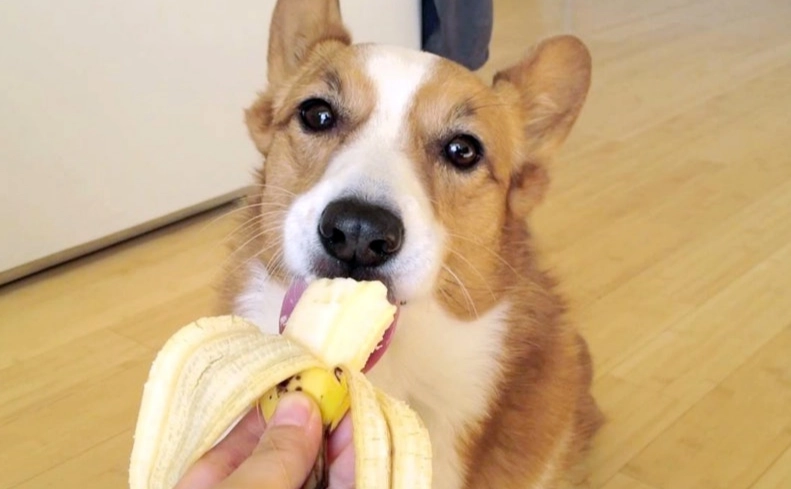 In summary, bananas can be a healthy and enjoyable treat for dogs when fed correctly. Use common sense, monitor your dog's reaction, and when in doubt, ask your veterinarian. Happy feeding!