Dog Flea Guide: How to Get Rid of Fleas on Dogs for Good
I remember the first time I saw a flea on my dog, Max. It was a tiny, dark speck moving through his fur near his tail. I felt a wave of panic. Was my house clean? Was he suffering? That one flea turned into a two-month battle that taught me more than any vet pamphlet ever could. Most articles give you the basics. I'm here to give you the gritty, real-world strategy that actually works, because getting rid of fleas on your dog isn't just about the dog. It's a full-scale household operation.
The real problem isn't the adult flea you see. It's the 90% of the population you don't see—the eggs, larvae, and pupae hiding in your carpet, couch, and yard. Miss that, and you're stuck in a cycle.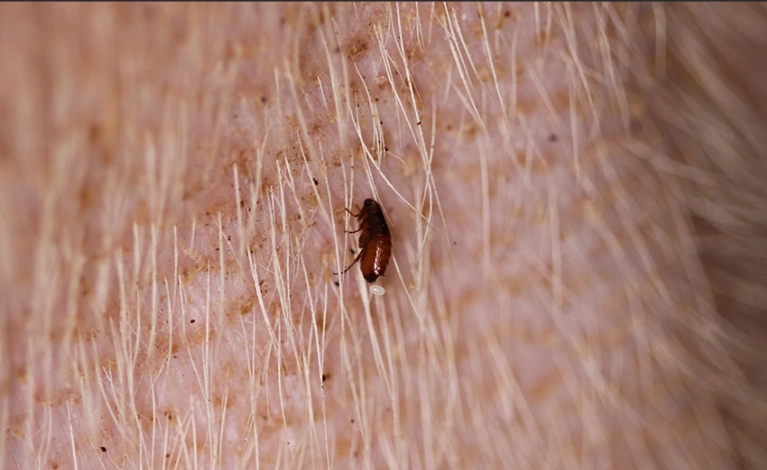
What You'll Find Inside
Why Fleas Are Trickier Than You Think
Let's clear up the biggest misconception right away. You're not fighting the fleas on your dog. You're fighting a breeding factory in your home. A single female flea can lay 40-50 eggs per day. Those eggs don't stick to your pet; they fall off like tiny grains of salt wherever your dog goes—your bed, the sofa, the car.
Then they hatch into larvae, which avoid light and burrow deep into carpet fibers, floor cracks, and upholstery. They spin cocoons (pupae) that are virtually immune to insecticides and can lie dormant for months, waiting for the vibration of a footstep or the warmth of a body.
This lifecycle is why people fail. They see the fleas disappear after a bath or a spot-on treatment and think they've won. Two weeks later, a new batch hatches, and the nightmare starts over.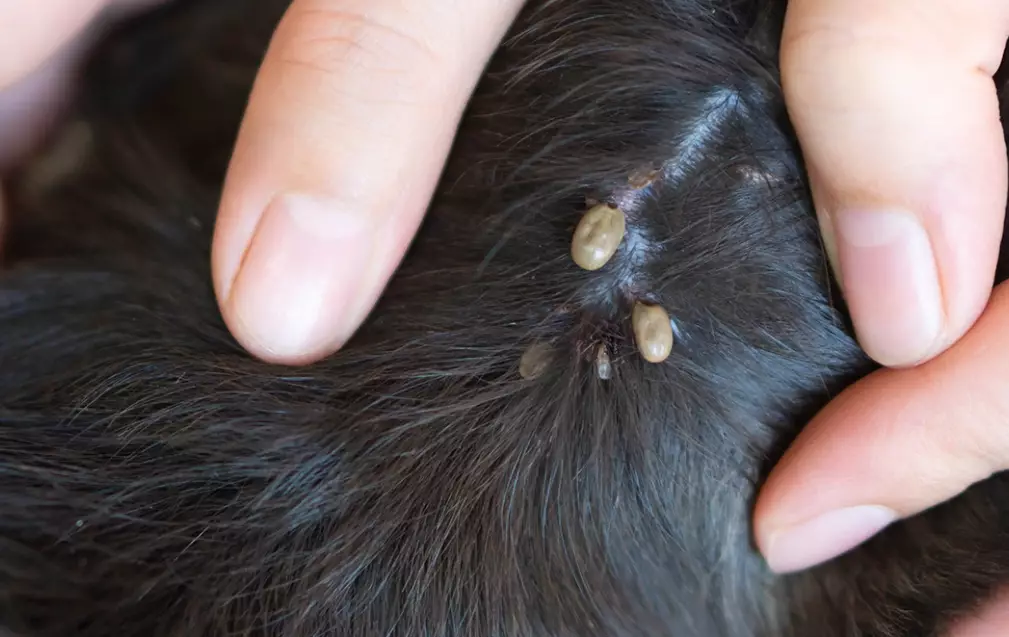
How to Spot a Flea Infestation (Before It's Obvious)
Don't wait for your dog to become a scratching, miserable mess. By then, the infestation is well-established. Be a detective.
The most reliable tool isn't some fancy gadget—it's a simple, fine-toothed flea comb. Run it through your dog's coat, especially around the neck, tail base, and inner thighs. Comb over a white paper towel or plate.
You're looking for two things:
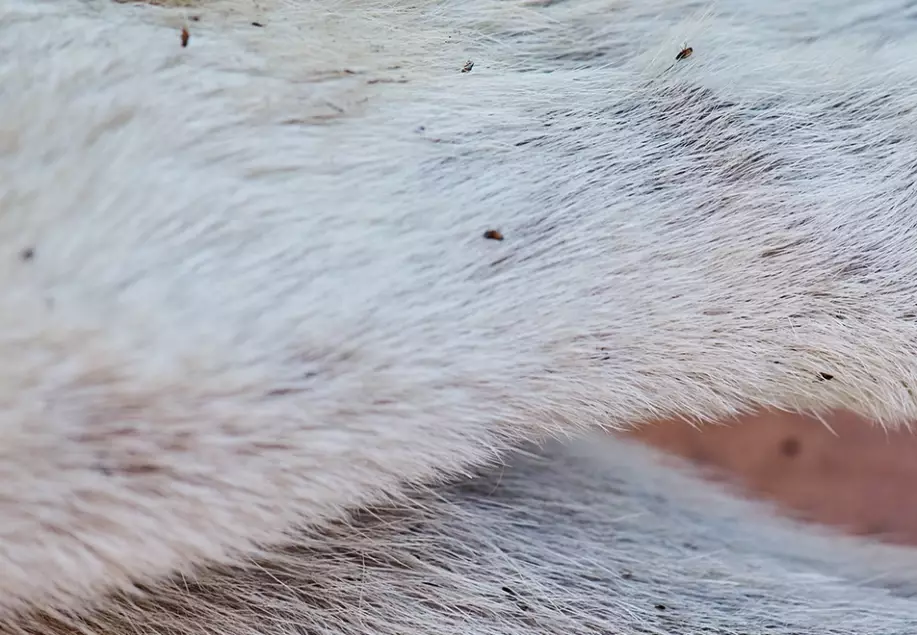
- Live fleas: Small, fast, reddish-brown insects about the size of a pinhead. They'll try to scramble away.
- Flea dirt: This is the polite term for flea feces. It looks like black pepper or coarse ground coffee. The confirmatory test? Put the specks on a damp paper towel. If they dissolve and leave a reddish-brown stain (digested blood), it's flea dirt. Bingo.
Other signs include excessive scratching, licking, or biting, particularly at the hindquarters. Some dogs develop red, irritated skin or even hair loss. In severe cases, especially in puppies, fleas can cause anemia (pale gums, lethargy).
The 3-Step Treatment Plan That Actually Works
To break the cycle, you must attack on three fronts simultaneously. Doing these steps out of order or skipping one is the most common reason treatments fail.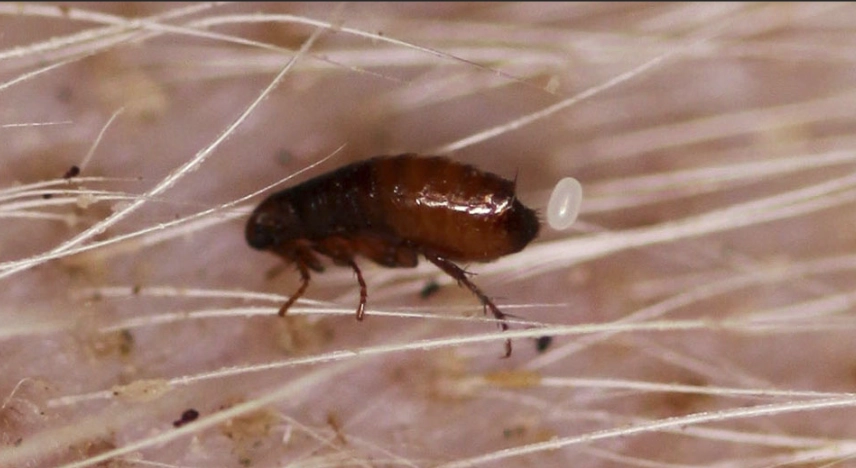
Step 1: Treat Your Home (The Most Critical Step)
This is non-negotiable. Start here, even before you treat your dog.
- Wash everything: All pet bedding, your bedding if the dog sleeps with you, and removable sofa covers in the hottest water the fabric allows. Dry on high heat.
- Vacuum like your sanity depends on it: Vacuum all carpets, rugs, furniture, and floor cracks thoroughly. Pay special attention to areas your dog frequents. The vacuum's agitation helps stimulate pupae to hatch, and the suction removes eggs and larvae. Immediately throw the vacuum bag or empty the canister into an outdoor trash bin. If you leave it inside, fleas can crawl back out.
- Use an environmental insecticide: Look for sprays or foggers containing an Insect Growth Regulator (IGR) like methoprene or pyriproxyfen. An IGR doesn't kill adults instantly; it sterilizes eggs and prevents larvae from maturing, breaking the reproductive cycle. This is the secret weapon. Follow label directions meticulously and focus on baseboards, under furniture, and carpeted areas. The Environmental Protection Agency (EPA) provides guidelines on safe use.
Step 2: Treat Your Dog
Now, address the adult fleas on the host. Consult your vet to choose the right product (we'll compare them next). Whatever you choose, follow the dosing instructions based on your dog's exact weight. Under-dosing is useless.
Give your dog a bath with a gentle dog shampoo to remove some fleas and dirt. For immediate relief, a shampoo containing oatmeal can soothe itchy skin. However, shampoo alone won't end the infestation; it's just step one of the pet treatment phase.
Then, apply your chosen long-term medication (oral chew, topical, etc.). This will kill the remaining adults and provide ongoing protection.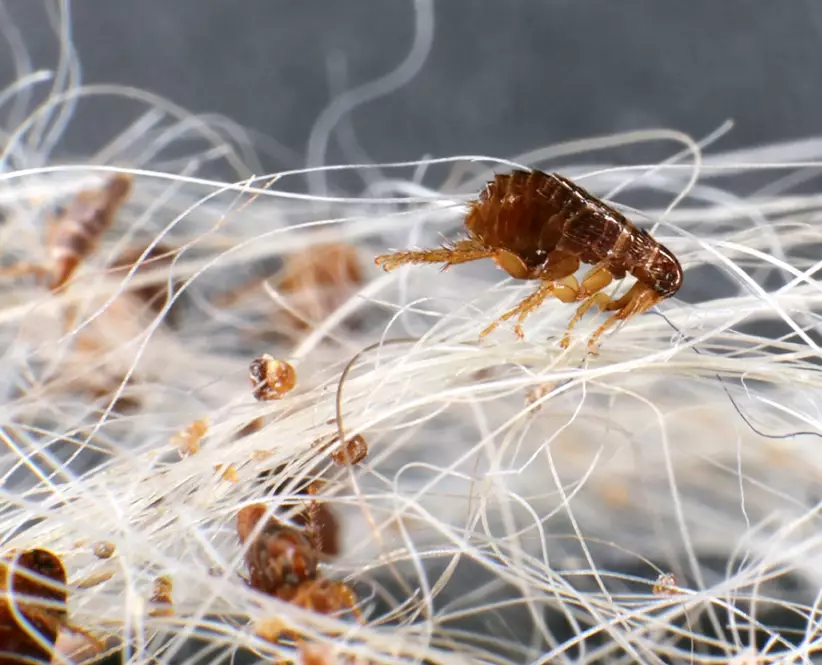
Step 3: Maintain and Prevent
Continue weekly vacuuming and washing bedding for at least a month to catch any late-hatching pupae. Stick religiously to your chosen monthly preventative. Mark it on your calendar. Consistency is everything.
Choosing the Right Flea Product: A Real-World Comparison
The aisle at the store is overwhelming. Here’s a breakdown from someone who’s tried most of them. The best choice depends on your dog's lifestyle, your budget, and any existing health conditions (always vet first!).
| Type | How It Works | Pros | Cons / Watch-Outs |
|---|---|---|---|
| Oral Chews/Tablets (Monthly) e.g., NexGard, Simparica |
Ingested; kills fleas via bloodstream when they bite. | Fast kill (often within hours). Waterproof. No residue on fur. No transfer to hands. | Requires a vet prescription. Some dogs are picky eaters. Must ensure full dose is consumed. |
| Topical "Spot-On" (Monthly) e.g., Frontline Plus, Advantage II |
Applied to skin at back of neck; spreads via skin oils. | Widely available (some OTC). Often includes an IGR. Kills multiple life stages. | Can feel greasy. Must avoid bathing 2 days before/after. Potential for skin irritation. Can transfer to human hands if petted before dry. |
| Oral Chews/Tablets (3-Month) e.g., Bravecto |
Same as monthly oral, but longer-lasting ingredient. | Convenience of less frequent dosing. Good for forgetful owners. | Higher upfront cost. Prescription required. If dog has reaction, it's in system longer. |
| Flea Collars (Long-term) e.g., Seresto |
Releases low-dose insecticides over 7-8 months. | Long-lasting, low-maintenance. Some are water-resistant. | Fit is crucial (must be snug). Can cause neck irritation. Some report less efficacy in heavy infestations. Keep away from children's hands. |
My personal go-to for my current dog is a monthly oral chew. The speed is incredible, and I don't have to worry about her swimming or getting a bath. But for my last dog, who had sensitive skin, a specific topical recommended by my vet worked better. There's no single best answer, only the best answer for your situation.
Your Long-Term Prevention Strategy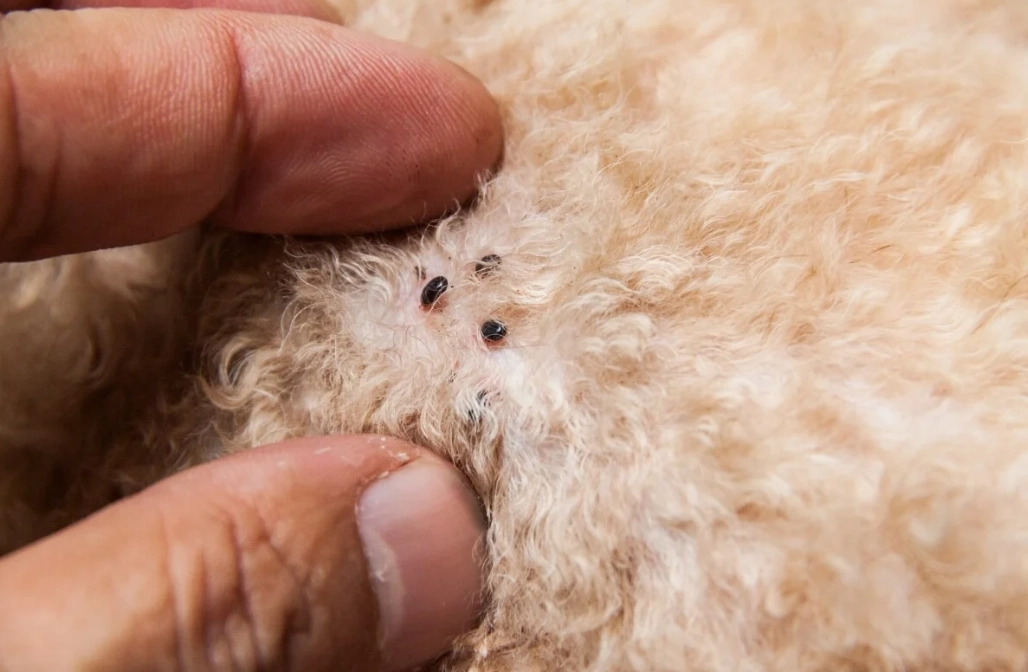
Once you've won the battle, don't drop your guard. Prevention is cheaper, easier, and less stressful than eradication.
- Treat year-round. Fleas can survive indoors in winter. Stopping treatment in fall is an invitation for a winter infestation.
- Treat all pets in the household. Cats are often silent carriers and will reinfect dogs.
- Keep your yard tidy. Mow the lawn regularly and clear brush piles where wildlife (and their fleas) might live.
- Make the flea comb your friend. A quick weekly comb-through is the best early detection system you have.
Guidelines from the American Animal Hospital Association (AAHA) consistently recommend year-round parasite prevention as the standard of care.
Answers to the Tough Questions
Can fleas live in my house without pets?
Yes, absolutely. This is the single biggest mistake people make. Adult fleas need a blood meal to reproduce, but their eggs, larvae, and pupae can thrive in your carpets, furniture, and bedding for months, waiting for a host. You can treat your dog perfectly, but if you ignore the environment, a new generation will hatch and restart the cycle. A full home treatment is non-negotiable for breaking an infestation.
Are natural home remedies like apple cider vinegar effective against dog fleas?
In my experience, they’re a temporary distraction at best and can be harmful at worst. A vinegar rinse might make your dog's skin slightly less appealing, but it does not kill fleas or stop reproduction. More critically, these solutions can disrupt your dog's skin pH, cause irritation, and waste precious time while the infestation grows. For real results, you need products with proven active ingredients like fipronil, imidacloprid, or spinosad, which are rigorously tested for safety and efficacy.
 Why do fleas keep coming back even after I use a monthly treatment?
This usually points to one of three gaps: environmental re-infestation (eggs in the home hatching), inconsistent application (missing a dose by even a few days can leave a window open), or product resistance. Flea populations can develop resistance to certain chemicals over time. If you've been diligent with home cleaning and application timing, consult your vet. They might recommend switching to a product with a different active ingredient or a faster-kill oral medication to break the cycle.
My dog seems fine, so how often should I check for fleas?
Make it a weekly habit during your grooming session. Don’t wait for scratching. Use a fine-toothed flea comb, focusing on the neck, tail base, and groin. Comb over a white paper towel. You're looking for live fleas (small, fast, dark brown) or "flea dirt" (black specks that turn red when wet). Catching a single flea early is the difference between a quick fix and a months-long battle with your home under siege.
Related Articles