Is Peanut Butter Safe for Dogs? A Complete Guide to Brands & Benefits
You’ve seen the videos. A dollop of peanut butter on the nose, the frantic licking, the pure canine bliss. It’s a classic. But as a dog owner for over a decade, I’ve learned that the peanut butter aisle is a minefield. That innocent jar can be a fantastic treat or a hidden danger. Let's cut through the marketing and get to what actually matters for your dog's health and safety.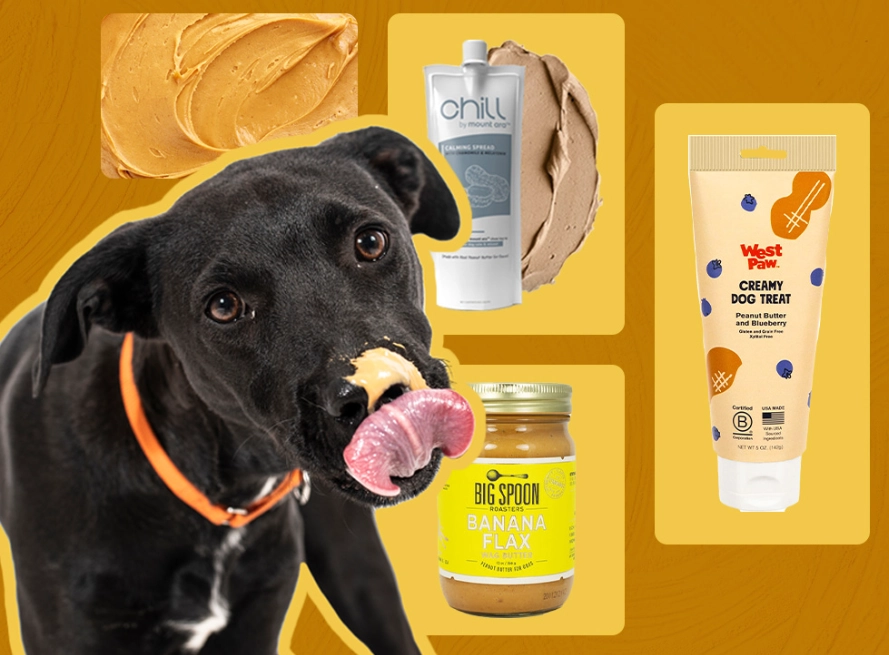
What's Inside This Guide
The One Ingredient That Can Kill: Xylitol
Forget chocolate for a second. The number one threat in human food for dogs right now is xylitol. This sugar alcohol, common in sugar-free gum and mints, is now popping up in "sugar-free" or "natural" peanut butters. It's a disaster for dogs.
I made this mistake once, early on. I grabbed a "natural" brand without looking. Luckily, I scanned the label while walking to the checkout and saw it. My heart dropped. It’s that easy to slip up. The rule is non-negotiable: If the ingredient list contains xylitol, it is poison for your dog. End of story.
How to Choose a Truly Safe Peanut Butter for Your Dog
Once you've ruled out xylitol, the next step is avoiding unnecessary junk. You want the simplest jar on the shelf.
The Ideal Ingredients List
Perfect: Peanuts. Salt. That's it. Maybe peanut oil. The oil separation is normal—just stir it.
Okay in moderation: Added sugar (cane sugar, molasses), palm oil. These aren't toxic, but they add empty calories. Your dog doesn't need the extra sugar.
Avoid: Hydrogenated oils (trans fats), excessive salt, artificial sweeteners (especially xylitol), and long lists of preservatives you can't pronounce.
Health Benefits vs. The Sticky Reality
Let's be real. We don't give our dogs peanut butter because it's a superfood. We give it because it works. The benefits are a nice bonus.
The Real Benefit: It's the ultimate high-value motivator. Training a stubborn recall? Peanut butter. Need to trim nails or brush teeth? Peanut butter. It's a mental enrichment tool, slowing them down as they work to lick it out of a Kong or puzzle toy.
The Nutritional Perks (if you choose well): Simple peanut butter provides protein for muscle maintenance, healthy fats for a shiny coat and skin, and vitamins like Vitamin E and B vitamins. It's energy-dense, which is great for active dogs but a pitfall for couch potatoes.
The sticky reality is the mess and the calories. It's not a dietary staple; it's a tool and a treat.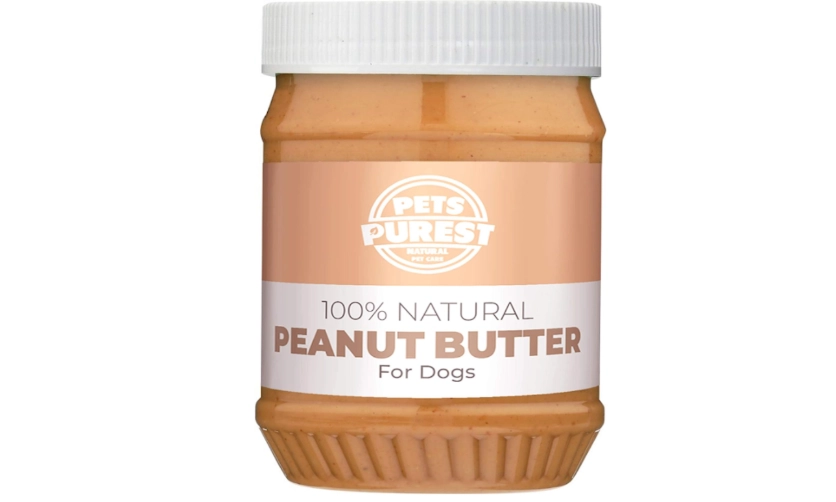
Portion Control: How Much Peanut Butter is Too Much?
This is where most people go wrong. That heaping tablespoon you just scooped? For a small dog, that could be a massive chunk of their daily calories.
Think of peanut butter as a condiment, like mayonnaise. You wouldn't eat a bowl of mayo.
General Feeding Guidelines (per serving, max 2-3 times a week):
- Small dogs (under 20 lbs): 1 teaspoon (about 5 grams)
- Medium dogs (20-50 lbs): ½ tablespoon
- Large dogs (50+ lbs): 1 tablespoon
Critical: You must adjust their regular meals on days they get peanut butter. Those 100 calories from a tablespoon need to come from somewhere, or you'll have a chunky pup on your hands. I keep a small, dedicated "dog peanut butter" jar and a measuring spoon in the cupboard to avoid over-pouring.
Brand Breakdown: Safe Picks & Red Flags
Brand formulations change, so always double-check the label. Here’s a snapshot based on recent ingredient panels. This is not an exhaustive list, and you should always verify before purchasing.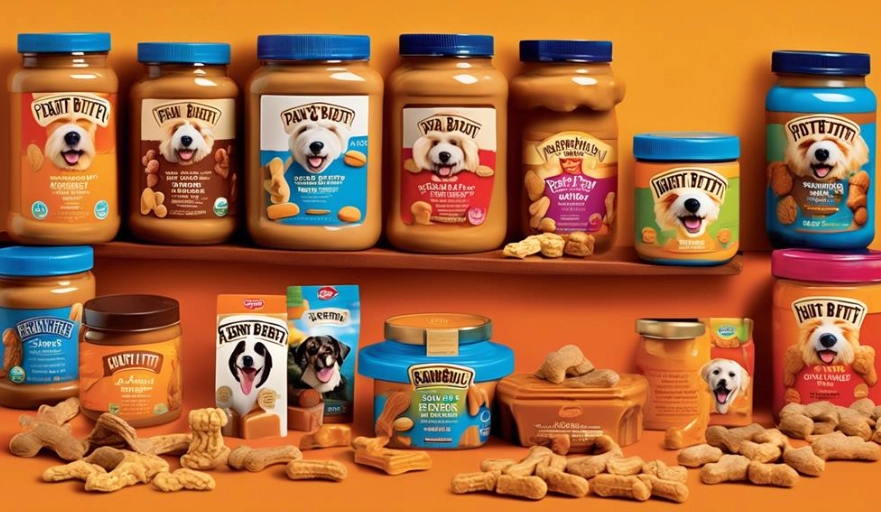
| Brand & Product | Status for Dogs | Key Notes & Why |
|---|---|---|
| Kong Easy Treat Paste | Safe / Designed for Dogs | Formulated specifically for use in toys. Checked for safety. |
| Smucker's Natural (Peanuts & Salt) | Generally Safe | Classic two-ingredient option. Widely available. |
| Teddie All Natural Smooth | Generally Safe | Just peanuts and salt. A popular choice among dog owners. |
| 365 by Whole Foods Market Unsalted | Generally Safe | Simple ingredient profile. No added sugar or salt. |
| Jif, Skippy, Peter Pan (Regular) | Use Caution / Limit | Contain added sugar, hydrogenated oils, and more salt. Not toxic, but not healthy. Avoid their "No Sugar Added" lines—these often contain xylitol. |
| Any "Sugar-Free", "No Sugar Added", or "Low Sugar" Variant | DANGER - AVOID | This is the highest-risk category. These are most likely to contain xylitol. The FDA has issued warnings about this. |
| Nuts 'N More, P28, Protein-Enhanced Brands | DANGER - AVOID | High-protein spreads frequently use xylitol as a sweetener. Extremely hazardous. |
See the pattern? The fancy, human-focused "health" brands are often the worst. Stick with the boring, simple, old-fashioned natural kinds.
Your Top Questions, Answered by a Seasoned Dog Owner
Can I give my dog any peanut butter from the grocery store?
How much peanut butter can I safely give my dog?
My dog loves peanut butter in a Kong. Are there any risks with this?
What are the actual health benefits of peanut butter for dogs?
Peanut butter can be a wonderful part of your dog's life. It’s not about banning it; it’s about being smart. Make label-reading a non-negotiable habit, measure the portion, and use it wisely. That way, you get the happy lick videos without the hidden worry. Your dog gets a safe treat, and you get peace of mind. That’s the best combo of all.
Related Articles