Essential Oils Safe for Dogs: A Vet-Approved Guide
Picture this. Your dog, Max, seems a bit anxious after the fireworks last night. You've heard lavender is calming, and you have a bottle of essential oil in your cabinet. You think, "It's natural, how bad could it be?" You add a few drops to your diffuser. Max walks in, sniffs, and walks right out. You didn't know this, but that was a warning sign. The line between a soothing remedy and a toxic hazard for dogs is thinner than most pet owners realize.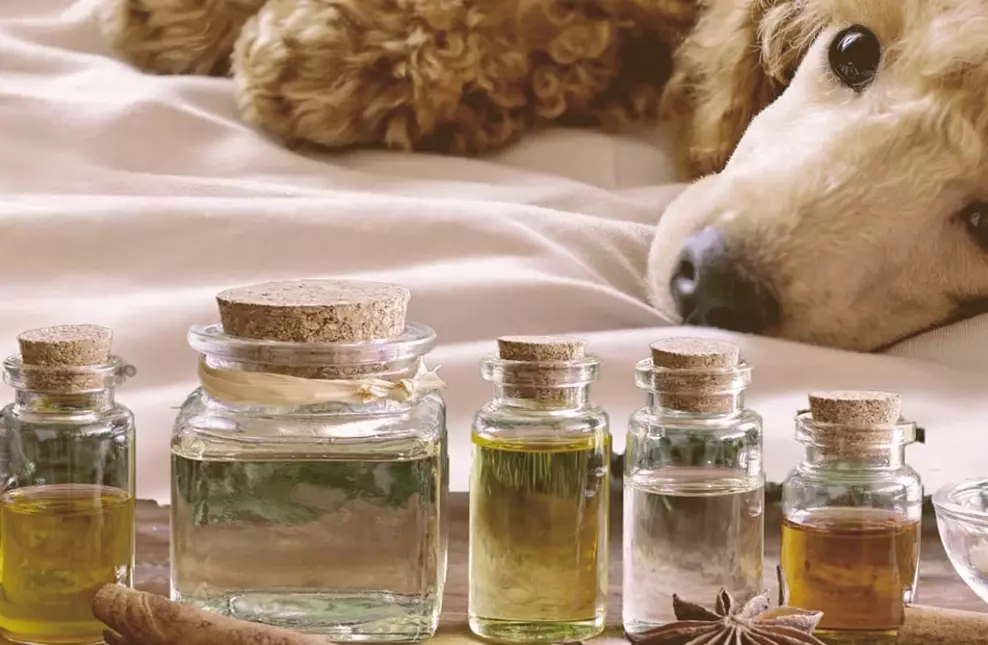
Let's get one thing straight from the start: essential oils are potent plant compounds. They are not "just nice smells." For dogs, with their incredibly sensitive noses and different metabolic pathways, using them requires knowledge, caution, and respect. I've spent over a decade in holistic pet care, and the number one mistake I see is well-meaning owners assuming "100% pure" equals "100% safe." It doesn't. This guide will cut through the noise and give you a clear, actionable roadmap for using essential oils safely with your canine companion.
Here's What You'll Learn
Which Essential Oils Are Safe for Dogs?
First, a crucial disclaimer: No essential oil is 100% safe for 100% of dogs. Individual sensitivity varies wildly. A golden retriever might be fine with something that causes a reaction in a french bulldog. Always, always start with minimal exposure and observe.
That said, based on clinical experience and resources like the ASPCA and veterinary aromatherapy texts, the following oils are widely considered to have a higher safety margin when used correctly. Think of this as your "starter kit."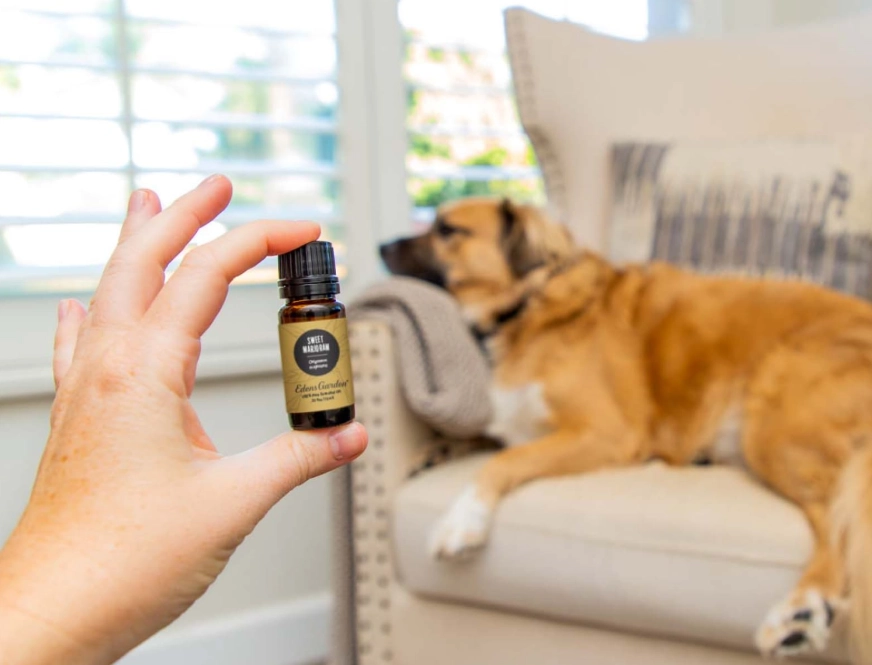
| Essential Oil | Common Uses for Dogs | Important Notes & Cautions |
|---|---|---|
| Lavender (Lavandula angustifolia) | Calming anxiety, promoting relaxation, minor skin irritations. | The most commonly recommended. Use only true lavender, not spike lavender. Quality is paramount—cheap oils are often adulterated. |
| Frankincense (Boswellia serrata/carterii) | Supporting immune function, skin health, creating a peaceful environment. | Very gentle and well-tolerated by many. Often used in holistic practices for senior dogs. |
| Chamomile, Roman (Chamaemelum nobile) | Soothing nervousness, easing digestive discomfort (via diffusion), skin calming. | Exceptionally gentle. German chamomile is also used but is slightly different. |
| Cardamom | Easing occasional nausea, supporting digestion. | A less common but safe option. Sweet, spicy aroma. |
| Spearmint | Freshening breath (highly diluted), aiding digestion. | NOT peppermint. Spearmint is much milder. Avoid with puppies. |
See how short that list is? That's intentional. When you're starting out, less is more. Master using one or two of these safely before even considering anything else.
A Game-Changing Alternative: Hydrosols. If the idea of using pure essential oils makes you nervous (and it should, a little), start with hydrosols. These are the aromatic waters leftover from steam distillation. They contain tiny, trace amounts of the essential oil and are incredibly mild. You can lightly spritz lavender or chamomile hydrosol on your dog's bedding or bandana. It's the perfect baby step into canine aromatherapy with almost zero risk.
Essential Oils That Are Dangerous for Dogs
This list is non-negotiable. These oils contain compounds (like phenols, ketones, or specific terpenes) that a dog's liver cannot process efficiently, leading to toxicity. Symptoms range from drooling and vomiting to tremors, respiratory distress, and liver failure.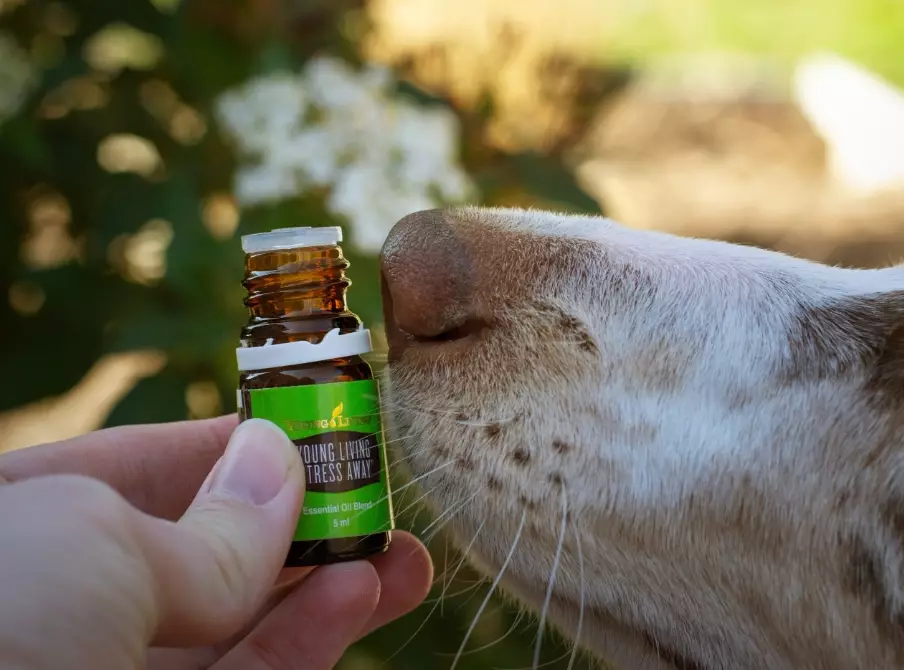
Never use these oils on or around your dog:
- Tea Tree (Melaleuca): This is the big one. Even "diluted" pet products containing tea tree oil have caused severe poisoning. It is not safe.
- Peppermint, Wintergreen, Eucalyptus, Camphor: These are too strong and can cause neurological and respiratory issues.
- Citrus Oils (Lemon, Lime, Orange, Grapefruit): Especially problematic if cold-pressed. They can be phototoxic and cause irritation.
- Pine, Ylang-Ylang, Cinnamon, Clove, Pennyroyal, Sweet Birch.
I once consulted on a case where a owner used a popular "immune-boosting" blend containing cinnamon and eucalyptus in their home diffuser. Their cat got very sick (cats are even more sensitive), and the dog became lethargic and off its food for two days. The house had to be aired out for hours. The takeaway? Know every single oil in a blend before you use it.
How to Safely Use Essential Oils for Dogs
Safety isn't just about which bottle you pick up. It's about how you use it. This is where most people slip up.
The Golden Rule: Dilution, Dilution, Dilution
You should almost never apply a "neat" (undiluted) essential oil directly to your dog's skin or fur. The standard carrier oils are fractionated coconut oil, sweet almond oil, or jojoba oil. Here's a simple starting guide:
- For a Medium-Sized Dog (~50 lbs): 1 drop of essential oil to 50 drops of carrier oil. That's a 1% dilution.
- For a Small Dog (~20 lbs): 1 drop to 100 drops of carrier oil (0.5% dilution).
- For Large Dogs (~80 lbs+): You can consider up to a 2% dilution (1 drop to 25 drops carrier), but starting at 1% is always wiser.
For puppies, elderly dogs, or dogs with health issues, dilution should be even greater, or better yet, avoid topical use altogether and stick to diffusion.
Application Methods: From Safest to Most Advanced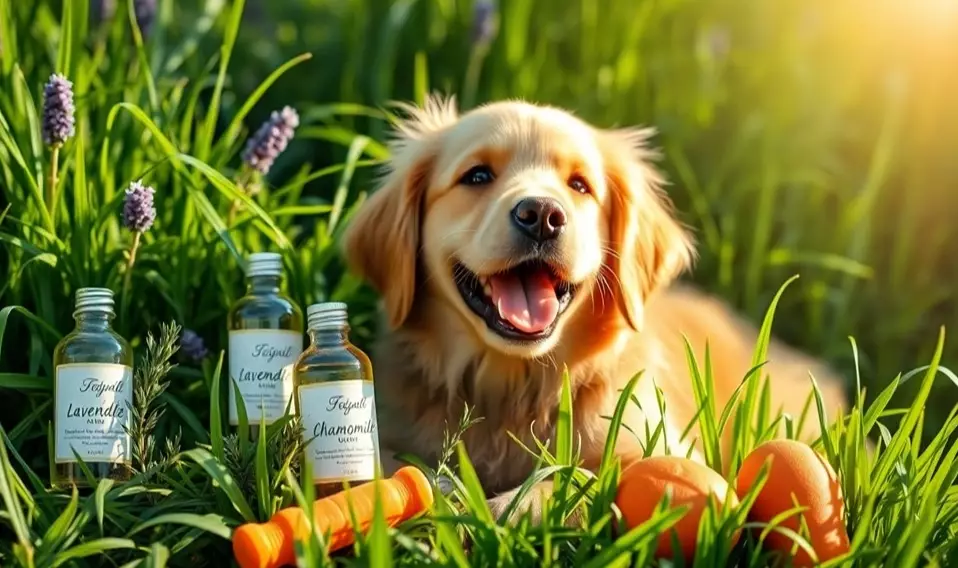
1. Environmental Diffusion (Passive Inhalation): This is the safest method. Use an ultrasonic diffuser (not a heat-based one, as heat alters the oil) in a large, well-ventilated room. Use half the amount you would for yourself—2-3 drops is plenty. Always provide an escape route. If your dog leaves the room, respect that choice. Don't lock them in with the aroma.
2. Topical Application (With Proper Dilution): Apply the diluted mixture to areas where your dog can't lick it easily—like the back of the neck, between the shoulder blades, or along the spine. You can also apply to your own hands, rub them together, and then pet your dog. Always do a patch test first on a small area of skin and wait 24 hours.
3. Personal Inhalers: You can put a drop of diluted oil on a cotton ball and place it in your dog's crate or bedding, away from direct contact. Or, put a drop on your own shirt cuff and let your dog sniff you if they choose to.
Critical Warning: Never add essential oils to your dog's food or water. Never put oils directly into their ears, eyes, nose, or genitals. Avoid using on broken skin. And if you have both dogs and cats, remember cats are exquisitely sensitive. Oils safe for dogs may be deadly for cats. In multi-pet households, extra caution and separate spaces are key.
Common Mistakes Even Experienced Owners Make
Here's the insider knowledge—the stuff you don't see in most basic blogs.
Mistake #1: Ignoring the Breed and Health Factor. Brachycephalic breeds (pugs, bulldogs) with compromised airways can be more sensitive to respiratory irritants. Dogs with liver or kidney disease cannot metabolize oils effectively. Dogs with a history of seizures should avoid most oils, especially stimulating ones. Your dog's medical history is part of the safety equation.
Mistake #2: Using Low-Quality or Adulterated Oils. If you're buying your lavender oil from the discount bin at a big-box store, you have no idea what's really in it. Adulterants and synthetic chemicals are common and can cause reactions. Look for reputable brands that provide GC/MS (Gas Chromatography/Mass Spectrometry) reports to prove purity. It costs more, but it's non-negotiable for safety.
Mistake #3: Overdoing It. More is not better. We're talking about a few molecules creating an effect. Chronic, long-term overuse can still stress a dog's system, even with "safe" oils. Think of it as a targeted tool, not a constant environmental background scent.
Your Essential Oil Safety Questions, Answered
 Is lavender essential oil safe for all dogs?
Using essential oils with your dog can be a wonderful way to support their well-being naturally. But it's a privilege, not a right. It requires you to be an informed, cautious, and observant guardian. Start slow, respect their signals, and prioritize safety over experimentation. When in doubt, less is more, and consulting with a veterinarian knowledgeable in aromatherapy is always the best course of action. Your dog's trust is worth it.
Related Articles