Dog Intolerance vs. Allergies: Symptoms, Diet, and Care Guide
Dog intolerance is a common but often misunderstood issue. You see your dog scratching, notice loose stools, or hear their stomach gurgling after meals. Your first thought might be an allergy, and you spend a fortune on grain-free or exotic diets. But what if the problem isn't an allergy at all? What if it's a food intolerance? The distinction isn't just academic—it changes how you diagnose and manage the problem, potentially saving you years of frustration and unnecessary vet bills.
Let's break it down. An intolerance means your dog's digestive system simply can't handle a particular ingredient. It's a mechanical failure, not an immune system attack. The result is chronic, low-grade misery: gas, intermittent diarrhea, occasional vomiting, and general discomfort. It's sneaky because the symptoms can be vague and build up over time.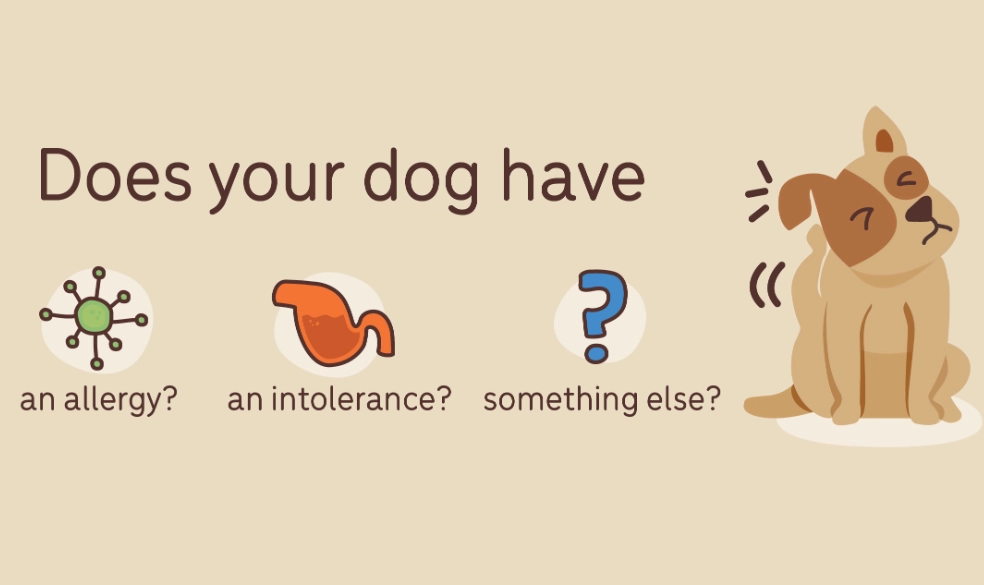
I've worked with dogs for over a decade, and the number of owners who are told their dog has a "chicken allergy" without proper testing is staggering. Often, it's just an intolerance to the overload of chicken protein found in nearly every commercial food. Switching to a lamb formula might help, not because lamb is magical, but because it's a novel protein the dog hasn't developed an intolerance to yet.
What You'll Find in This Guide
Spotting the Signs: Is It Intolerance or Something Else?
The symptoms of dog intolerance are primarily gastrointestinal, but they can have secondary effects. You won't typically see the explosive, immediate reactions of a true allergy. Instead, it's a slow burn.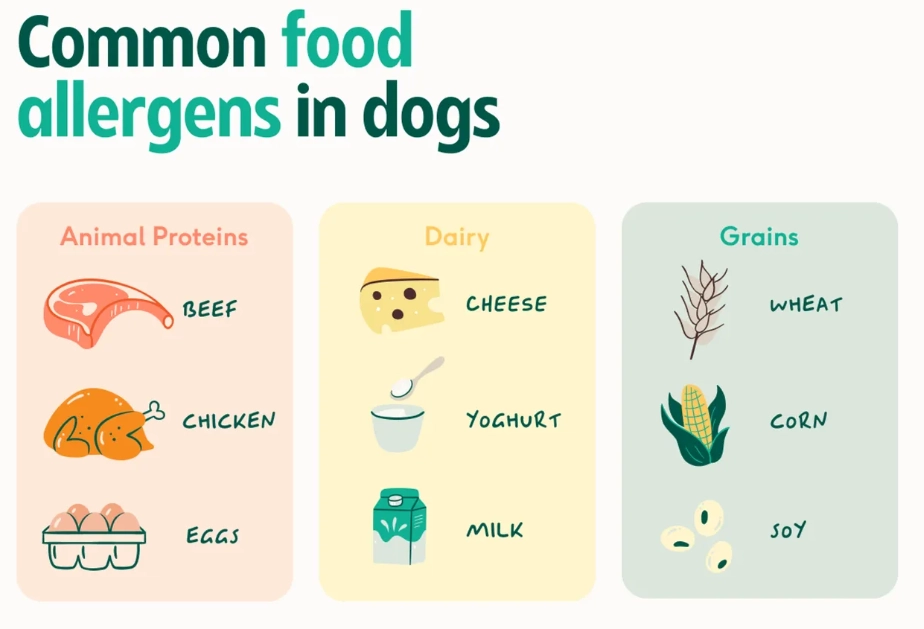
Here’s what to watch for:
- Chronic, intermittent diarrhea or soft stools. This is the big one. The stool might be mucus-y or unusually foul-smelling.
- Excessive gas. We're talking room-clearing level.
- Frequent vomiting or regurgitation. Not always right after eating, sometimes hours later.
- Abdominal discomfort, bloating, or audible gurgling. Your dog might seem restless after meals.
- Poor coat condition or mild itchiness. This happens because a inflamed gut affects nutrient absorption and skin health. It's a consequence, not a primary immune response.
It's crucial to rule out other causes first. Parasites (like giardia), pancreatic issues (EPI), or inflammatory bowel disease (IBD) can mimic intolerance. A visit to your vet for a basic fecal exam and blood work is always step one. Don't self-diagnose based on internet lists.
Intolerance vs. Allergy: The Critical Difference
This is where most people get tripped up. Let's clear the air. An allergy involves the immune system. An intolerance involves the digestive system. It's like the difference between your body declaring war on peanut butter (allergy) versus your stomach just getting upset because it can't digest the lactose in cheese (intolerance).
| Feature | Dog Food Intolerance | Dog Food Allergy |
|---|---|---|
| Body System | Digestive System | Immune System |
| Primary Symptoms | Gas, diarrhea, vomiting, bloating | Itchy skin (pruritus), hives, face swelling, ear infections |
| Onset of Symptoms | Slow, can take hours or days after ingestion | Can be rapid, within minutes to a few hours |
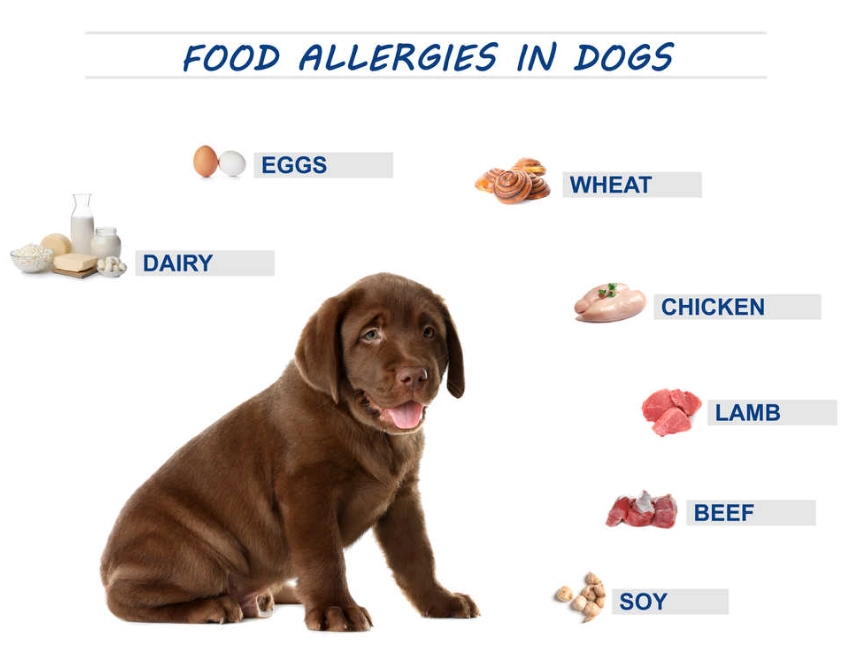
| Common Triggers | Lactose, food additives, high-fat foods, specific proteins in large amounts | Specific protein molecules (beef, dairy, chicken, wheat, egg, soy) |
| Diagnosis Method | Elimination Diet (Gold Standard) | Elimination Diet; Intradermal or Blood Testing (less reliable) |
| Treatment | Avoidance of trigger ingredient(s) | Strict, lifelong avoidance of allergen |
Notice that itchiness appears on both lists? That's why it's confusing. With an allergy, itchiness is the main event, often severe and focused (paws, ears, base of tail). With an intolerance, itchiness is a supporting actor, usually milder and stemming from poor skin health due to a messed-up gut.
How is Dog Intolerance Diagnosed?
Forget about those saliva or hair tests you see online. The American College of Veterinary Dermatology states that these tests are unreliable for diagnosing food allergies or intolerances. The only accepted, gold-standard method is an elimination diet trial.
This isn't just buying a bag of "sensitive stomach" food. That food might still contain the trigger. A proper elimination diet involves feeding a protein and carbohydrate source your dog has never eaten before for 8-12 weeks. Think venison and potato, kangaroo and oats, or even a veterinary-prescribed hydrolyzed protein diet where the protein is broken down so small the body can't react to it.
Here's the brutal truth most vets don't have time to explain in detail: You must be 100% strict. No treats, no table scraps, no flavored medications or heartworm preventatives, no rawhides, nothing but the trial food and water. One lick of butter or a single commercial biscuit can reset the entire 8-week clock. I've seen so many trials fail because "Grandma just gave him a little piece of cheese."
If symptoms resolve during the trial, you then start a "food challenge"—reintroducing one old ingredient at a time every 5-7 days. When symptoms return, you've found your culprit.
What Are the Most Common Intolerance Triggers?
While any ingredient can be problematic, some are frequent offenders:
- Beef and Dairy: Top of the list. They're in everything, leading to overexposure.
- Wheat & Gluten: Not just a human trend; some dogs lack the enzymes to digest it well.
- Chicken & Egg: Again, overexposure from being staple ingredients.
- Soy and Corn: Common fillers that some guts struggle with.
- Artificial Additives: Colors, flavors, and preservatives like BHA, BHT, ethoxyquin.
- High-Fat Content: Some dogs, especially certain breeds, simply can't handle rich, fatty foods.

Managing Your Dog's Diet: A Step-by-Step Guide
Once you've identified the trigger, management is straightforward but requires vigilance.
1. Find a Safe Commercial Food. Look for limited ingredient diets (LID) that avoid your trigger. Read the entire ingredient list, not just the front label. "Duck Formula" might still have chicken fat or egg. Brands like Instinct, Natural Balance, and Hill's Science Diet (their Derm Defense or Biome lines) offer good LID options. For severe cases, your vet may recommend a prescription hydrolyzed diet.
2. Consider a Rotation Diet. Once you have 2-3 protein sources you know are safe, rotate between them every few months. This prevents your dog from developing a new intolerance from eating the same thing every day for years. It's a proactive strategy few owners use.
3. Transition Slowly. When switching foods, mix the new food with the old over 7-10 days to avoid shocking the system. Start with 25% new, 75% old, and gradually increase.
4. Supplement with Care. A good probiotic (look for strains like Bifidobacterium animalis) can help repair gut flora. Pumpkin puree (plain, canned) is great for fiber. But always check supplements for hidden triggers—many contain beef gelatin or dairy.
Beyond Food: Long-Term Care and Management
Managing intolerance is a marathon, not a sprint. It's about consistency.
Keep a simple food diary. Note what your dog eats and any symptoms. This helps spot patterns if new issues arise. Communicate clearly with everyone in the household and anyone who cares for your dog (sitters, walkers, daycare). Make "no treats from anyone" a non-negotiable rule, and provide them with a bag of safe treats you approve of.
Understand that your dog likely won't "outgrow" this. True enzymatic intolerances are lifelong. But that's okay. With a managed diet, your dog can live a completely normal, happy, and symptom-free life. The goal isn't a cure; it's perfect management.
Remember, chronic gut inflammation from untreated intolerance can lead to more serious issues like leaky gut syndrome or exacerbate conditions like arthritis. Getting the diet right is one of the most impactful things you can do for your dog's long-term health.
Your Dog Intolerance Questions, Answered
What's the difference between a dog food intolerance and an allergy?
Think of it like this: an allergy is your dog's immune system overreacting to a protein (like chicken or beef), often causing skin issues like itching or hives. An intolerance is a digestive system problem where your dog can't properly process a specific food ingredient, leading to stomach upset, gas, or diarrhea. The key distinction is the body system involved—immune vs. digestive—and the speed of reaction. Allergies can trigger a faster, sometimes severe response, while intolerances are slower and cumulative.
How do I test my dog for food intolerance at home?
The most reliable method is a strict elimination diet, but you have to do it right. This isn't just swapping brands. You need a novel protein and carbohydrate source your dog has never eaten—think venison and sweet potato or kangaroo and quinoa. Feed only this, with absolutely zero treats, table scraps, or flavored medications, for a minimum of 8-12 weeks. If symptoms resolve, you then begin a 'food challenge' by reintroducing one old ingredient at a time every 3-5 days. The moment symptoms return, you've found a culprit. The biggest mistake people make is not being strict enough or giving up too soon.
 What are the best dog foods for intolerance?
There's no single 'best' food, as the right choice depends on your dog's specific triggers. After an elimination diet identifies safe ingredients, look for foods with a limited, simple ingredient list that avoids common culprits like beef, dairy, wheat, chicken, and soy. Hydrolyzed protein diets, where the protein is broken down so small the body can't recognize it, are a veterinary-prescribed option for complex cases. For long-term management, consider rotating between 2-3 novel protein formulas you know are safe to prevent new intolerances from developing.
Can a dog outgrow a food intolerance?
It's uncommon. Unlike some puppyhood issues, true food intolerances are often a lifelong lack of specific digestive enzymes. While a puppy's gut can mature, an adult dog diagnosed with an intolerance is likely managing it for life. The goal isn't curing it, but achieving perfect management through a consistent, tailored diet. The good news is, with the right diet, your dog can live a completely normal, symptom-free life.
Related Articles