Cat Sleeping Positions Decoded: What Your Cat's Sleep Style Tells You
You're working on your laptop, and a furry loaf materializes on the keyboard. Later, you find the same creature splayed on its back in a sunbeam, legs akimbo, looking utterly deceased. Cat sleeping positions are a constant source of amusement and confusion. But what if I told you these poses aren't just random? They're a detailed, real-time readout of your cat's inner world—their trust level, comfort, temperature, and even their health.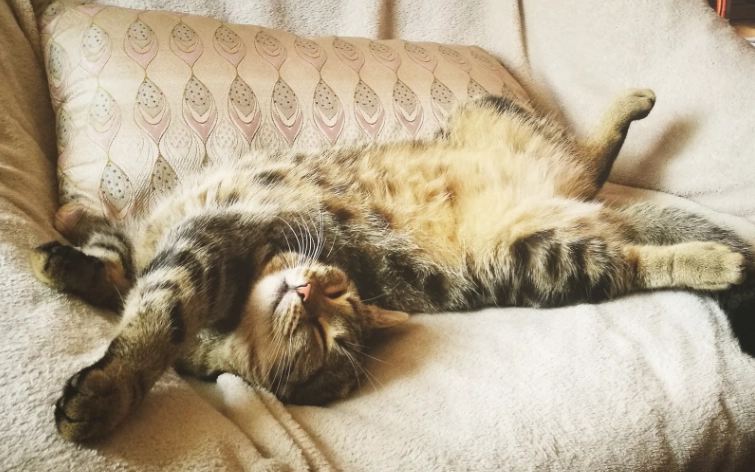
After fifteen years of living with cats (and making plenty of misinterpretations along the way), I've learned that the standard online list of "5 Cat Sleeping Positions!" barely scratches the surface. Most miss the crucial context: the where and the sudden change matter more than the pose itself. Let's move past the basics and learn the nuanced language of feline sleep.
Quick Guide: What's in This Article?
How to Read Your Cat's Sleeping Postures
Forget memorizing a single pose. Think like a detective. You need three pieces of evidence: the Pose, the Location, and the Context.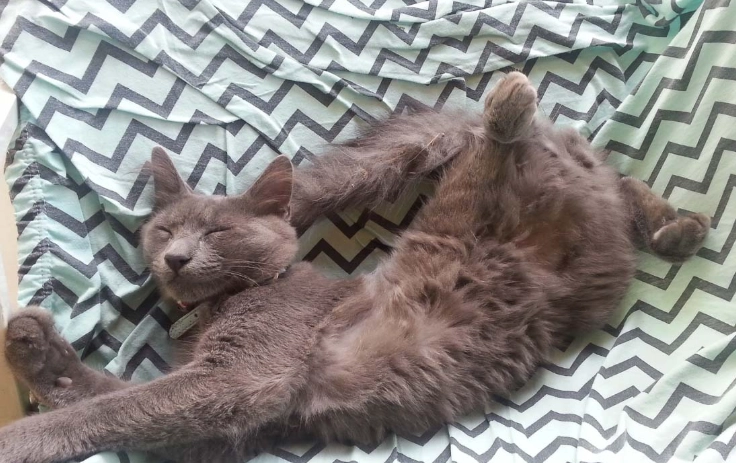
A cat curled in a ball on your lap in winter means "I'm cozy and love you." The same cat curled in a tight ball under your bed in summer might mean "I'm stressed" or "My joints hurt." See the difference? The location (lap vs. hidden) and context (winter vs. summer) completely change the message.
Here's the expert mistake I see all the time: people assume a "donut" or curled-up pose always means the cat is cold or defensive. Not true. In a warm, safe spot, it's simply an energy-efficient way to sleep, conserving body heat as a default instinct, not out of necessity. The true sign of cold is when the cat tucks its nose and paws deep into its belly fur. That's the advanced version.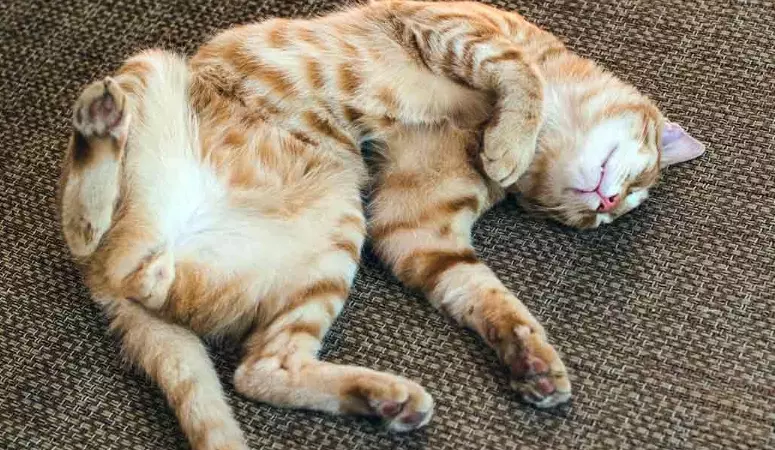
The Meaning Behind Common Cat Sleeping Positions
Let's break down the classics, plus a few weird ones you might not find on every list.
The Loaf
Paws and tail tucked neatly underneath, resembling a bread loaf. This is a "standby" or "light rest" mode. Your cat is relaxed but alert, ready to spring up at a moment's notice. It's a common pose for cats who want to be part of the action in a busy room but aren't ready for deep sleep. If the loaf is very tense, with shoulders hunched, it might indicate mild anxiety.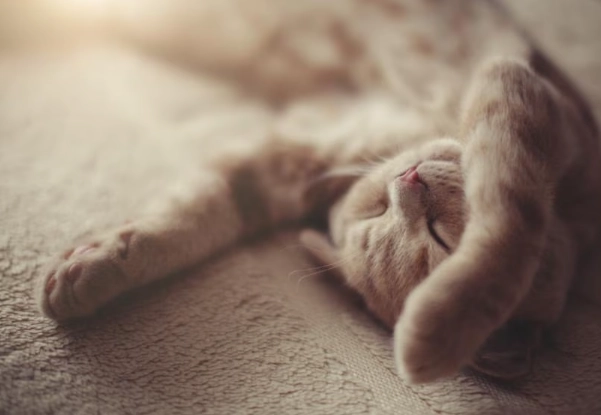
The Belly-Up Sprawl
The ultimate trust signal. Exposing the belly, the most vulnerable area, means your cat feels 100% safe in its environment. It's also a temperature-regulation move, used to cool down. A key detail: the more "spread eagle" and ridiculous they look, the more secure they feel. My cat Gizmo does this only in the middle of the living room rug, never near a door or window.
The Side Sleeper
Lying on one side, legs slightly extended. This is a deep-sleep posture. The cat is comfortable and secure enough to let its guard down more than in the loaf but not as completely as in the belly-up sprawl. You'll often see gentle twitching here—that's REM sleep and dreaming.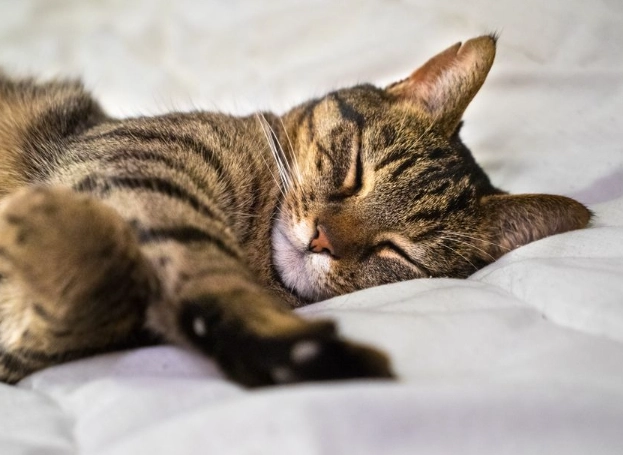
The Donut or Croissant
Tightly curled into a circle, often with the tail wrapped around the body and over the nose. This is the classic heat-conserving and self-protective pose. In a cold spot, it's practical. In a warm spot, it's just a comfortable, compact way to sleep. The "nose tucked" variation is the premium warmth-saving model.
The Superman / Sploot
Flat on the belly with front legs stretched forward and back legs stretched back. This is a relaxed but alert pose, often seen after active play. It allows for quick movement if needed. It also maximizes contact with a cool surface, like tile or hardwood, making it a popular summer position.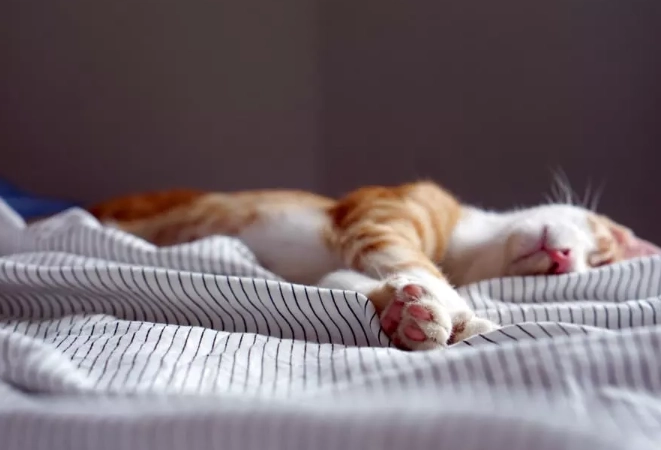
The Contortionist / Faceplant
Head buried in paws or straight up face-down into a blanket. This is about blocking out light and sound for deeper sleep. It's a sign your cat really, really wants to tune the world out. No underlying anxiety here—just a desire for uninterrupted rest.
| Sleeping Position | Typical Meaning | Trust Level | Alertness Level |
|---|---|---|---|
| The Loaf | Relaxed but alert, resting in "standby" mode. | Medium-High | High |
| Belly-Up Sprawl | Maximum security & trust; also cooling down. | Very High | Low |
| Side Sleeper | Comfortable and entering deep sleep. | High | Medium-Low |
| Tight Donut | Conserving heat, feeling slightly guarded or just cozy. | Medium (context dependent) | Medium |
| The Superman | Relaxed after activity, cooling off, ready for action. | Medium-High | Medium-High |
Sleep Positions as Health Signals: When to Pay Attention
This is where most generic articles fail. A sleeping position alone is rarely a diagnosis. A change in your cat's habitual sleep posture or location is the real clue.
Let's say your senior cat who always slept sprawled on the couch starts sleeping exclusively in a tight, hunched loaf in hidden corners. This could signal pain, perhaps from arthritis or a dental issue. The hunched position protects a sore abdomen or joints.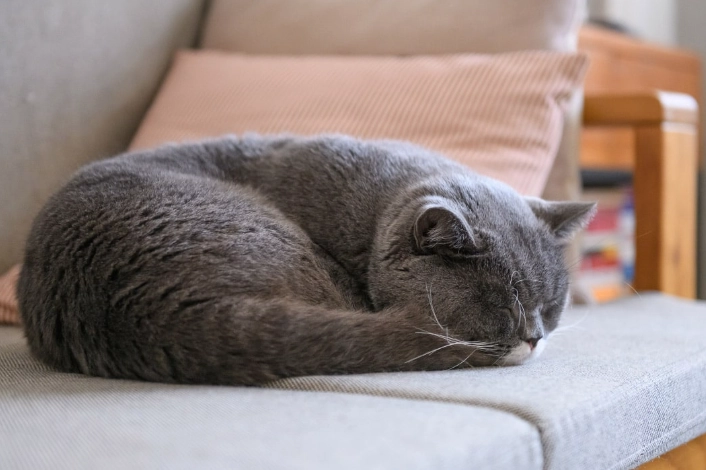
A cat that suddenly can't seem to get comfortable, shifting constantly and never settling into a deep sleep pose, might be in discomfort. Increased hiding to sleep, especially for a normally social cat, is a major red flag. The Cornell Feline Health Center notes that changes in behavior patterns, including sleep, are often the first sign of illness.
Another subtle sign: the "head pressed" position. If your cat is sleeping (or sitting awake) with its head pressed against a wall or furniture consistently, seek veterinary attention immediately. This can indicate neurological issues.
The rule of thumb? Know your cat's normal. A weird pose for one afternoon is nothing. A sustained, weeks-long shift in how and where they sleep is a conversation starter for your vet.
Creating the Perfect Sleep Environment for Your Cat
Cats sleep 12-16 hours a day, so their sleep environment matters. It's not just about buying a cute bed they'll ignore. Think in layers.
Choice is Key: Offer at least 2-3 sleeping options in different locations. One elevated (a cat tree perch), one enclosed (a covered bed or box), and one in a sunny, warm spot (a simple fleece pad on a windowsill).
Respect Their Preferences: My cat ignores plush beds but loves flattened cardboard boxes and my old wool sweaters. Pay attention to the textures and materials they gravitate towards when making their own "beds" on your stuff.
Temperature Zones: Ensure access to both warm and cool sleeping spots. A heating pad on low under a bed (made for pets, with safety features) is heaven for an older cat. In summer, ensure access to cool tile or a breathable cotton mat.
The Location Hierarchy: Where your cat chooses to sleep speaks volumes. Sleeping on you or right next to you is top-tier bonding. Sleeping in the same room but on their own bed shows comfort with you. Consistently sleeping in isolated, hidden rooms might indicate stress or that their needs aren't being met in shared spaces. Don't force it, but you can make shared spaces more appealing with pheromone diffusers, quiet corners, and predictable routines.
Your Cat Sleep Questions, Answered
My cat sleeps on my head. Is this a sign of dominance or affection?
It's overwhelmingly a sign of affection and bonding, not dominance. Your cat is choosing the warmest, safest, and most scent-saturated spot it can find—you. They are marking you as their territory in the most positive way. The head is a prime source of body heat and your unique scent from hair and skin oils. By sleeping there, they are immersing themselves in your smell, which is deeply comforting. It's a high-trust behavior, showing they feel completely secure with you. Think of it as the feline equivalent of a hug.
Should I be worried if my cat's sleeping position changes suddenly?
A sudden, sustained change in sleeping posture is a more reliable health indicator than the position itself. If a typically sprawled-out cat suddenly starts hiding and sleeping tightly curled for days, it's a red flag. They might be guarding a painful area (like the abdomen) or feeling too vulnerable to relax. The key is the change in their baseline behavior. Combine this with other signs: is their appetite normal? Are they using the litter box? A vet visit is warranted if the new posture is paired with lethargy, hiding, or changes in eating habits. Don't panic over a one-off odd nap, but do pay attention to patterns.
Why does my cat sleep with its eyes slightly open or twitching?
Cats are light sleepers, and the twitching or partially open eyes usually mean they're in REM (rapid eye movement) sleep, the deep sleep stage where dreaming occurs. The muscles twitch, whiskers flicker, and paws might paddle. It's perfectly normal and indicates a deep, restorative sleep cycle. The 'third eyelid' or nictitating membrane you sometimes see is a protective layer that moistens and shields the eye while they sleep. It's more visible when they are very relaxed. Unless the eye appears red, swollen, or has discharge, this is just a sign your cat is thoroughly zonked out and dreaming of chasing butterflies (or you with the treat bag).
Is it true that a cat sleeping on its back exposes its belly as a sign of trust?
Yes, but with a major, often misunderstood caveat. Exposing the belly is the ultimate sign of trust in a safe environment. It means your cat feels zero threat. However, this is not an invitation for a belly rub. For most cats, the belly is a vulnerable, ticklish area. Rubbing it often triggers an instinctive defensive play-bite or bunny-kick sequence. They are showing trust by displaying their vulnerability, not by requesting a massage. The correct response is to admire the pose, maybe give a gentle chin scratch, but respect the belly as a look-but-don't-touch zone. Ignoring this nuance is a common way owners get scratched and misinterpret their cat's communication.
Related Articles