Can Dogs Eat Green Peppers? A Vet's Complete Safety Guide
You're chopping a crisp green bell pepper for a salad, and those puppy-dog eyes lock onto you. That familiar question pops into your head: can dogs eat green peppers? The short, vet-approved answer is yes, absolutely. Green bell peppers are not toxic to dogs. In fact, they can be a healthy, low-calorie snack packed with good stuff. But—and there's always a but with human food—there's a right way and a wrong way to do it. I've seen too many well-meaning owners make simple mistakes that turn a healthy treat into a minor digestive upset. Let's cut through the noise and get into the specifics of how to safely share this veggie with your furry friend.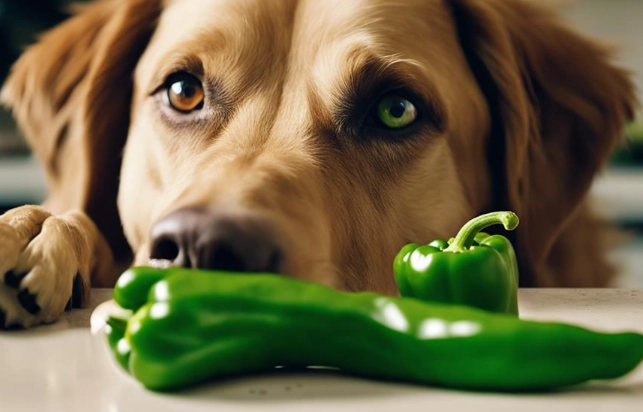
What's Inside This Guide
What's Actually in a Green Pepper? (The Good Stuff)
Let's talk about why green peppers might be worth adding to your dog's treat rotation. They're mostly water—about 92%—which makes them hydrating. But the remaining 8% is where the magic happens.
Vitamin C: Dogs produce their own vitamin C, but extra from dietary sources like peppers can act as an antioxidant, supporting the immune system and helping reduce inflammation, especially in older dogs. It's not a necessity, but it's a nice bonus.
Vitamin A (as Beta-Carotene): Crucial for good vision, especially in low light, and for maintaining healthy skin and a shiny coat. It supports cell growth and immune function too.
Fiber: This is a big one. The fiber in green peppers can help regulate your dog's digestion. For a dog prone to constipation, it can add bulk. For a dog with loose stools, it can help firm things up. It also promotes a feeling of fullness, which is great for dogs on a diet.
They also contain decent amounts of Vitamin B6, Vitamin K, and folate. Here's a quick look at the key nutrients in one cup of chopped green bell pepper:
| Nutrient | Amount | Potential Benefit for Dogs |
|---|---|---|
| Vitamin C | ~120% DV* | Antioxidant, immune support |
| Vitamin A | ~12% DV | Vision, skin & coat health |
| Fiber | ~2.5 grams | Digestive health, weight management |
| Vitamin B6 | ~15% DV | Metabolism, brain health |
| Calories | ~30 | Low-calorie treat option |
*DV = Percent Daily Value for humans, shown for relative comparison.
The takeaway? Green peppers are a nutrient-dense, low-fat, low-calorie snack. They're not a meal, but they're a far better choice than many processed dog treats filled with fillers and artificial colors.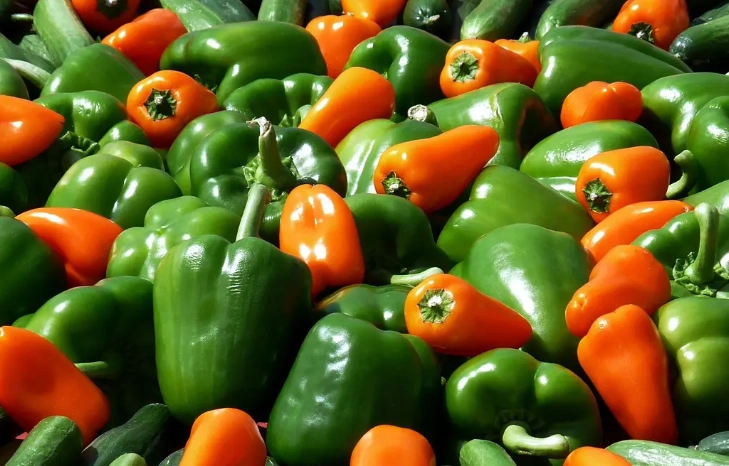
The Not-So-Obvious Risks & Common Mistakes
Okay, so they're safe and healthy. Why the caution? Because safe doesn't mean risk-free in all circumstances. Most problems arise from how peppers are prepared and served.
First, a critical distinction: We are talking about sweet bell peppers (green, red, yellow, orange). We are NOT talking about hot peppers like jalapeños, habaneros, or chili peppers. Those contain capsaicin, which can cause significant stomach upset, pain, and even inflammation in dogs. Keep all spicy peppers far away from your dog.
The Stem, Core, and Seeds
This is the mistake I see most often. People give a dog a chunk of pepper with the stem still attached or the tough, white inner core. The stem is a serious choking hazard and can cause an intestinal blockage. The core is fibrous and difficult to digest. The seeds, while not toxic, can also be a mild irritant or choking risk in large quantities.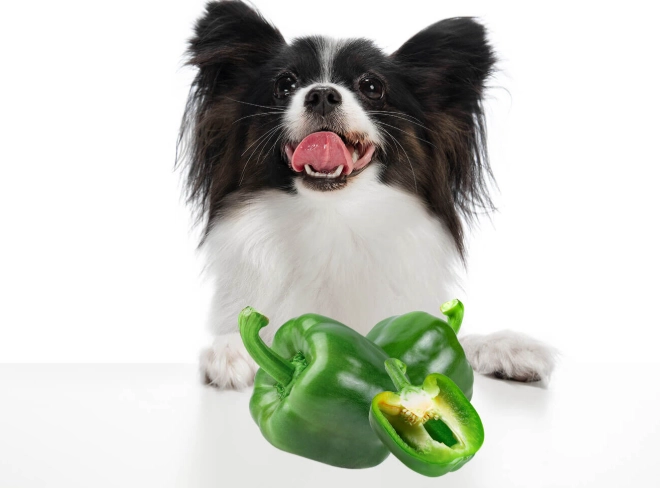
Always remove all of it. Every single time.
Portion Size is Everything
Even good things can be bad in excess. Green peppers are high in fiber. Introducing too much, too fast, is a guaranteed recipe for gas, bloating, or diarrhea. A little goes a long way.
Think of it as a garnish, not a side dish. For a small dog (under 20 lbs), start with a teaspoon-sized piece. For a medium dog (20-50 lbs), a tablespoon is plenty. For a large dog, you might go up to a few tablespoons. This should never make up more than 10% of your dog's daily caloric intake.
The Individual Dog Factor
Some dogs have cast-iron stomachs. Others have digestive systems that are... delicate. If your dog has a history of pancreatitis or a very sensitive stomach, introduce any new food, including green peppers, with extreme caution. Start with a piece the size of your pinky nail and wait 24 hours to see how they react.
Also, remember that every dog is an individual. My friend's Border Collie will happily munch on raw pepper strips. My own dog, a Lab with a famously indiscriminate appetite, once got an upset stomach from a piece that was simply too big and not chewed properly. Know your dog.
Step-by-Step: How to Prepare & Feed Green Peppers Safely
Let's get practical. Here's my foolproof method for turning a green pepper into a safe dog treat.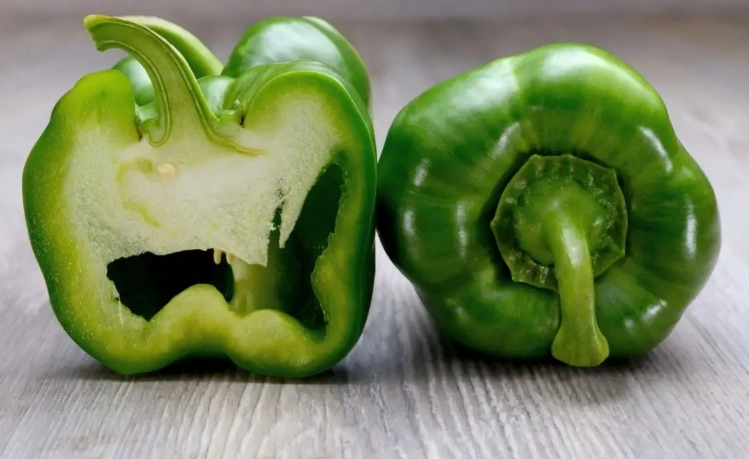
1. Wash It: Rinse the pepper under cool water and scrub the skin gently. This removes potential pesticide residue or dirt. Organic is great, but washing is mandatory either way.
2. Cut & Core It: Slice the pepper in half lengthwise. Lay it flat on your cutting board. Use your knife to cut out the entire stem cluster, the white, spongy core, and all the seeds. Be thorough.
3. Slice It Right: Cut the remaining green flesh into small, bite-sized cubes or thin strips. The size should be appropriate for your dog's mouth—aim for pieces smaller than the space between their molars to encourage chewing and prevent gulping.
4. Serve Raw or Steamed:
- Raw: Offers the most nutrients. Great for most dogs.
- Lightly Steamed: Softens the pepper, making it easier to digest. This is my go-to recommendation for senior dogs, puppies, or dogs with dental issues or sensitive stomachs. Steaming for 2-3 minutes is enough. Do not boil, as this leaches out water-soluble vitamins like Vitamin C.
5. The Golden Rule: No Seasonings. Never add salt, pepper, oil, garlic, onion, or any other spices or dressings. These can be harmful. Plain is perfect.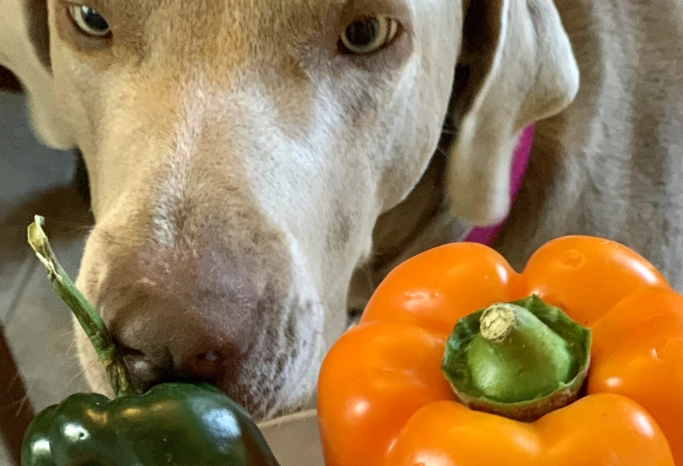
You can mix these small pieces into their regular kibble for a crunch, use them as training rewards, or offer a few as a standalone snack. I often stuff a couple of pieces into a puzzle toy to make my dog work for it.
Your Questions, Answered
Over the years, certain questions come up again and again. Here are the ones that go beyond the basic "yes or no."
So, next time you're prepping veggies and feel those eyes on you, you can confidently reach for a green pepper. Wash it, core it, seed it, chop it small, and offer a piece as a crunchy, vitamin-packed reward. It's a simple way to add variety and nutrition to their diet. Just remember the mantra: prepare properly, portion wisely, and keep it plain. Your dog's tail wags (and their digestive system) will thank you.
Related Articles