Cushing's Disease in Dogs: Symptoms, Diagnosis, and Treatment
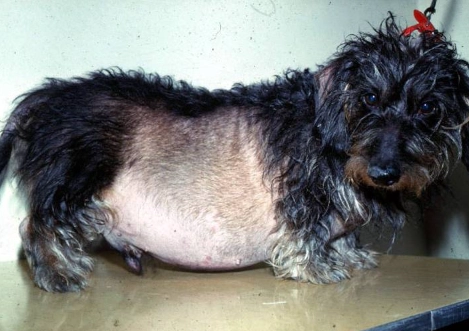
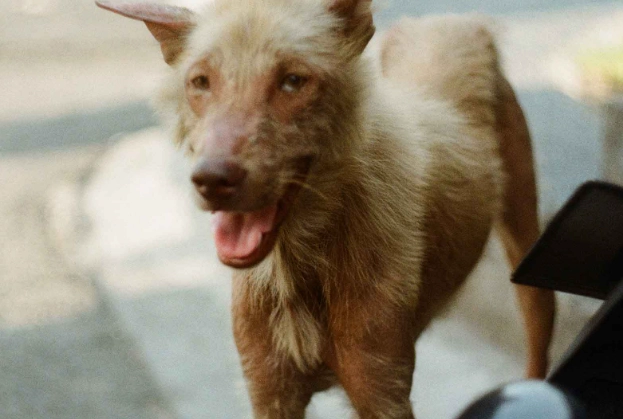
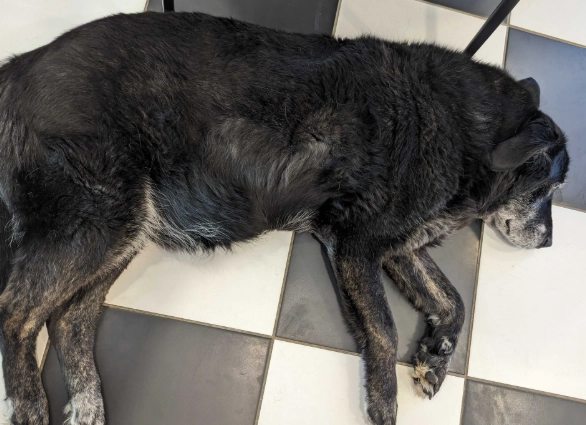
You notice your older dog is suddenly a water fountain on four legs. The water bowl empties constantly, leading to more frequent—and sometimes accidental—trips outside. Their once-shiny coat is now thin, patchy, and maybe even turning black in strange places. They have a pot-bellied look, yet their appetite is ravenous. If this sounds familiar, you're not just dealing with "old age." You might be facing a complex endocrine disorder called Cushing's disease, or hyperadrenocorticism. It's confusing, it's scary, and the vet's explanations can feel like a whirlwind of medical jargon. Let's break it down, not as a textbook, but as a guide from someone who's seen the confusion and frustration it causes owners. At its core, Cushing's disease is a hormonal imbalance. Your dog's body is producing too much cortisol, a natural steroid often called the "stress hormone." In normal amounts, cortisol is essential—it helps manage stress, regulate metabolism, and control inflammation. But in excess, it acts like a slow poison, affecting nearly every system in the body. The real question is: why is there too much cortisol? There are three main culprits, and knowing which one you're dealing with changes everything. Pituitary-Dependent Hyperadrenocorticism (PDH): This is the big one, accounting for about 85-90% of spontaneous cases. A tiny, usually benign tumor forms in the pituitary gland at the base of the brain. This tumor acts like a broken thermostat, constantly signaling the adrenal glands (which sit near the kidneys) to pump out cortisol. The adrenals just follow orders, growing larger in the process. Adrenal Tumor: Less common (about 15% of cases), this involves a tumor directly on one of the adrenal glands itself. This tumor produces cortisol independently, ignoring signals from the brain. About half of these tumors are malignant (cancerous). Iatrogenic Cushing's: This one is caused by us. It happens when a dog receives high doses or long-term courses of steroid medications (like prednisone) for other conditions like allergies or arthritis. The good news? This form is often reversible by carefully weaning off the medication, under strict veterinary supervision. Never stop steroids suddenly. The signs creep in slowly, over months or even years. It's so gradual that owners often write it off as normal aging. But looking back, the pattern becomes clear. Here’s what to watch for, beyond the classic excessive thirst and urination (polydipsia and polyuria). I once worked with a Dachshund named Oscar whose only noticeable sign for a year was a recurring bladder infection. His drinking was only slightly increased. It wasn't until he started losing hair that his owner connected the dots. Cushing's suppresses the immune system, making dogs prone to UTIs and skin infections. A dog with recurrent infections should always have Cushing's considered. You can't diagnose Cushing's at home. Your vet needs to connect the clinical dots with specific tests. No single test is perfect, so it's often a process of building a case. It usually starts with basic bloodwork and a urinalysis, looking for classic clues like a high Alkaline Phosphatase (ALP) liver enzyme, high cholesterol, and diluted urine. If suspicion is high, they'll move to screening tests. The table below breaks down the two main ones. Imaging is the final piece. An abdominal ultrasound is invaluable. A skilled ultrasonographer can measure the size of both adrenal glands (enlarged and similar in PDH; one large and one small in adrenal tumor) and check the liver. It can also rule out other diseases. In some complex cases, advanced imaging like an MRI of the brain might be recommended to visualize a pituitary tumor. Treatment depends entirely on the type. Iatrogenic cases require a careful steroid taper. For adrenal tumors, surgery to remove the affected gland is often the best option if the dog is a good candidate and there's no evidence of spread. For PDH—the most common form—lifelong medication is the standard. The goal isn't to cure the pituitary tumor (though some newer drugs aim at it), but to chemically manage its effects on the adrenal glands. Trilostane (Vetoryl): This is currently the most prescribed first-line drug. It works by inhibiting an enzyme in the adrenal glands needed to produce cortisol. It's given once or twice daily with food. The biggest thing owners need to know? Monitoring is non-negotiable. You'll need periodic ACTH stimulation tests to ensure the dose is correct—not too high (risking a dangerous cortisol crash) and not too low (failing to control symptoms). Mitotane (Lysodren): An older, very effective drug. It works by selectively destroying cortisol-producing cells in the adrenal cortex. It has a more complex protocol with an initial "loading phase" followed by lifelong maintenance. It requires a highly attentive owner but can be more cost-effective long-term for some. Daily life with a treated Cushing's dog means vigilance. You become a detective for side effects: vomiting, diarrhea, lethargy, or loss of appetite can signal the dose is too high. You'll manage their diet—often a high-quality, moderate-protein diet to support the liver and muscles without excess calories. Regular, gentle exercise is crucial to combat muscle wasting. And you'll need patience. It can take weeks or months to see full improvement in hair regrowth and energy levels. Navigating Cushing's disease is a marathon, not a sprint. It requires a strong partnership with a veterinarian you trust, often an internal medicine specialist for complex cases. The information from professional bodies like the American College of Veterinary Internal Medicine (ACVIM) can be a reliable resource. By understanding the "why" behind the symptoms and the treatment, you can move from a place of fear to one of empowered management, giving your dog the best possible quality of life in their senior years.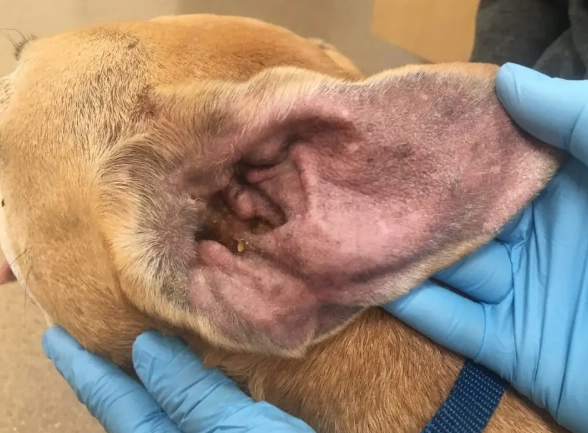
What's Inside This Guide
What Exactly is Cushing's Disease in Dogs?
The Three Types: Pituitary, Adrenal, and Iatrogenic
Spotting the Symptoms: More Than Just Thirst
Getting a Diagnosis: The Vet's Toolkit
Test Name
How It Works
The Good
The Tricky Part
Low-Dose Dexamethasone Suppression Test (LDDST)
A blood sample is taken, a small dose of dexamethasone (a steroid) is injected, and blood is taken again at 4 and 8 hours. In a normal dog, this suppresses cortisol.
Can help differentiate between pituitary and adrenal tumors in some cases. Widely available.
Requires an 8-hour hospital stay. Stress from the visit can sometimes affect results.
ACTH Stimulation Test
Blood is taken, a hormone (ACTH) is injected to stimulate the adrenals, and blood is taken again an hour later to see how much cortisol is produced.
Shorter (about 1.5 hours). The only test to diagnose iatrogenic Cushing's. Also used to monitor treatment.
Generally cannot distinguish between tumor types. The ACTH hormone can be expensive and occasionally in short supply.
Navigating Treatment Options and Daily Care
Your Questions Answered: Beyond the Basics