Can Dogs Eat Plums? A Vet's Safety Guide for Pet Owners
You're holding a juicy plum, and those puppy-dog eyes are locked on you. The question pops into your head: can dogs eat plums? The short, messy answer is: maybe a tiny bit of the flesh, but it's a minefield. The real story isn't about the sweet part you eat. It's about the hidden danger in the center—the pit—and a few other things most articles gloss over. Let's cut through the generic advice. I've seen the aftermath of a dog who got into a fruit bowl, and it's not pretty. Here’s what you actually need to know.
What You'll Find in This Guide
What Makes Plums Dangerous for Dogs?
Forget the sugar for a second (we'll get to that). The primary threats come from two places: chemistry and physics.
The Core Issue: The pit, stem, and leaves of plums contain cyanogenic glycosides. When chewed or digested, these compounds can release cyanide. Yes, that cyanide.
Now, before you panic, a dog would need to chew and consume several pits to reach a lethal dose. But why risk any dose? The more immediate, common danger is the pit itself as a physical object.
The Double Threat of the Plum Pit
This is where many owners get tripped up. They think, "My dog is big, the pit is small, it'll pass." Maybe. But here's what can go wrong:
- Choking or Obstruction: The pit is the perfect size to get lodged in the throat, stomach, or intestines. This is a surgical emergency. I recall a Labrador who needed a $4,000 surgery because a single peach pit (similar to a plum pit) caused a complete intestinal blockage.
- Tooth Damage: That hard pit can easily crack a tooth. A cracked tooth is painful and leads to root infections.
- Cyanide Release: If the pit is chewed, it breaks open the seed inside, releasing the cyanide precursors. A swallowed whole pit is less likely to release cyanide but poses the obstruction risk.
The Overlooked Problem: Sugar and Gut Trouble
Even if you meticulously remove the pit, the plum flesh is high in natural sugars. For dogs, especially smaller ones or those with sensitive stomachs, this can lead to:
- An upset stomach (vomiting, diarrhea)
- Gas. So much gas.
- In rare cases, a sugar spike that can contribute to pancreatitis, a serious inflammation of the pancreas.
So, the flesh isn't "toxic" in the classic sense, but it's not a harmless treat either.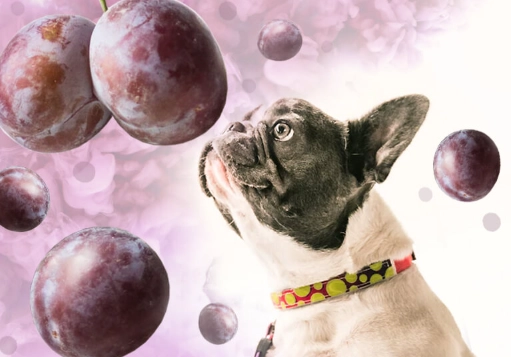
How to (Maybe) Feed Plum Safely
If you're determined to let your dog try a taste, you must follow a strict protocol. This isn't a casual snack.
The Golden Rule: The plum flesh is a very occasional treat, not a dietary staple. It should never exceed 10% of your dog's daily calorie intake. For most dogs, a couple of small cubes are plenty.
The Step-by-Step Safety Prep
- Wash It: Rinse the plum thoroughly to remove pesticides or dirt.
- Pit Removal is Non-Negotiable: Cut the plum and completely remove the pit. Double-check that no fragments remain.
- Remove the Stem: Don't forget this part—it also contains trace toxins.
- Cut into Tiny Pieces: Chop the flesh into small, manageable cubes to prevent choking and aid digestion.
- Start Microscopic: For the first time, offer one tiny piece. Wait 24 hours to see if there's any gastrointestinal reaction.
Think of it like this: you're not giving your dog a plum. You're giving them a heavily processed, deconstructed version of a tiny part of a plum. Is it worth the effort? Often, no. Safer fruit alternatives exist.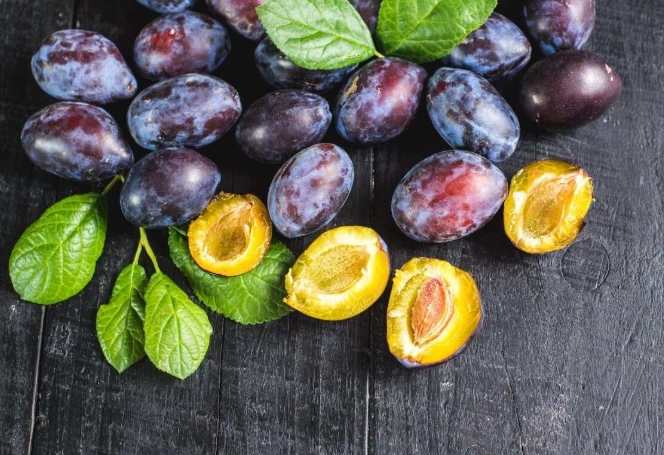
Spotting Plum Poisoning: Symptoms & Immediate Action
Time is critical. If you suspect your dog has eaten plum pits or is showing signs of distress, here's what to look for and do.
Symptoms of Cyanide Poisoning or Obstruction
These can appear within 15 minutes to a few hours. Don't wait for all of them.
| Symptom |
What to Look For |
Likely Cause |
| Bright Red Gums & Mucous Membranes |
Gums, inside of lips appear unusually red or pink. |
Cyanide interferes with oxygen use. |
| Dilated Pupils |
Eyes look unusually wide, even in light. |
Neurological sign of toxicity. |
| Difficulty Breathing |
Panting excessively without exertion, wheezing, gasping. |
Cyanide effect or possible choking. |
| Shock/Collapse |
Staggering, weakness, falling down, loss of consciousness. |
Severe poisoning or obstruction. |
| Vomiting, Diarrhea, Abdominal Pain |
Whining, hunched posture, tender belly. |
Obstruction, GI upset from flesh, or poisoning. |
What to Do Immediately: The Action Plan
1. Don't Panic, But Act Fast. Your calmness helps your dog.
2. Identify the Culprit. How many pits? Were they chewed? Is the dog choking right now?
3. Call for Professional Help. This is not a "wait and see" situation.
- Call your regular veterinarian.
- If after hours, call the nearest emergency vet clinic.
- You can also contact the ASPCA Animal Poison Control Center (888-426-4435) or the Pet Poison Helpline (855-764-7661). These are fee-based services but provide expert, immediate guidance. Having their number saved is a smart move for any pet owner.
4. Follow Instructions. Do not induce vomiting unless explicitly told to do so by the professional. Forcing vomiting on a choking or seizuring dog can be disastrous. 5. Prepare to Go to the Vet. Bring a sample of the plum/pit if possible, or a photo.
Better Fruit Choices: What's Actually Safe?
If you want to give your dog a fruity treat, choose options with lower sugar, no pits, or easily removable seeds. Always introduce any new food slowly.
| Generally Safe (in moderation) |
Preparation Needed |
Definitely Avoid |
Reason |
| Blueberries, Raspberries |
Wash, serve whole or mashed. |
Grapes & Raisins |
Cause acute kidney failure in dogs. |
| Apple Slices |
Core removed, seeds removed (seeds contain cyanide too), slice. |
Cherries |
Pit contains cyanide, high choking risk. |
| Watermelon/Cantaloupe |
Remove all seeds and rind, cube flesh. |
Avocado |
Contains persin, can cause vomiting/diarrhea. |
| Banana Slices |
Small pieces, occasional treat (high sugar). |
Citrus Fruits (large amounts) |
Can cause stomach upset; stems/leaves/seeds problematic. |
| Pumpkin (canned, plain) |
Not a fruit, but a great fiber source. 1 tsp per 10 lbs of body weight. |
Fruit with Large Pits (Peach, Plum, Apricot, Mango) |
Cyanide in pits, high obstruction risk. |
According to resources like the Merck Veterinary Manual, when in doubt about a food's safety, the safest course is to avoid it. Dogs don't need fruit in their diet.
Your Top Questions, Answered
My dog just ate a plum with the pit. What should I do right now?
First, stay calm and try to determine how many pits were eaten and if they were chewed or swallowed whole. Contact your veterinarian or the ASPCA Animal Poison Control Center (888-426-4435) immediately. Do not induce vomiting unless specifically instructed by a professional, as this can sometimes cause more harm. Monitor your dog closely for signs of distress like choking, vomiting, diarrhea, or lethargy, and be prepared to describe these symptoms to the vet.
Are dried plums (prunes) safer for dogs than fresh ones?
No, they are generally worse. Dried plums have a much higher concentration of sugar, which can lead to pancreatitis or upset stomach. They also often contain added preservatives like sulfites, which are harmful to dogs. The dehydration process does not remove the trace amounts of cyanide in the fruit flesh. The pits remain just as dangerous. It's best to avoid giving any form of dried plum to your dog.
Is it safe if my dog only licked a little plum juice or ate a tiny piece of flesh?
A tiny, accidental taste of the flesh is unlikely to cause cyanide poisoning, as the toxic compound is primarily in the pit, stem, and leaves. However, even a small amount of the sugary fruit can cause gastrointestinal upset in some dogs, especially smaller breeds or those with sensitive stomachs. Watch for mild symptoms like gas or loose stools. The real risk with 'just a taste' is if it encourages them to seek out and eat a whole plum with the pit later.
So, can dogs eat plums? The technical possibility exists, but the risks—both immediate and hidden—far outweigh the minimal nutritional benefit. That juicy flesh isn't a necessary part of their diet. There are simpler, safer ways to treat your pup. When you see those pleading eyes, reach for a blueberry or a piece of apple instead. Your dog gets a treat, and you get peace of mind. That's a win-win.