Yeast Infection in Dogs: Causes, Treatment & Prevention Tips
That smell. You know the one—a musty, almost sweet, faintly cheesy odor coming from your dog's ears or paws. Or maybe it's the constant licking, scratching, and head shaking that's driving you both crazy. If you're nodding along, there's a good chance you're dealing with a yeast infection in your dog. It's not an emergency, but it's miserable for your pup and frustrating for you. Let's cut through the confusion. Yeast (usually a fungus called Malassezia pachydermatis) lives on all dogs' skin. Trouble starts when it grows out of control. This guide isn't just a list of symptoms; it's a deep dive into the why it happens and the how to fix it for good, based on what I've seen work (and fail) over years of dealing with my own allergy-prone dog.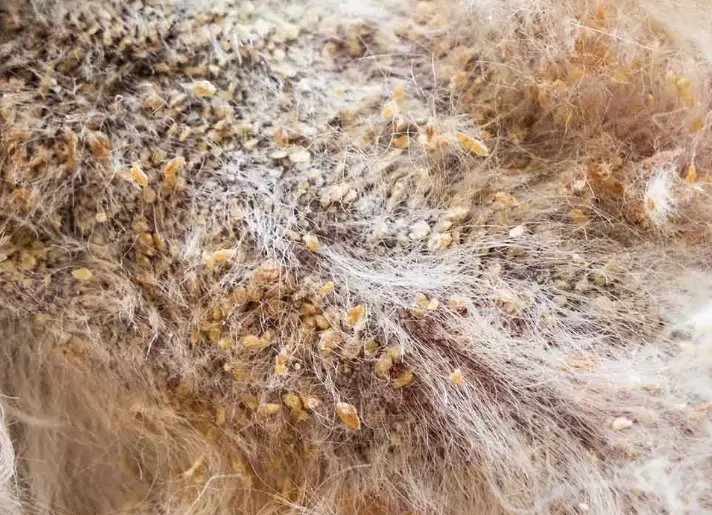
Quick Navigation: What You'll Learn
How to Spot a Yeast Infection in Your Dog
Yeast loves warm, moist, dark places. That's why you'll usually find it in the ears, between the toes, in skin folds (like on Bulldogs or Shar-Peis), and the armpits or groin. The signs are pretty distinct once you know them.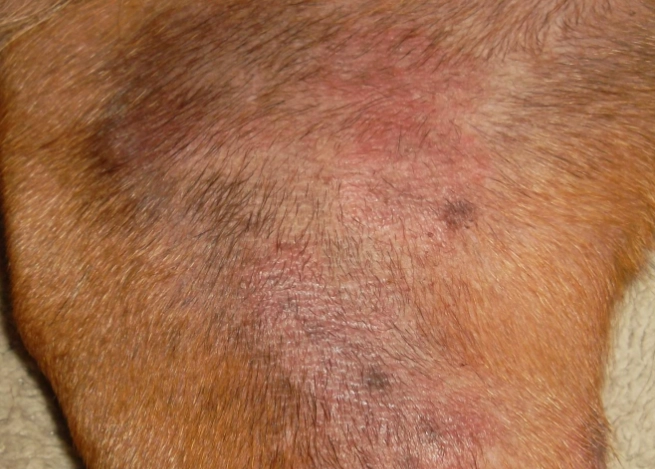
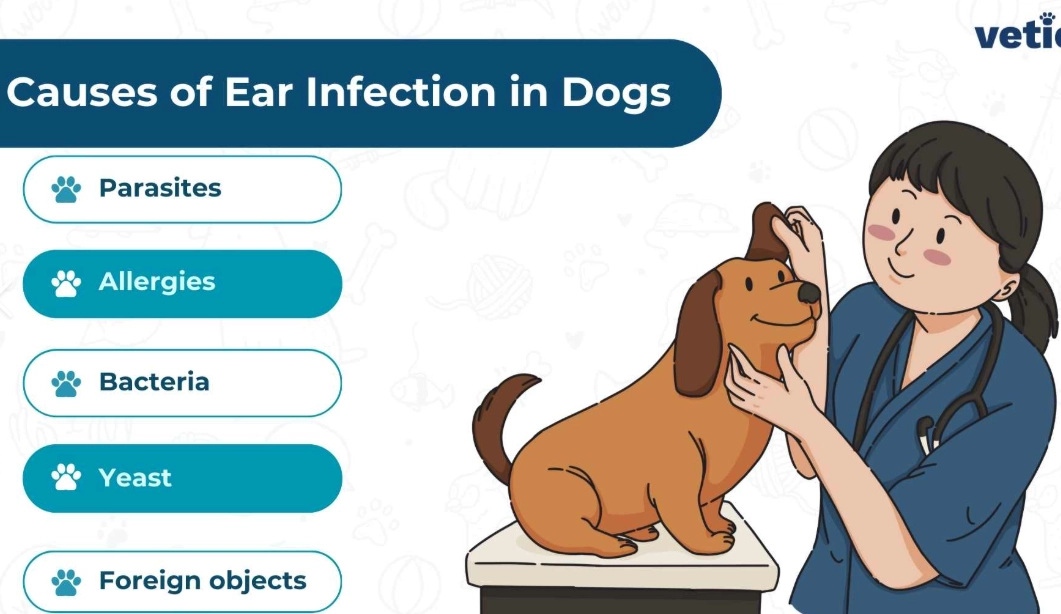
For the ears: This is the classic presentation. The ears will often have a dark brown, waxy discharge that smells yeasty. Your dog will shake his head constantly or scratch at his ears. The ear flap and canal might look red and inflamed. Sometimes, the infection is so deep you can't see much, but the smell and discomfort are dead giveaways.
For the skin and paws: Look for pink or rusty-red skin, especially between the toes or in the groin. The skin might feel greasy or have a rough, elephant-like texture. Constant licking of the paws is a huge red flag—dogs try to soothe the itch themselves. You might also see hair loss in the affected areas.
A quick test: If you gently rub the skin between your dog's toes and get a strong corn chip or Frito smell, that's often a sign of yeast activity. It's not diagnostic on its own, but it's a useful clue.
Here’s a breakdown of symptoms by body part:
| Location | Common Symptoms | What to Look/Smell For |
|---|---|---|
| Ears | Head shaking, scratching, redness | Dark brown wax, musty/sweet odor |
| Paws & Between Toes | Licking, chewing, red skin | Pink stains on fur, corn chip smell, moisture |
| Skin Folds | Redness, irritation, odor | Moisture buildup, greasy feel, raw skin |
| General Skin | Itching, hair loss, scaly patches | Rust-colored staining, thickened skin |
What's Really Causing the Yeast Overgrowth?
Yeast doesn't just randomly decide to throw a party on your dog's skin. It's an opportunist, taking over when the environment is right and the body's defenses are down. Everyone knows about allergies, but there are subtler triggers.
The Big One: Allergies (Environmental & Food)
This is the most common driver. Allergies cause inflammation and disrupt the skin's healthy barrier. Think of healthy skin like a tight wall. Allergies poke holes in that wall, letting moisture in and creating the perfect damp home for yeast. Whether it's pollen, dust mites, or a food ingredient like chicken or beef, the inflamed, itchy skin is yeast's welcome mat.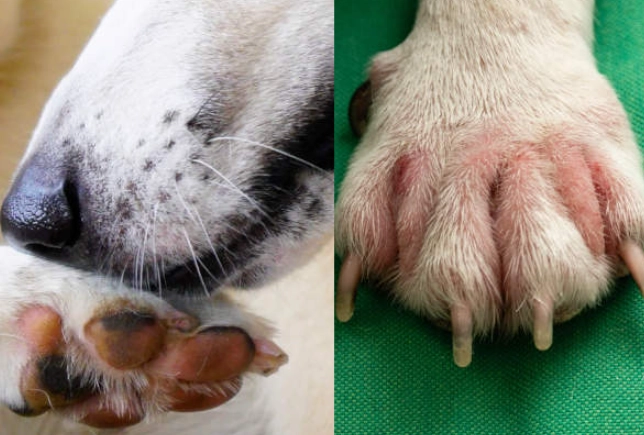
The Overlooked Culprits
Here’s where I see owners, and sometimes vets, miss the mark.
- Antibiotic Overuse: This is a huge one. Antibiotics wipe out bacteria—both bad and good. The good bacteria on your dog's skin normally keep yeast in check. Kill them off, and yeast has no competition. If your dog was recently on antibiotics for something else, yeast can flare up as a secondary issue.
- Excessive Moisture: Do you bathe your dog weekly? Do they love swimming but you don't dry their ears and paws thoroughly? Lingering moisture is an open invitation. I made this mistake with my Labrador after every lake trip—skipping the thorough toe-dry led to weeks of licking.
- Diet and Gut Health: Yeast can thrive internally too. A diet very high in carbohydrates or sugars (found in many low-quality kibbles) can feed yeast in the gut, which can manifest as skin issues. It's a connection many don't make.
- Underlying Health Conditions: Hormonal issues like hypothyroidism or Cushing's disease can alter the skin's environment and immune function, making yeast overgrowth more likely.
Vet-Recommended Treatment Options Explained
You need a vet for a proper diagnosis. They'll often take a swab, look at it under a microscope, and see the tell-tale yeast organisms. Treatment isn't one-size-fits-all; it's a targeted assault.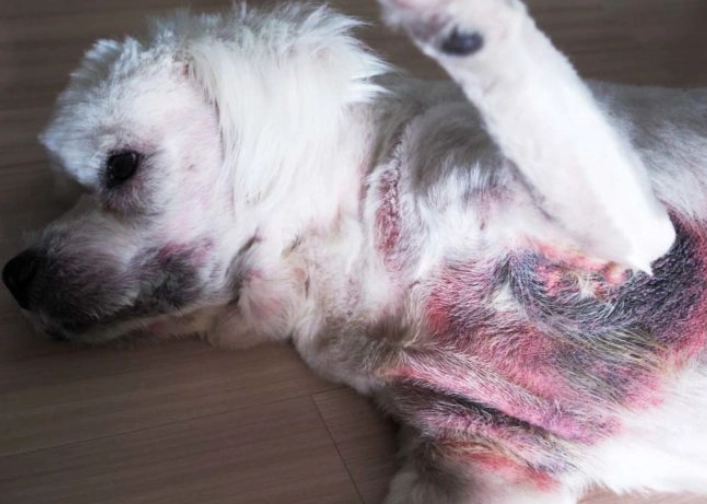
For ears: Your vet will prescribe medicated ear drops. These usually contain an antifungal (like clotrimazole or miconazole), an anti-inflammatory (like a steroid), and sometimes an antibiotic if there's a bacterial infection too. The crucial part everyone messes up: you must clean the ear thoroughly before applying the drops. Putting medicine on top of wax and debris is like putting a bandage on a dirty wound—it won't reach the infection. Use a vet-recommended ear cleaner, fill the canal, massage the base of the ear for 30 seconds, and let your dog shake it out. Then apply the drops.
For skin and paws: Topical therapy is key.
- Medicated Shampoos: Look for shampoos containing chlorhexidine, ketoconazole, or miconazole. You need to let the lather sit on the skin for a full 10 minutes (set a timer!) before rinsing. Twice-a-week baths are typical during treatment.
- Wipes and Sprays: These are great for maintenance between baths, especially for paws and skin folds. Antifungal wipes with chlorhexidine are convenient.
- Oral Medications: For severe, widespread infections, your vet may prescribe an oral antifungal like fluconazole or itraconazole. These are powerful and require monitoring, as they can have side effects on the liver.
Never use human yeast infection creams (like Monistat) on your dog without explicit vet instruction. The dosage and ingredients can be inappropriate, and your dog will likely lick it off, which can be harmful.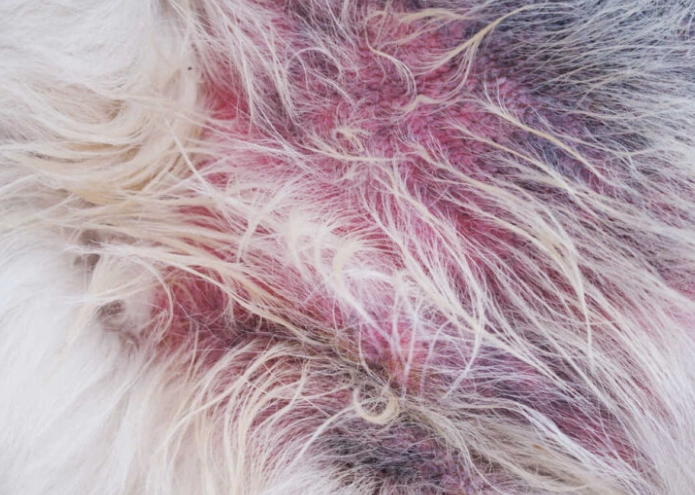
Home Care & Common Mistakes to Avoid
Treatment doesn't end at the vet's office. Home management is where success or failure is decided.
The Drying Routine: After baths, swimming, or walks in the dew, dry your dog completely. Pay obsessive attention to ears, between toes, and skin folds. A absorbent towel isn't enough for thick coats—consider a blow dryer on a cool, low setting.
The Diet Consideration: While not a magic bullet, shifting to a higher-quality diet with fewer processed carbohydrates can help some dogs. Adding a probiotic designed for dogs may also support a healthier skin microbiome. It's not an instant cure, but part of the long-term puzzle.
The Biggest Mistake I See: Stopping treatment too early. When the itching stops and the smell fades, it's tempting to quit. But yeast is tenacious. You must complete the entire course of medication, even if it's 2-3 weeks of ear drops or shampoos. Stopping early is a guaranteed recipe for a rebound infection that's harder to treat.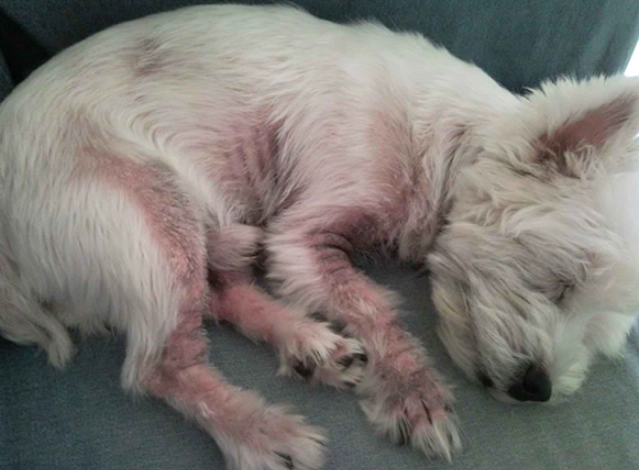
A Long-Term Prevention Strategy That Works
If your dog is prone to yeast, think of management as a lifestyle, not a one-time fix.
- Routine Ear Checks & Cleaning: For prone breeds, a weekly ear check and gentle clean with a dog-specific ear cleaner can prevent buildup. Don't over-clean, as this can irritate.
- Paw Maintenance: Keep the hair between toes trimmed. After walks, wipe paws with a damp cloth or antifungal wipe to remove pollen and moisture.
- Bathing Schedule: Find a balance. For some dogs, a monthly bath with a mild, soothing shampoo (like oatmeal-based) works. For others, a medicated shampoo every 2-3 weeks is needed. Your vet can help you tailor this.
- Address the Root Cause: If allergies are the trigger, work with your vet on a long-term allergy management plan. This could involve allergy testing, immunotherapy (allergy shots), or daily medications like Apoquel or Cytopoint. Controlling the allergy is the best way to prevent the yeast.
Your Top Yeast Infection Questions Answered
Related Articles