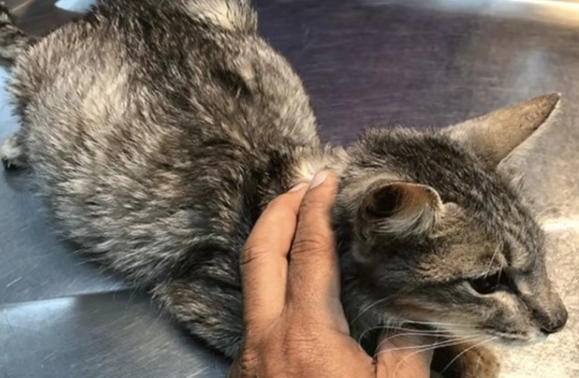
Cat Worms: A Complete Guide to Symptoms, Treatment & Prevention
Let's be honest, the thought of worms living inside your cat is pretty gross. But here's the reality check: intestinal parasites in cats are incredibly common. If you own a cat, you'll likely deal with this at some point. The good news? It's usually manageable once you know what you're looking at. This guide cuts through the confusion and gives you the straight facts, from spotting those sneaky tapeworm segments to understanding why the dewormer from the vet costs more than the one at the pet store.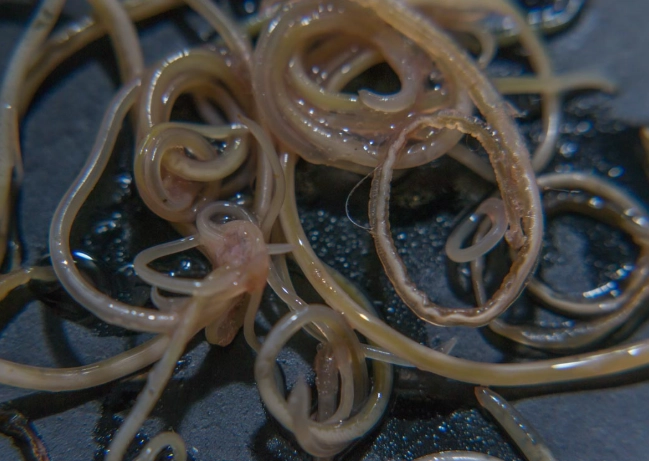
What's Inside This Guide
What Kind of Worms Can Cats Get?
Not all worms are the same. They look different, act different, and need different treatments. Getting this wrong means wasting time and money.
| Worm Type | How Cats Get It | What to Look For (The Telltale Signs) |
|---|---|---|
| Tapeworms | Ingesting a flea carrying tapeworm larvae. This is the #1 route. | Rice-like segments near the cat's rear or in bedding. You won't see the whole worm. |
| Roundworms | From mother's milk, infected soil, or eating infected rodents. | Spaghetti-like worms in vomit or stool. Kittens often get pot-bellied. |
| Hookworms | Skin contact with larvae or eating an infected host. | Dark, tarry stool, anemia, weakness. Harder to see with the naked eye. |
| Heartworms | Mosquito bite. Yes, cats get them too. | Sudden coughing, difficulty breathing, lethargy. Often fatal, prevention is critical. |
One mistake I see all the time? Owners think their indoor cat is safe. I had a client whose cat never set a paw outside but had a bad tapeworm infestation. How? Fleas hitched a ride on the owner's pants. Indoor-only isn't a forcefield.
How to Tell If Your Cat Has Worms
Symptoms can be obvious or frustratingly vague. Sometimes the only sign is a dull coat.
- The "Classic" Signs: Visible worms or segments in stool, vomit, or around the anus. Diarrhea or vomiting. A swollen, pot-bellied abdomen (especially in kittens).
- The Sneaky Signs: Weight loss despite a good appetite. Lethargy, less playfulness. A dull, rough coat. Scooting their rear on the carpet (though this is often anal glands, not worms).
- The "Go to the Vet Now" Signs: Pale gums (indicating anemia from hookworms). Blood in stool. Severe vomiting or diarrhea leading to dehydration.
The Tapeworm Segment Confusion
This is a big one. Tapeworm segments dry out and look like sesame seeds or tiny grains of rice. They're often mobile when fresh. People mistake them for fly eggs or just "dirt." If you see these little white specks where your cat sleeps, it's almost certainly tapeworms, and it means you also have a flea problem to address.
Getting a Diagnosis: It's Not Always Obvious
You can't always diagnose cat worms by sight. Roundworm eggs are microscopic. A single negative stool sample doesn't rule them out either—worms shed eggs intermittently.
Your vet will do a fecal float test. They mix a small stool sample with a solution that causes parasite eggs to float to the top for identification under a microscope. For tapeworms, they might identify the segments visually. For heartworm, a blood test is needed.
Bring a fresh stool sample (less than 12 hours old, kept cool) to your appointment. It saves time. If your cat is symptomatic but the test is negative, your vet might still recommend a broad-spectrum dewormer based on clinical signs—a "diagnose by treatment" approach that's common and valid.
Treating Cat Worms: What Actually Works
Treatment isn't one-size-fits-all. The medication must match the parasite.
- Prescription vs. Over-the-Counter (OTC): Here's my non-consensus take: most OTC dewormers you find at big-box stores are outdated and ineffective against a broad range of parasites. They often contain pyrantel pamoate, which only handles roundworms and hookworms. They do nothing for tapeworms, which are one of the most common types. Prescription meds from your vet (like praziquantel for tapeworms, or combination products like Profender, Drontal, or Revolution Plus) are more effective, safer, and often easier to administer. You get what you pay for.
- Dosage is Critical: It's based on precise weight. Guessing your cat's weight can lead to under-dosing (ineffective) or overdosing (dangerous). Use a bathroom scale: weigh yourself, then weigh yourself holding your cat, and subtract.
- Follow-Up is Key: Most treatments require a second dose 2-3 weeks later. This kills any new worms that hatched from eggs after the first dose. Skipping this step is why many "re-infestations" happen.
Why You Should Never Use Dog or Human Medication
Cats are not small dogs. Their livers metabolize drugs differently. Permethrin, a common ingredient in dog flea and worm products, is highly toxic to cats and can be fatal. Ivermectin, safe in many species, requires extreme caution in cats. This isn't a scare tactic; it's physiology. Always use species-specific medication.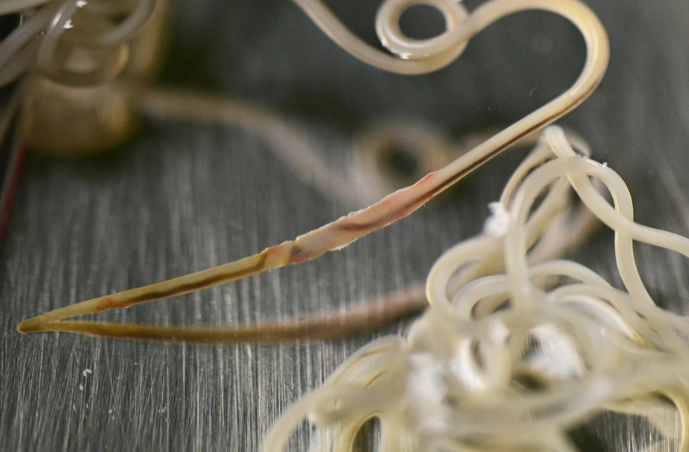
How to Prevent Worms in Cats (For Real)
Prevention is cheaper and easier than treatment. A multi-pronged approach works best.
- Routine Deworming: The American Association of Feline Practitioners recommends regular deworming for all cats, with frequency based on lifestyle. Kittens should be dewormed every 2 weeks until 8 weeks, then monthly until 6 months. Adult indoor cats might be on a quarterly or bi-annual schedule, while hunters need monthly protection. Your vet will set the right schedule.
- Rigorous Flea Control: This is the single most effective tapeworm prevention. Use a vet-recommended monthly topical or oral flea preventative year-round. I see breakouts when people stop in the winter. Fleas live indoors.
- Keep Them Indoors: Drastically reduces exposure to infected soil, rodents, and other hosts.
- Clean the Litter Box Daily: Removes eggs before they become infectious. Wear gloves.
- Don't Feed Raw Meat: Unless meticulously prepared, raw meat can contain parasite larvae. It's a risk.
Flea Control: The Unseen Cornerstone
Most cat owners don't connect fleas and worms. They think they're separate issues. But if you're battling recurring tapeworms, you're losing the war on fleas somewhere in your home. You must treat the cat and the environment (bedding, carpets, furniture). Otherwise, the cat just gets reinfected the next time it gropes and swallows a flea. It's a cycle.
Your Cat Worm Questions, Answered
My cat only eats commercial dry food and is indoor-only. How could she possibly get tapeworms?
It almost always comes down to fleas. A single flea can hop in on a pant leg, a dog, or through a screen door. When your cat grooms and ingests that flea, the tapeworm lifecycle begins. I've diagnosed it in apartments on the 10th floor. No cat is 100% immune to flea exposure unless you live in a literal bubble.
I saw a worm segment, treated my cat, but saw another one a week later. Did the treatment fail?
Probably not. The medication kills the adult worm, but it takes time for the segments already formed in the worm's body to pass. Seeing a segment or two for a few days post-treatment is normal. If you're still seeing fresh, mobile segments 10-14 days later, then you likely have a ongoing flea source (re-infection) or need a different medication. Re-treating too soon is a common panic move—wait for the vet-recommended interval.
Can I get worms from my cat?
The risk is low but not zero, especially for roundworms and hookworms. Children, the elderly, and immunocompromised people are more at risk. Practice good hygiene: wash hands after handling litter or soil, cover sandboxes, and discourage cats from using garden beds as litter boxes. Regular deworming of your cat is your best defense for the whole family.
Are the "natural" or home remedies for cat worms (like pumpkin seeds, diatomaceous earth) effective?
In my professional experience, no. There is no credible scientific evidence that these methods eliminate an established parasitic infection. They might create a less hospitable gut environment in theory, but they won't kill adult worms or larvae. Relying on them allows the infestation to worsen, potentially leading to malnutrition or intestinal blockage. It's a gamble with your cat's health.
My vet prescribed a topical "spot-on" dewormer. How can something on the skin treat worms inside the gut?
It sounds like magic, but it's pharmacology. Products like Selamectin or Moxidectin are absorbed through the skin into the bloodstream. They then circulate and are effective against certain parasites (like hookworms, roundworms, and prevent heartworms). For tapeworms, an oral praziquantel is usually still needed. These topicals are convenient and reduce the stress of pilling, which is a major plus for many cats and owners.
The bottom line with cat worms is this: don't panic, but don't ignore it. It's a common part of pet ownership. Armed with the right information—knowing the signs, understanding that diagnosis often needs a vet's help, using the right treatment, and committing to real prevention—you can handle it. Your cat will be happier, healthier, and those unsettling little white specks will become a thing of the past.
Related Articles