Dog Yeast Infection: Symptoms, Home Treatment & Prevention
That smell. You know the one—a bit sweet, musty, like old popcorn or corn chips. And the scratching, the licking, the head shaking that keeps you up at night. If your dog is driving itself (and you) crazy, there's a good chance you're dealing with a yeast overgrowth. It's incredibly common, often misunderstood, and can turn into a nightmare if you don't tackle it the right way. I've seen it countless times in my years working with dogs, and the biggest mistake owners make is treating the itch without fixing what's causing it.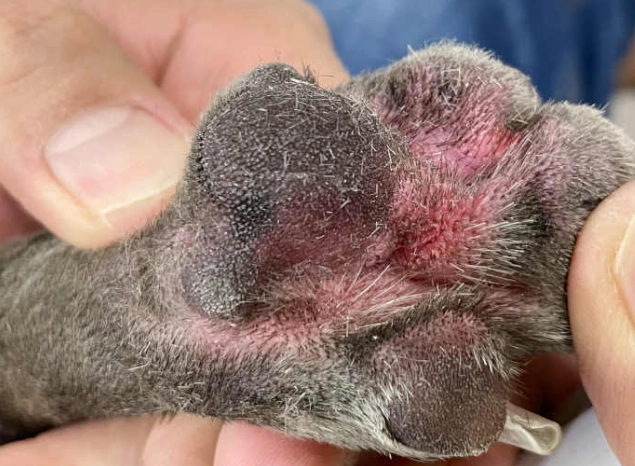
This isn't just about a dirty dog. A canine yeast infection is a sign your pet's internal balance is off. Let's cut through the noise and get straight to what actually works.
What’s Inside This Guide
How to Spot a Yeast Infection in Your Dog: It’s More Than Just Itching
Yeast (usually Malassezia pachydermatis) is a normal resident on your dog's skin. Problems start when it multiplies out of control. The signs can be subtle at first.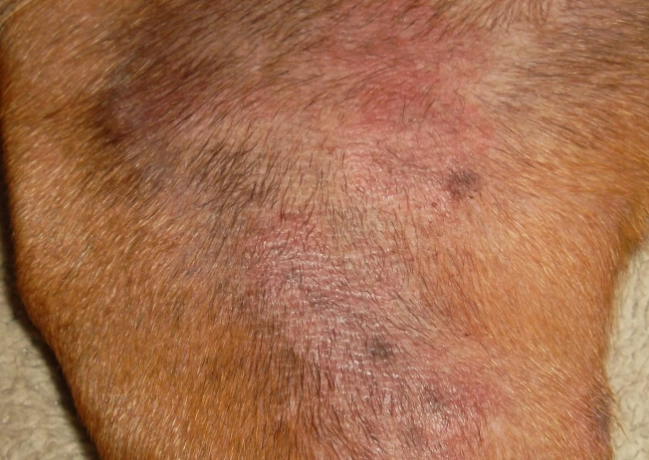
- Relentless Itching & Scratching: This is the big one. They'll scratch their ears, chew their paws, or rub their belly along the carpet.
- That Distinct Smell: A musty, sweet odor is a hallmark of yeast. People often describe it as cheesy, moldy, or like Fritos corn chips.
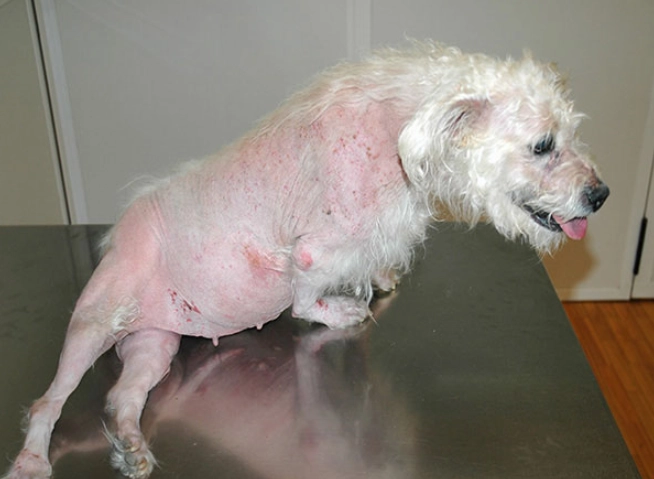
- Skin Changes: Look for red, irritated skin, especially in folds (ears, lips, neck, armpits, between toes). The skin might look greasy or develop a blackish, rust-colored stain.
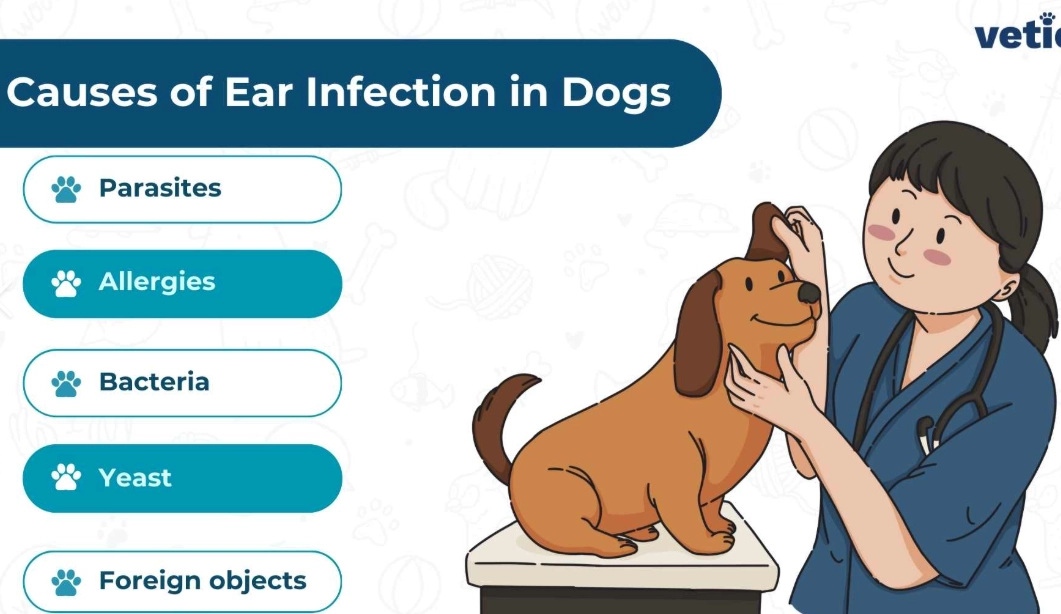
- Ear Trouble: Dark brown, waxy discharge, redness, and constant head shaking are classic for a dog ear yeast infection. The ear might feel warm.
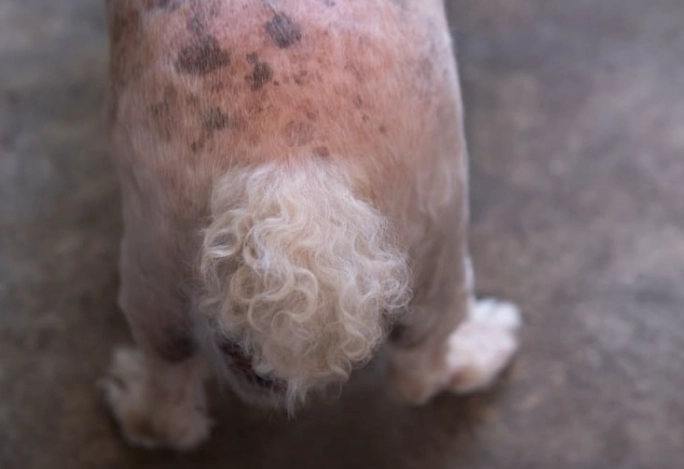
- Hair Loss & Skin Thickening: In chronic cases, the skin can become leathery, darkened (hyperpigmented), and hair may thin out.
Here's a tip most guides miss: Check between the toes and nail beds. Yeast loves dark, moist places. Lift the paw and look for red-brown gunk between the pads or around the nails. Licking paws isn't always allergies—it's often yeast.
The Real Reasons Yeast Takes Over (Hint: It's Usually an Inside Job)
You can bathe your dog every day, but if the underlying cause isn't addressed, the yeast will come roaring back. Think of yeast as a weed. You can mow it (topical treatment), but if the soil is rich and wet (your dog's internal environment), it will keep growing.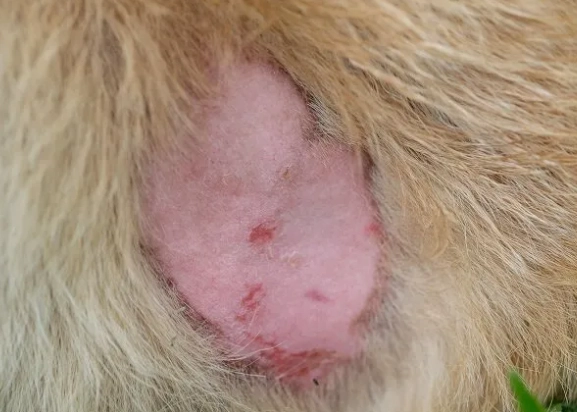
Primary Culprits
Allergies: This is the number one driver. Food allergies (beef, dairy, chicken, wheat) or environmental allergies (pollen, dust mites) cause inflammation. Inflamed skin is weak skin, and yeast sees that as an open invitation. The American Kennel Club notes that allergies are a major predisposing factor for skin infections.
Compromised Immune System: Anything that stresses the body—chronic illness, poor nutrition, age, certain medications—can lower your dog's defenses.
Moisture & Warmth: Yeast is a fungus. It thrives in damp environments. Dogs with thick coats, deep skin folds (like Bulldogs, Shar-Peis), or those who love swimming are more prone if they aren't dried thoroughly.
The Medication Trap (A Non-Consensus View)
Here's something vets don't always emphasize enough at first: Antibiotics can be a yeast infection trigger. Antibiotics wipe out bacteria—both bad and good. The good bacteria on the skin and in the gut help keep yeast in check. Kill them off, and yeast can explode. If your dog gets a bacterial skin infection (pyoderma), gets antibiotics, and then develops a yeast issue a few weeks later, this is likely why. It's a vicious cycle.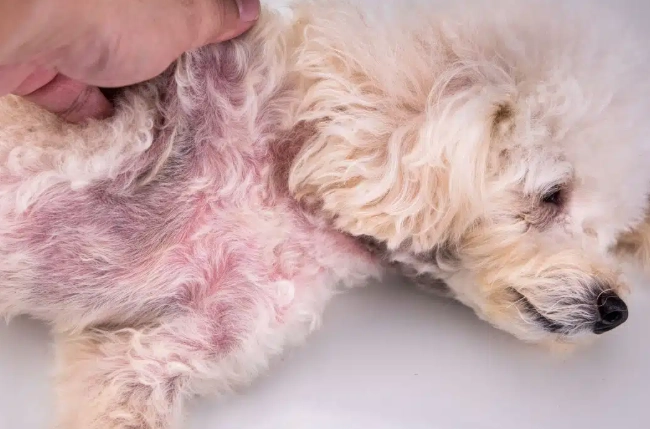
How to Treat a Dog Yeast Infection at Home
For mild, early-stage cases, you can try these steps. But listen closely: If your dog is miserable, the infection is widespread, or in the ears, start with the vet. Home care is best for maintenance and mild flares.
Topical Rinses & Wipes
These help reduce yeast on the skin surface and soothe itching.
- Apple Cider Vinegar (ACV) Rinse: Mix 1 part raw, unfiltered ACV with 2-3 parts warm water. After a regular bath, pour it over your dog (avoid eyes and open wounds!), let it sit for 5 minutes, then rinse. The acidity creates an unfriendly environment for yeast. Do not use on raw, broken skin—it will sting.
- Antifungal Shampoos: Look for shampoos containing ketoconazole, chlorhexidine, or miconazole. Lather, let it sit on the skin for a full 10 minutes (this is crucial), then rinse. Use 2-3 times a week initially.
- Paw Soaks: For yeasty paws, a daily 5-minute soak in a diluted ACV solution or an antifungal rinse like chlorhexidine can work wonders.
The Diet Connection
This is where you win the long game. Yeast thrives on sugar and simple carbohydrates.
- Cut the Carbs: Examine your dog's food. Many kibbles are high in starch (potatoes, peas, rice, wheat). Consider switching to a lower-carbohydrate, higher-protein food. Some owners see dramatic results with a limited-ingredient or novel protein diet if food allergies are suspected.
- Add Probiotics: Restore the gut's good bacteria. A quality canine probiotic supplement or plain, sugar-free kefir or yogurt can help rebuild internal defenses.
- Consider Anti-Yeast Supplements: Ingredients like caprylic acid (from coconut), olive leaf extract, or pau d'arco are sometimes used to support the body's fight against yeast overgrowth from the inside. Talk to your vet first.
When You Absolutely Need the Vet
Don't play hero. If home care isn't making a dent after a week, or if things look bad, go to the professional.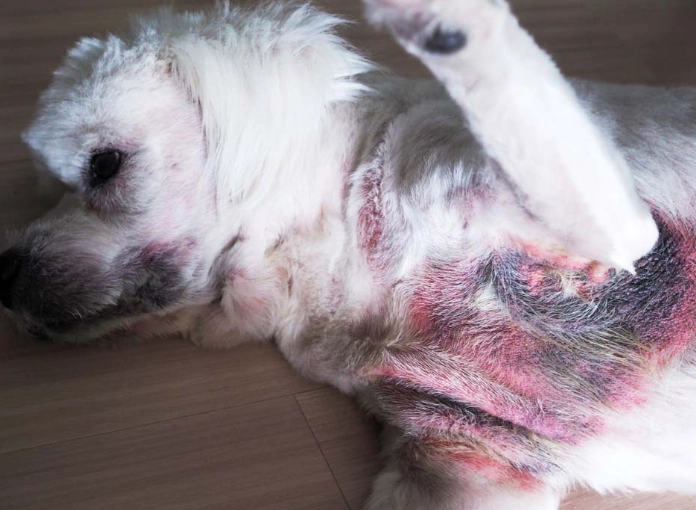
The vet will likely do a skin cytology—taking a sample from the ear or skin, staining it, and looking under a microscope. This confirms it's yeast and not bacteria or mites. It's a quick, cheap test and takes the guesswork out.
Vet Treatments Usually Involve:
- Prescription Antifungal Medications: Oral drugs like fluconazole or itraconazole for severe or widespread infections. These are systemic and very effective but require monitoring.
- Prescription Topicals: Stronger creams, lotions, or ear drops (e.g., containing clotrimazole, miconazole, often combined with a steroid for inflammation).
- Medicated Baths: They may prescribe a stronger version of an antifungal shampoo.
- Addressing the Root Cause: A good vet will want to figure out the "why." This might mean discussing allergy testing, elimination diets, or managing underlying health conditions.
The Long-Term Prevention Plan That Works
Beating a yeast infection once is a battle. Stopping it from returning is the war. Here's your strategy:
1. Stay Dry: After baths, swimming, or rain, dry your dog completely. Use a towel and even a blow dryer on a cool setting, paying special attention to paws, armpits, and skin folds.
2. Diet is King: Stick with the low-carb, high-quality protein diet that worked. Consistency matters more than anything.
3. Regular Maintenance Washes: Once the infection is clear, use a mild antifungal or chlorhexidine shampoo every 2-4 weeks as a preventative rinse.
4. Ear Care Routine: For dogs prone to ear yeast infections, a weekly ear cleaner with drying agents is non-negotiable. Don't wait for a problem to start.
5. Manage Allergies Aggressively: If allergies are the trigger, work with your vet on a long-term management plan, whether it's allergy shots (immunotherapy), special diets, or medications like Apoquel or Cytopoint to control the itch and inflammation at the source.
Your Top Yeast Infection Questions Answered
My dog keeps getting yeast infections in his ears every few months. What am I missing?
You're likely missing the maintenance phase. Treating the active infection is only step one. For chronic ear yeast infections, you need a weekly ear cleaning routine with a vet-recommended drying cleaner, even when the ears look fine. This keeps the ear canal environment hostile to yeast. Also, have your vet check for underlying allergies—they're the most common reason for this frustrating cycle.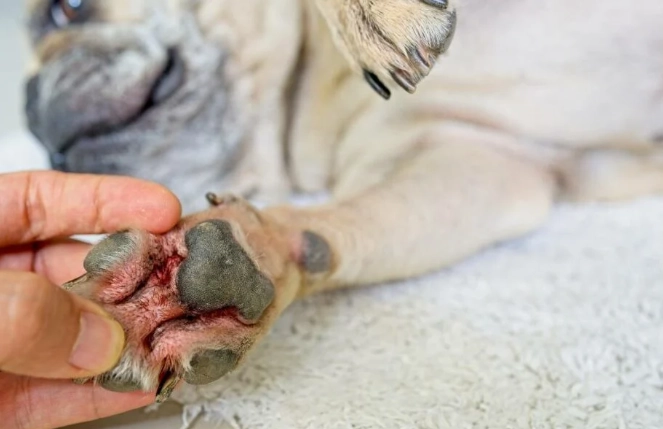
Can I use Monistat (miconazole) cream from the pharmacy on my dog's yeast rash?
You can, but with major caveats. The ingredient (miconazole) is the same as in some pet products. However, only use it on small, localized spots of skin that your dog cannot lick off. If ingested, it can cause stomach upset. Never use it in the ears unless specifically instructed by your vet, as ear canals are delicate. Human creams often have other additives not tested for dogs. A vet-prescribed cream is always safer and more tailored.
Are some dog breeds just doomed to get yeast infections?
They're not doomed, but they're definitely drafted into a higher-risk category. Breeds with predisposing features have a harder time: Skin Fold Breeds (Bulldogs, Pugs, Shar-Peis), Water-Loving Breeds (Retrievers, Spaniels), and breeds prone to allergies (Terriers, German Shepherds, Dachshunds). For these dogs, prevention isn't optional—it's part of their regular care. Knowing your dog's risk helps you stay ahead of it.
My vet prescribed an antibiotic for my dog's skin, but I think it's yeast. What should I do?
Speak up! Politely ask, "Did the cytology show bacteria, or could this be yeast?" A skin scrape or cytology is the only way to know for sure. Treating a yeast overgrowth with antibiotics will, as mentioned, often make it significantly worse. A good vet will welcome the question and should be able to show you what they saw under the microscope. It's a partnership.
The bottom line with dog yeast infections is this: Look past the itch. Treat the skin, but investigate the cause—allergies, diet, moisture. It's a manageable condition, but it requires a shift from reactive scrubbing to proactive, holistic care. Your dog's comfort depends on it.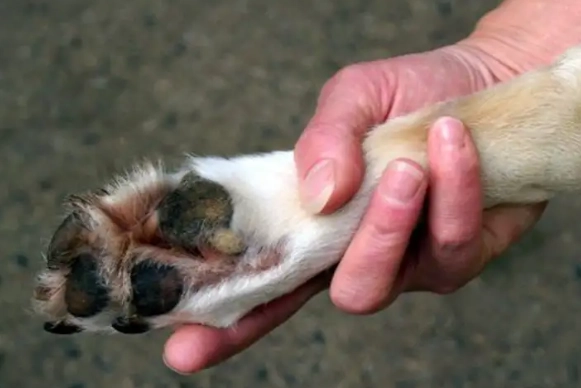
Related Articles