Can Dogs Eat Papaya? Benefits, Risks & Feeding Guide
So you're cutting up a papaya, and those big, hopeful eyes are locked on you. You pause, spoon in hand. Is it safe to share a piece? The short answer is yes, dogs can eat papaya, and it can even be a healthy treat. But there's a lot more to it than a simple yes or no. I've been working with dogs for over a decade, and I've seen well-meaning owners make subtle mistakes with fruits that can turn a healthy snack into a vet visit. Let's break down exactly how to do this right, from the juicy flesh to the dangerous parts you must avoid.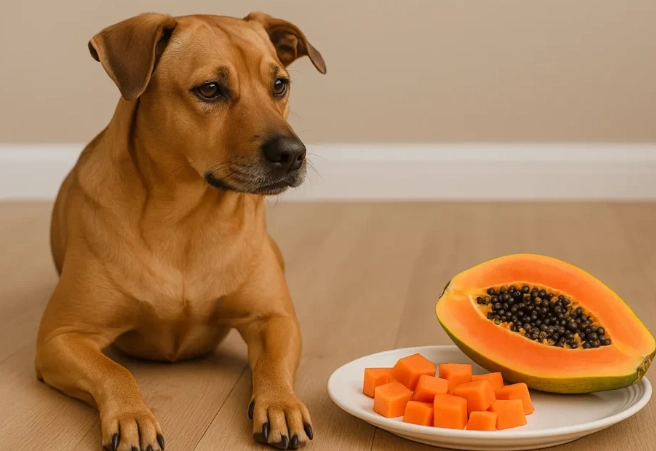
Quick Navigation
The Health Perks: Why Papaya is More Than Just a Sweet Treat
Papaya isn't just sugar water in fruit form. It packs a nutritional punch that can complement your dog's diet. Think of it as a functional treat.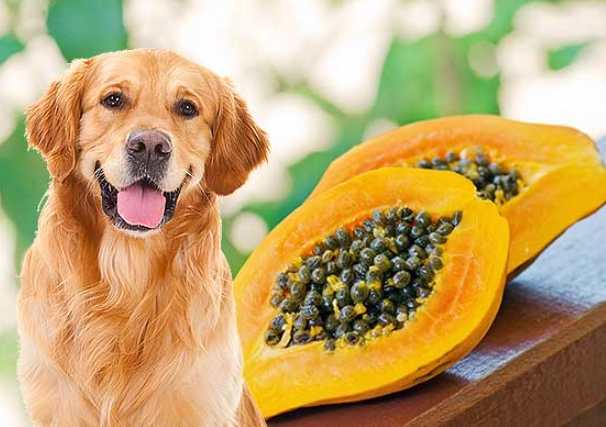
The star of the show is the enzyme papain. This is a natural digestive aid that helps break down proteins. If your dog occasionally suffers from a bit of post-meal bloat or seems to have sluggish digestion, a small amount of papaya might offer some gentle support. It's not a cure-all, but it's a nice bonus.
Then there's the fiber. A moderate amount of dietary fiber is great for maintaining regular bowel movements. For dogs prone to occasional constipation, papaya can act as a mild, natural laxative. But here's the expert tip everyone misses: too much fiber too fast is the enemy. A sudden large serving, even of something healthy, is a surefire way to give your dog diarrhea or gas. We're talking treats, not meal replacements.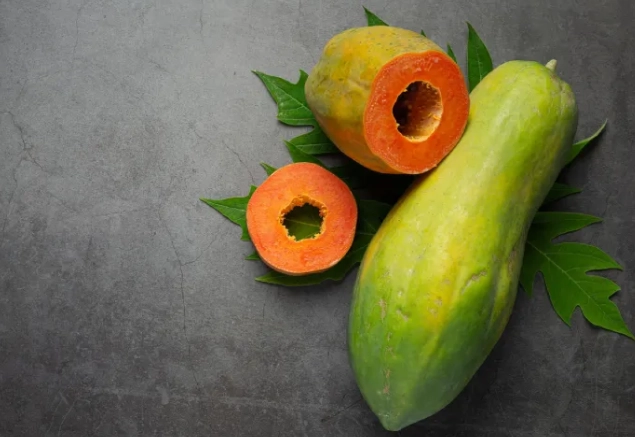
Papaya is also loaded with vitamins:
- Vitamin A: Crucial for good vision, a healthy immune system, and skin/coat health.
- Vitamin C: An antioxidant that supports the immune system and can help with inflammation. Dogs produce their own vitamin C, but dietary sources can give an extra boost, especially for older dogs or those under stress.
- Vitamin E & K: Support skin health and proper blood clotting.
- Folate, Potassium, and Magnesium: Electrolytes and minerals that support overall cellular function and nerve health.
Key Takeaway: The benefits come from papaya's enzymes, fiber, and vitamin profile. It's a nutrient-dense snack, not an empty-calorie one.
What You Must Remove: The Non-Negotiable Dangers
This is where most guides are too casual. Giving your dog papaya isn't like giving them a blueberry. There are specific, potentially hazardous parts you must prepare for.
The Seeds and the Skin: A Two-Part Problem
First, the seeds. I've heard people say "a few seeds won't hurt." I disagree based on what I've seen. Papaya seeds contain trace amounts of cyanogenic compounds. While a single seed likely won't poison a large dog, why risk it? More practically, they are a choking hazard and, more commonly, they can cause an intestinal blockage, especially in smaller breeds. They're also just hard for a dog's system to process. Scrape every single seed out.
Second, the skin (rind). This is non-negotiable. The tough, fibrous skin is completely indigestible for dogs and poses a high risk of causing a gastrointestinal obstruction. It's also where pesticides and waxes concentrate if the fruit isn't organic. Never, ever give your dog a piece with the skin on.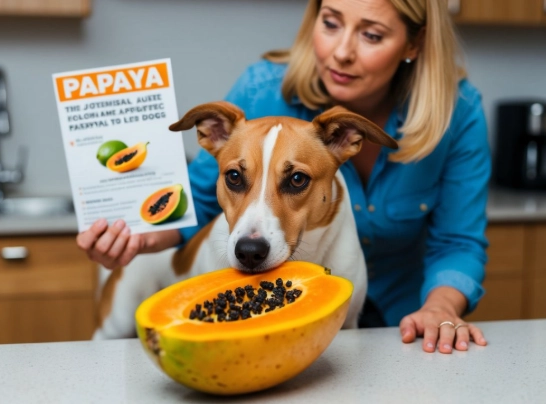
The Sugar and Fiber Double-Edged Sword
Papaya is sweet because it contains natural sugars (fructose). For a healthy dog, this is fine in moderation. For a diabetic dog or one struggling with weight, it's a significant consideration. Always factor treat calories into your dog's daily intake.
And we're back to fiber. I'll say it again because it's the most common mistake: introducing too much papaya at once. Your dog's gut microbiome needs time to adjust. Start with a teaspoon-sized amount.
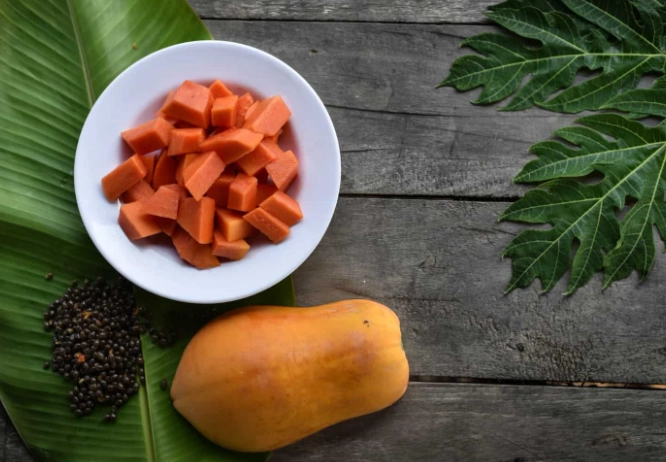
Critical Safety Checklist: Before any papaya touches your dog's bowl, ensure you have done this: 1) Washed the fruit thoroughly. 2) Peeled off ALL the skin. 3) Scooped out EVERY seed. 4) Cut the flesh into small, bite-sized pieces appropriate for your dog's size.
A Step-by-Step Guide to Feeding Papaya Safely
Let's make this actionable. Here’s exactly what to do, modeled on how I introduced it to my own dog, Luna, a medium-sized mixed breed.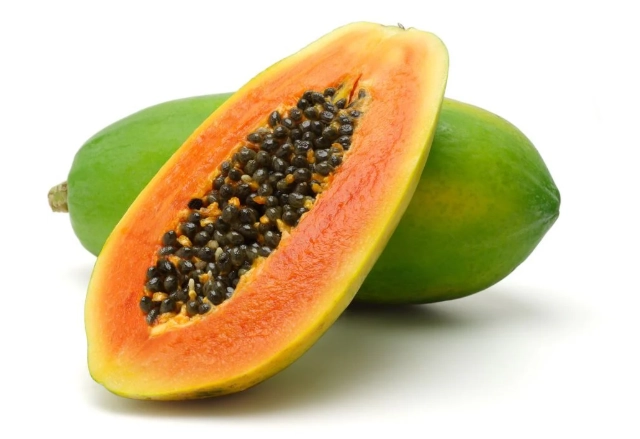
Step 1: The First Taste (The Test)
I took about a teaspoon of freshly prepared papaya (peeled, deseeded, cubed). I offered it to her separately from her meal. The goal isn't to fill her up; it's to see how her system reacts. Watch for the next 24 hours. Normal stools? No signs of gas or stomach gurgling? Good. If you see soft stool or any digestive upset, hold off and try an even smaller amount next time, or consider that papaya might not agree with your individual dog.
Step 2: Determining the Right Portion Size
This isn't one-size-fits-all. The general rule from sources like the American Kennel Club is that treats should make up no more than 10% of your dog's daily calories. For papaya, a practical guideline is:
- Small dogs (under 20 lbs): 1-2 small cubes (about 1 tablespoon) a few times a week.
- Medium dogs (20-50 lbs): 2-3 tablespoons as an occasional treat.
- Large dogs (50+ lbs): A handful (about 1/4 cup) max, not daily.
I give Luna a few cubes maybe twice a week. I use it as a high-value training reward or mash a little into her kong. It's a special thing, not a staple.
Step 3: Preparation Methods
You can get creative beyond raw cubes: • Frozen Papaya Cubes: A fantastic summer treat. Prepare as above, freeze on a tray, and give one as a cool snack. • Mashed/Pureed: Mixed into their regular food (in tiny amounts) for a flavor boost. Great for senior dogs or those with dental issues. • Dehydrated: Make your own chewy papaya treats. Ensure they are fully dehydrated with no moisture to prevent mold.
Avoid canned papaya. It's almost always packed in sugary syrup, which adds empty calories and can upset your dog's stomach.
Papaya vs. Other Common Fruits: A Safety & Benefit Comparison
How does papaya stack up against other fruits you might have in the kitchen? This table cuts through the confusion.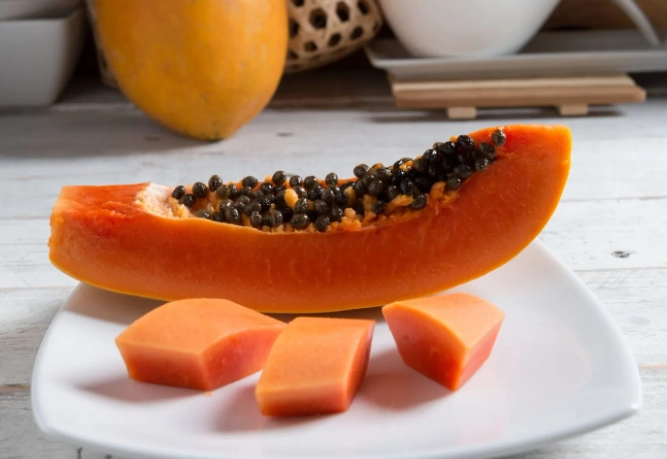
| Fruit | Safe for Dogs? | Key Benefit | Critical Danger / Part to Avoid | Feeding Tip |
|---|---|---|---|---|
| Papaya | Yes (prepared) | Digestive enzymes (papain), Vitamins A & C | Seeds (blockage, trace toxins), Skin (indigestible) | Must be peeled & deseeded. Moderate sugar. |
| Apple | Yes (prepared) | Fiber, Vitamin C | Core & Seeds (contain cyanide) | Core and remove all seeds. Skin is okay if washed. |
| Banana | Yes | Potassium, Fiber | High sugar & starch content | Very high in sugar. Use tiny pieces sparingly. |
| Grapes/Raisins | NO | None | Highly toxic, causes kidney failure | Never feed. Not even one. |
| Blueberries | Yes | Antioxidants, Low calorie | None (whole berry is safe) | Excellent "pop-able" treat. Can be fed frozen. |
| Watermelon | Yes (prepared) | Hydration, Lycopene | Rind & Seeds (cause blockage) | Feed seedless flesh only. Remove all rind. |
Notice a pattern? Preparation is key for most larger fruits. When in doubt, always check a reliable source like the ASPCA's Animal Poison Control website for toxic and non-toxic plants.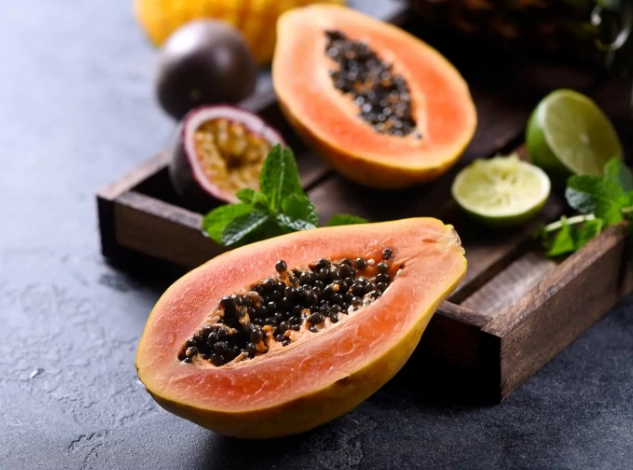
Your Papaya Questions, Answered
Related Articles