Toy Poodles: The Complete Guide to the Intelligent, Hypoallergenic Companion
Let's talk about toy poodles. You've probably seen them—those perfectly coiffed little dogs trotting beside someone in a cafe, looking like they just stepped out of a salon. But there's a massive gap between the popular image and the reality of living with one. I've shared my home with poodles for over a decade, and the toy variety has a unique set of charms and challenges that nobody tells you about in the brochure. This isn't just a list of breed facts. It's a deep dive into what it's actually like to live with, care for, and love a toy poodle, based on hard-won experience and a few mistakes I wish I'd avoided.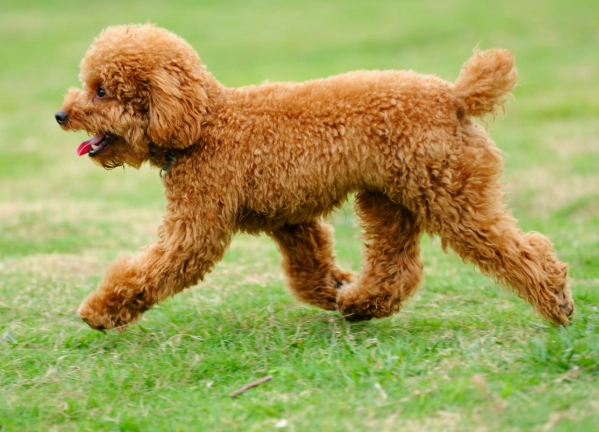
Your Toy Poodle Journey Starts Here
What Exactly Is a Toy Poodle?
First, let's clear up the size confusion. The American Kennel Club (AKC) is very specific: a toy poodle is 10 inches or less at the shoulder. No ifs, ands, or buts. Weight is usually between 4 and 6 pounds. I've met "teacup" poodles, but that's not a recognized size—it's often just a poorly bred or underweight toy poodle, and it comes with a host of extra health risks. Stick to the AKC standard.
They come in a rainbow of solid colors: apricot, black, white, brown, silver, and that classic cream. The coat is curly, dense, and famously hypoallergenic. But here's the non-consensus bit: "hypoallergenic" doesn't mean allergy-proof. It means they shed less dander (the real culprit for most allergies), but you still need to spend time with one to see how you react. Don't just take the breeder's word for it.
| Poodle Size Variety | Height (AKC Standard) | Key Distinction from Toy |
|---|---|---|
| Toy Poodle | 10 inches and under | The true apartment-sized companion. |
| Miniature Poodle | Over 10, up to 15 inches | More robust, often higher energy, better for active families with kids. |
| Standard Poodle | Over 15 inches | A full-sized sporting dog with significant exercise needs. |
Toy Poodle Temperament: More Than Just a Pretty Face
Forget the frou-frou stereotype. These dogs are whip-smart. Consistently ranked among the top two most intelligent dog breeds (alongside border collies), they learn tricks in minutes. But that intelligence has a flip side: boredom is their enemy. A bored toy poodle will invent their own entertainment, and you won't like it. Think strategic sock theft, creative shredding of toilet paper, or developing a piercing, attention-seeking bark.
They are intensely people-oriented. My toy poodle, Milo, follows me from room to room like a tiny, curly shadow. This isn't just loyalty; it's a deep-seated need to be part of the action. They can develop separation anxiety if not trained to handle alone time from puppyhood. They're also sensitive. A harsh tone can crush them for hours, while positive reinforcement makes them shine.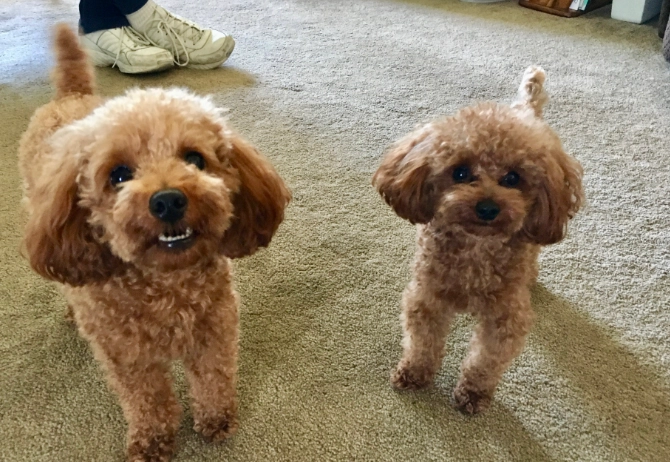
Common Misconception: Many think their toy poodle is "yappy" or "neurotic" by nature. More often, it's a symptom of under-stimulation. These dogs need mental challenges just as much as physical walks. A 15-minute training session or a food puzzle toy can do more to calm them than an extra hour of pacing around the block.
The Realities of Toy Poodle Care
Their small size makes them perfect for apartments, but their needs are not miniature.
Diet and Nutrition
You can't just free-feed a toy poodle. Their tiny stomachs are prone to upset, and they can become picky eaters. I feed mine a measured amount of high-quality, small-breed kibble twice a day. Treats are tiny and accounted for. Dental issues are common, so dental chews or teeth brushing is non-negotiable.
Exercise Needs
They have surprising stamina. A good 30-45 minute walk daily is a minimum, broken into two shorter walks if it's hot. But remember, mental exercise counts. Fetch in a hallway, hide-and-seek with treats, or navigating a homemade obstacle course tires them out beautifully.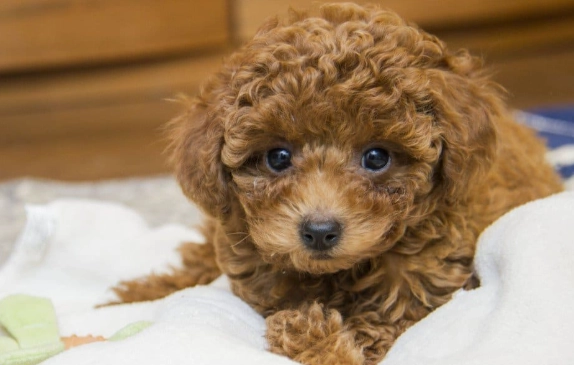
Grooming Your Toy Poodle: It's Not Optional
This is the biggest commitment and the most common point of failure for new owners. That gorgeous curly coat mats if you look at it wrong. It requires brushing every other day, without fail, with a slicker brush and a metal comb to reach the skin.
Professional grooming is needed every 4-6 weeks. This isn't a luxury; it's essential hygiene. A matted coat pulls on the skin, causes pain, and can hide parasites or skin infections. The cost adds up—budget $70-$120 per session depending on your location.
- The Home Grooming Toolkit: Slicker brush, metal comb, dog-safe clippers for sanitary trims, quality dog shampoo, ear cleaner, and nail clippers.
- Pro Tip: Start handling their paws, face, and ears during grooming sessions as a puppy. Make it positive with treats. An adult poodle who hates having its feet touched is a nightmare for everyone.
Training Your Toy Poodle: Leveraging Their Intelligence
Start training the day you bring them home. They are capable of learning complex commands, but focus on the essentials first with positive reinforcement (treats, praise, play).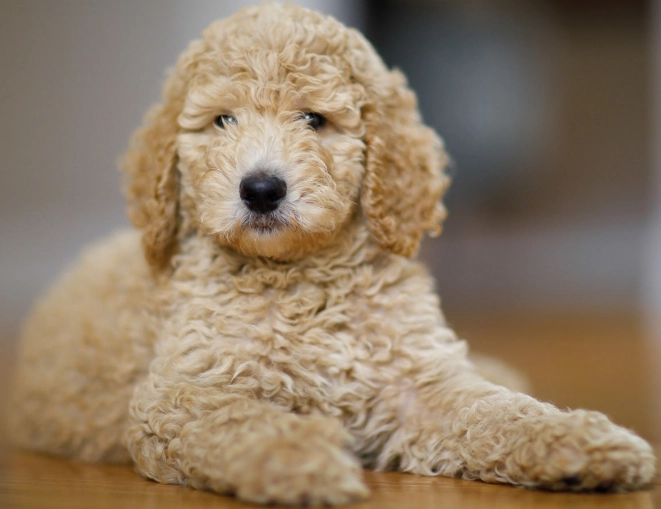
Housebreaking can be tricky due to their small bladders. Be relentless with a schedule: first thing in the morning, after meals, after play, before bed. Crate training is a lifesaver here.
The most critical command for a toy poodle? A reliable "quiet" command. That sharp, alert bark is useful, but you need an off switch. Never reward barking for attention. Wait for a moment of silence, then give praise and a treat.
Toy Poodle Health: What to Watch For
Reputable breeders test their breeding stock for genetic conditions. Always ask for proof from the Orthopedic Foundation for Animals (OFA) or similar organizations.
- Luxating Patellas: The kneecap slips out of place. Common in small breeds. Signs include skipping or holding up a leg.
- Tracheal Collapse: A weakening of the windpipe, causing a honking cough. Exacerbated by pulling on a collar—use a harness always.
- Progressive Retinal Atrophy (PRA): A degenerative eye disease leading to blindness. Genetic testing exists.
- Dental Disease: Their small mouths crowd teeth. Regular vet dental cleanings are a must.
Find a vet experienced with toy breeds. Their anesthesia and medication doses are minuscule and require precision.
Is a Toy Poodle the Right Dog for You?
Let's be brutally honest. A toy poodle is perfect for you if: you want a highly trainable, affectionate companion for an adult-only or quiet household; you have the time and budget for rigorous grooming; you enjoy interactive play and mental challenges with your pet.
Think twice if: you have very young children (their small size makes them fragile); you travel constantly and can't take them; you want a low-maintenance, "wash-and-wear" dog; you dislike frequent barking.
Consider a miniature poodle instead. They offer the same wonderful poodle personality in a slightly sturdier, often less delicate package, and can be a better fit for families.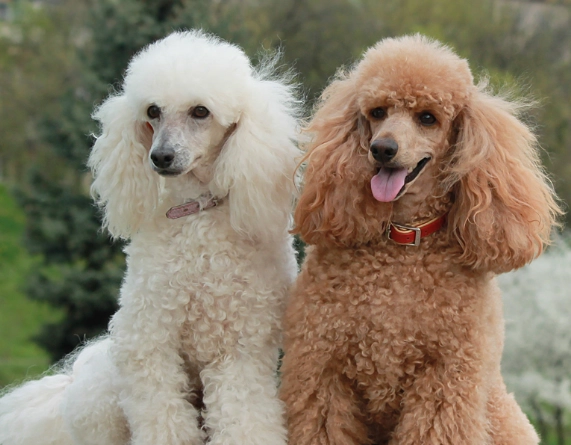
Your Toy Poodle Questions, Answered
Bringing a toy poodle into your life is a decision that rewards the prepared. It's a commitment to grooming, to engagement, and to partnering with a tiny, brilliant creature who will demand to be treated as an equal. Do your homework, find a responsible breeder or rescue, and be ready for a decade or more of hilarious, loyal, and endlessly entertaining companionship. Just keep the brush handy.
Related Articles