Can Dogs Eat Cauliflower? A Vet's Complete Guide
You're chopping cauliflower for dinner, and those puppy-dog eyes are locked on you. That pleading stare is hard to resist. Before you toss a floret, you stop and think: Wait, is cauliflower even safe for dogs? Good on you for asking. The short answer is yes, dogs can eat cauliflower. But—and this is a big but—it's not as simple as just handing it over. How you prepare it, how much you give, and even your dog's individual health can turn this healthy veggie into a problem. I've seen too many well-meaning owners cause an upset stomach by getting the details wrong. Let's get into the specifics so you can share safely.
What's in This Guide?
Can Dogs Eat Cauliflower? The Simple Answer
Absolutely. Plain, cooked cauliflower is non-toxic to dogs. The American Society for the Prevention of Cruelty to Animals (ASPCA) doesn't list it as a poisonous plant. So, if your dog snags a piece off the floor, don't panic. It's not like chocolate or grapes.
But here's where many owners trip up. They hear "it's safe" and think it means "feed liberally." That's a mistake. Cauliflower should only ever be an occasional treat, not a staple. It's meant to complement a balanced, commercial dog food diet that's formulated to meet all their nutritional needs. Think of it as a supplemental snack, not a meal replacement.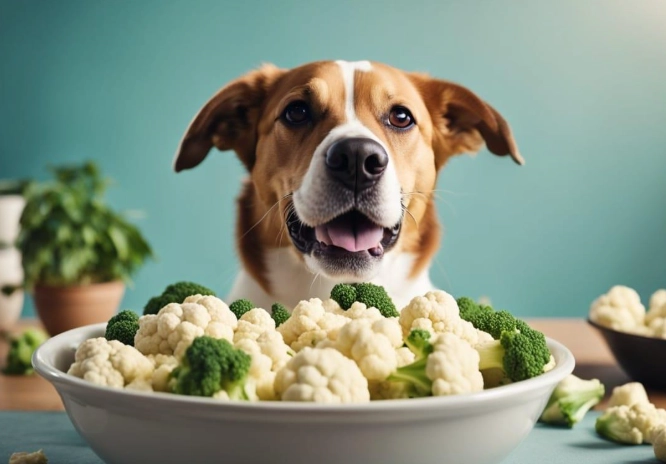
The Surprising Benefits of Cauliflower for Dogs
Why bother? Cauliflower packs a decent nutritional punch. It's low in calories and fat, which is great for dogs watching their weight. The real star is the fiber content. Fiber helps keep things moving smoothly in the digestive tract, which can aid dogs with occasional constipation. It also contains vitamins C and K, along with folate and potassium. These support immune function, bone health, and cell function.
There's also some buzz around antioxidants like sulforaphane, which is found in cruciferous vegetables. Research from sources like the National Institutes of Health suggests sulforaphane may have anti-inflammatory properties. For an older dog with creaky joints, a bit of cauliflower might offer a tiny, natural anti-inflammatory boost alongside their regular vet-prescribed care. It's not a cure, but every little bit helps.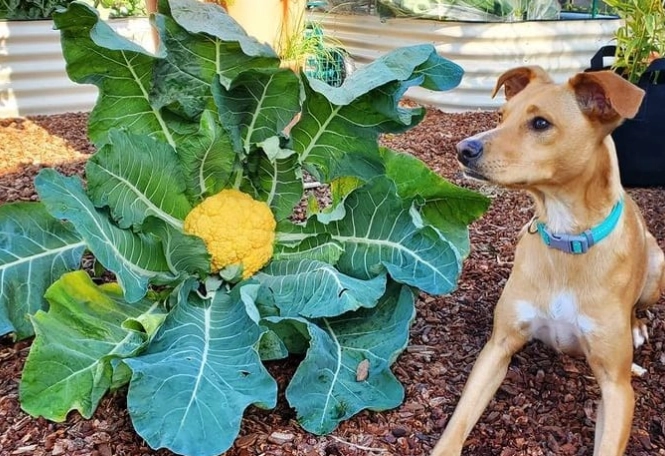
Quick Tip: The benefits are most accessible when the cauliflower is lightly cooked. Raw cauliflower is much harder for dogs to digest, and those tough cell walls lock away many of the nutrients.
Are There Any Risks to Feeding Cauliflower?
This is the critical section. Ignoring these risks is how a healthy snack leads to a midnight trip to the emergency vet.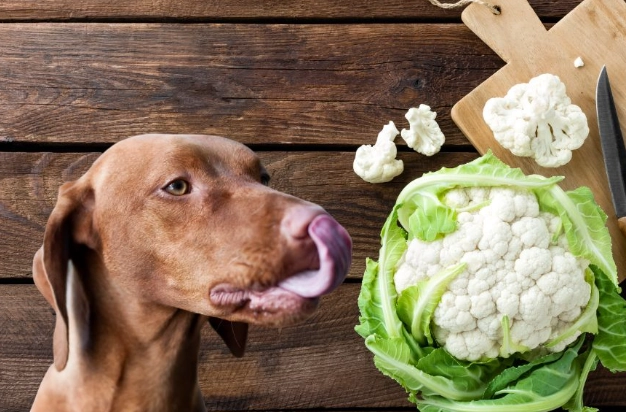
Gas and Bloating (The Big One)
Cauliflower contains complex sugars called raffinose. Dogs lack the enzyme to break this down efficiently. The result? Fermentation in the gut, leading to gas. For some dogs, it's a bit of tooting. For others, especially small breeds or those prone to bloat (like deep-chested dogs), significant gas can be painful and dangerous. If your dog already has a sensitive stomach, proceed with extreme caution.
Choking and Intestinal Blockage
Never give a whole floret or a large chunk. A dog might swallow it without proper chewing, leading to a choking hazard or, worse, an intestinal blockage. This is a surgical emergency. Always cut it into small, bite-sized pieces appropriate for your dog's size.
Thyroid Function (A Concern for Raw, Large Amounts)
Cauliflower contains compounds called goitrogens, which can interfere with thyroid hormone production if consumed in massive, frequent quantities. For a dog getting a few small pieces once a week, this is negligible. The risk is higher if you're feeding large amounts of raw cauliflower daily. Cooking reduces goitrogen levels. If your dog has a diagnosed thyroid condition like hypothyroidism, it's wise to consult your vet before adding any goitrogenic veggies to their diet.
Watch Out For: Seasonings are a hard no. Garlic, onions, chives, and excessive salt are toxic or harmful to dogs. That means no cauliflower from your cheesy casserole, buffalo wings plate, or garlic-roasted side dish. Only plain.
How to Safely Prepare Cauliflower for Your Dog
Preparation is everything. Here's your fail-safe method:
- Wash It: Rinse the cauliflower thoroughly under cool water to remove any dirt or pesticide residue.
- Cut It Up: Remove the leaves and tough stem. Break or cut the florets into small, manageable pieces. For a Chihuahua, that's pea-sized. For a Labrador, maybe a dime-sized piece.
- Cook It (Recommended): Steaming or boiling in plain water is best. It softens the vegetable, making it easier to digest and unlocking nutrients. Steam for 5-7 minutes until tender but not mushy. Do not add salt, butter, oils, or any seasonings.
- Cool Completely: Let it cool down to room temperature before offering it to your dog to avoid burning their mouth.
Can you feed it raw? Technically yes, but it's harder to digest and poses a slightly higher choking risk. If you do go raw, make sure the pieces are even smaller and monitor your dog closely. I usually recommend cooked for first-time tries.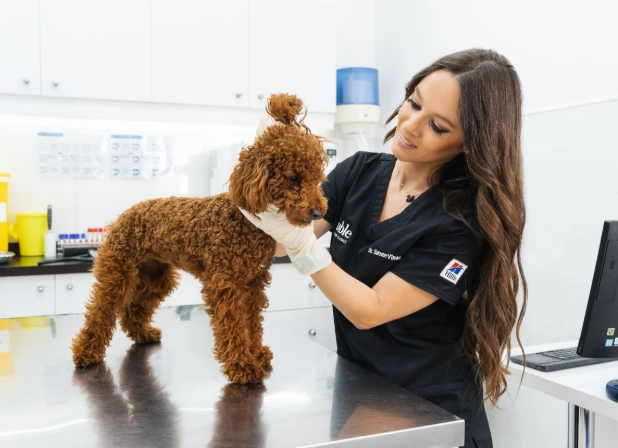
How Much Cauliflower Can My Dog Have?
The 10% rule is your friend. Treats (including vegetables like cauliflower) should make up no more than 10% of your dog's daily caloric intake. The other 90% should be their complete and balanced dog food.
Here's a rough, conservative guideline based on dog size:
- Small dogs (under 20 lbs): 1-2 small, bite-sized pieces, 1-2 times per week.
- Medium dogs (20-50 lbs): 2-3 pieces, 1-2 times per week.
- Large dogs (50+ lbs): 3-4 pieces, 1-2 times per week.
Start with one piece and see how your dog's system handles it over the next 24 hours. No diarrhea? No excessive gas? Then you can consider it a safe occasional treat.
The Dog-Safe Vegetable Showdown
How does cauliflower stack up against other common veggies? Here's a quick comparison to help you diversify your dog's snack menu.
| Vegetable | Safe for Dogs? | Key Benefit | Main Caution | Best Served |
|---|---|---|---|---|
| Cauliflower | Yes | Low-calorie, high fiber, antioxidants | Can cause significant gas/bloating | Cooked, plain, small pieces |
| Carrots | Yes | Great for teeth, high in beta-carotene | High in sugar for diabetic dogs | Raw (chilled for teething) or cooked |
| Green Beans | Yes | Very low-calorie, filling, high fiber | Can be a choking hazard if whole | Steamed, canned (no salt) |
| Broccoli | Yes, in tiny amounts | Nutrient-dense | Contains isothiocyanates, which can cause gastric irritation in larger quantities | Cooked florets only, less than 10% of diet |
| Spinach | Debatable | High in iron & vitamins | High in oxalates, which can contribute to kidney stones over time | Very occasional, cooked to reduce oxalates |
| Onions/Garlic | NO | N/A | Toxic, causes oxidative damage to red blood cells (hemolytic anemia) | Never |
See? Cauliflower has a place, but it's not the only option. Rotating veggies can provide a broader range of nutrients and reduce the risk of any one causing an issue.
Your Cauliflower Questions, Answered
So, there you have it. The next time your dog gives you that look while you're prepping dinner, you can confidently decide. A small, plain, cooked piece of cauliflower? Go for it, as an occasional treat. The entire head or your seasoned side dish? Nope. Knowing the difference is what makes a responsible, informed pet owner. Your dog's health and those happy tail wags are worth getting the details right.
Related Articles