Dog UTI Symptoms: A Complete Guide to Signs, Diagnosis & Care
If you've noticed your dog making more trips to the yard or whimpering during pee breaks, you might be dealing with a urinary tract infection. UTIs in dogs are more common than many owners realize, and catching the signs early can save your pet from serious discomfort. I've seen this firsthand with my own dog, Max, who started acting off last year—turns out it was a UTI that we caught just in time. In this guide, I'll walk you through everything from subtle symptoms to vet visits, based on my experience and vet advice.
Quick Navigation: What's Inside
What Are the Common Symptoms of UTI in Dogs?
Spotting a UTI early isn't always straightforward. Dogs can't tell us when something hurts, so we need to watch for behavioral changes. The most obvious sign is frequent urination—your dog might ask to go out every hour or have accidents indoors. But here's a nuance many miss: it's not just about frequency. Look for straining, where your dog crouches for a long time but only produces a few drops. That's a red flag.
Other symptoms include blood in the urine, which can appear pink or cloudy, and strong-smelling pee. Some dogs lick their genital area excessively or show signs of pain like whining. In severe cases, lethargy or loss of appetite kicks in. I remember Max would pace around nervously before peeing, which I initially brushed off as anxiety. Don't make that mistake; it's often a UTI cue.
Pro tip: If your dog is peeing in unusual places, like on your bed or rug, it might not be behavioral—it could be a UTI causing urgency. I learned this the hard way when Max ruined my favorite carpet.
Lesser-Known Signs to Watch For
Beyond the basics, watch for subtle shifts. Is your dog drinking more water than usual? That can indicate the body trying to flush out infection. Also, pay attention to posture: a hunched back or reluctance to move might signal abdominal pain. These aren't always listed in generic guides, but vets like those from the American Veterinary Medical Association (AVMA) note they're common in clinical practice.
How to Diagnose a Dog UTI: Steps and Tests
Once you suspect a UTI, don't panic. Diagnosis is straightforward but requires a vet visit. First, your vet will ask about symptoms and history. Then, they'll likely perform a urinalysis—this tests for bacteria, blood, and crystals in the urine. Sometimes, they might do a urine culture to identify the specific bacteria causing the infection.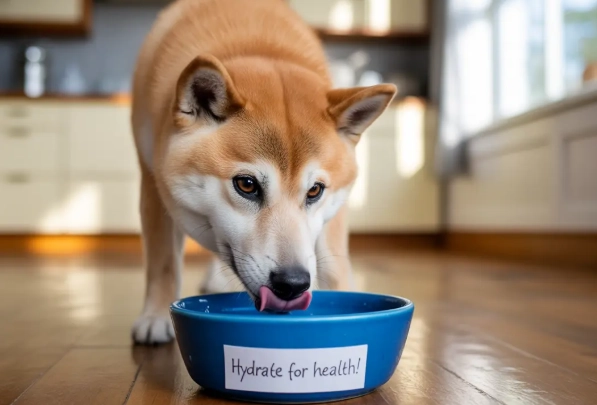
Here's a table summarizing common diagnostic tests:
| Test | What It Checks | Why It's Important |
|---|---|---|
| Urinalysis | pH, protein, glucose, blood cells | Detects infection signs quickly |
| Urine Culture | Specific bacteria types | Guides antibiotic choice |
| Ultrasound | Bladder and kidney structure | Rules out stones or tumors |
I made a mistake once by trying home remedies before seeing a vet—it delayed proper treatment. Always get a professional diagnosis; self-diagnosing can lead to complications like kidney infections.
The Role of Vet Examination
During the exam, your vet might palpate the abdomen to check for pain or swelling. They'll also consider factors like age and breed; older dogs or females are more prone to UTIs. If symptoms persist, further tests like X-rays might be needed. Trust your vet's judgment—they've seen hundreds of cases.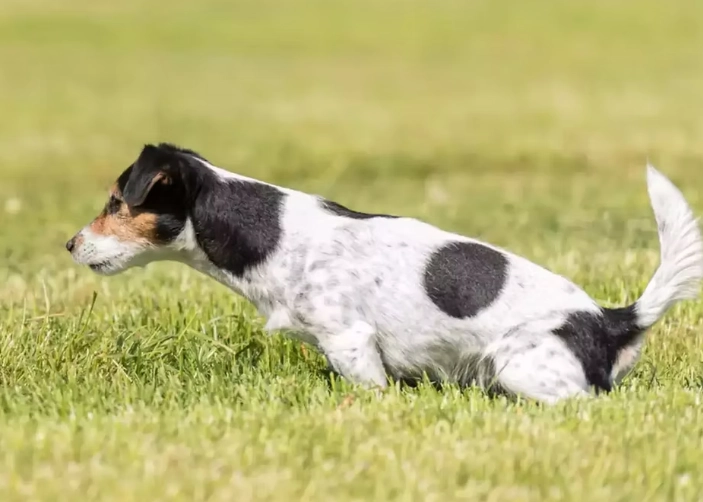
Treatment Options for Canine Urinary Tract Infections
Treatment usually involves antibiotics prescribed by your vet. The key is completing the full course, even if symptoms improve early. Stopping early can cause recurrence or antibiotic resistance. For Max, we used a 10-day antibiotic, and I set phone reminders to avoid missing doses.
In addition to medication, vets often recommend increased water intake to flush the system. You can add water to your dog's food or use a pet fountain. Some dogs benefit from dietary changes, like switching to a prescription urinary health diet. I tried this with Max, and it helped prevent future episodes.
For severe cases, hospitalization might be needed for IV fluids. But most UTIs are treatable at home with careful monitoring. Keep an eye on your dog's behavior and report any worsening to your vet immediately.
Natural Remedies: Do They Work?
Many owners ask about cranberry supplements or apple cider vinegar. While cranberry might help in humans, evidence for dogs is limited. The AVMA suggests consulting your vet before trying supplements, as they can interfere with medications. I experimented with cranberry pills for Max, but saw no real improvement—stick to vet-approved plans.
Preventing UTIs in Dogs: Practical Tips
Prevention is better than cure. Start with hydration: ensure fresh water is always available. Regular bathroom breaks are crucial—don't make your dog hold it for hours. For indoor dogs, consider pee pads or more frequent walks.
Diet plays a big role. High-quality food with balanced minerals can reduce UTI risk. Avoid foods with excessive grains or fillers, as they might contribute to urinary issues. I switched Max to a grain-free diet after his UTI, and it made a noticeable difference.
Grooming is often overlooked. Keep your dog's genital area clean, especially for long-haired breeds. Regular vet check-ups catch problems early. Also, manage stress—anxiety can weaken the immune system, making dogs more susceptible to infections.
Here's a quick list of prevention strategies:
- Provide constant access to clean water.
- Schedule regular potty breaks every 4-6 hours.
- Feed a balanced diet, possibly with urinary health formulas.
- Maintain good hygiene with occasional gentle cleaning.
- Reduce stress through exercise and routine.
FAQ: Your Questions Answered
Remember, every dog is different. What worked for Max might not work for yours, but staying informed and proactive is key. If you notice any odd behavior around urination, don't wait—consult your vet. Keeping your dog healthy is a team effort between you and your veterinary professional.
Related Articles