Hot Spots on Dogs: A Vet's Guide to Treatment and Prevention
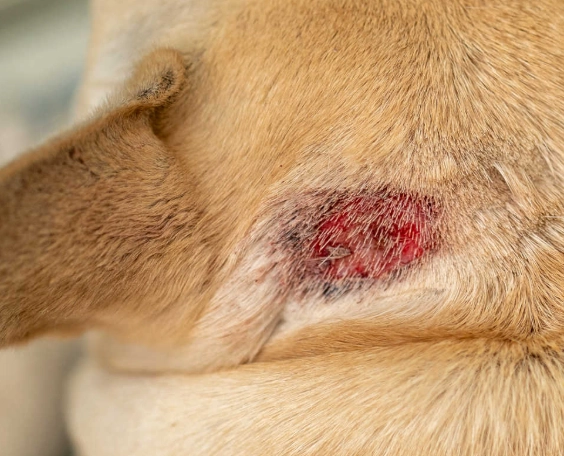
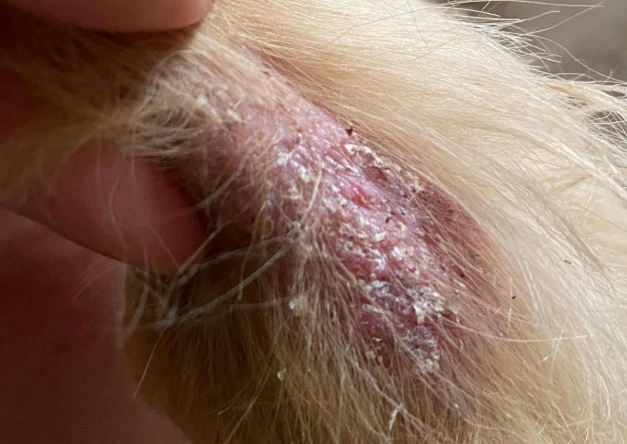
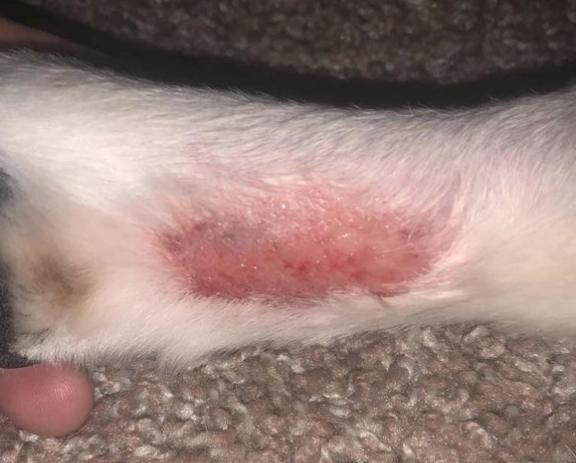
You notice your dog obsessively licking or chewing at one spot. You part the fur and find it: a raw, red, wet, and angry-looking sore that seems to have appeared overnight. That's a hot spot. Medically known as acute moist dermatitis or pyotraumatic dermatitis, it's one of the most common and frustrating skin conditions dog owners face. It's painful for your dog and can spread alarmingly fast if not addressed. The good news? With the right approach, you can treat it effectively and, more importantly, learn how to stop it from happening again. This guide cuts through the generic advice and gives you a clear, step-by-step plan based on practical experience. Think of a hot spot as a bacterial skin infection that your dog creates through self-trauma. It starts with an itch. Anything can cause that initial itch—a flea bite, a pollen allergy, a mat of fur, even a drop of water trapped in the ear. The dog scratches or licks the spot for relief. This breaks the skin's surface. The moisture from saliva and the warmth create a perfect breeding ground for the normal bacteria on the skin (usually Staphylococcus pseudintermedius) to multiply out of control. The resulting inflammation and infection are intensely itchy and painful, which makes the dog chew and lick even more. It's a vicious cycle that can turn a pinprick of irritation into a palm-sized wound in less than a day. I've seen it happen with my own dog, a Golden Retriever named Sam. One summer evening, he seemed a bit bothered by his hip. The next morning, he had a quarter-sized, weeping sore. I knew immediately—classic hot spot. The trigger? Probably a combination of seasonal allergies and a slightly damp coat from playing in the sprinkler. A Common Misstep: Many owners see the oozing and immediately reach for creams or powders to "dry it out." This can often seal in moisture and bacteria, making it worse. The real first step is removing the fur and getting air to the skin, which we'll cover next. The underlying causes are the key to long-term prevention. Here are the most common culprits: If the hot spot is small (smaller than a silver dollar) and your dog is otherwise acting normally, you can start treatment at home. The goal is to break the itch-lick cycle, clean the area, and let it dry and heal. Always wear disposable gloves if possible. This is the most critical step that most guides underemphasize. You must gently clip the hair away from around the sore. Use blunt-nosed scissors or clippers with a guard, working from the outside in. The aim is to expose an inch of healthy skin around the entire lesion. Why? It removes hair that's matted with discharge, allows air to reach the skin (bacteria hate oxygen), and lets you apply topical treatments directly to the skin. It also prevents discharge from spreading the infection to surrounding fur. If your dog is too painful or the area is too large, don't force it. This is a sign to go to the vet, who can do this quickly and painlessly, often with a mild sedative. Once the area is clipped, clean it with a mild antiseptic solution. I recommend chlorhexidine solution (diluted to the instructions, usually 0.05% to 0.1%). It's effective against the staph bacteria common in hot spots and is less stinging than iodine or hydrogen peroxide. You can find chlorhexidine shampoo or solution at most pet stores or from your vet. Soak a clean gauze pad in the solution and gently wipe the area, removing any crust or debris. Pat dry thoroughly with a clean paper towel. Do this 2-3 times a day. Warning on Home Remedies: The internet is full of suggestions like tea tree oil, apple cider vinegar, or coconut oil. Be extremely cautious. Many essential oils are toxic to dogs if licked. Apple cider vinegar can sting open wounds. Raw coconut oil isn't antimicrobial enough for an active infection and can just create a greasy mess. Stick with vet-recommended antiseptics like chlorhexidine or povidone-iodine for the initial clean. After cleaning and drying, apply a thin layer of a vet-recommended topical antibiotic/anti-inflammatory spray or cream. Products containing hydrocortisone can help reduce inflammation and itch. Your veterinarian can prescribe the most effective ones. Over-the-counter options like Vetericyn Plus Antimicrobial Hydrogel can be soothing and promote a moist healing environment, which is actually better than trying to "dry it out" completely. The single most important part of treatment, however, is preventing your dog from accessing the spot. You cannot out-willpower a dog's instinct to lick a painful, itchy wound. Do not rely on "watching them." The moment you turn your back, they'll lick. A proper cone or inflatable "donut" collar is absolutely essential. It's not cruel—it's what allows the wound to heal. Leave it on 24/7 until the hot spot is completely scabbed over and dry, which usually takes at least 3-5 days with consistent care. Home care isn't always enough. Don't wait if you see any of these red flags. Prompt veterinary care can prevent days of suffering and more aggressive treatment later. Your vet will likely clip and clean the area thoroughly, and may prescribe a course of oral antibiotics (like cephalexin) and anti-itch medication (like Apoquel or Cytopoint). They can also give you a much more potent topical spray. In severe cases, they might use a steroid injection to quickly knock down the inflammation. Treating the current hot spot is only half the battle. If you don't address the root cause, you'll be dealing with another one soon. Prevention is about managing the triggers from that first table. I started giving Sam a daily fish oil supplement for his skin health and became religious about drying him after every swim. We also got his seasonal allergies under control with a prescription from the vet. We haven't had a serious hot spot in over two years.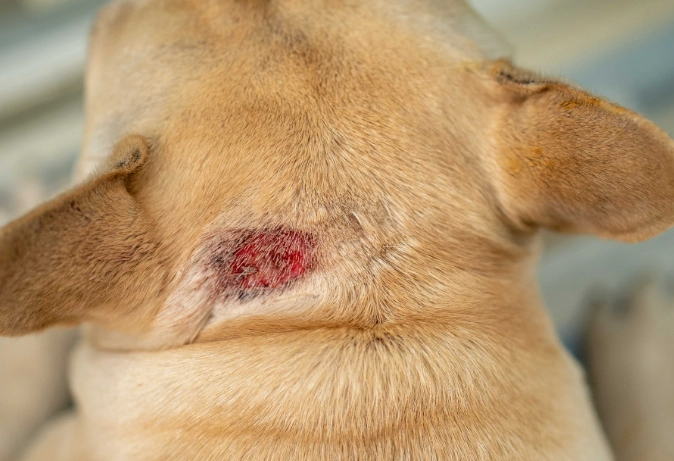
What You'll Find in This Guide
What Exactly Is a Hot Spot and What Causes It?
Trigger Category
Specific Examples
Why It Leads to a Hot Spot
Allergies
Flea allergy dermatitis, environmental allergies (pollen, mold), food sensitivities.
Creates intense, localized itching. A single flea bite on an allergic dog can be the spark.
Parasites & External Irritants
Fleas, mites, ticks, mosquito bites.
Direct physical irritation and biting cause the initial scratch reflex.
Underlying Skin or Ear Issues
Ear infections, anal gland problems, existing dermatitis.
Pain or itch from another condition prompts licking/chewing at a nearby area.
Behavioral & Environmental
Boredom, anxiety, stress, trapped moisture (from swimming/bathing).
Excessive licking becomes a compulsive habit, damaging healthy skin.
Poor Coat Care
Thick, matted fur, lack of grooming.
Traps heat, moisture, and debris against the skin, creating a prime environment for infection.
How Do I Treat My Dog's Hot Spot at Home?
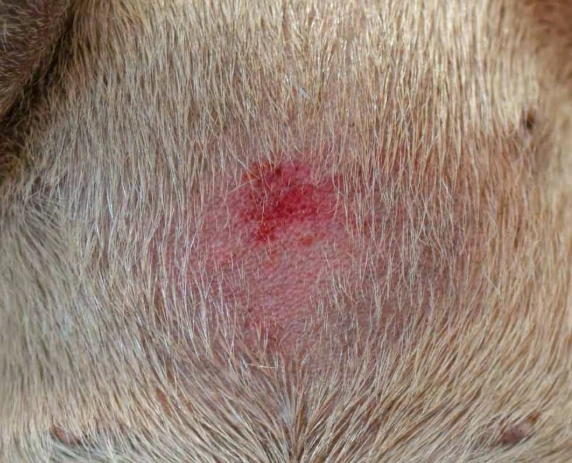
Step 1: Safe Trimming and Air Exposure
Step 2: Gentle Cleansing and Disinfection
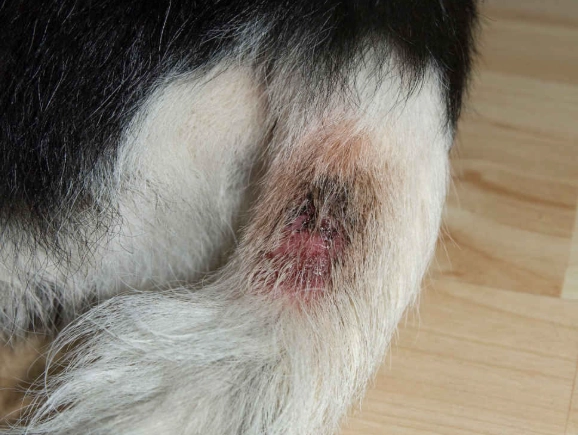
Step 3: Applying a Topical Treatment and Creating a Barrier
Step 4: The Non-Negotiable Step - The Elizabethan Collar (E-Collar)
When Is It Time to Call the Veterinarian?
How Can I Prevent Hot Spots from Coming Back?
Your Top Hot Spot Questions Answered