Activated Charcoal for Dogs: Vet-Approved Uses, Dosage & Safety
If your dog gets into something toxic, activated charcoal might be a lifesaver. But here's the thing—most owners either panic and overuse it or don't know how to use it correctly. I've seen this firsthand working in veterinary clinics for over a decade. Let's cut through the noise and get straight to what works. Activated charcoal isn't a magic pill. It's a specific tool for specific situations. In this guide, I'll walk you through exactly when and how to use it, based on vet protocols and real-world cases. We'll cover dosage, administration tricks, and common mistakes to avoid. By the end, you'll feel prepared, not scared. Activated charcoal is a fine black powder made from materials like coconut shells or wood. It's "activated" through a process that creates tons of tiny pores, giving it a huge surface area. Think of it like a sponge for toxins. When your dog ingests something harmful—say, chocolate or rat poison—the activated charcoal binds to those toxins in the gut. It traps them so they can't be absorbed into the bloodstream. Then, the charcoal-toxin complex passes out in the stool. Simple, right? But here's a nuance many miss: activated charcoal only works for certain types of toxins. It's great for organic compounds, like drugs or pesticides, but useless for metals like lead or corrosive substances like bleach. The American Veterinary Medical Association notes that timing is critical—it should be given within 1-2 hours of ingestion for best results. I remember a case where a dog ate a whole bottle of ibuprofen. The owner tried activated charcoal immediately, and it likely prevented kidney damage. But if they'd waited six hours, it would've been too late. Don't reach for activated charcoal for every tummy ache. Use it only under veterinary guidance or in true emergencies when you can't get to a vet right away. Here are the top situations where it might help: But here's my controversial take: many online sources recommend activated charcoal for general diarrhea or gas. That's overkill. For mild issues, probiotics or a bland diet are better. Using charcoal unnecessarily can lead to dehydration or nutrient absorption problems. If you're unsure, call the Pet Poison Helpline or your vet. They can advise based on the specific toxin and your dog's weight. Giving activated charcoal to a dog isn't as easy as mixing it with food. Dogs hate the taste and texture. From my experience, most owners botch this part, leading to ineffective dosing or a huge mess. First, you need the right product. Use veterinary-grade activated charcoal powder or liquid, not the capsules from health stores. Capsules are too low-dose for emergencies. Brands like ToxiBan are vet-recommended. Here's a practical table to visualize dosage for common dog weights: *Note: 1 teaspoon of powder ≈ 5 grams, but check your product label. Mix the powder with water to form a slurry. The ratio is about 1 part charcoal to 4 parts water. Stir it well—it should look like thick mud. Now, the tricky part: getting your dog to swallow it. Use a syringe (without a needle) or a turkey baster. Gently squirt small amounts into the side of the mouth, toward the back. Go slow to avoid choking. If your dog fights, wrap them in a towel or get help. Some vets add a flavor like chicken broth to mask the taste, but avoid sugary additives—they can interfere with absorption. I've found that mixing it with a bit of canned pumpkin (plain, not spiced) works for picky eaters. After giving the dose, monitor your dog. They might vomit, which reduces effectiveness. If that happens, contact your vet—they might recommend a second dose. Activated charcoal is generally safe, but it's not risk-free. The biggest mistake I see is owners using it without knowing the side effects. Common side effects include: Long-term use is a no-go. It can interfere with nutrient absorption, leading to deficiencies. I've met owners who give charcoal weekly for "detox"—that's nonsense and potentially harmful. Dogs don't need detoxing like humans; their livers handle that. Also, be cautious with medications. Activated charcoal can bind to regular meds, reducing their efficacy. If your dog is on daily pills, space them out by at least 2 hours. In emergencies, people often turn to home remedies like hydrogen peroxide to induce vomiting or milk to dilute toxins. Let's compare. Hydrogen peroxide can induce vomiting, but it's risky. It can cause stomach irritation or aspiration. The American Society for the Prevention of Cruelty to Animals (ASPCA) advises against it unless directed by a vet. Activated charcoal is safer for binding toxins after vomiting or if vomiting isn't recommended. Milk or oil? Old wives' tales. They don't bind toxins and can make things worse by speeding up absorption. Stick to charcoal for adsorption. For mild cases like dietary indiscretion, plain yogurt or boiled chicken is better. Charcoal is overkill here. My rule: if it's a true toxin, use activated charcoal as a first-aid step while heading to the vet. Don't rely on it alone—professional care is crucial. Wrapping up, activated charcoal is a powerful tool in your pet first-aid kit, but it's not a cure-all. Use it wisely, keep your vet's number handy, and stay calm in emergencies. Your dog counts on you to make smart decisions.What You'll Find in This Guide
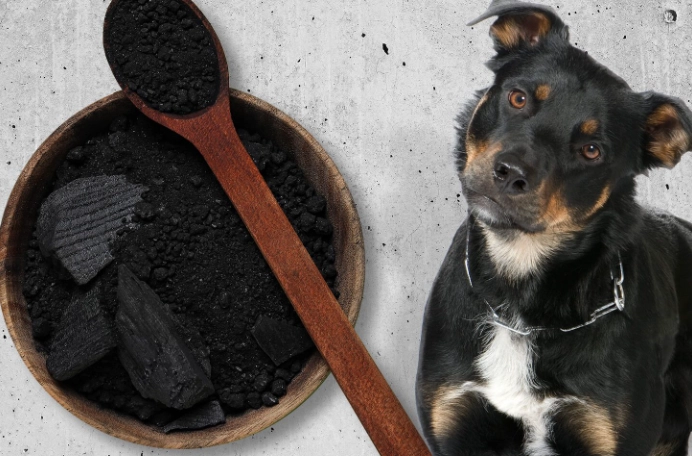
What Activated Charcoal Does for Dogs (And How It Works)
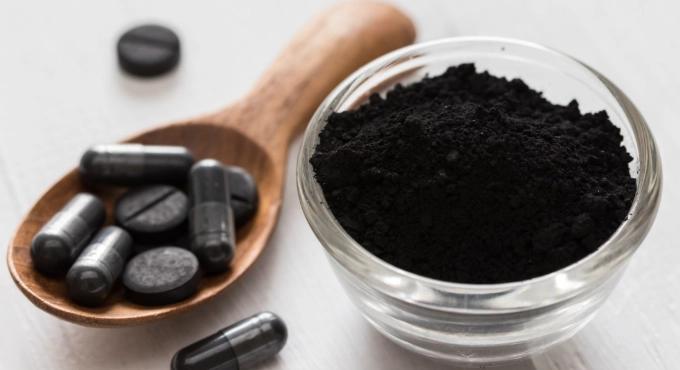
When to Use Activated Charcoal for Your Dog: Common Emergency Scenarios

How to Give Activated Charcoal to Dogs: Dosage, Methods, and Step-by-Step Instructions

Dog Weight (kg)
Dog Weight (lbs)
Activated Charcoal Dosage (grams)
Approximate Volume (teaspoons)*
5 kg
11 lbs
5-15 g
1-3 tsp
10 kg
22 lbs
10-30 g
2-6 tsp
20 kg
44 lbs
20-60 g
4-12 tsp
30 kg
66 lbs
30-90 g
6-18 tsp
Administration Methods That Actually Work
Safety First: Risks, Side Effects, and When to Avoid Activated Charcoal
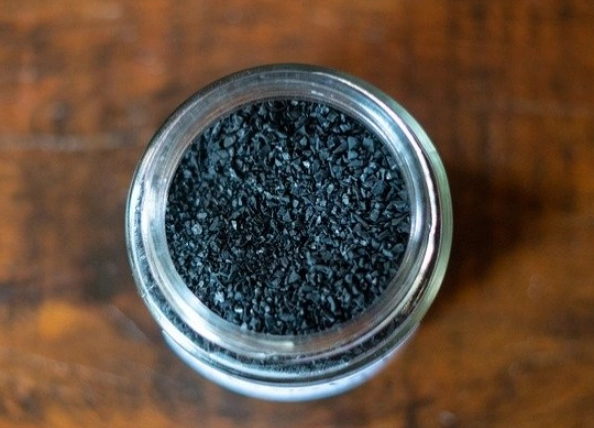
Activated Charcoal vs. Other Home Remedies: What Really Works?
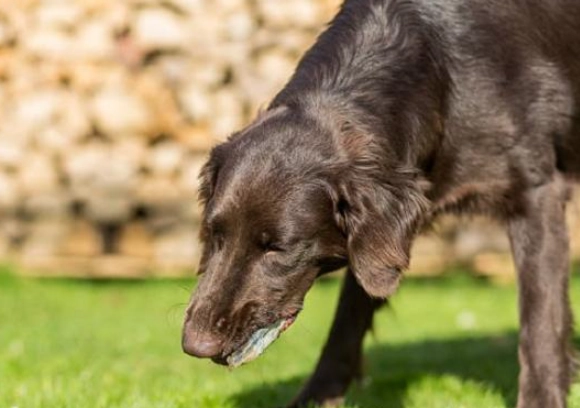
Frequently Asked Questions (FAQs) About Activated Charcoal for Dogs