Staffordshire Bull Terrier Guide: Temperament, Care & Training
I remember the first time I met a Staffordshire Bull Terrier. It was at a local park, and this stocky, muscular dog bounded over with a grin so wide it could light up the room. The owner, a seasoned breeder, laughed as the dog nudged my hand for pets. That moment shattered every stereotype I'd heard. Staffordshire Bull Terriers, often shortened to Staffies, are one of those breeds that get a bad rap based on looks alone. But spend five minutes with one, and you'll see they're more like cuddly comedians than fierce guardians. In this guide, I'll walk you through everything you need to know about these dogs, from their misunderstood temperament to the nitty-gritty of daily care. Whether you're considering adopting one or just curious, let's cut through the noise. Staffordshire Bull Terriers are a British breed that originated in the 19th century, bred from bulldogs and terriers for bull-baiting and later as companion dogs. They're medium-sized, weighing between 24 to 38 pounds, with a broad head, short coat, and a muscular build that screams strength. But don't let the muscles fool you—their eyes are soft and expressive, often described as "dark and round." The American Kennel Club (AKC) recognizes them in the Terrier group, and they're known for their courage and affection. I've seen plenty of Staffies at shows, and what strikes me is how they wag their entire bodies when happy, not just their tails. It's a breed built for loyalty, not aggression. Their history is gritty. Bred in Staffordshire, England, they were used in blood sports, but after those were banned, miners and factory workers took them in as family pets. This shift shaped their temperament—they had to be tough enough for work but gentle enough for kids. Today, organizations like the UK Kennel Club emphasize their role as "nanny dogs" due to their patience with children. It's a label that holds up if you socialize them right. I once visited a shelter where a Staffie named Buster had been surrendered for being "too energetic," but in reality, he just needed more playtime. His story is common: people misunderstand their needs. Their coat is short and smooth, coming in colors like red, fawn, white, black, or blue, often with white markings. Grooming is a breeze—a weekly brush with a rubber curry comb does the trick. But here's a tip many miss: their skin can be sensitive. I've known owners who used harsh shampoos, leading to dryness and itching. Stick to mild, dog-specific products. Their ears are rose or half-pricked, and they need regular checks for dirt buildup. Overall, they're low-maintenance in looks but high in personality. If I had a dollar for every time someone asked me, "Aren't Staffordshire Bull Terriers aggressive?" I'd be rich. The truth is, aggression isn't a breed trait; it's a result of poor training, neglect, or fear. Staffies are inherently affectionate, playful, and people-oriented. A study by the American Temperament Test Society found that Staffordshire Bull Terriers have a pass rate of over 90%, higher than many popular breeds like Beagles or Chihuahuas. That says a lot. They thrive on human interaction and can develop separation anxiety if left alone too long. I've fostered a few, and the ones labeled "difficult" just needed consistency and love. No, they're not. But they are strong-willed and can be territorial if not trained. The key is early socialization. Introduce them to different people, dogs, and environments before they hit six months. I made the mistake with my first Staffie, Max, by keeping him too isolated as a pup. He became wary of strangers. It took months of positive reinforcement to undo that. Most aggression stories stem from owners who skip this step or use punishment-based methods. Staffies respond best to reward-based training—think treats and praise, not yelling. Their nickname "nanny dog" isn't just marketing. They're patient with kids, often tolerating tail pulls and hugs with a wag. But supervision is crucial—any dog can snap if provoked. I've seen Staffies become protective of their families, which can be a plus if channeled correctly. They're not guard dogs in the traditional sense; they're more likely to lick an intruder than bite. Their energy matches active households, but they also love couch snuggles. It's this balance that makes them versatile. Caring for a Staffordshire Bull Terrier isn't rocket science, but it requires attention to detail. They're robust dogs but prone to certain issues if neglected. Let's break it down into manageable chunks. Staffies are active, so they need high-quality protein. Aim for a diet with at least 25% protein from sources like chicken, fish, or lamb. Avoid fillers like corn or soy—they can cause allergies. I learned this the hard way when my dog, Luna, developed itchy skin from a cheap brand. Switching to a grain-free option cleared it up. Portion control is key; they can gain weight easily. For an average adult, 1.5 to 2.5 cups of dry food per day, split into two meals, works well. Consult your vet for specifics, as needs vary by age and activity level. These dogs have energy to burn. Daily exercise is non-negotiable—at least an hour of brisk walking, play, or training. Without it, they become destructive. I've seen bored Staffies chew furniture or dig holes. Mix it up: fetch, agility courses, or even swimming. They love water! But watch for overheating in summer; their short coat doesn't insulate well. In winter, a dog coat might help on cold walks. Mental stimulation is just as important. Puzzle toys or hide-and-seek games keep their minds sharp. Their short coat sheds moderately. Brush weekly to reduce loose hair and distribute oils. Bathing every 4-6 weeks is enough, unless they get muddy. Nail trimming is crucial—long nails can cause pain and posture issues. I trim my dog's nails every two weeks, using a grinder for comfort. Dental care is often overlooked. Brush their teeth several times a week to prevent tartar buildup. Vets report that dental disease is common in Staffies, so start early. Training a Staffordshire Bull Terrier is rewarding but requires patience. They're intelligent but can be stubborn. I've trained over a dozen, and the biggest mistake I see is inconsistency. If you say "sit," mean it every time. Use positive reinforcement exclusively. Negative methods backfire, making them fearful or defiant. First, don't skip socialization. Expose them to various sounds, sights, and smells early on. Second, avoid repetitive drills—they get bored. Mix commands with play. Third, never use physical punishment. It breaks trust. I once worked with a rescue Staffie who cowered at raised voices due to past abuse. It took months to rebuild confidence. Instead, reward good behavior instantly. Treats, toys, or praise work wonders. Start young. Take them to puppy classes, parks, and busy streets. Let them meet friendly dogs and people. If they show fear, don't force it—back off and try later. I socialized my dog by hosting playdates with calm breeds. It helped him learn boundaries. For adult Staffies, go slow. Use desensitization techniques, like rewarding calm behavior around triggers. Resources from the Association of Professional Dog Trainers offer great tips. Staffordshire Bull Terriers typically live 12 to 14 years. They're generally healthy but prone to certain conditions. Regular vet check-ups are a must. Here's a rundown of common issues. Hip dysplasia is a concern—ask breeders for health clearances. Skin allergies are frequent; watch for redness or scratching. L-2-Hydroxyglutaric aciduria, a metabolic disorder, can occur but is rare. Eye problems like cataracts may develop with age. I've had a Staffie with early-stage cataracts; supplements helped slow progression. Obesity is a big one—keep them lean to avoid joint stress. The Orthopedic Foundation for Animals provides screening guidelines. Vaccinate and deworm as recommended. Spay or neuter to prevent certain cancers. Use flea and tick prevention year-round. Consider pet insurance; vet bills can add up. I pay around $40 a month for my dog's plan, and it's saved me thousands. Lastly, monitor their behavior—changes in appetite or energy can signal issues early. Staffordshire Bull Terriers are more than their muscles; they're heart-on-a-leash companions. With proper care and training, they'll reward you with loyalty and laughs. If you're ready for an active, affectionate buddy, this breed might just be your perfect match. Remember, every dog is an individual—give them a chance, and you might be surprised.What You'll Find in This Guide
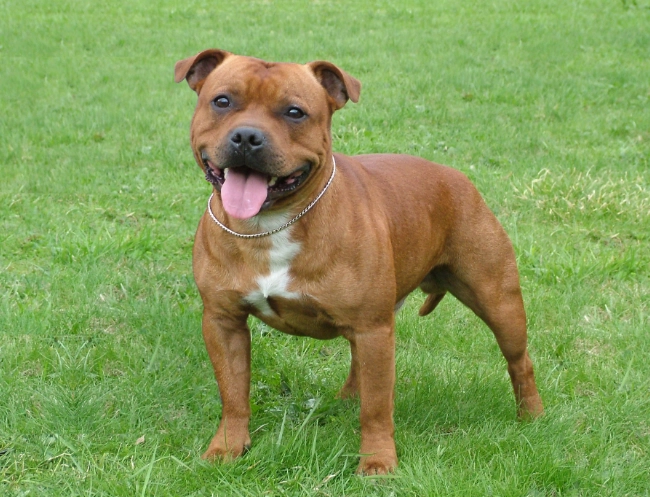
What Exactly is a Staffordshire Bull Terrier?
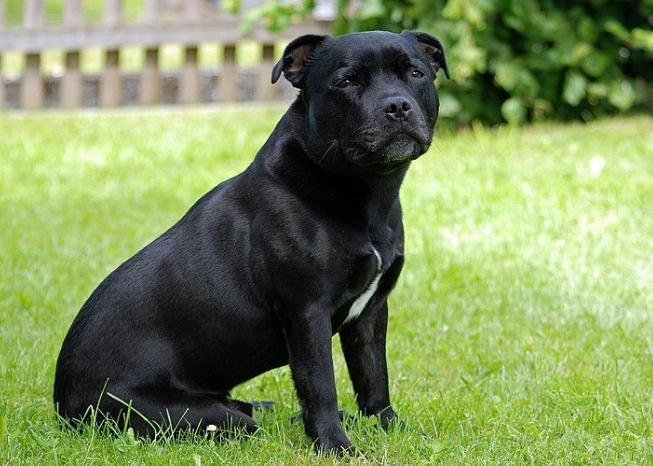
A Quick Dive into Their Past
Physical Traits That Matter
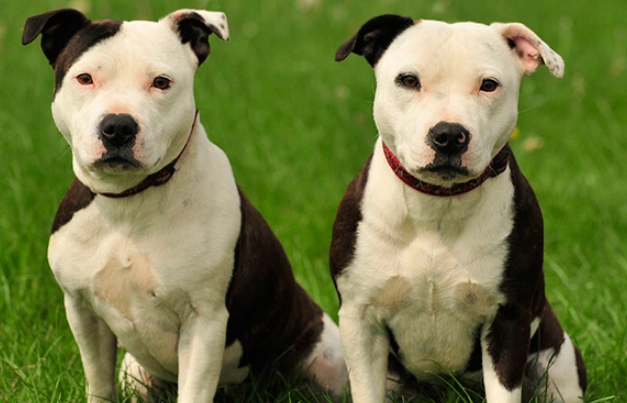
Staffordshire Bull Terrier Temperament: Debunking Common Myths
Are They Really Aggressive? Let's Set the Record Straight
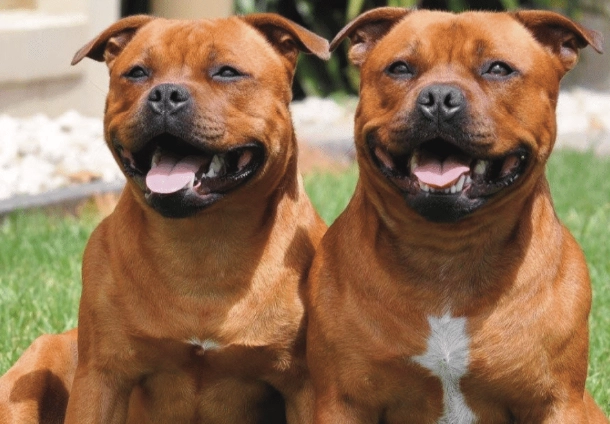
Why They Excel as Family Dogs
How to Care for Your Staffordshire Bull Terrier: A Practical Guide
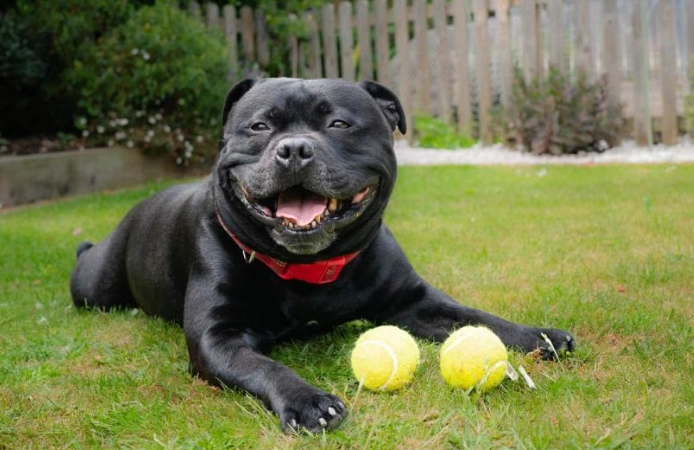
Diet and Nutrition: Fueling Their Energy
Exercise Needs: Keeping Them Happy and Healthy
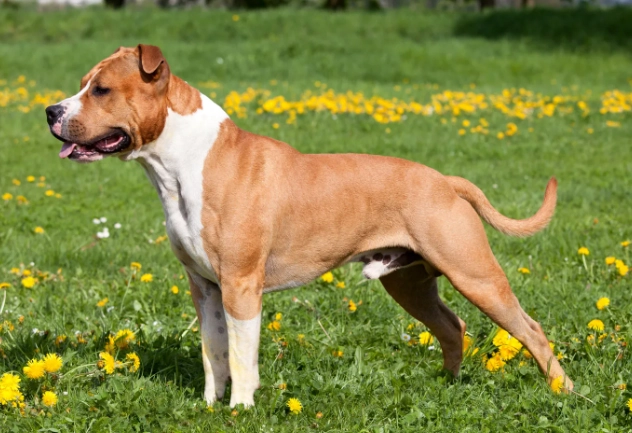
Grooming Tips: Simpler Than You Think
Training Your Staffordshire Bull Terrier: Lessons from Experience
Common Training Mistakes to Avoid
Socialization Strategies That Actually Work
Health and Lifespan: What to Watch Out For
Common Health Issues You Should Know
Preventive Care: Staying Ahead of Problems
Your Burning Questions Answered