If your cat is sneezing a lot, you're probably worried—and rightfully so. A sneezing cat can signal anything from a minor irritation to a serious health issue. I've seen this firsthand with my own cat, Whiskers, who once had a sneezing fit that turned out to be dust mites in her bedding. In this guide, I'll break down the causes, treatments, and red flags you need to know, drawing from years of experience and vet consultations.
Why Is My Cat Sneezing So Much?
Cat sneezing often gets blamed on colds, but that's a oversimplification. Most cases I've handled stem from environmental factors owners can control. Let's dive into the common and less common causes.
Common Causes of Feline Sneezing
These are the usual suspects. Think of them as the low-hanging fruit—easy to spot and often fixable at home.
- Allergies: Pollen, dust, or mold can trigger sneezing. My neighbor's cat sneezes every spring when oak pollen peaks.
- Irritants: Household cleaners, perfumes, or cigarette smoke. I made the mistake of using a strong floor cleaner once, and Whiskers sneezed for hours.
- Upper Respiratory Infections (URIs): Viral or bacterial infections, like feline herpesvirus. According to the American Veterinary Medical Association, URIs are prevalent in multi-cat households.
- Foreign Objects: A blade of grass or dust particle stuck in the nasal passage. It's more common in curious outdoor cats.
Less Common but Serious Reasons
Don't panic, but be aware. These require vet attention.
- Dental Disease: Tooth root infections can spread to the sinuses. Vets say this is often overlooked by owners.
- Nasal Polyps or Tumors: Rare but possible, especially in older cats. Sneezing might be accompanied by nasal discharge or facial swelling.
- Fungal Infections: Like cryptococcosis, more common in certain regions. The Merck Veterinary Manual notes it's a risk in areas with bird droppings.
Expert Insight: Many owners assume sneezing means a cold and reach for human medications. Never do this—cats metabolize drugs differently, and it can be toxic. I learned this the hard way when a friend's cat had a bad reaction to decongestants.
How to Tell If Your Cat's Sneezing Is Serious
Not every sneeze is an emergency. But how do you know when to worry? Look for these red flags.
Red Flags to Watch For
If your cat shows any of these, call the vet. Don't wait.
- Sneezing with discharge: Green or yellow mucus indicates infection. Clear discharge might be allergies, but persistent is a concern.
- Loss of appetite or lethargy: A sneezing cat who stops eating could have a systemic issue. Whiskers once skipped meals during a URI, and I rushed her in.
- Blood in sneezes: This screams urgency—possible injury or tumor.
- Sneezing fits that last days: Occasional sneezes are normal, but non-stop for over 24 hours needs check-up.
I recall a case from a vet friend: a cat sneezed blood due to a nasal foreign body from chewing on a plant. The owner delayed, and it led to complications.
What to Do When Your Cat Won't Stop Sneezing
Action steps you can take immediately. Start with home care, but know when to escalate.
Home Care Steps You Can Try
These are safe, DIY methods. They won't cure everything, but they can provide relief.
- Humidify the air: Run a humidifier near your cat's resting area. Dry air exacerbates sneezing. I use one in winter, and it helps.
- Clean the environment: Vacuum regularly, switch to unscented litter, and avoid aerosols. A HEPA filter reduced Whiskers' sneezing by 80%.
- Offer warm food: Slightly warmed wet food can soothe throat irritation. It encourages eating too.
- Monitor closely: Keep a log of sneezing frequency and symptoms. It helps the vet diagnose faster.
When to Call the Vet
Don't hesitate. Here's my rule of thumb: if home care doesn't improve things in 24 hours, or if red flags appear, make the call. Vets appreciate early intervention.
I've seen owners wait too long, assuming it'll pass. One cat developed pneumonia from an untreated URI. Costly and preventable.
Veterinary Diagnosis and Treatment Options
What happens at the vet? It's not just a shot and send-off. Diagnosis is key.
Tests Your Vet Might Run
Vets use a systematic approach. Here's a table of common diagnostic tests.
| Test |
Purpose |
Typical Cost Range |
| Physical Exam |
Check vital signs, nasal discharge, oral health |
$50-$100 |
| Blood Work |
Rule out infections, assess overall health |
$80-$200 |
| Nasal Swab/Culture |
Identify bacteria or fungi |
$60-$150 |
| X-rays or CT Scan |
Detect polyps, tumors, foreign objects |
$200-$500 |
| Rhinoscopy |
Visualize nasal passages with a camera |
$300-$800 |
Costs vary by location, but this gives a ballpark. Insurance can help—I regret not getting it earlier for Whiskers.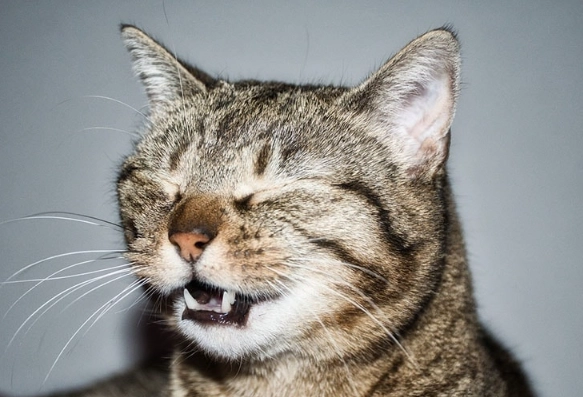
Common Treatments for Sneezing Cats
Treatment depends on the cause. Don't expect one-size-fits-all.
- Antibiotics: For bacterial infections. Finish the full course, even if symptoms improve.
- Antivirals: For viral URIs like herpesvirus. L-lysine supplements are often recommended, though some studies debate efficacy.
- Steroids or Antihistamines: For allergies. Vet-prescribed only—over-the-counter versions can be dangerous.
- Surgery: For polyps or foreign bodies. Recovery is usually quick, but follow-up care is crucial.
A vet once told me that misdiagnosis happens when owners skip tests to save money. It's false economy—proper diagnosis saves long-term costs.
Preventing Future Sneezing Episodes
Proactive steps beat reactive panic. Here's how to minimize risks.
Environmental Changes
Small tweaks make a big difference.
- Use hypoallergenic products: From litter to cleaners. I switched to plant-based options, and sneezing episodes dropped.
- Regular grooming: Brush your cat to reduce dander and outdoor allergens. Weekly brushing helps.
- Keep indoors during high pollen: Check local pollen counts. I use an app to alert me on bad days.
Diet and Supplements
Nutrition supports immune health.
- High-quality food: Rich in omega-3s and antioxidants. Avoid fillers that can trigger sensitivities.
- Probiotics: For gut health, which links to immunity. My vet suggested a feline-specific probiotic after Whiskers' URI.
- Hydration: Ensure fresh water always. Dehydration worsens respiratory issues.
I've found that prevention is cheaper than treatment. A yearly vet check-up catches early signs too.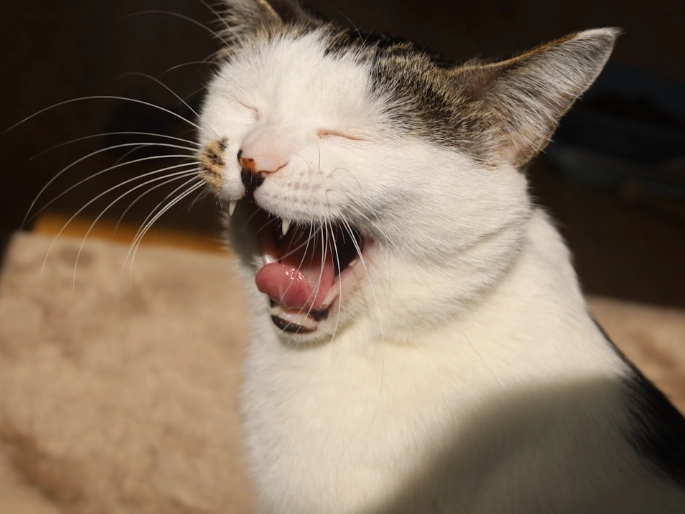
Frequently Asked Questions
My cat sneezes after using the litter box. Is this normal?
It might be dust from the litter. Clay litters are notorious for kicking up particles. Try switching to a low-dust or dust-free option like recycled paper or silica gel. I made the switch, and Whiskers' post-litter sneezing stopped within days. Also, ensure the box is in a well-ventilated area.
Can cat sneezing be contagious to other pets or humans?
If it's caused by an infectious agent like a virus or bacteria, yes, it can spread to other cats. Feline herpesvirus is highly contagious among cats. However, most cat respiratory infections are species-specific and won't transmit to humans. Still, practice good hygiene—wash hands after handling a sick cat, and isolate them if you have multiple pets.
What home remedies should I avoid for a sneezing cat?
Avoid essential oils, human cold medicines, and steam treatments with additives like eucalyptus. These can be toxic to cats. I've seen cases where owners used vapor rubs, leading to respiratory distress. Stick to plain humidifiers and vet-approved methods. When in doubt, call your vet—they'd rather you ask than risk harm.
How long should I wait before taking my sneezing cat to the vet?
If it's just occasional sneezing with no other symptoms, monitor for 24-48 hours. But if sneezing is frequent, or if there's discharge, lethargy, or loss of appetite, don't wait—schedule a visit immediately. My rule: better safe than sorry. Early vet visits often prevent complications and reduce overall stress for your cat.
Can stress cause a cat to sneeze a lot?
Indirectly, yes. Stress weakens the immune system, making cats more susceptible to infections that cause sneezing. Events like moving, new pets, or changes in routine can trigger flare-ups in cats with conditions like herpesvirus. I've observed this in foster cats—managing stress with quiet spaces and pheromone diffusers can help reduce sneezing episodes.