Worms in Dog Poop: A Vet's Guide to Types, Treatment & Prevention
Let's be honest, it's gross. You're cleaning up after your dog, and there they are—wriggling, rice-like segments, or maybe spaghetti strands mixed in with the stool. Your stomach drops. Worms in dog poop is one of those sights that instantly signals a problem. But before you spiral into panic, take a breath. This is a common issue, it's treatable, and you're in the right place to figure it out. I've been through this myself with a rescue pup years ago. The key isn't just freaking out; it's knowing what you're looking at and having a clear action plan. This guide will walk you through identifying the culprit, understanding how it happened, getting effective treatment from your vet, and putting a solid prevention strategy in place so it (hopefully) never happens again. Not all worms look the same, and the type dictates the risk and treatment. Here’s a breakdown of what you might see. A crucial tip many miss: sometimes you won't see adult worms at all, just the eggs or larvae in a microscopic fecal test. That's why a vet check is non-negotiable. If you see anything, take a photo or even collect a sample in a sealed bag to show your vet. It speeds up diagnosis immensely. Don't just describe it over the phone; a picture is worth a thousand words here. A Critical Non-Consensus Point: Many owners think "no worms in the poop = no parasites." That's dangerously wrong. Hookworm and whipworm infestations are often severe long before any adult worm becomes visible. Relying on visual inspection alone is like assuming your car's engine is fine because you don't see oil on the driveway. Annual fecal tests are the real diagnostic tool. Understanding the "how" is your first line of defense. It's more than just eating something nasty off the ground. From Mother to Puppy: This is huge. Roundworms can be passed in utero, and both roundworms and hookworms via the mother's milk. Almost all puppies are born with them, which is why deworming schedules start so young. Ingestion: The classic route. This includes: Skin Penetration: Hookworm larvae can burrow directly through the skin, often through the paw pads or belly. A dog lying on contaminated soil can get infected. Intermediate Hosts: Tapeworms need a middleman. Your dog gets them by ingesting a flea (carrying tapeworm eggs) during grooming, or by eating an infected rabbit or rodent. Think about your dog's last week. Did they visit a popular dog park? Sniff intently on a shared walking path? Roll in the grass? Any of these common activities could have been the exposure point. The parasites are resilient; eggs can survive in soil for years, according to the Companion Animal Parasite Council (CAPC). You've seen the worms, now what? Don't just grab an over-the-counter dewormer. They are often ineffective against certain types and can give a false sense of security. Your vet will ask for a fresh stool sample (ideally within 12 hours). They use a flotation solution to separate parasite eggs under a microscope. This tells them exactly which worm(s) they're dealing with. It's a quick, inexpensive test. Based on the results, your vet will prescribe a targeted, broad-spectrum dewormer. Common active ingredients include fenbendazole, praziquantel, pyrantel pamoate, or milbemycin oxime. These are more effective and safer than many OTC options. Treatment isn't always one-and-done. Because the medication usually only kills adult worms, a second dose in 2-3 weeks is standard to catch any larvae that have matured since the first dose. Follow the schedule religiously. If your dog is anemic from hookworms, they may need iron supplements or even a transfusion in severe cases. For puppies with a heavy roundworm burden, the vet might hospitalize them for supportive care during treatment. The dying worms can cause a temporary blockage or intense discomfort. My vet once told me, "Treating the worms is easy. Managing the fallout on a compromised puppy is the hard part." It stuck with me. Treatment kills the worms in your dog, but the environment is still contaminated. This step is where most prevention plans fail. Immediate Yard Cleanup: Pick up all dog feces in your yard daily while your dog is being treated and for a few weeks after. This breaks the life cycle. Don't just leave it to biodegrade. Disinfection: Most household disinfectants don't kill parasite eggs. Your best bet is steam cleaning hard surfaces. For yards, sunlight and drying help, but there's no safe chemical to spray. Diluted bleach (1:32 ratio) can work on non-porous surfaces like concrete after organic matter is removed. The Pillars of Ongoing Prevention: My dog just pooped out a worm. What should I do right now? First, don't touch it directly. Take a clear photo with your phone for your vet. If you can, collect the worm or a fresh stool sample in a sealed plastic bag or container. Call your veterinarian to schedule an appointment and a fecal test. Restrict your dog's access to shared spaces (like dog parks) until treated to prevent spreading eggs. Are the worms in my dog's poop contagious to me or my kids? Some can be, which is why this is a public health concern. Roundworms and hookworms can cause a condition called visceral or cutaneous larva migrans in humans, where larvae migrate under the skin or into organs. It's usually from accidental ingestion of eggs from contaminated soil (like a child playing in the yard) or skin penetration. This risk underscores the urgency of proper treatment and hygiene—washing hands after gardening or playing with pets, and keeping sandboxes covered. I give my dog a monthly heartworm pill. How could he still have intestinal worms? Check the specific product you're using. Not all heartworm preventatives cover all intestinal worms. Some may only cover roundworms and hookworms, leaving your dog vulnerable to whipworms or tapeworms. Also, if you're even a few days late with a dose, a gap in protection opens up. Finally, a massive environmental load of eggs (like at a heavily contaminated dog park) could theoretically overwhelm the preventative's monthly efficacy. This is why the annual fecal check is still crucial. My puppy was dewormed by the breeder/rescue. Why do I see worms now? This is extremely common and not necessarily the breeder's fault. Standard protocol is to deworm puppies every 2 weeks starting at 2 weeks old. The medication kills the adult worms present at that moment. However, larvae encysted in the puppy's tissues can mature weeks later. When you see worms after an initial deworming, it's usually this second wave. It means the deworming schedule needs to continue, which is why vets recommend follow-up doses after you bring the puppy home. Can I use natural or home remedies to treat worms in my dog? I'm skeptical of their efficacy for a confirmed infestation. While some foods like pumpkin seeds or carrots are touted for parasite control, there's no robust scientific evidence they can eliminate an active infection. Relying on them could allow the infestation to worsen, leading to anemia, malnutrition, or intestinal blockage. Prescription dewormers are highly effective and safe. Think of home remedies as maybe supporting general gut health, not as a cure for a parasitic disease. Spotting worms in your dog's stool is alarming, but it's a solvable problem. The sequence is clear: identify, diagnose with your vet, treat with prescription medication, and then commit to rigorous environmental cleanup and prevention. The goal isn't just to fix this one episode, but to build habits that keep your dog—and your family—protected for the long haul.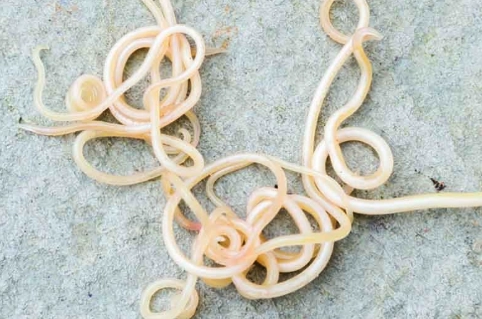
What You'll Find in This Guide
Identify the Worm: A Visual Guide to 5 Common Types
Worm Type
What It Looks Like in Poop
Key Symptoms to Watch For
Roundworms
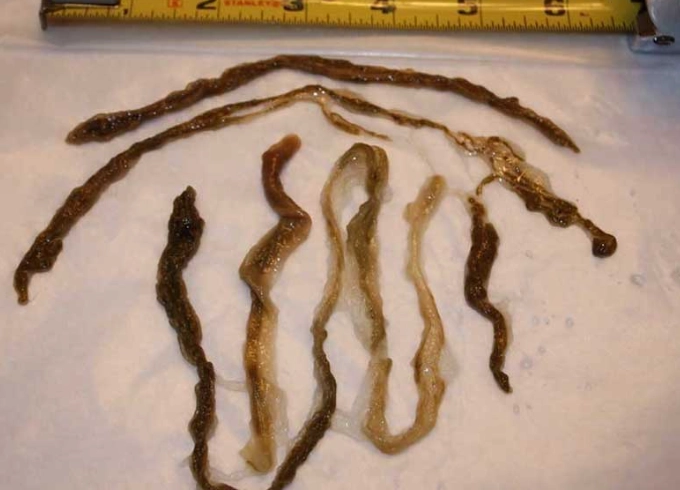
Spaghetti-like, off-white, often coiled. Can be several inches long. The most common visual find.
Pot-bellied appearance, dull coat, vomiting (sometimes with worms), diarrhea, weight loss despite good appetite.
Tapeworms
NOT usually whole worms. You see rice-like segments (proglottids) that may move near the anus or in fresh stool. They dry out and look like sesame seeds.
Scooting or licking the rear, mild digestive upset. Often the segments are the only sign.
Hookworms
Very small (¼ inch), thin, and hard to see with the naked eye. You're more likely to spot the evidence: dark, tarry, or bloody diarrhea.
Severe anemia (pale gums, weakness), bloody stool, weight loss, failure to thrive in puppies.
Whipworms
Almost never seen in stool. Diagnosis is via fecal test under a microscope.
Chronic, intermittent watery diarrhea sometimes with mucus, weight loss.
Heartworms
Not found in intestinal poop. Adults live in heart/lungs. Microfilariae (babies) might be seen in blood, not stool.
Cough, fatigue, weight loss, reluctance to exercise. A silent, deadly threat.

How Do Dogs Get Worms? (It's Not Just What You Think)
The Main Routes of Infection
- Sniffing/licking contaminated soil or feces.
- Eating infected prey (rodents, birds). This is a prime tapeworm source.
- Drinking contaminated water from puddles or streams.The Vet Visit & Treatment Plan: What to Expect
Step 1: The Diagnostic Fecal Test
Step 2: Prescription Medication
Step 3: Addressing Symptoms and Risks
Home Cleanup, Disinfection & Long-Term Prevention
Your Top Questions on Worms in Dog Poop Answered