Can Dogs Eat Potatoes? Safety, Nutrition & Feeding Tips
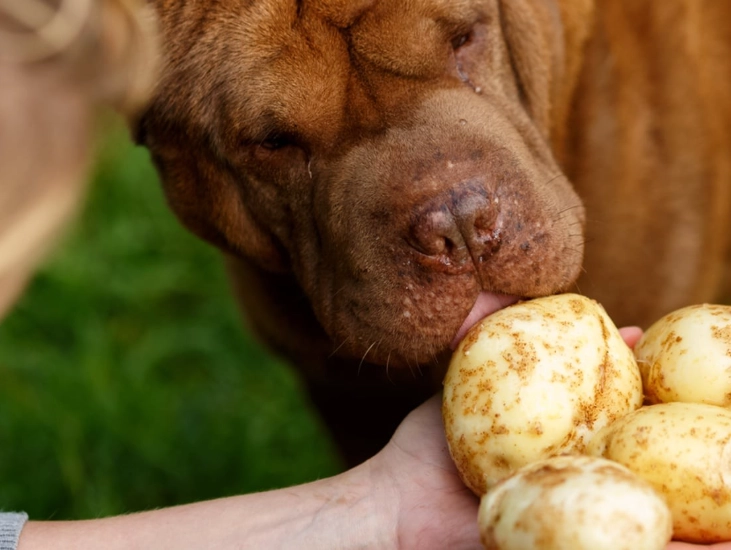
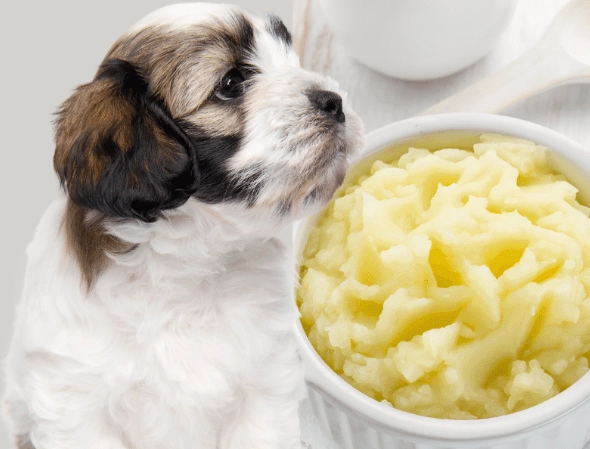
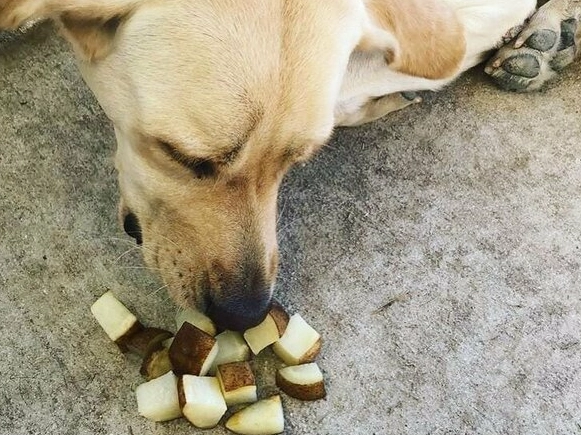
Yes, dogs can eat potatoes, but here's the catch: they must be cooked plain, without any added salt, butter, or seasonings. I've seen too many pet owners make the mistake of tossing a few french fries to their pup, thinking it's harmless. It's not just about the potato itself; it's how you prepare it. Let's cut to the chase—if you're in a hurry, feed your dog boiled or baked potatoes in small amounts, and avoid raw potatoes at all costs. Now, for the details. Feeding potatoes to your dog isn't rocket science, but a few missteps can lead to trouble. I remember when my Labrador, Max, got into a bag of raw potatoes I left on the counter. He had diarrhea for a day, and that was a mild case. Raw potatoes contain solanine, a natural toxin that can cause poisoning in dogs. So, rule number one: always cook potatoes. Boiling or baking are your best bets. Steam them if you want to retain more nutrients. Avoid frying—the added oils and fats are bad for your dog's pancreas. Here's a simple step-by-step: Mashed potatoes? Only if they're plain. That means no milk, butter, or garlic. Garlic is toxic to dogs, by the way. Many commercial mashed potato mixes contain onion powder, which is a big no-no. Portion control is key. Potatoes should be a treat, not a meal replacement. Think of it as 10% or less of your dog's daily calorie intake. For a medium-sized dog (around 30 pounds), a few tablespoons of cooked potato once or twice a week is plenty. Overfeeding can lead to weight gain or digestive upset. Small dogs? Even less. A teaspoon-sized amount is enough. Large breeds might handle a quarter cup, but I'd start small and see how they react. Every dog is different—my friend's Border Collie gets gassy with potatoes, while Max tolerates them fine. Potatoes aren't just empty carbs. When cooked properly, they offer some decent nutrients. According to general pet nutrition guidelines, potatoes provide carbohydrates for energy, along with vitamins like vitamin C and B6, and minerals such as potassium and iron. But here's the thing: dogs are primarily carnivores, so they don't need carbs as much as we do. Potatoes can be a good source of fiber, which aids digestion. For dogs with occasional constipation, a bit of cooked potato might help. However, there are better options like pumpkin or sweet potatoes, which have more fiber and lower glycemic indexes. Sweet potatoes are often recommended over white potatoes because they're richer in beta-carotene. I've seen some dog food brands use potatoes as a filler in grain-free diets. That's a trend these days—grain-free formulas. But the U.S. Food and Drug Administration has investigated potential links between grain-free diets and heart disease in dogs, so it's worth being cautious. Potatoes in moderation are fine, but don't rely on them as a staple. Not all potatoes are safe, and not all dogs should eat them. This is where many owners slip up. Raw potatoes contain solanine, a glycoalkaloid poison that can cause vomiting, diarrhea, and even neurological issues in dogs. Green potatoes or potato sprouts have higher concentrations. I've heard people say, "Oh, a little raw piece won't hurt." But why risk it? The Pet Poison Helpline lists solanine as a moderate to severe toxin for pets. Cooking reduces solanine levels significantly, but it's not entirely eliminated—another reason to keep portions small. Some dogs are allergic to potatoes. Signs include itching, ear infections, or gastrointestinal problems. If your dog has a history of food allergies, introduce potatoes slowly and watch for reactions. Dogs with diabetes or obesity should avoid potatoes due to their high carbohydrate content. Potatoes can spike blood sugar levels. Similarly, dogs with kidney issues might need to limit potassium intake, and potatoes are potassium-rich. What about potato chips or fries? Absolutely not. The salt, oils, and additives can lead to pancreatitis or sodium ion poisoning. I once treated a dog who ate a whole bag of chips—the vet bill was hefty, and the poor thing was dehydrated for days. Let's debunk some myths. Many websites repeat the same old advice, but after talking to veterinarians and reading studies, I've picked up on nuances that often get overlooked. Myth 1: All cooked potatoes are safe. Not exactly. Cooking methods matter. Boiling leaches some solanine into the water, which you discard, making it safer. Baking concentrates it slightly. If you bake potatoes, avoid the skin if it's greenish. Myth 2: Potatoes are a healthy alternative to grains. In the grain-free diet craze, potatoes became popular. But experts from the American Veterinary Medical Association caution that grain-free diets aren't necessarily better unless your dog has a specific grain allergy. Potatoes can be part of a balanced diet, but they shouldn't replace high-quality protein sources. Myth 3: Sweet potatoes are always better than white potatoes. Sweet potatoes have more fiber and vitamins, but they're also higher in sugars. For diabetic dogs, neither is ideal. It's about context—white potatoes in moderation are fine for most dogs, but sweet potatoes might be preferable for extra nutrition. Here's a non-consensus point: many owners think freezing potatoes makes them safer. Freezing doesn't destroy solanine. Only cooking does. So, don't feed frozen potato products like tater tots, which are often pre-fried and seasoned. To wrap it up, potatoes can be a safe occasional treat for dogs if prepared correctly. Always cook them plain, monitor portions, and watch for any adverse reactions. When you're unsure, consult your vet—they know your dog's health best. Remember, a balanced diet with high-quality protein should come first, and treats like potatoes are just the cherry on top.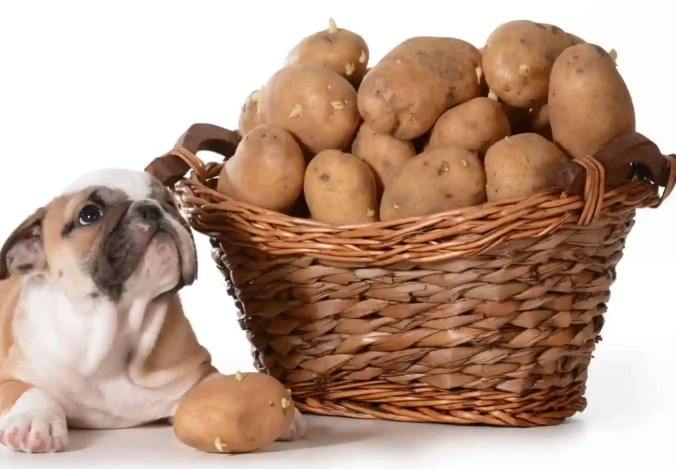
Quick Navigation: What's in This Guide
How to Safely Feed Potatoes to Your Dog

Proper Preparation Methods
Recommended Serving Sizes
Nutritional Benefits of Potatoes for Dogs
Risks and When to Avoid Potatoes
The Danger of Raw Potatoes
Other Concerns: Allergies and Health Conditions
Common Myths and Expert Insights
Frequently Asked Questions