English Bulldogs: The Complete Guide to Care, Health, and Personality
Let's be real. You don't just see an English Bulldog, you feel its presence. That pushed-in face, that determined waddle, that expression that seems to judge your life choices while simultaneously begging for a belly rub. I've lived with Bulldogs for over a decade, and the internet is full of cute photos but often misses the gritty, wonderful, and sometimes frustrating reality of life with this iconic breed. This isn't a sugar-coated fan page. It's a straight-talking guide from someone who's cleaned more face folds and dealt with more stubborn snoring than they care to admit. If you're serious about sharing your home with a Bulldog, you need to know what you're signing up for—the sublime, the challenging, and the downright hilarious. That stout, muscular body and distinctive face are the result of a history far removed from today's couch potato image. Originally bred for bull-baiting, their tenacity, courage, and powerful jaws were prized. When that cruel sport was banned, the breed was refined into the gentle, companionable dog we know, but that history left a physical legacy. Forget the lazy stereotype. Bulldogs have personality in spades. They're often described as dignified, courageous, and friendly. In my experience, they're also profoundly stubborn, incredibly affectionate on their own terms, and possess a quiet sense of humor. They're not the dog that will fetch a ball for hours. They're the dog that will look at the ball you threw, then back at you as if to say, "You threw it, you go get it." Their exercise needs are low, but their need for companionship is high. They form deep bonds with their families and can be surprisingly sensitive to mood. A common misconception is that they're aggressive. Nothing could be further from the truth with a well-bred, properly socialized Bulldog. They are typically excellent with children—patient and tolerant—though, like any dog, interactions should always be supervised. Their main "aggression" is usually directed at their food bowl or a particularly comfortable spot on the sofa. This is the most critical section. Loving Bulldogs means being proactive about their health. Their unique structure (brachycephalic skull, heavy build, short coat) comes with a list of potential issues. Responsible ownership isn't just about love; it's about preparation and vigilance. This is the big one. Their short snouts mean constricted nostrils, an elongated soft palate, and a narrow windpipe. The result? The iconic snoring, snorting, and grunting. For many, it's just noisy. For some, it's a serious breathing impairment. You must learn the signs of distress: excessive panting in cool weather, blue-tinged gums, collapsing after minimal exercise. On a hot day, a five-minute walk can be too much. I never walk my Bulldog if it's above 75°F (24°C); we play indoors instead. Those adorable wrinkles are bacterial playgrounds. If not cleaned and dried daily, they get infected (pyoderma). Their tail pockets (a little fold under the tail) are especially prone. Hip and elbow dysplasia are common due to their build. Keeping them at a lean, healthy weight is the single best thing you can do to mitigate joint stress. A fat Bulldog is a suffering Bulldog. Here’s a quick reference table for common Bulldog health issues: Owning a Bulldog is a commitment to a daily ritual. Skip it, and you'll both pay the price. The Wrinkle Wipe-Down: Every single day. After meals and walks. Use a soft, damp cloth or a gentle, dog-safe wipe. Get deep into every facial fold, under the chin, and that tail pocket. Dry thoroughly with a separate cloth. Moisture left behind is the enemy. I use a little cornstarch in deep folds sometimes to keep them dry, but check with your vet first. Feeding for Health: Find a high-quality food that agrees with them. Many Bulldogs do better on a fish-based or novel protein diet to avoid allergies. Measure portions strictly. Use a slow-feeder bowl to prevent gulping air (which worsens gas and bloat risk). Elevated bowls can help with posture, but the link to bloat is debated—ask your vet. Exercise & Mental Stimulation: Two short, gentle walks a day are plenty. Think 15-20 minutes each, preferably in the cool morning and evening. Mental exercise is just as important. Food puzzles, short training sessions (they're smart but stubborn, so keep it fun), and sniffing games tire them out beautifully. Let's match the dog to the lifestyle. The Ideal Bulldog Home: A calm household, preferably with a climate that doesn't get extremely hot. Owners who are home a good part of the day (they hate being alone for long stretches). Families or individuals who want a loyal, low-energy companion, not a jogging buddy. People who are detail-oriented and don't mind a bit of daily maintenance. Probably Not a Good Fit If: You want an athletic, adventurous hiking partner. You live in a very hot, humid area without powerful AC. You have a tight budget for potential veterinary care. You're a neat freak (there will be drool, shedding, and gas). You're away from home for 8+ hours regularly. If you decide a Bulldog is for you, choosing a breeder is everything. Avoid pet stores and online marketplaces. Seek a breeder who prioritizes health: they test their breeding stock for hips, elbows, knees, and trachea issues. They will openly discuss BOAS in their lines. They ask you as many questions as you ask them. Reputable breeders are listed through the The Kennel Club (UK) or the American Kennel Club (AKC) Bulldog parent clubs. Be prepared to be on a waiting list. A well-bred puppy from health-tested parents is your best shot at a healthier dog. Living with an English Bulldog is a unique journey. It's messy, expensive at times, and filled with snorts. But it's also filled with unwavering loyalty, quiet companionship, and a kind of dignified silliness that's hard to find anywhere else. They don't just live in your house; they imprint on your life. If you go in with your eyes open, ready for the commitment, you'll gain a friend like no other.What's Inside This Bulldog Guide?
Understanding the Bulldog: More Than a Mascot

Health Concerns: The Reality Beyond the Wrinkles
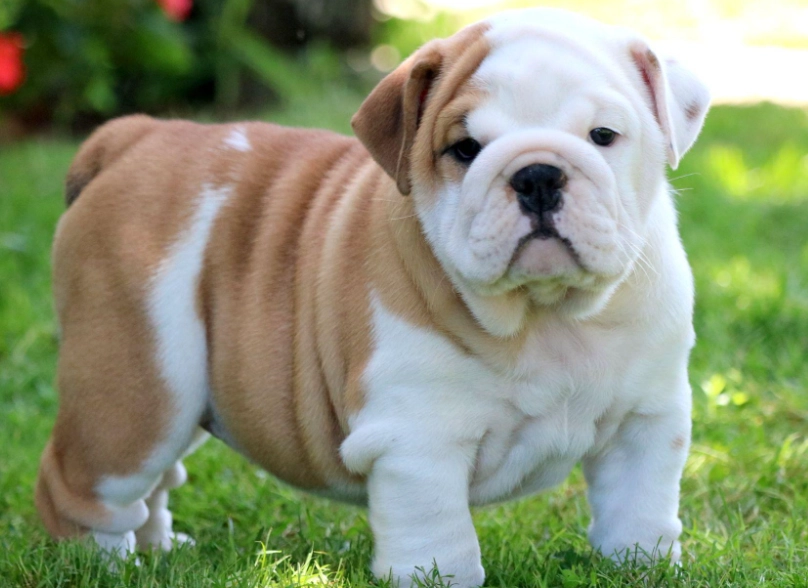
Brachycephalic Obstructive Airway Syndrome (BOAS)
Skin and Joint Issues
Health Issue
What It Is
Prevention/Management Tips
BOAS
Breathing difficulty due to short skull structure.
Avoid heat/humidity, use a harness (never a collar), maintain healthy weight, consult a vet about surgical options if severe.
Skin Fold Dermatitis
Infection in the skin wrinkles.
Daily cleaning and drying of all face and body folds with a soft cloth and vet-approved wipe.
Hip Dysplasia
Malformation of the hip joint causing arthritis.
Keep weight low, provide joint supplements (e.g., glucosamine), use ramps for furniture/cars, low-impact exercise.
Cherry Eye
Prolapse of the third eyelid gland.
Cannot be prevented. Requires veterinary attention, often surgical correction.
Allergies
Often food or environmental, causing itchy skin/ears.
Work with your vet to identify triggers (common: chicken, beef, grains). May require special diet or medication.
The Daily Bulldog Care Routine: A Non-Negotiable Checklist
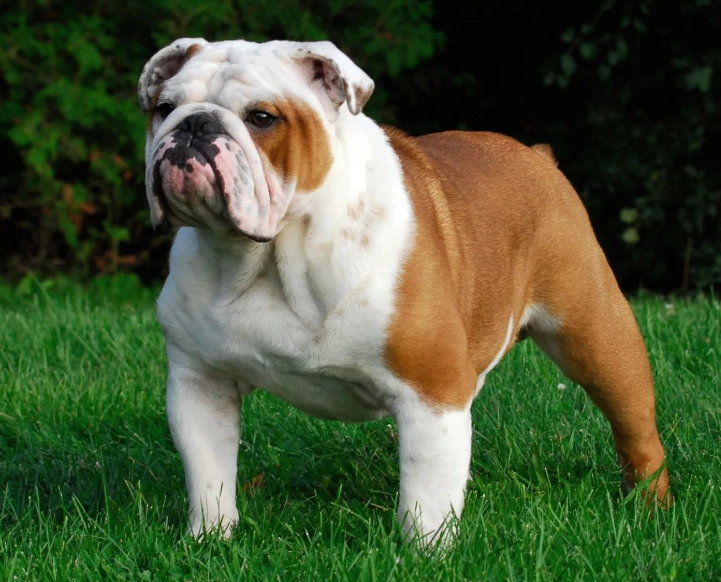
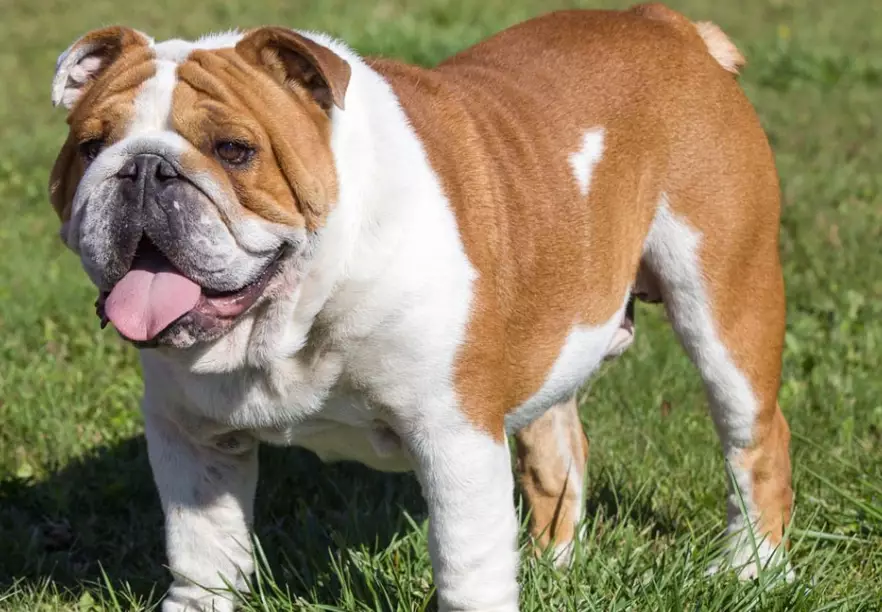
Is an English Bulldog Right for Your Family?

Your Bulldog Questions, Answered Honestly