The Ragamuffin Cat: Your Complete Guide to This Gentle Giant
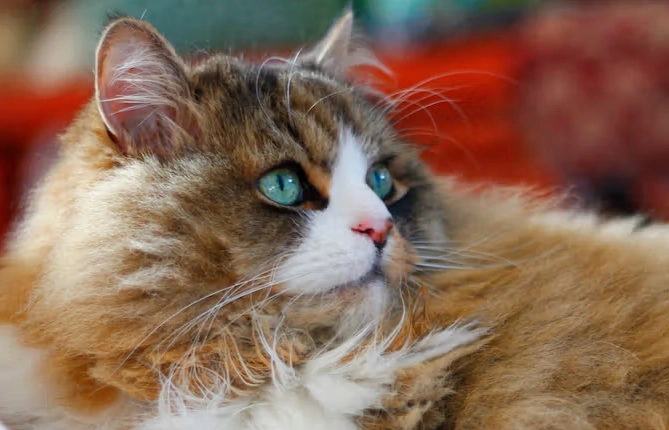
If you're dreaming of a cat that acts more like a gentle, affectionate shadow than an aloof roommate, you might have stumbled upon the Ragamuffin. Picture a living teddy bear with silky fur, eyes you can get lost in, and a personality so sweet it could give you a cavity. But here's the real talk: bringing one of these magnificent creatures home isn't just about the cuddles. It's a commitment to a specific kind of care for a decade and a half, maybe more. I've lived with feline companions for over twenty years, and my experience with my own Ragamuffin, Barnaby, taught me things no generic breed guide ever could. Let's cut through the fluff (pun intended) and get into what living with a Ragamuffin is genuinely like—the sublime, the challenging, and the downright messy. This is where things get interesting. The Ragamuffin is a direct descendant of the Ragdoll breed. Back in the 1990s, a group of breeders wanted to expand the Ragdoll's gene pool and introduce new colors and patterns. They outcrossed Ragdolls with other long-haired breeds like Persians and Himalayans. The resulting cats were so distinct they formed their own breed, recognized by The International Cat Association (TICA) in 2003 and later by the Cat Fanciers' Association (CFA). The most common mix-up? Ragamuffin vs Ragdoll. While they share a laid-back, floppy demeanor, there are key differences. Ragamuffins have a fuller, more rounded face—often described as a "sweet expression" in breed standards. Their coat is dense and plush, but it's a single coat, not a double coat like some long-haired breeds, which can make matting slightly less of a nightmare if you're proactive. They also come in virtually every color and pattern, whereas Ragdolls have specific point coloration. A Quick Comparison: Think of Ragdolls as the elegant, color-pointed aristocrats. Ragamuffins are their slightly more robust, technicolor cousins with the same easy-going heart. The temperament is remarkably similar, which is why both breeds top lists for being family-friendly. Forget everything you know about independent cats. The Ragamuffin redefines the term "companion animal." Their temperament is their biggest selling point. They are profoundly affectionate. Barnaby doesn't just sit near me; he must be partially on top of me, a warm, purring weight on my lap while I work. He follows me from room to room, not out of anxiety, but out of a simple desire to be involved. If I'm cooking, he's on the kitchen island (a habit I'm trying to break) observing. If I'm reading, he's nestled into the crook of my arm. This breed is famously good with children and other pets. Their patience seems boundless. I've seen Barnaby tolerate the clumsy hugs of a toddler with nothing more than a slow blink. He's also peacefully coexisted with a senior dog and a skittish rescue cat, using his calm presence to actually lower the household's stress levels. One thing new owners are rarely prepared for is their quietness. They are not a vocal breed. Barnaby might give a soft chirp to greet me, but he never yowls. His communication is through touch, purrs, and those huge, expressive eyes. If you want a cat that "talks" to you, look elsewhere. They are playful but not destructive. A wand toy or a crumpled paper ball will entertain them, but they won't scale your curtains at 3 AM. Their activity level is moderate. Expect bursts of kitten-like energy followed by long, deep naps. This is the commitment part. That gorgeous coat doesn't maintain itself. But care goes far beyond grooming. You'll hear "brush them a few times a week." From experience, I recommend a brief daily session. Five minutes every morning is infinitely easier than a 45-minute detangling battle once a week. Their fur, especially behind the ears, under the armpits, and around the hindquarters, is a magnet for mats. My toolkit: The biggest mistake I see? People forget the tail and the "pants" (the long fur on the hind legs). These areas mat quickly. Baths are rarely needed—maybe twice a year—but introducing them to water as a kitten makes it stress-free. Ragamuffins have a solid build and can be prone to weight gain. They are not hyperactive, so their diet must be controlled. High-quality, protein-rich food is essential. I measure Barnaby's portions and avoid free-feeding. Exercise is about engaging their brain. Puzzle feeders, laser pointers (always end with a physical toy they can "catch"), and interactive play sessions are key. A bored Ragamuffin might overeat or become lethargic. Now, the litter box. Due to their long fur, you need a high-sided, large box. I learned this the hard way. A standard box led to litter and… other things… being kicked out constantly. A top-entry box was a disaster—he hated it. A giant, simple storage tub with a high-sided cut-out entry works perfectly. Use low-dust, clumping litter. Trust me on this. Generally robust, Ragamuffins have a lifespan of 12-16 years, sometimes longer. However, being a pedigreed breed, they have some genetic predispositions to be aware of. Hypertrophic Cardiomyopathy (HCM): This is a thickening of the heart muscle and is the most significant concern. Reputable breeders will screen their breeding cats for HCM. When you get a kitten, ask for documentation of the parents' recent cardiac ultrasound (echo) clearances from a veterinary cardiologist. There is no genetic test for HCM in Ragamuffins yet, so screening is vital. Polycystic Kidney Disease (PKD): Less common than in Persians, but it can occur. A responsible breeder will have tested for this via a readily available DNA test. The bottom line? Your first line of defense is a reputable breeder who does this health testing transparently. Your second is a good relationship with a vet who understands the breed. Annual check-ups are a must, transitioning to twice-yearly as they hit their senior years. Let's be brutally honest. This breed isn't for everyone. You might be a perfect match if: You should probably reconsider if: The financial reality: A Ragamuffin kitten from a reputable breeder typically costs between $1,200 and $2,500. Adoption from a breed-specific rescue is rare but possible and costs far less. Factor in annual costs for food, litter, grooming tools, and veterinary care, which can easily exceed $800-$1,200 per year.What's Inside This Guide?
What is a Ragamuffin Cat? History and the Ragdoll Connection
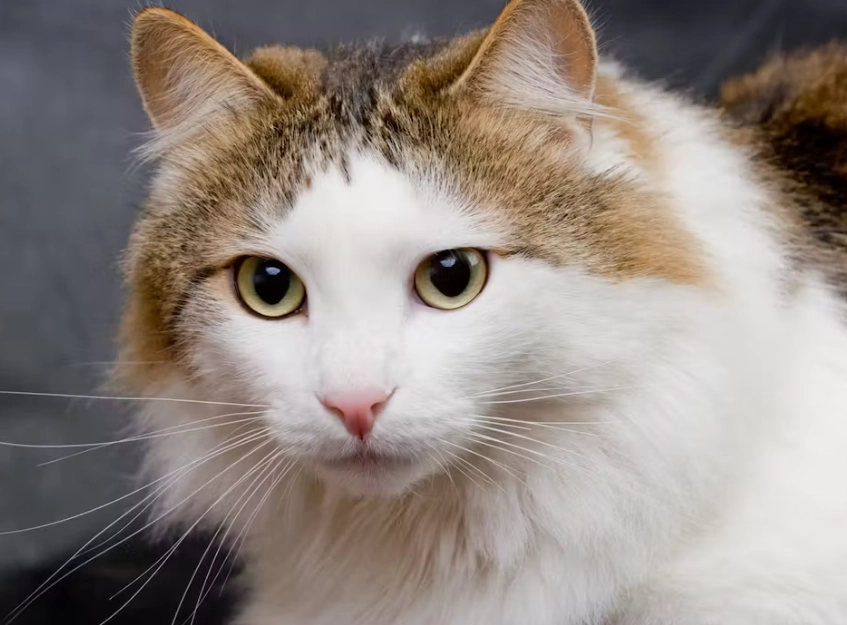
Ragamuffin Cat Personality and Temperament: The "Gentle Giant" is Real
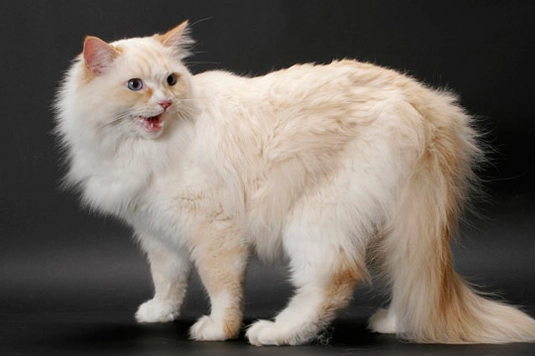
How to Care for a Ragamuffin Cat: A Realistic Breakdown
Grooming Your Ragamuffin: The Non-Negotiable Routine

Diet, Exercise, and Litter Box Logistics

Care Aspect
Frequency & Details
Why It's Critical
Brushing/Combing
Daily, 5-10 minutes
Prevents painful mats, reduces hairballs, distributes skin oils.
Nail Trimming
Every 2-3 weeks
Long fur hides long claws, which can snag and cause injury.
Dental Care
Daily brushing or dental treats
Prone to periodontal disease; fresh breath is a bonus.
Ear Cleaning
Weekly check, clean as needed
Fur can trap debris; prevents infections.
Eye Cleaning
Gently wipe daily with damp cloth
Prevents tear staining on light fur.
Annual Vet Check
Twice yearly for seniors (7+)
Early detection of common breed health issues.
Ragamuffin Cat Health and Lifespan
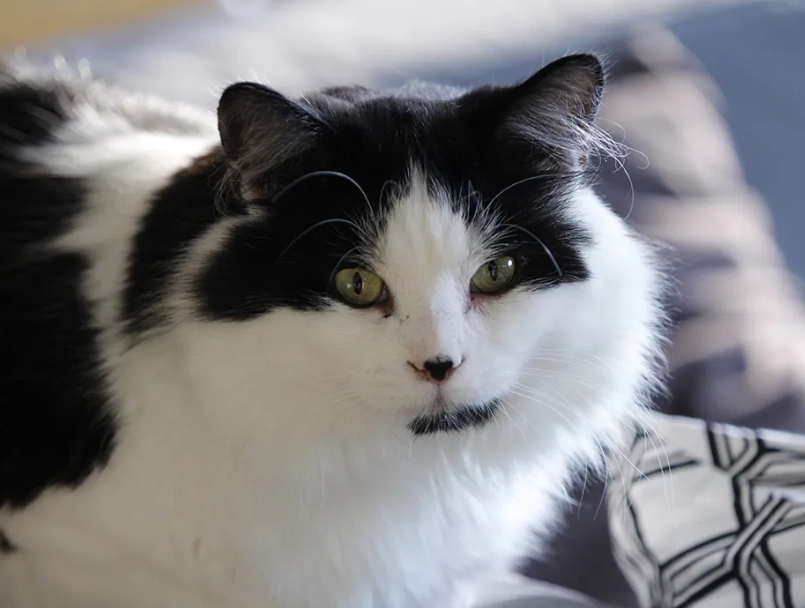
Is a Ragamuffin Cat Right for You? An Honest Checklist
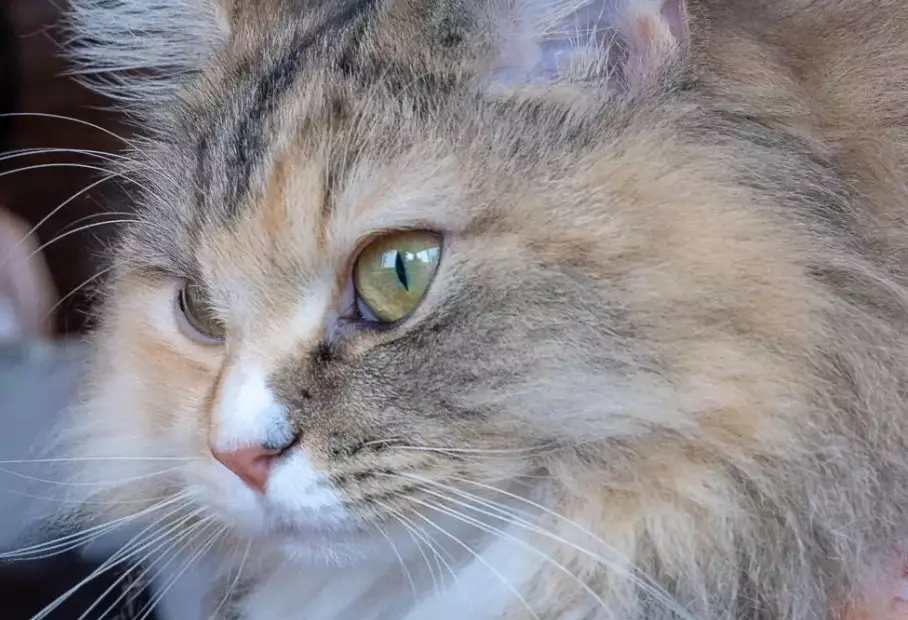
Your Ragamuffin Questions Answered