Teacup Chihuahua Care Guide: Health, Training & Lifespan
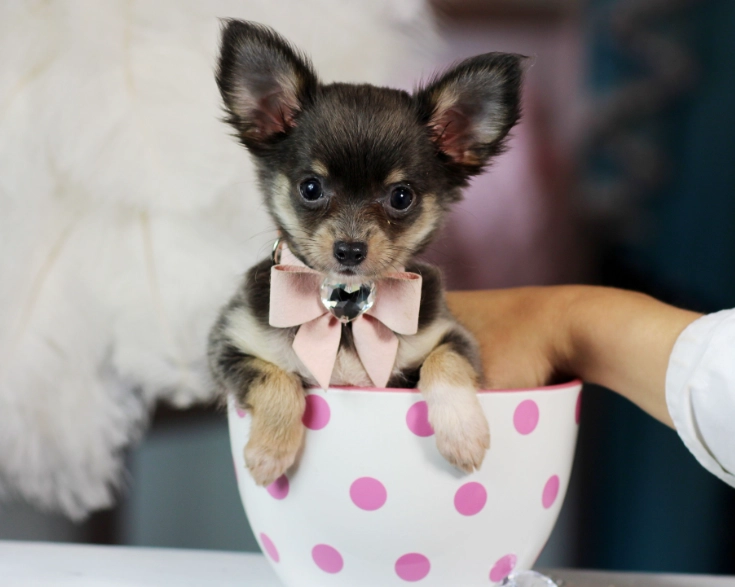
Let's cut to the chase. The image of a "teacup" Chihuahua—a dog so tiny it fits in a cup—is incredibly appealing. It's marketed as the ultimate portable companion. But here's the reality most breeders and pet stores won't lead with: "teacup" isn't a breed. It's a marketing term for the runts of the litter, bred to be unnaturally small, and it comes with a suitcase full of health complications. I've seen the heartbreak when an unprepared owner brings home this fragile creature. This guide isn't about selling you a dream; it's about giving you the complete, honest picture so you can decide if you're truly equipped for the immense responsibility. Officially, according to the American Kennel Club, there's only one Chihuahua breed. The AKC standard calls for a weight not exceeding 6 pounds. The term "teacup," "micro," or "pocket-sized" is used unofficially for Chihuahuas that are significantly smaller, often weighing under 4 pounds full-grown, sometimes as little as 2 pounds. How do they get so small? It's not magic. They are often the smallest puppies in a litter, potentially bred from parents who are also unusually small. This selective breeding for extreme miniaturization is where the problems begin. Their organs, bones, and systems are compressed into a package that nature didn't fully design for robustness. This is the most critical section. Owning a teacup Chihuahua means being on constant, gentle alert for these common issues. Vet bills will be a regular part of your life. This is low blood sugar, and it's a top killer of toy breed puppies. Their tiny bodies have minimal fat reserves and a fast metabolism. Miss a meal, get too stressed, or play too hard, and their blood sugar can plummet. Signs include weakness, lethargy, trembling, disorientation, and seizures. It can be fatal within hours. You need to keep a glucose syrup or honey on hand at all times. Rubbing a small amount on their gums can be a first-aid measure before rushing to the vet. Their bones are like tiny twigs. A jump off the couch can result in a broken leg. You'll need to be their personal safety manager. Dental issues are almost guaranteed. Their jaw is too small for all their teeth, leading to severe crowding, plaque buildup, and early periodontal disease. Professional dental cleanings under anesthesia will be needed regularly, which itself is a higher risk for such a small dog. Conditions like patent ductus arteriosus (PDA) and tracheal collapse are prevalent. The trachea, or windpipe, can weaken and flatten, causing a characteristic "goose honk" cough. Using a harness instead of a collar is non-negotiable to avoid pressure on the throat. Forget the Instagram glamour. Daily life with a teacup is about meticulous routine. Here’s what a responsible day looks like. Feeding: You can't just fill a bowl. They need high-quality, calorie-dense small-breed kibble or wet food, split into at least 3-4 tiny meals throughout the day. I keep a small container of food in my bag if we're out. Always have fresh water available, but in a shallow bowl they can't drown in. Temperature Regulation: They lose body heat incredibly fast. In cool weather (below 70°F/21°C), a sweater is essential. In winter, they need a coat and booties for very short potty breaks. In summer, pavement can burn their paws in seconds. Test it with your hand. Safety-Proofing Your Home: Your house becomes a hazard zone. Block off stairs. Put down non-slip rugs on hardwood floors. Cushion the floor around furniture they might jump from. Always look before you sit or step. I've known someone who accidentally stepped on their teacup, resulting in a tragic injury. Yes, you must train them. Their small size doesn't excuse bad behavior, and an untrained small dog is a nightmare. The key is adapting methods to their size and sensitivity. Their bladders are the size of grapes. They cannot hold it for 8 hours. Expect to take them out: Many owners use indoor potty pads as a reliable backup, especially in bad weather or for late-night needs. This isn't failure; it's practicality. This is the yapping, nipping, and guarding behavior that develops when owners don't set boundaries because the dog is "too cute to correct." Consistency is your weapon. Use positive reinforcement—tiny, soft training treats—but don't let them get away with behaviors you wouldn't tolerate in a larger dog. Socialization is critical: expose them gently to various people, sights, and sounds in a controlled, positive way to prevent fear-based aggression. This is where you can make the biggest impact on your future dog's health. Avoid pet stores and online listings that prominently advertise "teacups" at low prices. These are almost certainly puppy mills. Seek out a reputable breeder who: Consider adoption. Check Chihuahua-specific rescues. Adult dogs' health and temperament are already known, bypassing the fragile puppy stage. You might save a life and get a wonderful companion. Owning a teacup Chihuahua is a commitment that demands more than just love. It requires vigilance, a significant financial cushion, and a lifestyle adapted to their profound fragility. If you can provide that, you'll have a fiercely loyal, entertaining, and deeply affectionate companion. If not, a standard-sized Chihuahua or another sturdier toy breed might bring you equal joy with far less heartache and risk. The choice hinges on honest self-assessment, not just the allure of tiny perfection.What You'll Find in This Guide
What Exactly Is a "Teacup" Chihuahua?
The Inescapable Health Risks You Must Prepare For
Hypoglycemia: The Silent Emergency
Fragile Bones and Dental Crowding
Heart and Respiratory Problems
Common Health Issue
What It Is
Preventive/Care Action
Hypoglycemia
Dangerously low blood sugar.
Strict 3-4 meal schedule, keep glucose syrup at home.
Luxating Patella
Knee cap slipping out of place.
Maintain lean weight, avoid jumping from heights.
Tracheal Collapse
Weakening of the windpipe.
Always use a harness, avoid respiratory irritants.
Dental Disease
Severe crowding and decay.
Daily brushing, annual vet dental checkups.
Hydrocephalus
Fluid on the brain (more common in dome-headed pups).
A Non-Negotiable Daily Care Routine

Training Your Tiny but Mighty Companion
Potty Training: Patience is Everything
Curbing the "Small Dog Syndrome"

How to Find a Teacup Chihuahua Puppy Responsibly

Your Tough Questions, Answered